





In an era where operational agility and cost efficiency define competitiveness, businesses worldwide are turning to innovative methods to stay ahead. One such method is lean manufacturing.
According to a report by McKinsey, lean manufacturing has emerged as one of the most effective approaches in achieving that goal. What’s remarkable is that its success isn’t limited to the manufacturing floor, but it has been successfully adopted across various industries, proving just how versatile and scalable this method is.
As global competition intensifies, understanding what lean manufacturing is has become crucial for businesses looking to improve efficiency and stay ahead. At its core, lean manufacturing is more than just a cost-cutting tactic, but it's a strategic framework that enables businesses to operate more efficiently while delivering higher value to customers.
By systematically eliminating waste and focusing only on what truly matters to the end user, companies can streamline their operations and significantly improve both productivity and profitability. In today’s competitive market, adopting lean principles can mean the difference between leading the industry or lagging.
But the benefits of lean manufacturing don’t stop operations and profits. This approach also plays a vital role in driving sustainability. By reducing excess material use, minimizing energy consumption, and optimizing production processes, companies can shrink their carbon footprint while building a more responsible, environmentally conscious business.
Lean isn’t just about doing more with less, but it’s about doing better for the planet and future generations.
What Is Lean Manufacturing?
Lean manufacturing is a systematic approach aimed at identifying and eliminating waste in the production process. The main goal is to create maximum value for customers while using the least possible resources.
Originally developed by Japanese automotive companies, lean manufacturing has since been widely adopted across various industries worldwide. By implementing lean manufacturing, businesses can enjoy several key benefits, including:
-
Increased Operational Efficiency: By eliminating redundant steps and bottlenecks, lean manufacturing accelerates production cycles and ensures optimal use of time and labor. Higher.
-
Product Quality: With fewer errors and defects, lean processes help maintain consistent product quality and reduce the need for rework or returns.
-
Cost Reduction: Removing unnecessary materials, overproduction, and idle time directly lowers production costs and improves margins.
-
Improved Customer Satisfaction: Faster delivery times, reliable quality, and better responsiveness to changing demands enhanced the overall customer experience.
5 Core Principles of Lean Manufacturing
To effectively implement lean manufacturing, companies must understand and apply these five foundational principles:
-
Deliver Value from the Customer’s Perspective: Start by identifying what your customers truly value, be it quality, speed, or customization.
-
Map the Value Stream: Analyze each step in your production to pinpoint waste and inefficiencies.
-
Create Smooth Process Flow: Ensure that work moves seamlessly from one step to the next, avoiding delays or disruptions.
-
Implement a Pull System: Only produce when there is actual customer demand—avoiding overproduction and excess inventory.
-
Pursue Continuous Improvement (Kaizen): Foster a company-wide culture of innovation and ongoing process optimization.
Key Strategies to Implement Lean Manufacturing Successfully
Implementing lean manufacturing effectively can significantly help your business reduce waste, boost productivity, and improve overall efficiency. Here are five proven strategies that can guide your company through a successful lean transformation:
1. Focus on Customer Value
The very first and most critical step in lean manufacturing is to clearly understand what your customers truly value. This value could be related to product quality, faster delivery times, or exceptional customer service. To define this value, companies can use several approaches:
-
Customer surveys: Collect direct feedback to learn what customers appreciate most and where improvements are needed.
-
Market analysis: Study market trends and consumer behavior to identify evolving needs and preferences.
-
Sales team insights: Gain valuable input from sales staff who interact daily with customers, offering a frontline perspective on customer expectations.
2. Identify and Eliminate Waste
Waste elimination is the core of lean manufacturing. Waste refers to anything that does not add value to the customer. Tools like Value Stream Mapping (VSM) can help visualize and identify waste in production processes.
There are seven common types of waste to look out for:
-
Overproduction: Making more products than needed or before they are required. Waiting: Idle time when workers or machines are waiting for the next step or materials.
-
Unnecessary transport: Moving materials or products more than necessary, adding no value.
-
Excess processing: Performing additional steps that do not increase product value.
-
Inventory excess: Holding more raw materials or finished goods than necessary.
-
Unnecessary motion: Extra movements by employees that do not add value and may cause fatigue.
-
Defects: Producing faulty products that require rework or disposal.
3. Optimize Process Flow
Optimizing the flow of materials and information throughout production is vital for lean success. Mapping the entire value stream, from raw materials to finished goods, helps identify bottlenecks and inefficiencies. This includes:
-
Detect obstacles: Find and remove process steps that slow down production.
-
Simplify operations: Streamline and standardize workflows to maintain smooth, continuous flow.
-
Enhance responsiveness: Adjust production dynamically to match actual customer demand.
4. Foster a Culture of Continuous Improvement (Kaizen)
Kaizen, meaning continuous improvement, is a fundamental lean principle encouraging every employee to seek ways to improve their work processes. Encourage employee participation through:
-
Holding regular Kaizen meetings: Create forums where employees share ideas and discuss improvements.
-
Providing ongoing training: Educate staff about lean principles and practical improvement methods.
-
Empowering employees: Encourage workers to take initiative and experiment with process improvements.
5. Engage Employees Actively in Lean Processes
Employee involvement is crucial to the success of lean manufacturing. Regular training and education on lean concepts are essential, as is giving employees a voice in identifying problems and creating solutions.
Ways to engage employees include:
-
Lean training programs: Offer ongoing sessions that teach lean principles and practical application techniques.
-
Lean teams: Establish dedicated groups responsible for identifying and implementing lean improvements.
-
Suggestion systems: Implement channels where employees can submit ideas for process enhancements.
Practical Tips for Lean Implementation
Implementing lean manufacturing can be challenging, especially for companies new to the concept. However, with the right approach and mindset, your business can unlock significant improvements in efficiency and productivity. Here are some practical tips and tricks to help you apply lean manufacturing effectively:
1. Start Small and Scale Gradually
Begin your lean journey by focusing on small, manageable projects with well-defined objectives. This approach allows you to:
-
See quick wins: Small projects provide early, visible results that demonstrate the benefits of lean principles.
-
Minimize risks: By starting on a smaller scale, you reduce the potential negative impact of changes.
-
Build trust and support: Successful small initiatives help gain buy-in from employees and management, creating momentum for larger-scale implementation.
2. Build a Committed Lean Team
A dedicated team is essential for driving lean manufacturing initiatives forward. Your lean team should include members who understand production processes and are passionate about continuous improvement.
Key actions for building a strong lean team include:
-
Appoint lean champions: Select individuals to lead lean efforts and serve as role models within the organization.
-
Form cross-functional teams: Bring together people from different departments to provide diverse perspectives and comprehensive solutions.
-
Provide specialized training: Equip your lean team with the knowledge and skills necessary to guide the transformation successfully.
3. Measure and Monitor Progress
Tracking the effectiveness of your lean initiatives is vital to ensure you meet your goals and identify areas for further improvement.
Effective ways to monitor progress include:
-
Key Performance Indicators (KPIs): Select relevant KPIs such as production cycle time, defect rates, and material efficiency to track performance.
-
Regular audits and evaluations: Conduct periodic reviews to assess lean implementation effectiveness and uncover opportunities for enhancement.
Additionally, use feedback systems to engage employees actively:
-
Suggestion boxes: Place suggestion boxes in the workplace where employees can share ideas for improvements.
-
Rewards for best ideas: Offer incentives to recognize and encourage innovative contributions that lead to real improvements.
4. Foster a Lean Culture Throughout the Organization
Creating a lasting lean culture is key to long-term success. This requires commitment and collaboration at all levels of the company.
Steps to build a strong lean culture include:
-
Open communication: Encourage transparent dialogue between management and employees about lean goals and progress.
-
Supportive work environment: Cultivate an atmosphere that promotes teamwork, innovation, and learning.
-
Leadership by example: Ensure management actively demonstrates commitment to lean principles and practices.
5. Leverage Technology to Enhance Lean Manufacturing
Modern technology can significantly support lean manufacturing efforts by improving accuracy, speed, and decision-making.Some valuable technologies to consider are:
-
Automation and robotics: Use automation to reduce manual waste and improve operational efficiency.
-
Big data and analytics: Analyze production data to identify patterns, inefficiencies, and improvement opportunities.
-
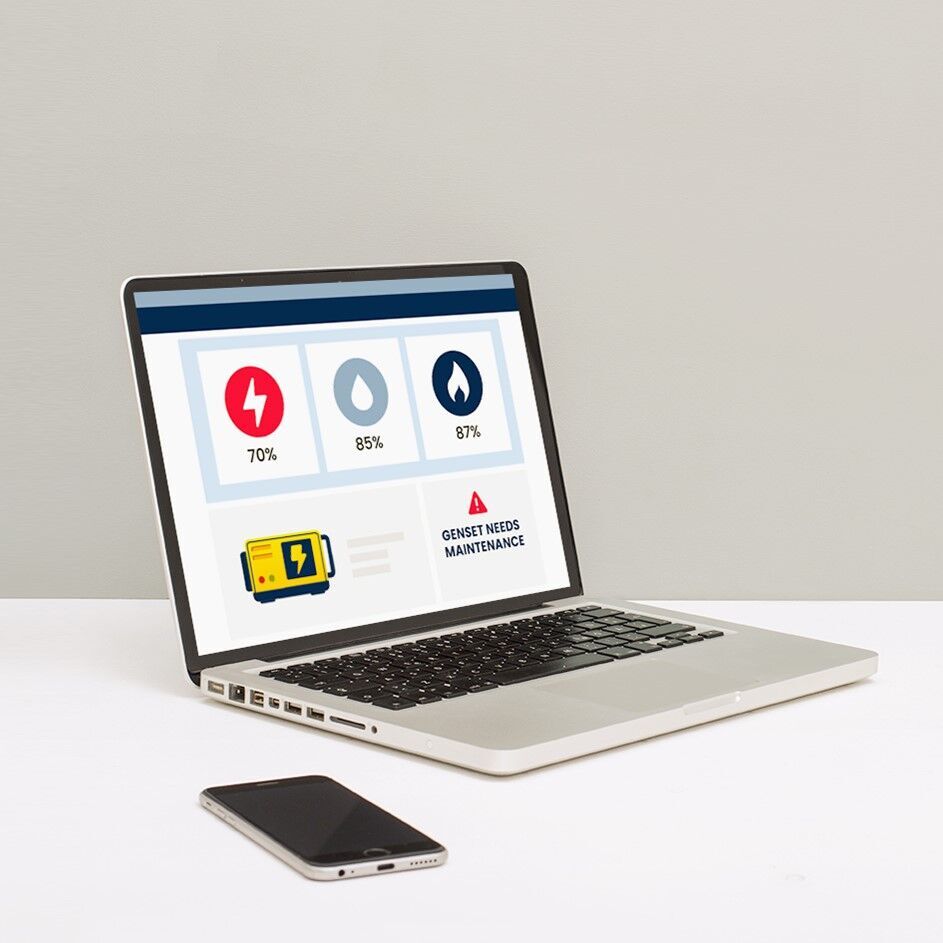
Internet of Things (IoT): Implement IoT devices to monitor equipment and processes in real-time, enabling proactive maintenance and optimization.
Lean manufacturing is more than just a cost-cutting technique, but it’s a mindset that empowers organizations to do more with less, while keeping the customer at the heart of every decision.
Whether you're in manufacturing, logistics, or service-based industries, adopting lean practices can give you the edge you need in a competitive marketplace. Ready to improve business efficiency?
Telkomsel Enterprise’s IoT Smart Manufacturing offers digital, lean-aligned solutions designed to streamline your operations. From machine performance monitoring to intelligent inventory control, it's your next step toward operational excellence.
Contact us today to find out how you can bring lean thinking and smart technology together to boost productivity, reduce costs, and grow your business sustainably with IoT Smart Manufacturing by Telkomsel Enterprise.