




Human Resources departments are often overwhelmed by time-consuming administrative tasks and inefficient access to employee information. These challenges demand a modern, integrated solution, and that's where HRIS systems come into play.
A Human Resources Information System (HRIS) is more than just HR software, but it's a digital transformation tool for workforce management. Designed to automate, streamline, and centralize HR functions, an HRIS system empowers businesses to manage employee data more efficiently while boosting HR's strategic impact.
Businesses that adopt HRIS systems significantly reduce time spent on routine administrative tasks, freeing HR professionals to focus on high-impact strategies like talent development, employee engagement, and HR analytics.
This article dives deep into what an HRIS system is, explores its core features, and highlights the many benefits that make it essential for businesses in today’s fast-paced work environment.
What Is an HRIS System?
An HRIS system, or Human Resources Information System, is a specialized software solution designed to help HR departments manage employee information more efficiently and accurately.
It consolidates various HR processes into a single, user-friendly platform, ranging from employee data management and payroll administration to recruitment, onboarding, performance tracking, and even compliance.
With an HRIS system in place, companies can eliminate redundant manual tasks, improve data accuracy, and enhance cross-functional collaboration. Ultimately, this results in faster workflows, smarter decisions, and more engaged employees.
Key Features of HRIS Systems
A robust HRIS system is packed with features that streamline the entire HR lifecycle. Let’s take a closer look:
1. Centralized Employee Data Management
One of the most significant advantages of an HRIS system is the ability to store and manage all employee data in a single, secure database.
From personal details and job history to salary information and performance reviews, everything is easily accessible and organized. This not only improves data accuracy but also enhances reporting capabilities.
2. Payroll and Benefits Administration
Managing payroll and employee benefits can be complex, especially in large organizations. HRIS systems automate salary calculations, tax deductions, and benefits distribution, significantly reducing errors and ensuring compliance with financial regulations.
3. Recruitment and Onboarding Automation
Modern HRIS systems come equipped with tools like Applicant Tracking Systems (ATS) to streamline hiring processes. From posting job openings to evaluating candidates and managing interviews, these systems make talent acquisition more efficient.
Once hired, new employees can be onboarded smoothly using digital workflows and automated documentation.
4. Performance Management Tools
An HRIS platform supports continuous performance management through automated evaluations, goal setting, and development plans. These tools help managers identify top talent and address performance gaps in a timely manner.
5. Time and Attendance Tracking
Accurate timekeeping is essential for payroll accuracy and workforce planning. An HRIS system often includes biometric or mobile-based attendance tracking, leave management, and overtime monitoring, making it easier to manage work hours and labor costs.
6. Employee Self-Service Portal
Self-service functionality empowers employees to manage their own data, from updating personal information, accessing payslips, or requesting leave, without HR intervention. This improves transparency and fosters a culture of accountability.

Business Benefits of Implementing an HRIS System
Bringing together all the key features of an HRIS system into one integrated platform offers businesses several important advantages:
Increased Efficiency and More Structured Processes
Implementing an HRIS system can significantly enhance operational efficiency in human resource management. Here’s why:
1. Automation of Manual Tasks
One of the biggest benefits of an HRIS system is its ability to automate tasks that were previously done manually, such as filling out forms, processing employee data, and calculating work hours. This automation not only reduces the administrative burden on HR staff but also minimizes the risk of errors that often happen with manual data handling.
2. Improved Workflow and Faster Response Times
With multiple HR functions integrated within a single platform, workflows become much smoother and more efficient. For example, processes like leave approvals, performance evaluations, and employee data updates can be completed quickly and effortlessly, tasks that previously might have taken several days to process.
3. Strategic Focus for HR Teams
Once routine, time-consuming tasks are automated, HR professionals gain more time to concentrate on strategic responsibilities such as workforce planning, developing training and development programs, and launching initiatives to improve employee satisfaction. This shift positions HR as a strategic partner essential to business growth and success.
Data-Driven Decision-Making with HR Analytics
Modern HRIS systems offer robust analytics capabilities that turn raw employee data into actionable insights. Here are some key aspects:
1. Real-Time Workforce Insights
A reliable HRIS system provides real-time data on various workforce metrics such as attendance rates, productivity levels, and employee turnover. These analytics enable company leaders to quickly spot trends and respond proactively to internal changes and challenges.
2. Data-Driven Decisions for HR Strategy
Access to comprehensive and detailed data allows decision-makers to make more informed choices based on clear facts and patterns. For example, analyzing HR data can help identify employee training needs or signal when adjustments to benefits policies might be necessary.
3. Enhanced Talent Management and Retention
The data and analytics offered by an HRIS help identify high-performing employees as well as areas that need focused development and retention efforts. This insight is vital for maintaining and growing the company’s human capital effectively.
Compliance and Data Security
Regulatory compliance and data protection are critical concerns for any organization. An HRIS system ensures:
1. Reducing Payroll and Benefits Errors
Accuracy in payroll and benefits administration is essential to avoid legal and financial risks. An HRIS system minimizes these risks by automating calculations and ensuring data integrity.
2. Secure Storage of Employee Data
Data security is a top priority for any organization. HRIS platforms provide a safe and protected environment to store both personal and professional employee information.
3. Simplifying Compliance with Labor Regulations
With constantly evolving labor laws and regulations, having a system that can quickly adapt through regular updates and ensure compliance with the latest rules is indispensable.
This comprehensive approach not only makes HR operations smoother but also provides peace of mind knowing that your employee data is secure and your company remains compliant with relevant laws.
Why Your Business Needs an HRIS System
Still considering whether an HRIS system is right for your organization? Here are more reasons to invest:
1. Scalability for Growing Businesses
As businesses grow, so do their HR needs. An HRIS system offers scalable solutions that adapt to your company's changing size and complexity. Whether you're expanding your team or entering new markets, your HR infrastructure can grow seamlessly alongside your business.
Besides that, a smooth onboarding experience sets the tone for employee satisfaction and productivity. With this system, new hires can complete necessary paperwork digitally, access training materials, and get integrated into the company ecosystem quickly and efficiently.
2. Improved Employee Satisfaction and Engagement
Empowering employees with self-service tools fosters a sense of ownership and trust. When workers can easily access their pay stubs, leave balances, and benefits information, it enhances transparency and reduces frustration.
A well-implemented HRIS system contributes to a positive employee experience, which in turn boosts engagement and morale.
3. Competitive Advantage in Talent Acquisition and Retention
Attracting and retaining top talent is a major challenge in today’s competitive job market. A modern HRIS system streamlines the hiring process through ATS integration, helping HR teams find the right candidates faster.
Moreover, effective performance management and career development tools improve employee retention by fostering growth and recognition.
Conclusion
A well-implemented HRIS system transforms how businesses manage their workforce. From streamlining day-to-day operations to enabling data-driven decisions, the impact of an HRIS extends far beyond administrative convenience.
With centralized data, advanced analytics, and automated workflows, your HR department can shift from transactional to strategic. Employees benefit from greater transparency and control, while leadership gains valuable insights into workforce performance and trends.
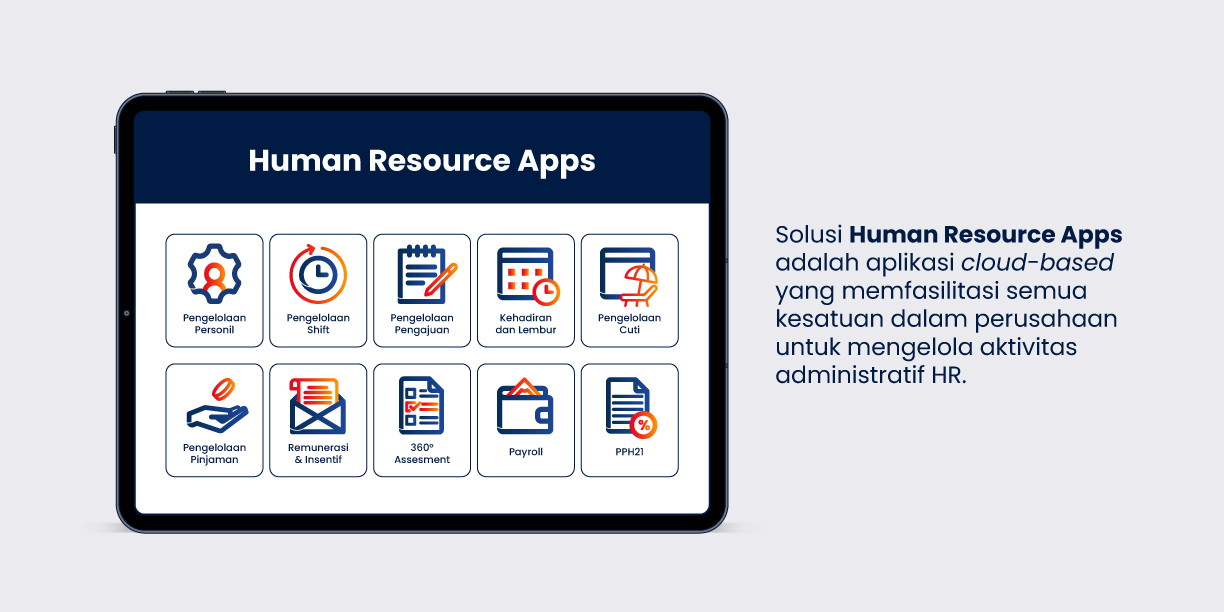
Investing in an HRIS system is no longer a luxury, but it’s a necessity for businesses aiming to stay agile, compliant, and competitive in the digital age. Telkomsel Enterprise offers Human Resource Apps, an end-to-end HR management solution that covers payroll, attendance tracking, performance analysis, and more. Powered by mobile-first technology, our system enables seamless digital transformation for HR operations.
Ready to elevate your HR strategy? Contact us today to learn how our Human Resource Apps can elevate your HR strategy and empower your workforce.