




Relying heavily on manual processes for warehouse activities often leads to various hurdles, ranging from inventory tracking errors to soaring operational costs that stifle overall productivity. Amidst these ongoing challenges, numerous companies are now shifting toward warehouse automation as a strategic move to elevate operational efficiency and precision.
This solution is strongly backed by cutting-edge technologies like the Internet of Things (IoT) and 5G networks, which accelerate digital transformation, ensuring seamless, reliable, and fully integrated warehouse management.
What Is Warehouse Automation?
Fundamentally, what is warehouse automation? Warehouse automation is the application of advanced technology and automated systems to manage various warehousing processes with minimal human intervention. It covers a wide range of warehouse activities, including receiving goods, storing inventory, picking products, packing orders, and shipping.
The primary goal is to boost operational efficiency, reduce human error, and accelerate the overall workflow within the facility. As digital technology continues to evolve, a modern warehouse automation system no longer relies solely on mechanical machines. It is now heavily supported by IoT and 5G networks, enabling data communication that is faster, more stable, and highly accurate.
Benefits of Implementing Warehouse Automation
Here are the key advantages companies gain from adopting these automated solutions:
-
Item identification and tracking become significantly more accurate, effectively minimizing human error.
-
Various processes run automatically and much faster, often completing tasks within minutes, which substantially boosts overall productivity.
-
Automated systems allow businesses to process orders more rapidly and scale operational capacity to match sudden market demand spikes.
-
It helps companies utilize storage space much more effectively.
-
Item placement can be optimized to maximize warehouse capacity without the need to expand the physical storage area.
-
It reduces reliance on manual labor, allowing human resources to be redirected toward higher value-added activities.
-
Workplace accident risks drop significantly, especially those caused by heavy lifting or manual equipment handling.
-
Technology-based monitoring enables much better oversight of assets and inventory levels.
Types of Warehouse Automation
There are various technological approaches to automation that can be tailored to a company's specific operational needs. These include:
1. Autonomous Mobile Robots (AMR)
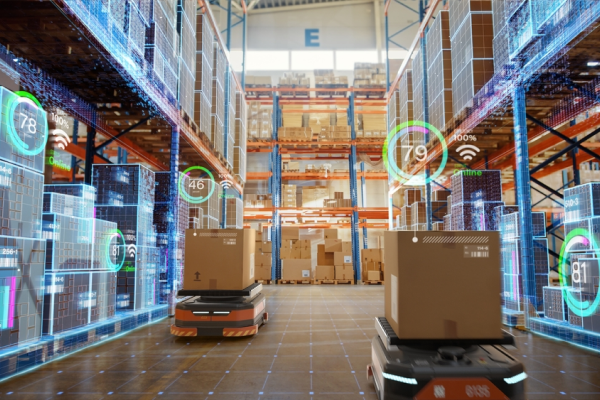
Autonomous Mobile Robots, or AMRs, are smart robots capable of moving independently across the warehouse floor using digital navigation systems and sensors. These robots transport products from one location to another without requiring direct human operators.
2. Automated Storage and Retrieval Systems (AS/RS)
AS/RS refers to systems that automatically store and retrieve items using specialized machinery or robots. This setup allows goods to be stored and fetched rapidly based on available inventory data. Utilizing AS/RS is highly effective for warehouses handling massive product volumes that demand strict accuracy.
3. Pick-to-Light dan Put-to-Light Systems
This technology uses light indicators to guide operators in finding the exact locations of items to be picked or placed. This method significantly speeds up the picking process while simultaneously reducing order fulfillment errors.
4. Conveyor and Sortation Systems
Conveyors and automatic sortation systems move goods between different warehouse zones without manual handling. This technology is widely adopted in distribution centers and e-commerce hubs because it efficiently handles high product volumes.
5. Sistem Manajemen Gudang (WMS)
A warehouse automation system like the Warehouse Management System (WMS) is a software solution designed to manage all warehousing activities, from inventory and receiving to shipping and reporting. The WMS acts as the central control hub, integrating various automation technologies to ensure they work in perfect sync.
Technologies Supporting Warehouse Automation
Successful warehouse automation depends on several interconnected technologies working together seamlessly.
Material Handling Robots
Material handling robots automate the internal transportation of goods throughout the warehouse. They improve operational efficiency while reducing product handling errors and manual labor requirements.
Automated Conveyor Systems
Automated conveyors transport products consistently between warehouse areas, increasing throughput and supporting high-volume distribution operations.
Automated Storage Systems
This storage tech optimizes warehouse capacity through highly structured and efficient location management.
Identification Technologies i
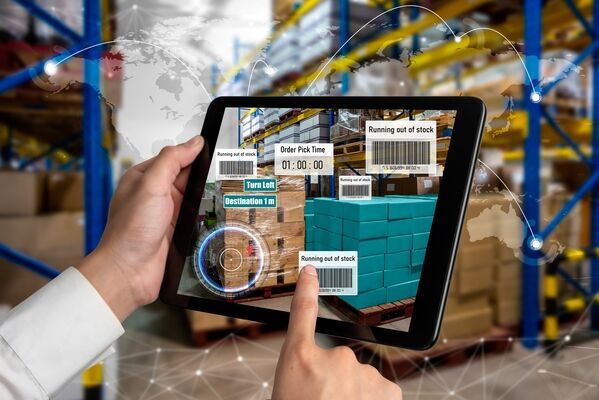
Tools like barcodes, QR codes, and RFID streamline real-time item identification and tracking. Inventory information updates automatically, greatly enhancing data accuracy.
Warehouse Management Software
This software serves as the central hub for data management and operational activities, helping companies monitor overall warehouse performance.
Inventory Control Systems (WMS)
Beyond just managing inventory, the WMS acts as a control system linking all automated processes. Simply put, the WMS ensures every task follows standard procedures and can be monitored in real time.
IoT (Internet of Things)
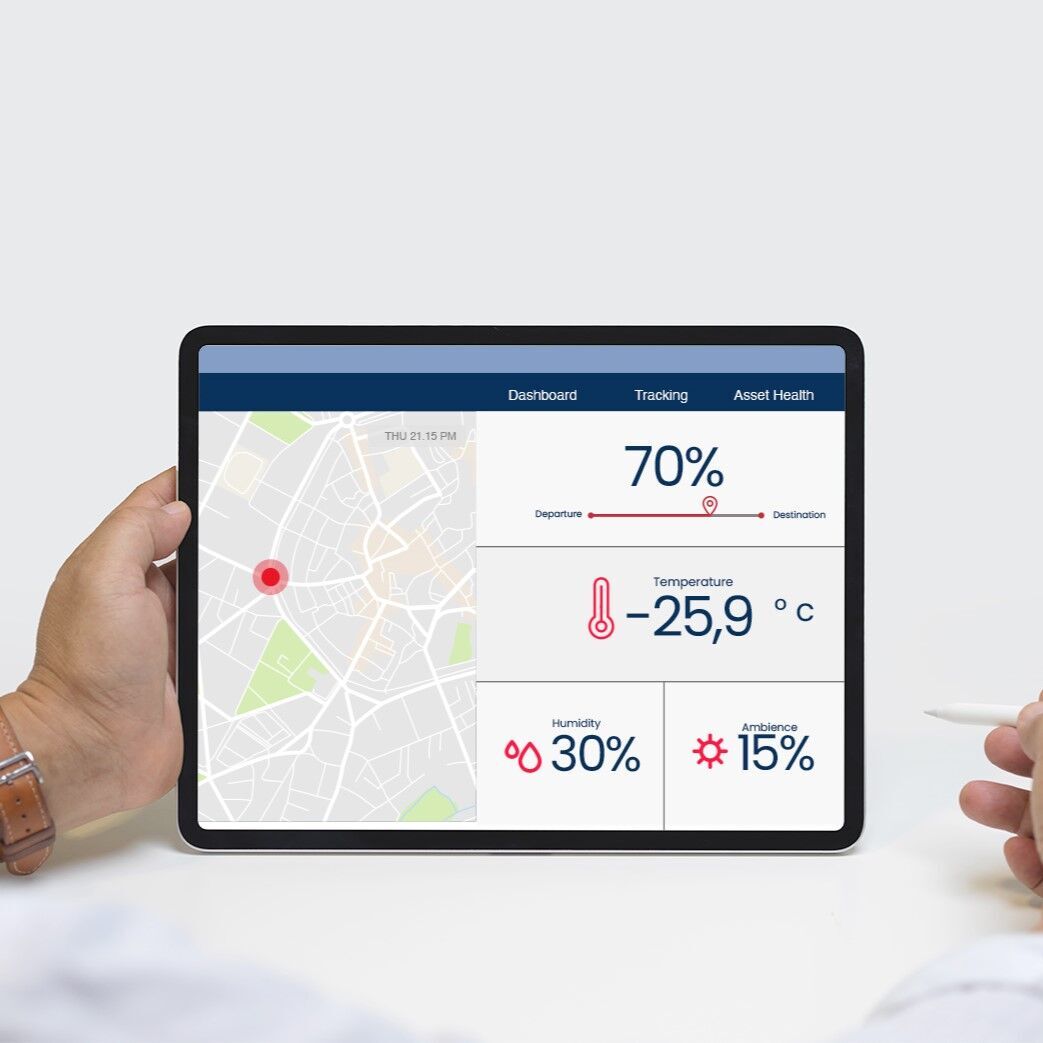
IoT is a cornerstone of modern automation. IoT sensors can be installed on storage racks, operational vehicles, and company assets to gather real-time data.
This data allows businesses to monitor inventory conditions, asset locations, storage temperatures, and operational performance with pinpoint accuracy. Supported by 5G networks, data transmission and processing become incredibly fast and stable.
Challenges of Implementing Warehouse Automation
While warehouse automation offers many benefits, implementing it can still be challenging. One common challenge is integrating modern automation technology with older systems that may not fully support digital warehouse operations. Careful planning is essential to ensure a smooth transition.
Businesses also need to consider factors such as implementation costs, employee training, data security, and digital infrastructure. Preparing these areas helps companies get the best results from their warehouse automation system.
Choosing the right technology partner is also an important part of a successful warehouse transformation. Telkomsel Enterprise's Smart Manufacturing Smart Warehouse solution helps businesses build a more connected, efficient, and reliable warehouse.
Powered by IoT and 5G technology, Smart Manufacturing Smart Warehouse provides real-time monitoring, accurate asset tracking, and seamless data integration. These features help businesses improve efficiency, speed up warehouse operations, and gain better control over daily activities.
With Telkomsel's reliable connectivity, all devices and systems stay connected without interruption, making warehouse operations faster, smoother, and more responsive.
Take the next step toward smarter warehouse operations with Smart Manufacturing Smart Warehouse from Telkomsel Enterprise and build a more efficient business that is ready for the future.
FAQ
Will warehouse automation completely replace human workers?
No. Warehouse automation is designed to automate repetitive and routine tasks, while human employees remain essential for supervision, decision-making, exception handling, quality assurance, and more complex operational activities.
How long does it usually take to achieve a return on investment (ROI)?
The average ROI period depends on the size of the implementation, operational complexity, and business objectives. In most cases, companies achieve ROI within one to five years. Higher efficiency gains typically lead to faster returns on investment.
Can small warehouses and SMEs implement warehouse automation?
Yes, small-scale warehouses and MSMEs can adopt these systems gradually, tailoring the implementation to their specific needs and budget.