


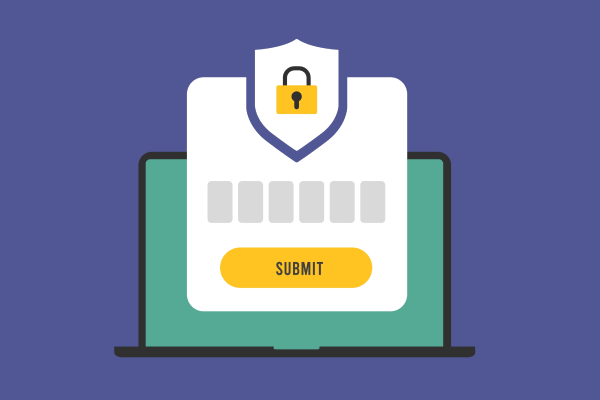


You’ve probably experienced this before, you try to log in to an account or complete an online transaction, and suddenly a message pops up with a 4–6-digit number. That’s a verification code, also known as a One-Time Password (OTP) and it plays a crucial role in keeping your personal and financial data safe.
But what exactly is a verification code, and why do we need them so often? Let’s dive into everything you need to know about verification codes, their importance, and how they help protect you from cyber threats.
What Is a Verification Code?
A verification code is a one-time use code that adds an extra layer of security to ensure that the person accessing an account or conducting a transaction is truly you and not someone else. These codes usually expire within a few minutes, so it’s essential to use them quickly before they become invalid.
Verification codes are typically required when logging into apps, connecting new devices, or performing financial transactions like withdrawing funds or updating account details. Since these codes are highly confidential, it’s critical that you never share them with anyone, including anyone claiming to represent the company that sent the code.
Despite being temporary, verification codes are highly sensitive. Sharing them with anyone, even someone who claims to be from your bank or service provider, can lead to serious security breaches. Always remember, legitimate companies will never ask for your OTP.
Why Are Verification Codes Important?
Once you understand that a verification code acts as a one-time, additional security layer, you might wonder ‘Why should we use verification codes?’
1. Prevents Unauthorized Access
The primary role of a verification code is to act as the first line of defense against hacking. If someone tries to log into your account without permission, they won’t be able to access it without the verification code sent to your phone number or email. Therefore, never share this code with anyone.
2. Reduces Risk of Account Takeovers
Even if someone manages to guess or steal your password, they still can’t get in without the verification code.
This dual authentication process significantly increases your account’s security. Of course, this is only true if you keep your verification code private and never share it with others.
3. Secures Online Transactions
If you regularly make online purchases or use banking apps, verification codes ensure that only you can authorize transactions. This not only prevents fraud but also builds trust in digital platforms.
4. Avoids Transaction Errors
Besides enhancing security, verification codes also act as a secondary confirmation step during transactions. For example, if you mistakenly input incorrect data, the verification code can prevent the transaction from going through, protecting you from costly errors.
Risks of Verification Code Misuse
While verification codes help mitigate the risk of hacking, they don’t eliminate it entirely. If you’re not careful, sharing your verification code could lead to an account breach. Here are some potential misuse scenarios to watch out for:
1. Suspicious Verification Code Requests
Have you ever received a notification that someone is trying to sign up for an account using your number? This can happen for two reasons: either someone made a typo or, more worryingly, someone may be trying to take over your account.
If this happens, don’t panic. As long as you haven’t shared the code with anyone, your account is still secure. However, if someone contacts you claiming to need the code for any reason, be cautious it’s likely an attempt at hacking.
2. Man-in-the-Middle (MitM) Attacks
Be extra cautious when using public Wi-Fi or unsecured networks. Hackers can infiltrate these networks and steal the verification codes sent to your device.
To protect yourself, avoid accessing sensitive accounts while on public Wi-Fi and ensure your device’s security systems are up to date.
3. Phishing Scams
Phishing scams have become increasingly sophisticated. Cybercriminals often impersonate legitimate organizations like banks or online platforms and send convincing messages asking for your verification code under the guise of confirming your identity or resolving suspicious activity. If you input the code they ask for, they’ll gain access to your account.
4. Deepfake and Social Engineering Risks
With advances in AI technology, cybercriminals can now create realistic fake videos or voice recordings to impersonate people you know. Be cautious of anyone, even someone who sounds like your boss or friend asking for your verification code.
Telco Verify by Telkomsel Enterprise: A Smarter, Safer Option
While verification codes are crucial for security, the process can sometimes feel inconvenient. Telco Verify, a seamless authentication solution from Telkomsel Enterprise, makes this process easier and faster.
Telco Verify offers robust security without compromising user convenience. It makes login and verification processes up to 70% faster than traditional security systems. Additionally, businesses can save up to 40% on authentication costs. The solution’s Two-Factor Authentication (2FA) rate reaches up to 90% success.
By eliminating the need for traditional OTP codes, Telco Verify offers enhanced protection for both users and businesses, without the hassle of cumbersome processes. So, are you ready to ditch the traditional verification codes for a more secure and efficient solution?
Contact us for more information.