


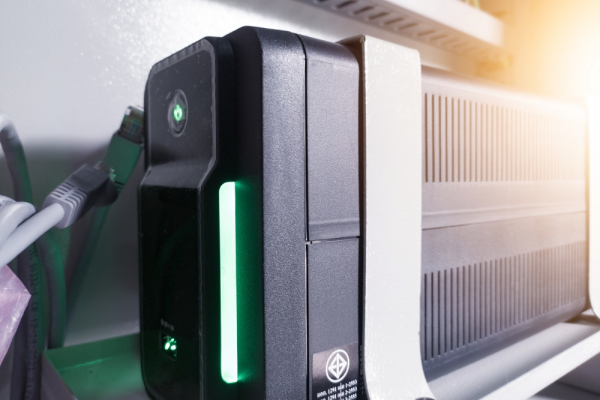


Sudden electrical disruptions can halt business operations instantly, triggering unexpected system shutdowns and jeopardizing critical data. To safeguard against these vulnerabilities, enterprises increasingly deploy an uninterruptible power supply as a reliable backup mechanism, ensuring essential hardware remains operational during main grid failures.
Yet, deployment rarely runs flawlessly, fresh challenges often emerge once the system is live. What obstacles should teams anticipate, and how can you maximize performance? Discover the answers ahead.
What Is an Uninterruptible Power Supply (UPS)?
An uninterruptible power supply is a specialized electrical apparatus engineered to deliver instantaneous backup power whenever the primary grid experiences fluctuations or complete failure. The moment a blackout strikes, the unit seamlessly assumes power delivery via its internal battery reserves.
This transition occurs in mere milliseconds, guaranteeing that critical infrastructure like servers, workstations, and networking gear stays fully operational without interruption. To fully grasp the engineering behind these systems, it is essential to understand exactly how does an uninterruptible power supply work, as its rapid switching architecture acts as a vital bridge between grid instability and seamless business continuity.
Function of an Uninterruptible Power Supply
Most people only recognize a UPS as a backup battery system. In reality, the Function of an uninterruptible power supply goes far beyond providing emergency electricity. Below are some of its most important functions.
1. Providing Backup Power During Outages
The primary role of a UPS is to deliver temporary power when the main electricity supply fails. This allows businesses to continue operating for a limited period, giving teams enough time to save important files, safely shut down systems, or activate generators.
Without a UPS, sudden blackouts can instantly stop business activities and potentially damage running applications or hardware.
2. Protecting Equipment from Voltage Surges
Power disturbances come in many forms, and one of the most dangerous is voltage spikes or surges. These sudden increases in electrical voltage can damage sensitive electronic equipment.
A UPS helps stabilize incoming voltage, so devices only receive electricity within safe operating limits. This protection is especially important for servers, networking systems, medical equipment, and industrial machinery.
3. Supporting More Efficient Power Management
Modern UPS systems are equipped with intelligent power management features that optimize battery usage and improve operational efficiency. These capabilities help extend battery lifespan while reducing unnecessary energy consumption.
Businesses that understand how to use uninterruptible power supply system effectively can improve both energy efficiency and equipment reliability at the same time.
4. Maintaining Stable System Operations
Business systems are expected to remain operational regardless of external disruptions. Even a brief interruption can create significant operational and financial consequences.
With a UPS in place, companies can maintain stable operations during unexpected electrical disturbances. This ensures critical systems continue running while minimizing downtime risks.
Benefits of Using a UPS in Various Business Sectors
Business operations may continue normally without a UPS, at least until a power failure occurs. However, once electrical disruptions happen, the absence of backup power can quickly create major losses.
Here are some key benefits of using a UPS in various business sectors.
1. Preventing Critical Data Loss
Data is one of the most valuable assets for modern businesses. Unfortunately, sudden power interruptions can corrupt or erase important information instantly.
A UPS provides valuable time for employees and systems to save data safely before devices shut down completely. Without backup power protection, even a short outage could eliminate hours of work.
2. Protecting Sensitive Electronic Equipment
Servers, communication systems, and networking devices are highly vulnerable to unstable electrical currents. UPS systems help maintain consistent voltage levels, reducing wear and tear caused by fluctuating electricity.
As a result, businesses can extend the lifespan of expensive equipment and reduce maintenance costs.
3. Reducing Downtime Risks
When electricity fails and systems shut down unexpectedly, business operations stop immediately. Customers may not receive service, manufacturing processes can be delayed, and employees are forced to wait until systems recover.
A UPS allows critical systems to remain operational temporarily, significantly reducing the impact of unexpected outages.
4. Improving Long-Term Cost Efficiency
At first glance, investing in a UPS may seem like an additional operational expense. However, over the long term, it can actually reduce overall business costs.
Without adequate backup power protection, organizations may face expensive equipment repairs, repeated downtime incidents, lost productivity, and interrupted services. A UPS helps minimize these risks while improving operational continuity.
Types of UPS
Although the basic purpose of every UPS system is similar, not all UPS technologies offer the same capabilities. Understanding the different types of UPS technology is essential before selecting the right solution.
1. Offline UPS (Standby UPS)
This is the simplest and most affordable UPS type available. Standby UPS systems are commonly used for basic backup power needs and only activate when a power outage occurs.
Their main advantages include lower cost and simple installation. However, they are less suitable for environments that require continuous power stability or support highly sensitive equipment.
2. Line-Interactive UPS
Line-interactive UPS systems include automatic voltage regulation features that help stabilize fluctuating electrical currents.
This technology is ideal for offices and businesses operating in areas with unstable power conditions. It offers better protection than standby UPS systems while maintaining reasonable efficiency.
3. Online UPS (Double Conversion UPS)
Online UPS systems are considered the most advanced UPS technology currently available. These systems continuously process incoming electricity through a double-conversion mechanism before supplying power to connected devices.
As a result, equipment receives stable and clean electricity at all times. Online UPS solutions are commonly used in data centers, healthcare facilities, financial institutions, and private cloud infrastructure environments where uninterrupted power is critical.
When UPS Failure Happens at the Worst Possible Time
Many businesses only realize the importance of UPS monitoring after experiencing a costly incident. Unfortunately, these problems often occur because companies fail to fully understand how does an uninterruptible power supply work and neglect routine performance monitoring.
Without proper oversight, small issues such as declining battery capacity, overheating, or unstable voltage conditions can go unnoticed until they develop into major disruptions.
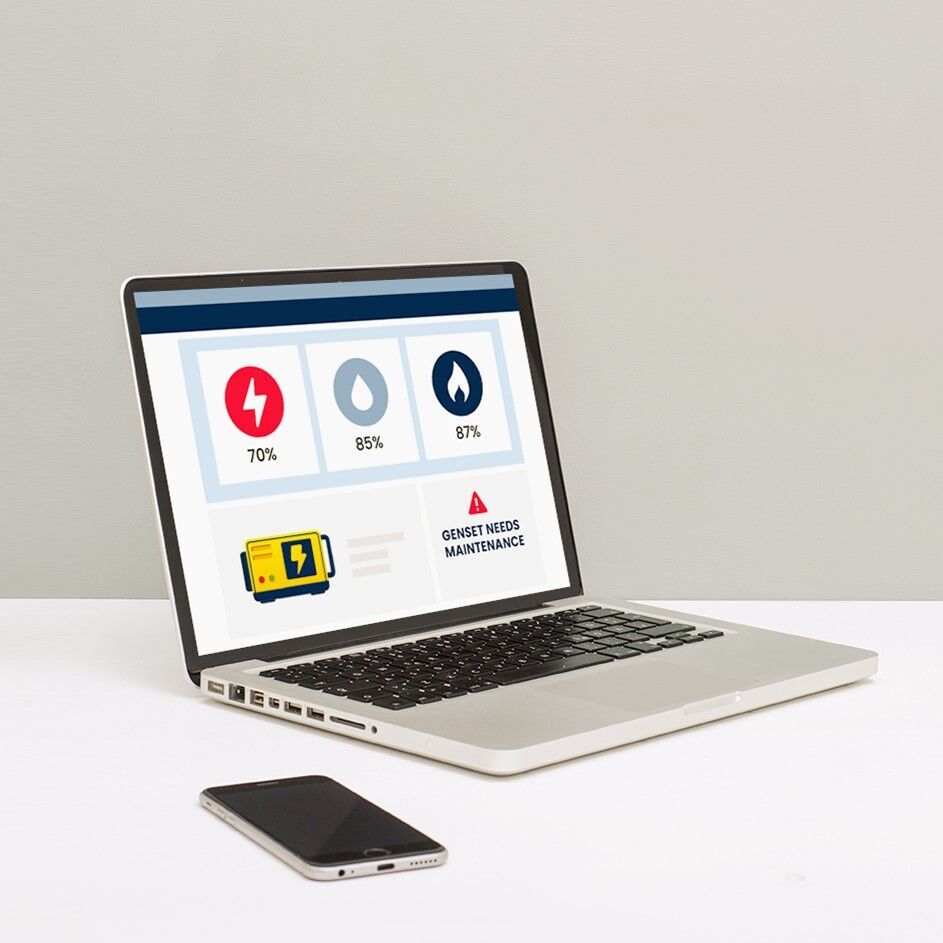
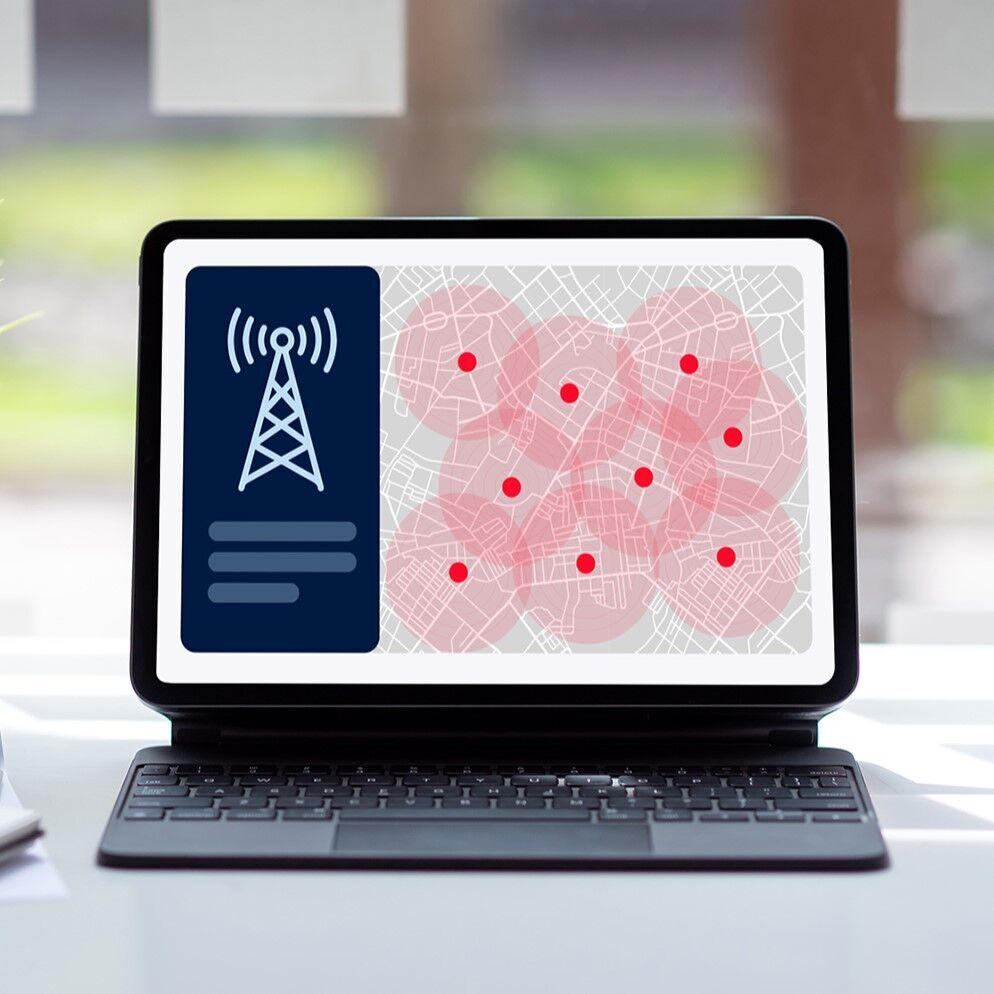
Through solutions like IoT Envion from Telkomsel Enterprise, businesses can perform Monitoring an uninterruptible power supply in real time, gain accurate operational insights, and make faster decisions before risks escalate into serious system failures. Comprehensive visibility and remote monitoring capabilities help ensure UPS systems remain fully operational whenever they are needed most.
Do not wait for a crisis to expose vulnerabilities. Elevate your infrastructure resilience today by optimizing your power management strategy with IoT Envion, and ensure your business operates without interruption. Consult with Telkomsel Enterprise experts to deploy a tailored solution that aligns perfectly with your operational goals.