





Effective business communication isn’t just a support function, but it’s the backbone of any successful organization. It ensures that information flows smoothly between teams, decisions are clearly understood, and everyone moves in the same direction.
From improving employee engagement to building stronger customer relationships, strong communication can elevate every part of your business. In this article, let's explore the core concept of business communication, why it’s essential, and dive into six key types that every modern company should master.
What Is Business Communication?
Business communication is the process of sharing information, ideas, and messages within and outside a business to ensure operations run smoothly and objectives are achieved. This communication involves employees, customers, stakeholders, and partners, and can occur through verbal, written, or digital channels.
Unlike casual conversation, business communication is goal-oriented and structured. It ensures clarity, minimizes misunderstandings, and supports decision-making across all levels of an organization. Whether it's a formal report, an email update, a team meeting, or a social media post, every interaction contributes to the overall effectiveness of a business.
Effective business communication has become more crucial than ever, influencing everything from internal collaboration to brand reputation and customer satisfaction.
What Is the Purpose of Business Communication?
The purpose of business communication goes beyond exchanging information, but it’s essential for building trust, encouraging collaboration, and driving business growth. Here's how:
1. Persuading the Audience
One main goal is persuasion, convincing employees, customers, or partners to take specific actions, such as purchasing a product, approving a proposal, or joining a program. In marketing, persuasive communication helps businesses stand out by telling compelling stories or using facts and data to win customer trust.
2. Delivering Key Information
One of the most basic yet essential purposes of business communication is to share relevant and timely information.
This could involve announcing company policies, sharing project updates, or providing training materials. Accurate information helps everyone stay aligned and reduces confusion or errors.
3. Building Engagement
Effective communication fosters stronger relationships between the company and its audience, whether that’s customers, employees, or investors.
Integration through communication means understanding needs, addressing concerns, and building trust. This is especially important in maintaining customer loyalty and cultivating a positive workplace culture.
4. Enabling Collaboration
Teamwork thrives on good communication. When individuals and departments communicate clearly, they can coordinate tasks, solve problems, and innovate together. Open lines of communication also encourage feedback, which is critical for continuous improvement and employee engagement.
Why Communication Is Important in Business
Strong business communication is essential for every company’s success. Without it, information gets lost, mistakes happen, and relationships suffer. Here's why communication matters:
-
Reduces unnecessary or duplicate communication
-
Boosts employee efficiency and morale
-
Improves communication with remote employees
-
Encourages knowledge sharing
-
Builds a more positive workplace culture
-
Enhances company performance and reputation
-
Increases employee engagement
-
Solves productivity issues
-
Strengthens interdepartmental cooperation
-
Reduces employee turnover
-
Improves customer satisfaction and loyalty
-
Helps shape the company’s public image
6 Types of Business Communication
There are six major types of business communication that every organization should understand. Each plays a unique role in keeping operations smooth and relationships strong.
1. Internal Communication
This refers to the flow of information within a company, from management to staff or between teams. It helps everyone stay on the same page regarding goals, values, policies, and daily updates. Internal communication takes place through emails, team meetings, internal newsletters, or office boards.
2. External Communication
This type involves interactions with customers, vendors, media, and the public. Its purpose is to promote the brand, maintain public relations, and support business partnerships. Examples include press releases, customer service communication, advertisements, and social media content.
3. Horizontal Communication
Also known as lateral communication, this occurs between colleagues or teams on the same organizational level. It's essential for cross-functional collaboration, brainstorming sessions, and smooth project execution.
4. Vertical Communication
This happens between different levels of the organizational hierarchy. It includes top-down communication, between managers to employees and bottom-up communication, between employees to supervisors. It helps enforce decisions, share feedback, and keep teams informed.
5. Top-Down Communication
A specific form of vertical communication where managers or leaders guide subordinates with instructions, performance feedback, or motivational messages. Examples include staff briefings, task assignments, and one-on-one evaluations.
6. Bottom-Up Communication
Here, employees communicate upwards to share updates, suggestions, or concerns. It's vital for collecting honest feedback and understanding workplace challenges. Examples include progress reports, presentations, and requests for support.
Key Factors That Influence Business Communication
Several elements can influence how effective business communication is. Understanding these factors helps ensure clarity and mutual understanding:
1. Perception
How individuals interpret messages depends on their background, experience, and mindset. A message perceived as constructive by one person might be seen as criticism by another.
2. Relevance (Being on Point)
Being “on point” is crucial. Messages should be concise and directly address the core topic. This saves time and ensures better comprehension, especially in fast-paced business settings.
3. Technology Efficiency
The right digital tools like email, chat apps, and collaboration software, streamline communication. But technical issues or unfamiliar platforms can become barriers.
4. Communication Fit
Matching your tone and style to your audience enhances understanding. For example, technical jargon may confuse non-experts, while overly simple language might frustrate seasoned professionals.
5. Trust
When there's mutual trust, people are more open to receiving and acting on information. Trust encourages honest feedback and collaborative problem-solving. Without it, employees may hesitate to speak up, share ideas, or report problems.
Business communication is not just about sending messages, but it’s about ensuring those messages are received, understood, and acted upon effectively. By understanding the various types, purposes, and factors influencing communication, businesses can improve internal dynamics, enhance customer relations, and ultimately drive success.
Whether you're managing a team, pitching to clients, or updating your board of directors, mastering the art of business communication is a powerful tool in today’s competitive landscape.
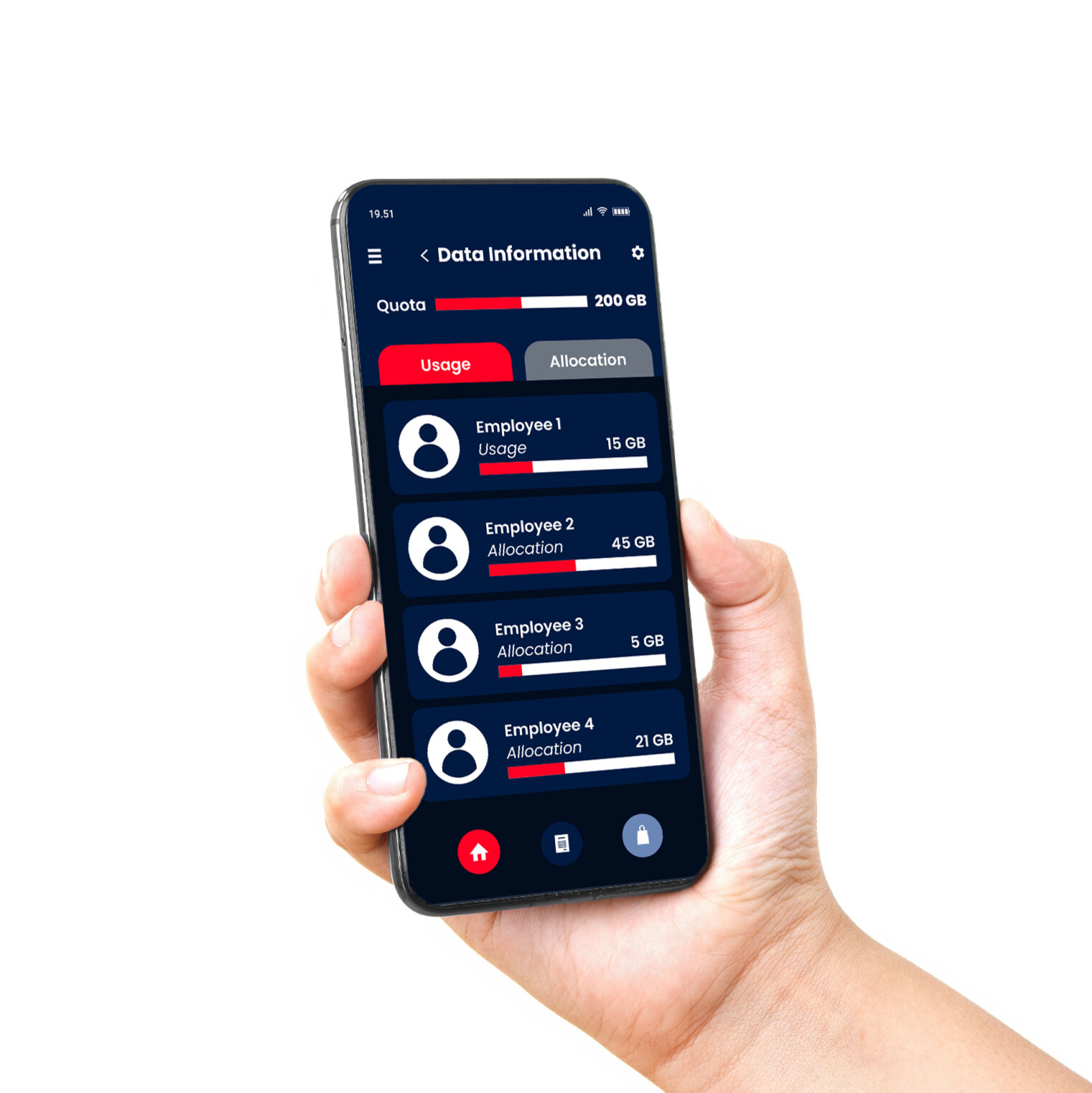
If you’re looking to improve your business communication, Telkomsel Enterprise offers Team Plan, designed to support efficient collaboration. With shared data packages and free team calls, Team Plan ensures seamless communication across your organization.
Contact us to learn more.