





Delivering high-quality products alone is no longer enough to win the modern business race. Sourcing raw materials, manufacturing, warehousing, and distribution must be handled seamlessly through supply chain management (SCM). This comprehensive approach ensures smooth operations, controlled costs, and sustained customer satisfaction.
But how do you implement an effective strategy that drives real growth? Let us explore the definition, core benefits, and proven optimization tactics below.
Apa itu Supply Chain Management (SCM)?
Supply chain management is the active process of overseeing the complete flow of goods, data, and activities, from raw material sourcing and manufacturing to warehousing, distribution, and final delivery to the end consumer.
SCM goes far beyond simply moving boxes. It requires tight coordination among all parties involved, including suppliers, manufacturers, logistics providers, and retail partners. The primary goal is to ensure every step operates efficiently, allowing the company to meet consumer demand at the lowest possible cost. Proper coordination minimizes production delays, prevents stockouts or overstocking, and boosts overall productivity.
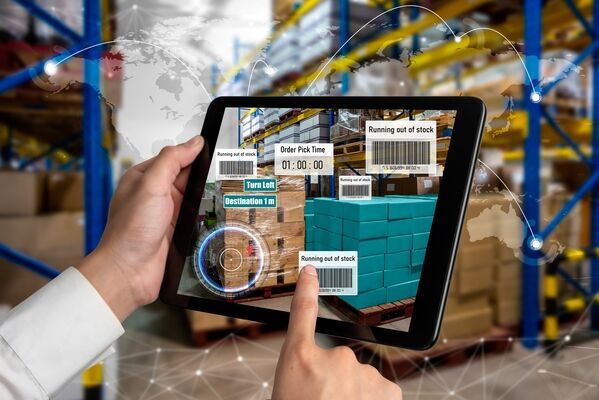
Gone are the days of manual tracking. Today, supply chain management relies heavily on digital transformation. Companies leverage IoT, Artificial Intelligence (AI), cloud computing, big data analytics, and Enterprise Resource Planning (ERP) systems to gain real-time visibility. This digital shift empowers leaders to make accurate, data-driven decisions, keep operations agile, and adaptive to sudden market shifts.
Why is Supply Chain Management Important for Business?
Here are the critical reasons why supply chain management is a non-negotiable pillar of modern business success:
1. Stable Customer Service
SCM guarantees product availability, accelerates order fulfillment, and drastically reduces delivery delays. When the supply chain flows smoothly, customers enjoy a positive experience, receiving what they need exactly when they need it. This consistency builds deep brand loyalty and strengthens your market reputation.
2. Balancing Inventory and Cash Flow
Holding too much inventory increases storage costs and ties up working capital. On the other hand, insufficient inventory can lead to stockouts and missed sales opportunities.
Supply chain management enables businesses to optimize inventory levels using demand forecasts, sales trends, and production capacity. As a result, companies can allocate capital more efficiently while maintaining reliable product availability.
3. Boosting Overall Cost Efficiency
SCM helps identify inefficiencies throughout procurement, manufacturing, warehousing, transportation, and distribution. By improving planning and coordination, businesses can eliminate unnecessary expenses while maintaining product quality and customer service standards.
4. Enhancing Agility and Responsiveness
Companies with responsive supply chains can quickly adjust production schedules, sourcing strategies, and distribution plans.
This flexibility allows businesses to respond faster to changing customer preferences, fluctuating demand, and unexpected market conditions, creating a significant competitive advantage.
5. Increasing Resilience
Supply chain disruptions can occur for many reasons, including natural disasters, geopolitical conflicts, rising raw material costs, supplier issues, and transportation delays.
An effective supply chain management strategy includes risk mitigation measures such as supplier diversification, real-time inventory monitoring, and contingency planning, allowing businesses to continue operating even during unexpected disruptions.
6. Supporting Operational Sustainability
Modern businesses are placing greater emphasis on sustainability throughout their supply chains. Supply chain management supports these efforts by improving resource utilization, optimizing transportation routes to reduce carbon emissions, and implementing better waste management practices.
Components of Supply Chain Management
Successful supply chain management depends on several interconnected components that work together throughout the product lifecycle.
Planning
Planning is the foundation of every supply chain strategy. It includes demand forecasting, production planning, inventory management, capacity planning, and distribution scheduling to ensure businesses can meet customer demand efficiently.
Sourcing
This stage focuses on selecting suppliers, negotiating contracts, maintaining raw material quality, and coordinating delivery schedules. Strong supplier relationships are essential because they directly affect production continuity and product quality.
Manufacturing
Manufacturing transforms raw materials into finished products while maintaining established quality standards. Companies must optimize machinery, workforce, materials, and production processes to maximize efficiency and control production costs.
Distribution
Distribution covers warehousing, packaging, transportation, shipping, and final product delivery. Efficient distribution management helps shorten delivery times, reduce logistics costs, and ensure products arrive safely and on schedule.
After Sales Service
Supply chain management continues even after products reach customers. Warranty services, returns, complaint handling, maintenance support, and spare parts availability all contribute to customer satisfaction and long-term business success.
Benefits of Supply Chain Management to Improve Operational Efficiency
There are many benefits of supply chain management for businesses, especially companies seeking greater operational efficiency and long-term growth.
Cost Efficiency in Operations
Supply chain management helps businesses reduce unnecessary operating costs by optimizing every stage of the supply chain, from raw material sourcing and inventory management to production and distribution. By integrating processes across departments, companies can also eliminate redundant tasks, streamline workflows, and improve overall operational efficiency.
Business Agility
Today's business landscape is constantly evolving due to rapid technological advancements, changing consumer behavior, and shifting global economic conditions. Supply chain management enables businesses to quickly adapt their production capacity, distribution strategies, and sourcing plans in response to market changes.
This flexibility allows companies to respond more effectively to demand spikes, emerging trends, and supply disruptions while maintaining consistent service quality.
Improved Customer Satisfaction
Customers expect products to be available when they need them and delivered quickly and accurately. Effective supply chain management helps ensure these expectations are met consistently throughout the fulfillment process.
When customers have a positive experience, they are more likely to make repeat purchases. Over time, this not only builds customer loyalty but also strengthens your company's brand reputation.
Challenges of Implementing Supply Chain Management
While supply chain management offers significant benefits, implementing it successfully comes with several challenges that businesses must overcome, including:
1. Collaboration Across Partner
A supply chain typically involves multiple stakeholders, each with different systems, processes, and objectives. Without effective coordination, businesses may face communication delays, shipping errors, and inventory mismatches. Establishing transparent communication and integrated collaboration with suppliers, distributors, and other partners is essential for keeping operations running smoothly.
2. Digital Transformation
Adopting digital technologies often requires considerable investment in both technology infrastructure and employee development. Integrating legacy systems with modern digital solutions can also be a complex process.
Despite these challenges, digital transformation delivers long-term value by improving operational efficiency, enhancing data accuracy, and enabling faster, data-driven decision-making.
3. Distribution Complexity
As businesses expand into new markets, managing distribution becomes increasingly complex. Companies must coordinate warehouse capacity, transportation methods, infrastructure limitations, and delivery schedules to ensure products reach customers on time. Without an integrated logistics system, these complexities can drive up costs and negatively impact customer service.
4. Demand Volatility
Customer demand can change rapidly due to seasonal fluctuations, market trends, promotional campaigns, or broader economic conditions. Without accurate demand forecasting, businesses risk either overstocking inventory or running out of products when customers need them most.
5. Risk Management and Supply Chain Resilience
Gangguan rantai pasok dapat terjadi kapan saja. Karena itu, perusahaan Anda perlu memiliki strategi manajemen risiko yang mencakup diversifikasi pemasok, pemantauan real-time, hingga penyusunan rencana pemulihan operasional agar bisnis tetap berjalan.
6. Sustainability dan Reverse Flow
Supply chain disruptions can occur at any time, whether caused by supplier issues, transportation delays, or unexpected global events. To remain resilient, businesses need comprehensive risk management strategies, including supplier diversification, real-time monitoring, and contingency plans that keep operations running even during disruptions.
Optimizing Supply Chain Management Through Digitalization
Digital transformation is one of the most effective ways to improve supply chain performance. By leveraging digital technologies, businesses gain real-time visibility into their operations, increase transparency, and make faster, more informed decisions.
Without accurate, up-to-date information, it can be difficult to track inventory levels, monitor shipments, or oversee warehouse operations efficiently. To address these challenges, Telkomsel Enterprise offers its Smart Manufacturing Smart Warehouse solution.
Smart Manufacturing Smart Warehouse provides end-to-end visibility across your supply chain by enabling real-time monitoring of inventory, assets, warehouse activities, and the movement of goods. This enhanced visibility allows businesses to make faster, data-driven decisions while improving operational transparency.
The solution also helps reduce human error, speed up order fulfillment, maximize warehouse utilization, and improve distribution efficiency. In addition, digitalization enables greater automation across day-to-day operations, allowing your teams to spend less time on manual administrative tasks and more time driving strategic business growth.
Looking to build a smarter, more efficient, and data-driven supply chain? Smart Manufacturing Smart Warehouse from Telkomsel Enterprise provides the integrated technology you need to optimize supply chain management, improve operational productivity, streamline distribution, and support sustainable business growth.
FAQ:
What is Supply Chain Management?
Supply Chain Management (SCM) is the process of managing the flow of goods, information, and resources from raw material sourcing to final product delivery. Its goal is to ensure every stage of the supply chain operates efficiently, seamlessly, and on schedule.
What is the primary function of Supply Chain Management?
The primary function of supply chain management is to coordinate procurement, production, storage, and distribution activities so products reach customers efficiently and on time. It also helps businesses improve operational performance while reducing costs across the supply chain.
What is the difference between Supply Chain Management and Logistics?
Logistics focuses on the storage and transportation of goods, while supply chain management covers the entire supply chain, from suppliers to end customers. In other words, logistics is one component of the broader supply chain management process.
Why is Supply Chain Management important for businesses?
Supply chain management is essential because it helps businesses improve operational efficiency, optimize inventory, and ensure smooth distribution. A well-managed supply chain also enhances customer satisfaction, strengthens competitiveness, and supports long-term business growth.