



Mining has long promised high returns, but not without risks. From dangerous working conditions and soaring operational costs to increasing pressure around environmental impact, the mining industry today faces more challenges than ever before.
To stay competitive, safe, and compliant, mining companies need more than conventional methods, they need smart mining. But what exactly is smart mining, and why is it becoming the new standard across the global mining sector?
What Is Smart Mining?
Smart mining is a revolutionary approach to managing mining operations by harnessing digital technology. In the past, mining was synonymous with intense physical labor, manual processes, and high risks. Today, digital technology reshapes the entire industry through a data-driven approach.
Simply put, smart mining means applying modern technology to make mining operations more efficient, safer, and sustainable. Technologies such as the Internet of Things (IoT), big data analytics, cloud computing, and automation form the backbone of this transformation.
For example, using various sensors, raw data collected from the field turns into valuable information that supports smarter decision-making.
Smart mining goes beyond advanced technology. It demands a new way of thinking. The mining industry must shift from a traditional focus on output to a mindset that prioritizes safety, sustainability, and resource optimization.
What Is the Advantage of Smart Mining?
The benefits of adopting smart mining are tangible and measurable. Here are some of the most significant advantages:
1. Stronger Worker Safety
Smart mining automates many processes, keeping workers away from dangerous zones. Real-time monitoring systems detect potential hazards like collapses, toxic gases, or fire signs early. This proactive detection reduces risks before accidents occur.
2. Lower Operational Costs
Smart mining minimizes equipment failures through predictive maintenance. Sensors alert operators before machinery breaks down, avoiding costly downtime and unplanned repairs. Fuel efficiency and resource allocation are also optimized, cutting waste across the board.
3. Enhanced Data Security
In the digital age, company data is a strategic asset. With smart mining, cybersecurity frameworks are embedded into systems, ensuring only authorized personnel access sensitive data. From encrypted networks to regular monitoring, digital safety is a top priority.
4. Efficient Resource Management
Mining operations require massive energy and water inputs. Smart mining uses data analytics to fine-tune resource usage. This not only reduces environmental impact but also leads to significant cost savings over time.
5. Faster, More Accurate Exploration
Exploration, once a lengthy process, speeds up digital technology. Geologists can analyze vast amounts of data quickly, making exploration more targeted and resource efficient.
6. Stronger Environmental Compliance
Smart mining helps monitor environmental impacts in real time. Companies can stay ahead of regulatory demands and conduct post-mining land rehabilitation more effectively.
7. Real-Time Asset Tracking
Digital systems monitor the condition of mining assets around the clock. Alerts are triggered at the first sign of wear or failure. As a result, maintenance becomes more proactive than reactive.
Key Technologies in Smart Mining
Smart mining is made possible by several interconnected technologies that form a unified ecosystem. These components work together to optimize operations across the mining value chain.
1. IoT (Internet of Things)
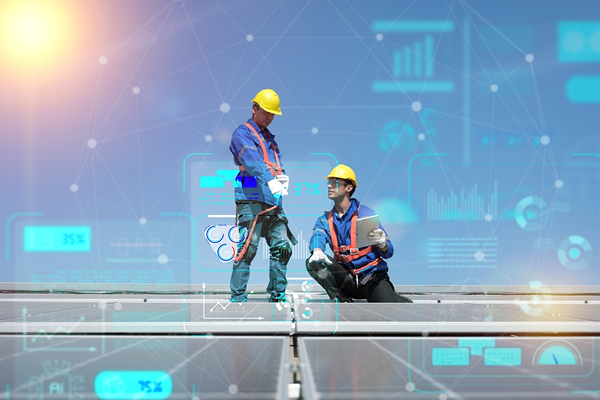
IoT sensors are the foundation of smart mining. They capture real-time data on machine performance, environmental conditions, and safety risks. With smart mining IoT applications, teams gain instant visibility into the mine site, from equipment health to air quality.
2. Artificial Intelligence (AI)
AI turns raw data into actionable intelligence. It spots patterns, forecasts failures, and supports strategic decisions. For instance, AI can predict when a drill will need servicing or how to reroute operations for maximum efficiency.
3. Cloud Computing
Mining operations generate vast volumes of data. Cloud platforms ensure this data is stored securely, accessed easily, and shared across departments in real-time. The cloud supports collaboration, even for teams working across continents.
4. Reliable Connectivity
Without strong, stable connectivity, smart mining falls apart. Technologies like 5G or satellite communications ensure data from remote sites reaches decision-makers instantly enabling seamless operations with minimal delay.
5. Data Platforms
These platforms consolidate input from sensors, machines, and monitoring systems into clear, actionable dashboards. Decision-makers get real-time insights that guide production, safety, and resource planning.
6. Cybersecurity
As mining becomes more digitized, protecting against cyber threats is crucial. Smart mining systems use advanced encryption, multi-layer authentication, and continuous monitoring to safeguard sensitive operational data.
How to Implement Smart Mining in Your Operation
Transitioning to smart mining requires strategic planning, investment in the right technologies, and a shift in operational mindset. Here’s how mining companies can start:
1. Enable Real-Time Monitoring
Using sensor-based and IoT monitoring systems, you can track the condition of heavy equipment, the work environment, and mining productivity in real time. This data helps detect potential problems early, preventing downtime, and boosting overall efficiency.
2. Upgrade Fleet Management
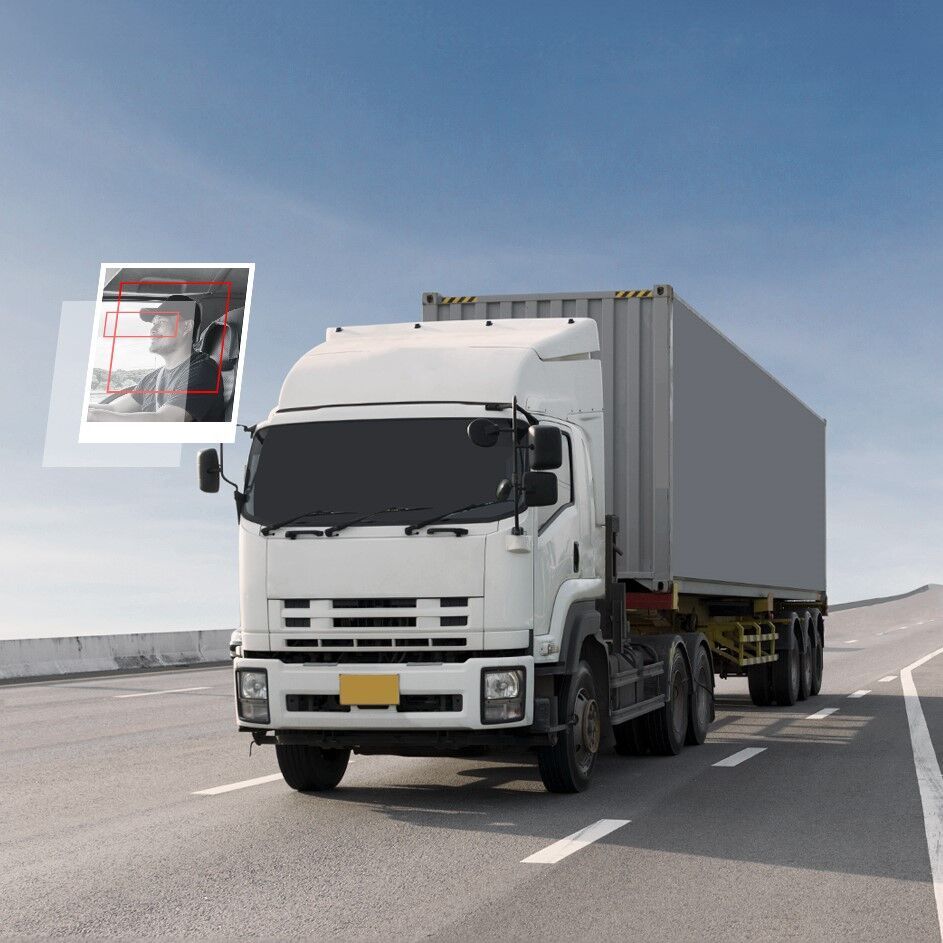
Mining vehicles are vital assets. Smart mining enables smarter fleet management by tracking vehicle locations in real time, optimizing routes, and scheduling maintenance predictively. This reduces fuel consumption and extends vehicle lifespan.
3. Boost Workplace Safety
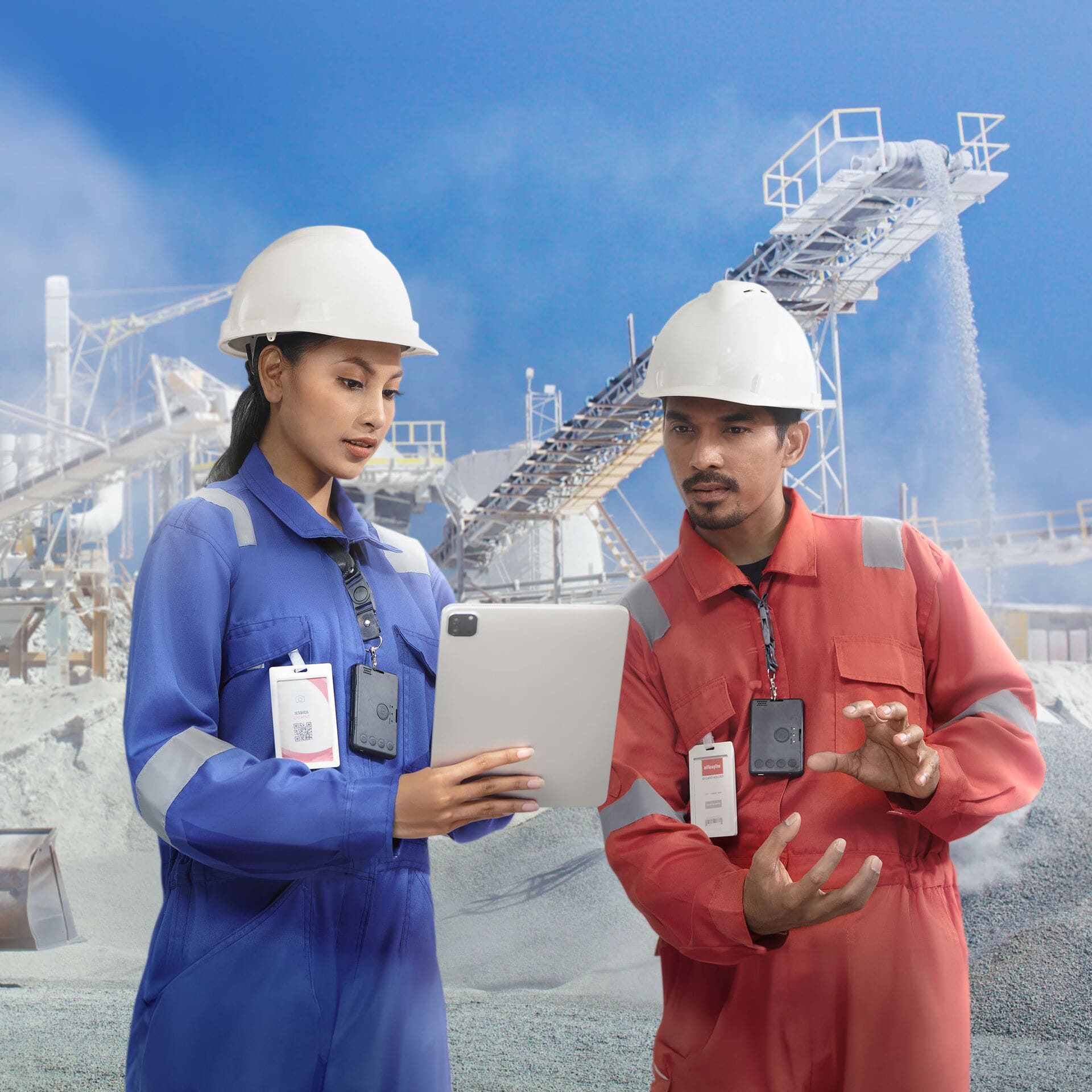
Worker safety is a top priority. AI and data analytics in smart mining systems identify hazards early. Wearable devices like smart vests or helmets monitor workers’ vital signs, lowering accident risks and strengthening safety culture on site.
4. Leverage Data Analytics
Modern mines generate massive amounts of data. Advanced analytics platforms process this data into insights that improve efficiency, cut costs, and speed up mineral exploration. Predictive analytics also help companies plan their future more accurately.
5. Build Eco-Friendly Infrastructure
Smart mining aligns with sustainable practices. Implement renewable energy sources like solar panels or wind turbines and use water management systems that reduce waste. These steps support compliance and preserve your social license to operate.
What Happens If Companies Ignore Smart Mining?
Despite its clear benefits, some mining companies still hesitate to implement smart mining. Whether due to lack of awareness or other reasons, delaying smart mining adoption carries significant risks that far outweigh the investment.
1. Losing Competitive Edge
Mining companies relying on conventional methods of risk losing ground. Competitors using smart mining operate more efficiently, safely, and productively. Without transformation, companies struggle to stay competitive, attract investors, or maintain their market position.
2. Rising Operational Costs
Without real-time monitoring and predictive technology, small operational issues can escalate into costly breakdowns. Uncontrolled fuel consumption, delayed maintenance, and frequent downtime cause operational expenses to soar, squeezing profit margins.
3. Heightened Safety Risks
Worker safety is non-negotiable. Companies that don’t adopt smart mining miss early hazard detection, exposing workers to greater accident risks. Beyond threatening lives, this can lead to legal consequences, fines, and costly compensation claims.
4. Damaged Reputation
Information spread fast today. Any accident or operational failure can quickly become public knowledge. Mining companies perceived as neglecting safety and environmental technology lose trust from communities, partners, and regulators. A damaged reputation affects not only the company's image but also future business opportunities.
5. Falling Behind on Sustainability
Environmental concerns have global attention. Companies avoiding smart mining face criticism for wasting energy, inefficient water use, and heavy reliance on fossil fuels. These issues can jeopardize operating permits and reduce stakeholder support.
Embracing the Future with Smart Mining IoT
The mining industry can no longer rely on outdated methods. Rising safety risks, soaring operational costs, and growing environmental pressures demand a smarter approach. Smart mining offers a comprehensive solution that meets these challenges head-on.
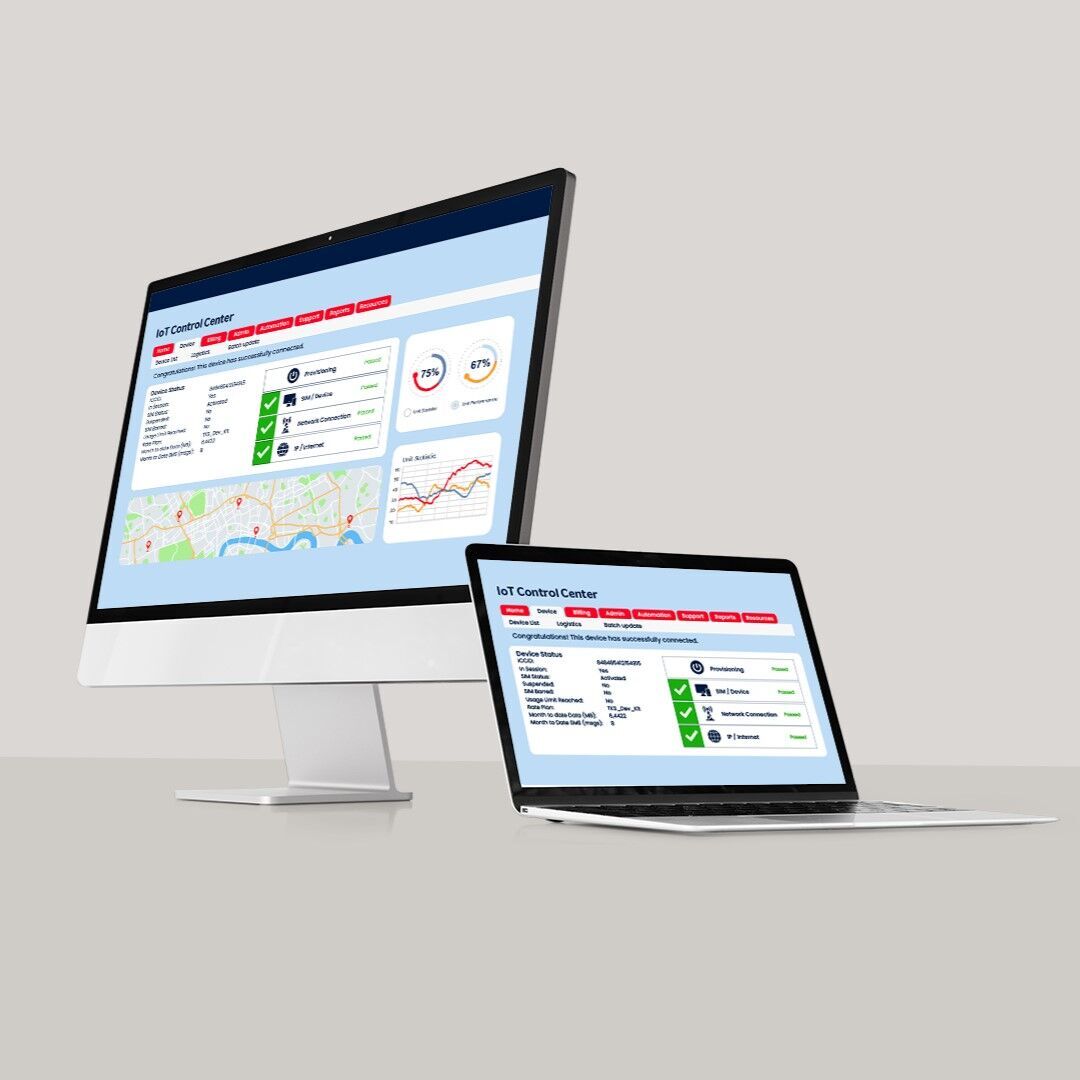
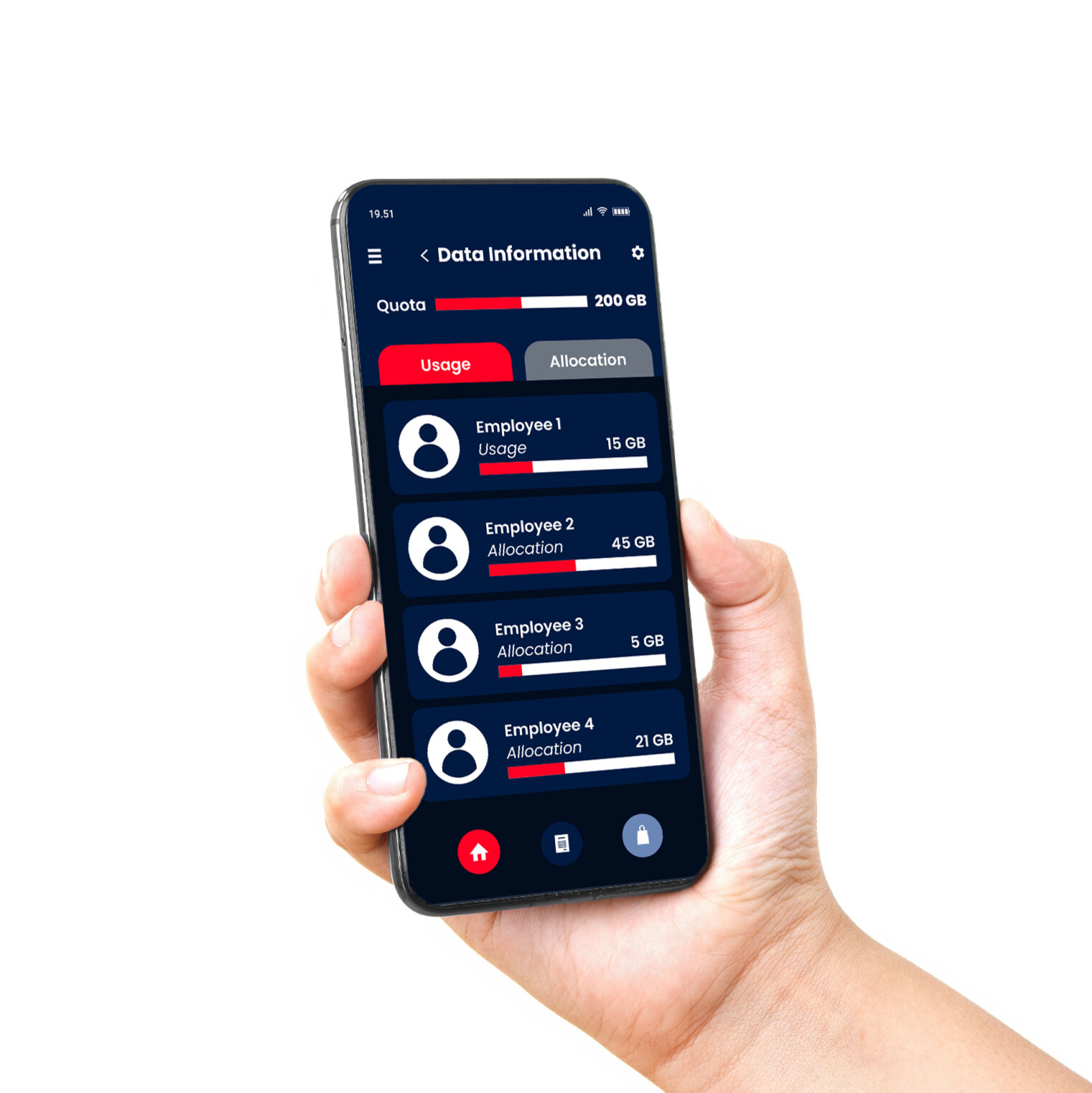
Telkomsel Enterprise’s IoT Control Center, powered by cutting-edge 5G technology, exemplifies the future of smart mining. This advanced platform enables real-time monitoring, helping companies detect potential issues faster than ever.
With IoT Control Center, you can protect your workforce while boosting productivity and operational efficiency.
The choice is clear, continue with risky old practices or embrace smart mining to build a safer, more efficient, and sustainable future for your mining operations. The future of mining is smart, and it starts now.