




The rhythmic cycle of rainy and dry seasons has traditionally served as the primary compass for farmers, dictating which crops to plant and the optimal timing for cultivation. However, increasingly erratic weather patterns have rendered these calculations far more complex than in the past. This unpredictability necessitates a shift toward more adaptive approaches, such as smart agriculture.
Climate uncertainty places farmers in high-risk situations, ranging from crop failure to significant declines in productivity. So, what is smart agriculture exactly? How does this technology transform the agricultural industry toward greater efficiency, precision, and sustainability?
What Is Smart Agriculture?
Simply summarized, smart agriculture is a modern farming approach that leverages digital technology to enhance efficiency, productivity, and sustainability. This concept is often referred to as smart farming or intelligent agriculture, where decisions are no longer based solely on intuition but are driven by concrete data.
Imagine a time when farmers had to guess the best moment to fertilize based on instinct or seasonal calendars that are now increasingly unreliable. Today, those decisions are made using accurate, real-time data.
This concept is frequently called precision agriculture. Why precision? Because this technology allows you to administer the exact dosage required for your crops, whether it be water, fertilizer, or pesticides.
You gain greater control to tailor inputs based on specific needs in specific locations. Consequently, the notion of wasting resources becomes obsolete.
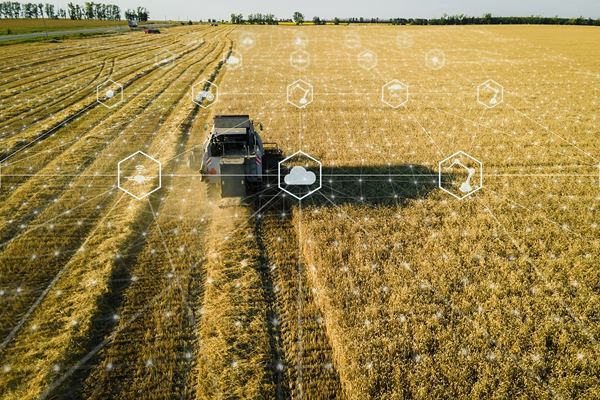
In this system, digital technology serves as a backbone. From soil and weather sensors to IoT devices, artificial intelligence (AI), and cloud-based data analytics, all these technologies work in unison to provide a precise picture of land and crop conditions.
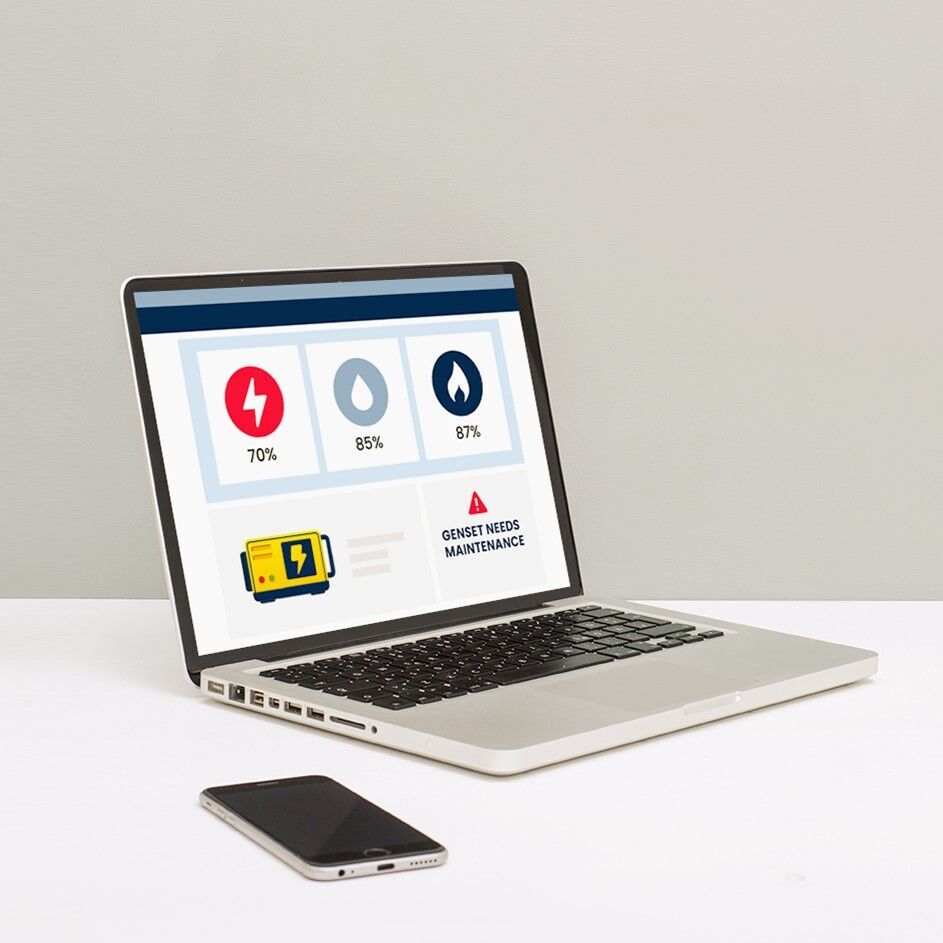
For example, soil sensors can measure moisture levels and nutrient content, transmitting data to a digital dashboard. From there, the system can recommend the ideal watering schedule or the exact fertilizer dosage required. Some advanced systems can even predict potential pest attacks before they actually occur.
The Role of Smart Agriculture in the Agricultural Industry
So, why is smart agriculture becoming increasingly critical? According to global data, world food production must increase by 70% by 2050 to balance population growth.
At the same time, agricultural land is shrinking, and climate change threatens water availability. These challenges raise an important question: what role does smart agriculture play in shaping the future of farming?
1. Improving Resource Efficiency
Water, fertilizer, and pesticides represent some of the largest operational costs in agriculture. Without reliable data, these resources are often used based on habit or rough estimation.
As a result, some fields are over-irrigated while others lack sufficient water. The same inefficiency can occur with fertilization and pest control.
With soil sensors, moisture sensors, and weather monitoring systems, farmers can observe real-time field conditions. Irrigation is applied only when crops truly need it. Fertilizer applications can also be adjusted based on soil nutrient status.
This efficiency significantly reduces operational costs. Agricultural inputs become more controlled, waste can be minimized, and profit margins increase. At the same time, the environment benefits from reduced chemical and water usage.
2. Increasing Agricultural Productivity
Productivity is not just about land area or the number of workers. The most critical factor lies in how the land is managed daily. Without data, many crucial decisions are made too late or in the wrong direction.
Armed with real-time data, farmers can make decisions faster and more accurately. The system can detect plant stress due to drought, disease, or nutrient deficiencies early on. Thus, you can take action before the problem escalates and damages the harvest.
Several studies even show that adopting intelligent farming technology can increase crop yields by tens of percentages. This is not because the plants suddenly become more fertile, but because every decision is data-backed.
3. Improving Sustainability and Food Security
The issue of sustainability is real. Natural resources are becoming increasingly limited, while food needs continue to rise.
With smart agriculture, water and chemical usage can be more precise. Negative impacts on soil and ecosystems can also be reduced. On the other hand, the soil remains fertile in the long term, groundwater is not excessively depleted, and emissions from agricultural activities can be suppressed.
All of this makes productivity more stable. When climate change is hard to predict, a data-driven approach helps ensure food supplies remain secure.
4. Enhancing Agricultural Product Quality
While quantity is important, product quality is often the main factor that differentiates agricultural products in competitive markets. Consumers and export markets now have stricter quality standards. In addition, many buyers are increasingly concerned about environmentally responsible farming practices.
Through continuous environmental monitoring, farmers can maintain optimal growing conditions throughout the crop cycle. For example, irrigation can be adjusted to maintain ideal moisture levels, while fertilization strategies can improve fruit and vegetable quality.
As a result, harvests are not only larger but also more consistent in quality. This opens opportunities to enter premium markets and improve the competitiveness of agricultural products.
5. Expanding Access to Information and Markets
One of the biggest impacts of smart agriculture is the digitalization of information. Farmers no longer depend on personal experience or word-of-mouth information. They can access market data, commodity prices, technical recommendations, and even weather predictions from a single platform.
This technology also opens opportunities for integration with digital supply chains, agricultural e-commerce, and product tracking systems. In other words, farmers can connect directly with buyers, distributors, or processing industries.
How Smart Agriculture Works
Unlike conventional agriculture, which often relies on intuition or inherited habits, smart agriculture operates based on facts and data. But how does IoT based smart agriculture monitoring system function?
1. Monitoring
At this stage, sensors are installed in the fields, on plants, in greenhouses, or in livestock cages. These sensors measure various important parameters such as temperature, air humidity, soil moisture, soil pH, and light intensity. All data is sent in real-time to a digital platform.
The question is, why is this monitoring important? Because field conditions change every hour, even every minute. Without monitoring, farmers rely only on experience or routine schedules that may not match actual conditions.
2. Data Processing
The collected data is not used immediately as is. It is processed using analytics software to find patterns and insights. For instance, the system might detect that a certain plot of land always lacks water at a specific time, or that certain plants are more sensitive to temperature changes.
Here, the concept of an IoT-based smart agriculture monitoring system comes into play. This system integrates sensors, IoT networks, and analytics platforms to turn raw data into actionable information.
3. Decision Making
Based on the data and analysis results, farmers or land managers can make smarter decisions. For example, when to water, what the ideal fertilizer dosage is, or when the risk of disease increases.
This decision-making phase is the most crucial. The data obtained is clearly very helpful. However, the real value only emerges when you turn that data into a strategy.
4. Automated Control
At a more advanced level, smart agriculture can execute actions automatically. Irrigation systems can activate themselves when soil moisture drops. Drones can spray pesticides in specific areas. Robots can assist in harvesting or land monitoring.
By leveraging technology, operations have become more efficient. The risk of human error is reduced, and productivity increases.
Technology in Smart Agriculture: IoT, Sensors, AI, Big Data Analytics
Smart agriculture cannot function effectively without technological support. At least four major technologies serve as the foundation of this system.
These technologies form the main components of smart agriculture.
1. Internet of Things (IoT)
IoT is the foundation of smart agriculture. Without this technology, sensors in the field would just be ordinary measuring tools. IoT technology connects all devices, from soil sensors and mini weather stations to drones, into one integrated network.
In the agricultural context, IoT includes soil sensors, mini weather stations, drones, and even smart irrigation devices. All these devices are connected within a single network. Thus, you can monitor land conditions from a digital dashboard or smartphone.
2. Sensor
Sensors are the eyes and ears of smart agriculture. Without sensors, the system lacks accurate data. There are various types of sensors used, such as soil moisture sensors, temperature sensors, soil pH sensors, water quality sensors, and light sensors.
These sensors collect data continuously, even in locations difficult for humans to reach. Furthermore, the more accurate the sensor, the more accurate the decisions that can be made later.
3. Artificial Intelligence (AI) dan Machine Learning
AI acts as the brain that analyzes large amounts of data. With machine learning, the system can predict weather patterns, plant disease risks, and even harvest yield estimates.
For example, AI can analyze historical data and current conditions to recommend the most optimal planting time. Additionally, AI can detect disease symptoms from plant leaf images, even before the symptoms become visible to the naked eye.
4. Big Data and Analytics
Smart agriculture generates data in large quantities. From sensors, drones, satellite imagery, to market data. All this data falls into the category of big data.
Big data and analytics technology are used to process this data into relevant insights. For example, analyzing irrigation patterns, the relationship between weather and harvest yields, or the effectiveness of fertilization. With the right analytics, you can design long-term strategies and not just react to problems.
Practical and Effective Smart Agriculture Implementation Solutions
The benefits of smart agriculture can be experienced directly in the field. However, optimal results require reliable connectivity.
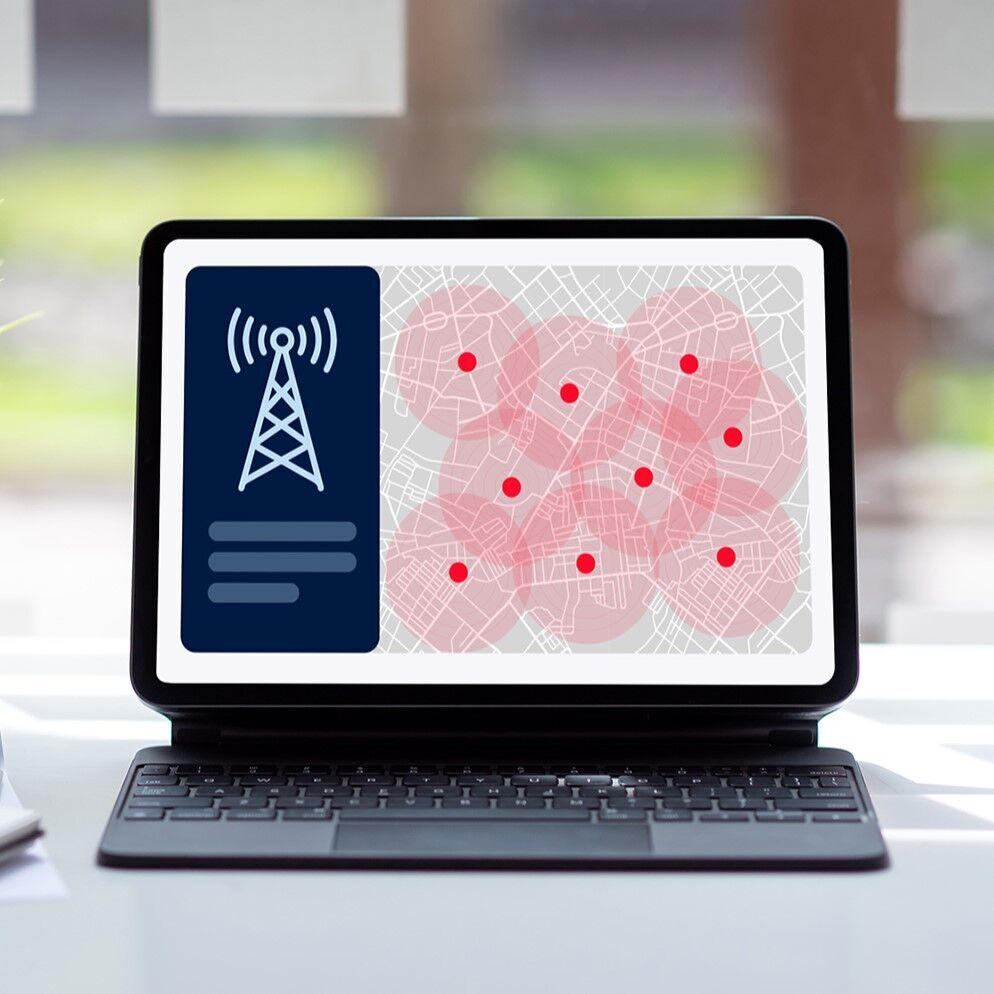
NB-IoT technology from Telkomsel Enterprise provides cost-efficient modules and chipsets designed specifically for IoT applications. With smart sensing capabilities that monitor soil conditions in real time, smart agriculture systems can operate reliably even across large and remote agricultural areas.
From a security perspective, NB-IoT connectivity includes LTE-level authentication to ensure agricultural data remains protected. Its wide coverage allows thousands of devices to connect within a single network. In addition, its low power consumption enables device batteries to last up to 10 years.
With seamless data flow and stable connectivity, farming no longer relies on guesswork. Instead, agriculture becomes a precise, data-driven system that supports productivity, sustainability, and long-term food security.