





Managing business vehicle fleets efficiently has become one of the biggest operational challenges across industries. As demands grow and competition intensifies, companies are turning to smarter solutions, entering the Fleet Management System (FMS).
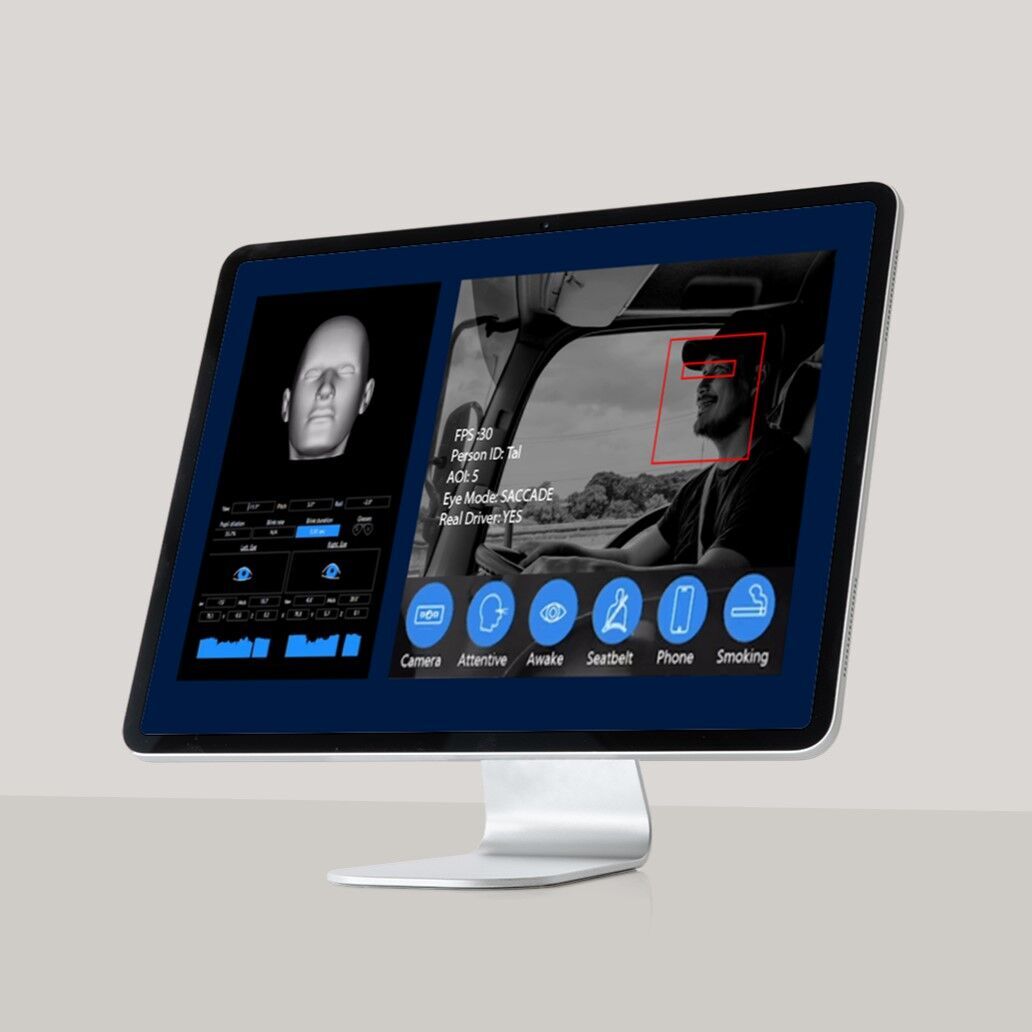
A Fleet Management System isn’t just about tracking vehicles, but it’s a comprehensive ecosystem powered by real-time GPS monitoring, performance analytics, fuel usage insights, maintenance alerts, and compliance reporting. It gives businesses full visibility into every aspect of their fleet operations, enabling smarter decisions that drive cost savings, improve safety, and elevate customer satisfaction.
The global fleet management market speaks volumes about its impact. Valued at USD 25.5 billion in 2022, it's projected to surge to USD 52.4 billion by 2027, a staggering compound annual growth rate (CAGR) of 15.5%. Clearly, forward-thinking organizations recognize the immense value of integrating an intelligent FMS into their daily operations.
In this deep-dive article, we explore nine compelling reasons why your business should embrace a modern Fleet Management System.
What Is a Fleet Management System (FMS)?
A Fleet Management System (FMS) is a comprehensive platform, built using a combination of hardware (like GPS devices and sensors) and software, to help businesses monitor, analyze, and optimize their fleet performance. It offers real-time access to data on vehicle location, driver behavior, fuel usage, maintenance needs, and more.
But it goes far beyond basic vehicle tracking. An FMS like FleetSight empowers businesses with:
-
Cost & Time Efficiency: Reduce idle time, eliminate unnecessary fuel spending, and boost productivity.
-
Enhanced Safety Protocols: Monitor risky driving behaviors and ensure safer roads for drivers and others.
-
Smarter Decision-Making: Access accurate, up-to-the-minute reports that support strategic planning and long-term growth.
By integrating fleet management into day-to-day operations, companies not only gain better control over their assets but also strengthen overall business performance.
Core Components of a Fleet Management System
To fully appreciate the benefits, let’s break down the critical components that make a Fleet Management System truly effective:
-
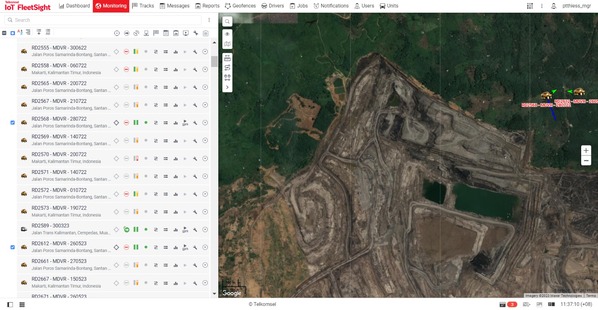
Real-Time GPS Tracking: Know exactly where each vehicle is at any given moment. Live maps provide instant updates, allowing dispatchers to reroute dynamically based on traffic, weather, or emergencies.
-
Maintenance Management: Stay ahead of breakdowns with automated alerts for oil changes, tire rotations, brake checks, and other scheduled services. Predictive maintenance reduces unexpected downtime.
-
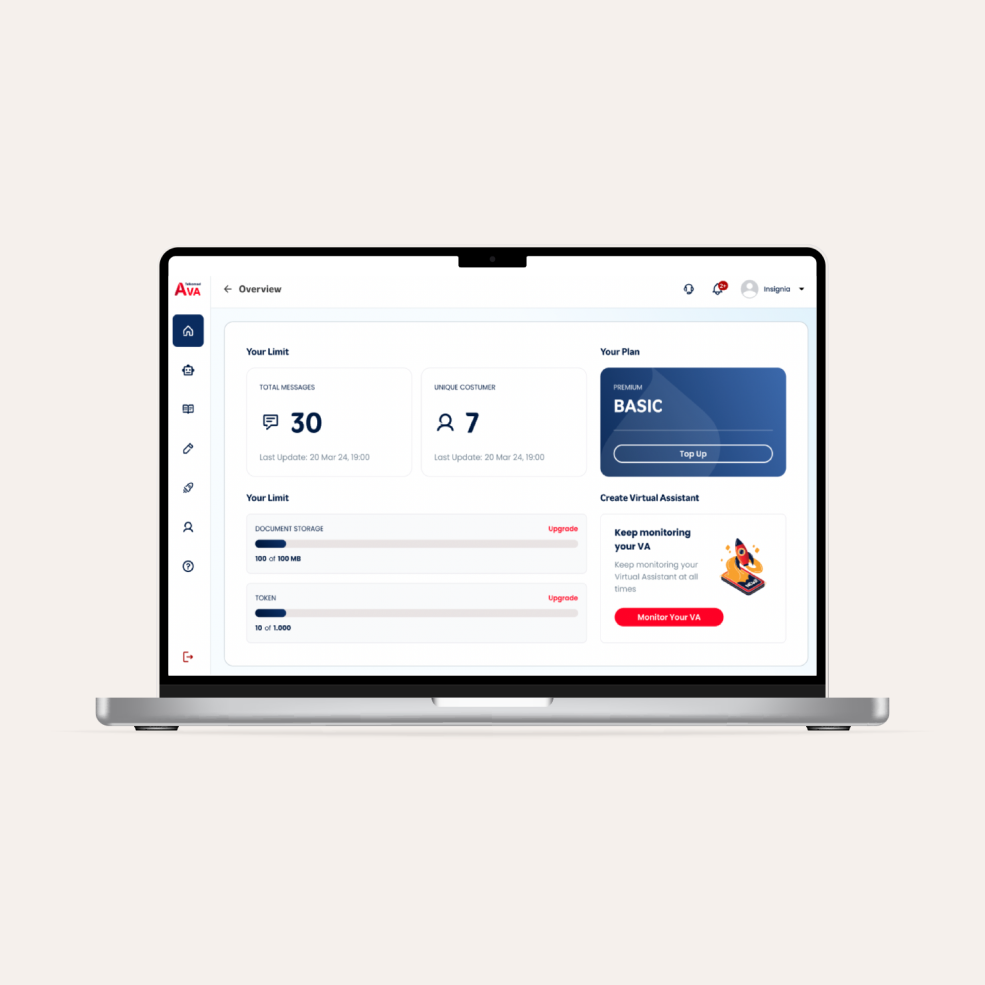
Data Analytics & Reporting: Transform operational data into visual dashboards and detailed reports. Track KPIs like average speed, trip duration, idling time, and driver performance trends.
-
Fuel Usage Monitoring: Combat fuel theft and inefficiency with precise monitoring of fuel levels, refueling patterns, and consumption rates per kilometer driven.
-
Compliance Reporting: Automatically generate logs to meet regulatory requirements such as driving hour limits (HOS), inspection schedules, and emissions standards, reducing legal risks and audit stress.
9 Reasons Why Your Business Needs a Fleet Management System
Now, let’s dive into the top nine reasons why investing in a Fleet Management System could be the smartest move your business makes this year.
Reason 1 Improve Operational Efficiency
In the modern business world, operational efficiency is a crucial factor. Fleet Management Systems play a critical role in optimizing fleet operational efficiency.
Monitor and Reduce Operational Costs
With FMS, businesses can:
-
Track fuel usage and minimize unnecessary consumption
-
Schedule maintenance effectively to avoid expensive repairs
-
Lower insurance premiums thanks to safer driving practices and verified data
Optimize Routes and Deliveries
An advanced FMS allows for:
-
Selection of the most time- and fuel-efficient routes
-
Real-time adaptation to traffic or weather changes
-
Improved scheduling that maximizes the number of deliveries per day
By reducing idle time, optimizing routes, and identifying inefficiencies, businesses see noticeable improvements in output.

Reason 2: Better Monitoring and Reporting
Effective monitoring and reporting are key to successful fleet management. Fleet Management Systems offer advanced monitoring and reporting capabilities. These include:
Real-Time Vehicle Tracking
Real-time GPS tracking allows managers to see every vehicle’s exact position, direction, speed, and status. Whether it’s ensuring timely arrivals or responding to roadside breakdowns, having live access transforms crisis response.
Imagine being alerted instantly if a vehicle veers off-route, gets involved in an accident, or is stolen. Immediate intervention becomes possible, minimizing losses and enhancing security.
Comprehensive Reporting
FMS provides access to data like:
-
Driver behavior analytics and performance metrics
-
Fuel consumption trends and delivery timelines
-
Maintenance schedules and vehicle condition histories
Make Better Business Decisions
Real-time, accurate data enables:
-
Long-term planning based on past and present performance
-
Rapid response to emergencies or route deviations
-
Strategic adjustments that improve profitability and scalability
Reason 3: Optimize Vehicle Maintenance
Effective vehicle maintenance management ensures smooth fleet operations and reduces the risk of unexpected breakdowns. What are the key points?
Automated Maintenance Reminders
You can set up alerts based on:
-
Engine hours, mileage, or time intervals
-
Fault codes or performance anomalies
-
Manufacturer-recommended service schedules
Minimize Downtime
The Fleet Management System provides:
-
Automatic notification of scheduled vehicle maintenance, preventing delays or omissions.
-
Efficient maintenance scheduling based on vehicle usage data.
-
Organized maintenance records, making it easier to monitor overall vehicle condition.
-
Data that determines the right time for vehicle replacement, based on analysis of vehicle performance and age.
Reason 4: Enhance Safety and Compliance
Safety and compliance are priorities in fleet management. A Fleet Management System supports this initiative by providing tools to monitor and improve safety and ensure regulatory compliance.
Monitor Driving Behavior
Fleet management systems track:
-
Real-time monitoring of driver behavior, including speed, emergency braking, and driving time.
-
Improving driver awareness and responsibility through reports and feedback.
-
Training and coaching drivers based on their behavior data.
Ensure Compliance with Regulations
A Fleet Management System helps businesses:
-
Ensure compliance with regulations and industry standards, such as driving and rest time limits.
-
Reduce the risk of penalties and fines due to regulatory violations.
-
Maintain a positive company image through responsible fleet management.
Reason 5: Maximize Asset Utilization
When managing a fleet, it's crucial to ensure that every vehicle is optimally utilized. A Fleet Management System offers advanced solutions to improve asset utilization, significantly impacting efficiency and cost savings.
Track Asset Usage in Real-Time
Know how each vehicle is used:
-
Real-time vehicle utilization monitoring, ensuring that every asset is optimally utilized.
-
Identifying under- or over-performing vehicles and providing opportunities for adjustments.
-
Data analysis to determine fleet requirements that align with operational needs.
Balance and Allocate Resources
A Fleet Management System (FMS) helps:
-
Optimizing vehicle distribution based on needs and demand.
-
Managing vehicle maintenance and upkeep to minimize operational disruptions.
Reason 6: Strengthen Risk Management
A Fleet Management System provides the tools needed to identify and mitigate operational risks, while protecting company assets and resources.
Identifying and Mitigating Risks
A Fleet Management System plays a crucial role in:
-
Identifying potential risks associated with fleet operations, such as risky driving behavior or suboptimal vehicle conditions.
-
Implementing mitigation measures based on data analysis and system-generated reports.
-
Ensuring driver and vehicle safety through monitoring and early warning systems.
Insurance Cost Benefits
By implementing a Fleet Management System (FMS), companies can:
-
Improve operational safety, which often results in lower insurance premiums.
-
Provide driving record evidence that can be used in insurance claims.
-
Reduce the frequency and severity of accidents, which directly impact insurance costs.
Managing Theft and Unauthorized Use
A Fleet Management System (FMS) provides solutions to:
-
Monitor and track stolen vehicles, increasing the chances of a better resolution.
-
Prevent unauthorized vehicle use through security notifications and alarms.
-
Provide a sense of security for both the company and drivers.
Reason 7: Improve Customer Service
Offering superior customer service is made easier with a Fleet Management System. This system helps businesses not only with internal management but also in strengthening customer relationships.
On-Time Deliveries, Every Time
With a Fleet Management System, businesses can:
-
Ensure on-time deliveries through efficient routing.
-
Reduce delays caused by traffic conditions or vehicle issues.
-
Offer customers more accurate estimated arrival times.
Boost Satisfaction & Build Trust
A Fleet Management System contributes to:
-
Providing consistent and reliable service, thereby increasing customer trust.
-
The ability to provide customers with real-time information on the status of their shipments.
-
Reducing the risk of delivery errors and strengthening the company's reputation is important.
Reason 8: Seamless Integration with Existing Systems
System integration is a crucial aspect that improves overall operational efficiency. Fleet Management Systems offer broader integration capabilities, enabling seamless data flow between various systems within a company.
Compatibility with Existing Systems
Fleet Management Systems are often designed to:
-
Integrate seamlessly with existing ERP (Enterprise Resource Planning) or CRM (Customer Relationship Management) systems.
-
Facilitate data exchange between departments, such as logistics, finance, and customer service.
-
Provide a centralized platform for managing all aspects of business operations.
Seamless Data Flow Between Systems
Fleet Management Systems (FMS) support:
-
Smooth and efficient data transfer between various systems, reducing errors and redundancy.
-
Provide comprehensive insights into business operations, improving decision-making effectiveness.
-
Ease access to relevant information for company stakeholders.
Improve Overall Business Efficiency
With FMS integration, companies can:
-
Optimize overall business processes, from fleet management to customer service.
-
Utilize data analytics to identify areas of improvement and growth opportunities.
-
Improve productivity and operational efficiency at various levels of the organization.
Reason 9: Unlock Business Insights Through Data Analytics
In the era of big data, a Fleet Management System offers in-depth analytical capabilities. It helps companies not only manage their fleet but also understand broader business trends and patterns.
Leveraging Data for Strategic Planning
A Fleet Management System (FMS) enables businesses to:
-
Use historical and real-time data to create long-term projections and planning.
-
Identify areas of efficiency and inefficiency, aiding strategic decision-making.
-
Adapt business strategies based on fleet performance analysis.
Leveraging Analytics for Business Growth
A Fleet Management System (FMS) plays a crucial role in:
-
Analyzing vehicle usage patterns and driver behavior to improve operations.
-
Leveraging data insights to identify growth and expansion opportunities.
-
Assisting in creating data-driven business strategies.
Predictive Maintenance
With FMS, companies can:
-
Implement predictive maintenance based on data on vehicle usage and condition.
-
Estimate vehicle maintenance and replacement needs, reducing downtime.
-
Generate accurate predictions for resource and budget planning.
Conclusion
A Fleet Management System is not just a backend tool, but it’s a forward-thinking investment that transforms how your business operates. It offers real-time visibility, actionable data, improved safety, optimized routes, and ultimately a better bottom line.
FleetSight by Telkomsel Enterprise offers a full suite fleet management solution tailored to modern business needs. With real-time tracking, smart analytics, fuel optimization tools, and scalable add-ons, it’s your gateway to running a safer, smarter, and more efficient fleet.
Ready to take control of your fleet like never before? Contact Telkomsel Enterprise to learn how FleetSight can drive performance, visibility, and efficiency for your business.