




Inconsistent network performance often acts as a hidden bottleneck in business operations. Sudden connection slowdowns, unresponsive applications, and disruptions during critical communications can strike at any moment when network traffic isn't properly managed. That's why understanding what is quality of service represents a strategic imperative for prioritizing bandwidth allocation, ensuring every business activity runs smoother, faster, and more efficiently.
When implemented correctly, the quality of service in networking delivers remarkably stable, responsive connections ready to scale alongside your growing business demands. Curious about how QoS mechanisms work and the tangible benefits they bring to your organization? Dive into this comprehensive guide to unlock the full potential of your digital infrastructure.
What Is Quality of Service?
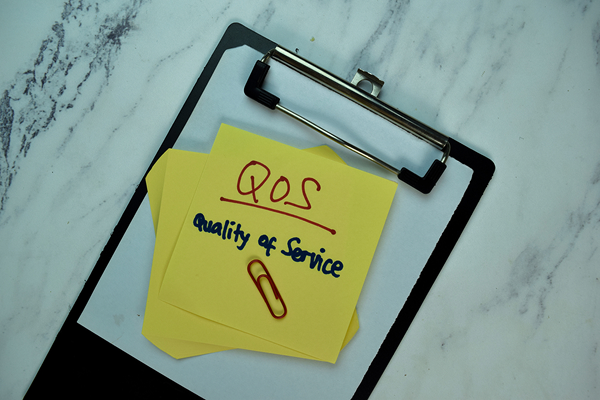
Quality of service (QoS) is a network management mechanism used to regulate, monitor, and optimize data traffic so that network performance remains stable, efficient, and reliable. QoS works by prioritizing specific types of traffic, ensuring that critical applications receive the best possible connection quality.
In practice, quality of service in networking is commonly implemented in business environments that require high network stability. This includes real-time communication systems, cloud-based platforms, enterprise applications, video conferencing services, and large-scale data operations.
Without QoS, all network traffic is treated equally. As a result, less important activities such as large downloads or non-business streaming can consume excessive bandwidth and negatively impact mission-critical services. QoS solves this issue by intelligently managing network resources and ensuring important traffic receives priority access.
For businesses, QoS plays a crucial role in maintaining uninterrupted digital operations, improving user experience, and supporting long-term scalability.
Benefits of Implementing QoS for Business
There are several major advantages businesses can gain from implementing QoS technology within their networks.
1. Maintaining High-Quality Voice and Video Communication
QoS allows businesses to prioritize communication services such as VoIP calls and video conferencing over less critical traffic. This ensures that voice and video packets are transmitted faster and more consistently.
As a result, companies can significantly reduce audio delays, video buffering, choppy communication, call interruptions, or poor meeting quality. This is especially important for businesses that rely on virtual meetings, client presentations, remote collaboration, and global communication. Stable communication quality directly affects professionalism, operational efficiency, and customer satisfaction.
2. Reducing Lag
Modern businesses depend heavily on cloud applications, ERP systems, and collaborative digital platforms. Without proper network management, lag and latency issues can slow down workflows and decrease employee productivity.
QoS minimizes lag by ensuring that high-priority data is delivered first rather than being delayed behind non-essential traffic. This creates a more responsive system environment where employees can work more efficiently without technical disruptions.
For organizations managing real-time applications, low latency is critical to maintaining smooth digital experiences.
3. Optimizing Bandwidth Usage
One of the key benefits of implementing QoS for business is better bandwidth efficiency. QoS enables organizations to distribute bandwidth intelligently based on the needs of each application or service.
For example non-essential downloads can be restricted, streaming unrelated to business activities can be limited, and mission-critical applications receive guaranteed bandwidth allocation
This strategic allocation prevents unnecessary bandwidth consumption while ensuring essential systems continue operating optimally. As a result, businesses can maximize existing network resources and potentially avoid expensive bandwidth upgrades.
4. Preventing Network Performance Disruptions
Sudden traffic surges can overwhelm networks, triggering slowdowns or instability. Here, the role of quality of service becomes pivotal, it actively manages data flow and prevents system overload through intelligent traffic governance.
Utilizing advanced mechanisms like traffic shaping and congestion control, QoS maintains consistent network performance, even during usage spikes. Business services continue running seamlessly, protecting both operational continuity and end-user satisfaction.
Types of QoS Services
There are several categories of QoS that help organizations evaluate and improve network performance from different perspectives.
Intrinsic QoS
Intrinsic QoS refers to service quality measured through technical network parameters such as latency, jitter, throughput, and packet loss. This type focuses on objective network performance indicators.
Perceived QoS
Perceived QoS relates to the user’s actual experience when using network services. Even if technical metrics appear excellent, user perception still plays a critical role in evaluating overall service quality.
Assessed QoS
Assessed QoS combines technical measurements with user experience evaluations. This approach provides a more comprehensive understanding of how network performance impacts end users.
How QoS Mechanisms Work?
Understanding how QoS mechanisms work is essential for businesses seeking to improve network efficiency and reliability.
1. Data Flow Classification
QoS intelligently identifies and categorizes data traffic based on inherent characteristics, distinguishing video streams, voice packets, or standard data transfers.
2. Priority Level Assignment
Following classification, each traffic type receives a tailored priority tier. Mission-critical traffic (like video conferences) earns higher precedence over routine browsing or background updates.
3. Strategic Bandwidth Distribution
Quality of service dynamically allocates bandwidth according to each traffic category's requirements. This proactive strategy minimizes resource contention and ensures fair, efficient network utilization.
4. Intelligent Data Queue Management
Incoming network data is organized into prioritized queues. Quality of service parameters guarantee high-priority packets process first, preserving responsiveness for critical services.
5. Proactive Network Congestion Control
QoS continuously detects and mitigates network congestion by intelligently regulating data flow, preventing traffic buildup before it impacts performance.
6. Real-Time Monitoring & Adaptive Optimization
QoS secara terus-menerus memantau kondisi jaringan dan melakukan penyesuaian otomatis untuk menjaga kualitas layanan tetap optimal.
Key Parameters in Measuring QoS
QoS perpetually monitors network conditions and executes automatic, real-time adjustments, ensuring service quality remains consistently optimal under any load.
Throughput
Throughput measures the amount of data successfully transmitted within a specific period of time. Higher throughput generally indicates better network performance and faster data delivery.
Bandwidth
Bandwidth refers to the maximum capacity of a network to transmit data. QoS helps optimize bandwidth usage so that resources are utilized efficiently without unnecessary waste.
Jitter
Jitter measures variations in packet delivery timing. Low jitter is extremely important for maintaining smooth real-time communications such as video calls and online meetings.
Latency
Latency refers to the amount of time required for data to travel from source to destination. Lower latency results in faster communication and improved application responsiveness. QoS helps minimize latency by prioritizing time-sensitive traffic.
Packet Loss
Packet loss occurs when some data packets fail to reach their intended destination. Excessive packet loss can reduce communication quality and impact application performance.
QoS mechanisms help minimize packet loss and improve network reliability.
Implementing quality of service is a strategic step for businesses that want to maintain stable network performance while improving overall operational productivity. With a well-designed QoS framework, your organization can guarantee every digital service operates at peak performance, free from disruptive interruptions.
To power this transformation, Telkomsel Enterprise's IaaS solution (Infrastructure as a Service) delivers robust, scalable, and seamlessly integrated infrastructure. Powered by cutting-edge technology, this enterprise-grade platform empowers businesses to manage networks with unprecedented efficiency, while ensuring quality of service implementation achieves maximum impact.
Ready to future-proof your business connectivity? Elevate your network performance today with Telkomsel Enterprise's intelligent IaaS solution and unlock unparalleled productivity, reliability, and growth.