





As businesses demand more flexible and integrated communication systems, virtual PABX has emerged as a breakthrough solution.
Combining cloud technology with powerful routing capabilities, PABX virtual is redefining how companies communicate across teams, locations, and customer touchpoints.
The global rise of virtual PABX systems is no coincidence. This trend is being fueled by the increasing adoption of cloud telecommunications, more affordable data storage, growing high-speed internet infrastructure, and advancements in intelligent call routing.
According to market insights, the global virtual PABX market surpassed US$5.32 billion in 2021 and is projected to skyrocket to US$12.23 billion by 2028, with a CAGR of 13.15% from 2022 to 2028.
But rapid growth also brings new challenges. Transitioning from traditional telephony systems to virtual PABX demands not just technical adjustments, but also strategic planning.
Businesses often face hurdles like staff training, integrating new systems with existing ones, and navigating upfront costs. In Indonesia specifically, uneven internet infrastructure continues to be a significant barrier, potentially affecting voice quality and system reliability.
This article explores what is PABX, how the virtual version differs from traditional systems, and why adopting virtual PABX is essential for forward-thinking businesses.
Why Corporate Communication Matters More Than Ever
At the heart of every successful business lies effective communication. It’s not merely about exchanging words, but it’s about building trust, resolving conflicts, aligning teams, and delivering value to customers. Corporate communication encompasses all interactions between a company and its stakeholders: employees, clients, investors, media, and the public.
From internal team coordination to customer service excellence, the quality of communication directly impacts decision-making, innovation, and overall performance. Without a robust communication framework, businesses risk:
-
Delayed or flawed strategic decisions
-
Escalation of internal disputes
-
Inability to respond swiftly to market shifts
-
Misunderstanding customer needs and expectations
Now, add technology into the mix. Modern business communication happens across multiple channels, voice calls, video conferences, instant messaging, emails, and collaboration tools. While this multi-platform approach offers flexibility, it also introduces complexity:
-
Fragmented conversations across apps
-
Data security vulnerabilities
-
Technical disruptions due to poor integration
To overcome these obstacles, companies are turning to unified solutions like virtual PABX, a smart, scalable, and secure way to centralize their communication ecosystem.

What Is Virtual PABX?
Choosing the right corporate communications tool is no trivial matter. One technology that has captured the attention of many brands is the virtual PABX.
Initially, a PABX (Private Automatic Branch Exchange) was a system that enabled companies to communicate internally and externally without the need for external telephone lines for each employee.
However, over time, this technology has evolved rapidly. From a physical system with numerous cables, PABX has now migrated to the cloud, providing a solution known as a virtual PABX.
This virtual PABX is a cloud-based communications system that allows companies to manage incoming and outgoing calls without the need for complex and expensive physical infrastructure.
Core Features of Virtual PABX
Unlike traditional systems, virtual PABX operates via the cloud, offering a host of features that cater to the needs of modern enterprises:
-
Easy integration with other platforms, such as CRM or HR software
-
Cost-effective communication via internet-based calls
-
On-demand scalability, letting businesses add or remove users effortlessly
-
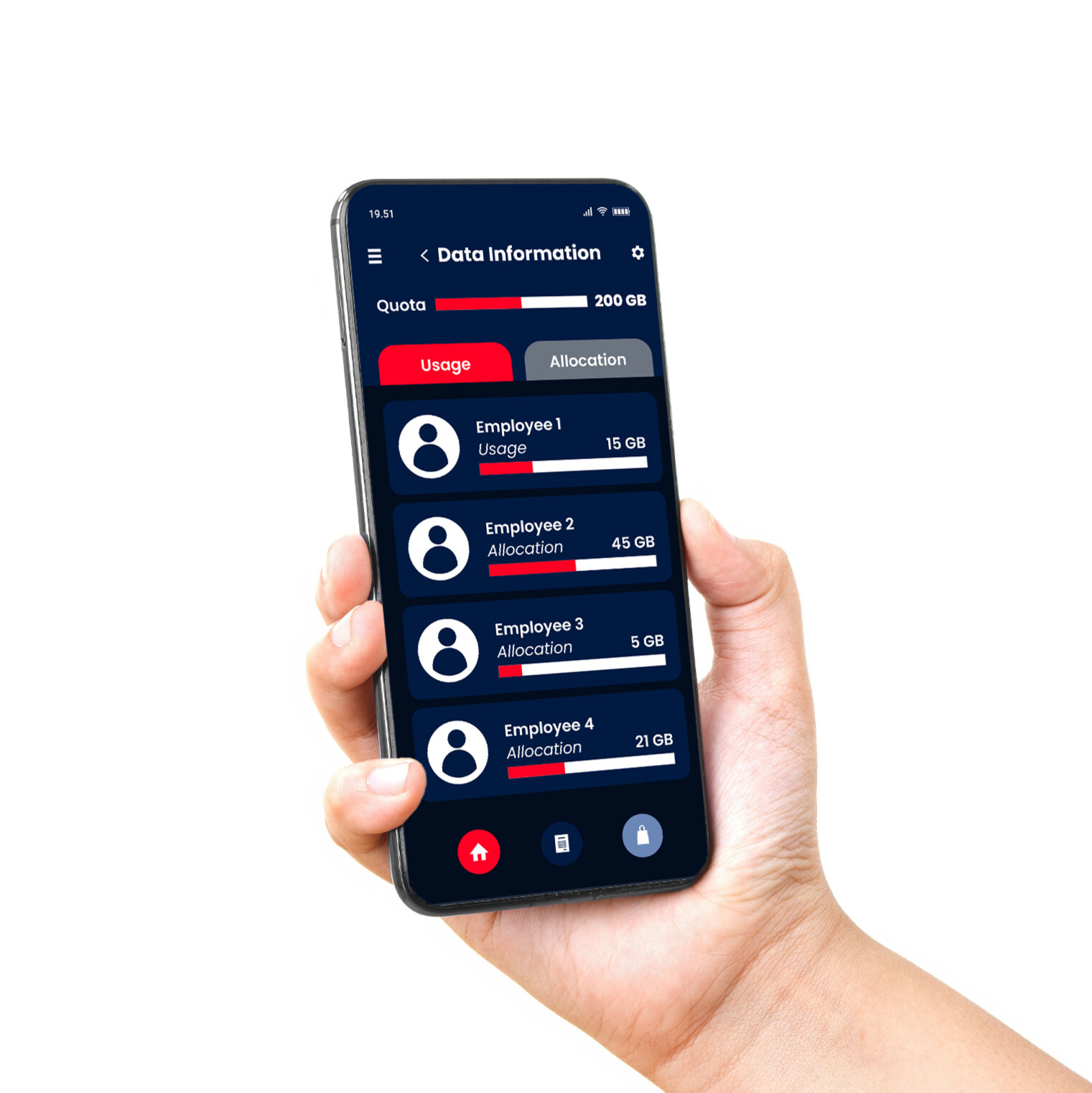
Call data storage and analytics to enhance customer service and decision-making
In fast-paced industries, adaptable communication technology is a necessity. With virtual PABX, companies get the flexibility, efficiency, and accessibility they need to compete and grow.
Virtual PABX vs. Conventional Systems: Why It’s the Smarter Choice
When weighing between choosing a virtual PABX or sticking with a conventional PABX, it is important to understand what benefits these solutions can provide, including:
1. Seamless System Integration
Beyond just functioning as a phone system, a virtual PABX is easier to integrate with various other applications and platforms. For example:
-
Customer Relationship Management (CRM): Speeds up the customer identification process when a call comes in.
-
Instant messaging applications: Facilitates internal team communication.
-
Task management systems: Connect calls to relevant tasks.
2. Scalability and Business Agility
As your company grows, your communication needs will grow with it. With a virtual PABX, your business can:
-
Scalability and flexibility allow you to add or remove users more quickly and seamlessly.
-
Settings can be tailored to your company's specific needs, without having to change the entire system.
-
Helps companies expand operations without the need for significant investments in telecommunications infrastructure.
3. Advanced Features for Modern Workflows
The cloud-based technology of virtual PABX enables modern features that support business needs, such as:
-
Clearer call recording: For training and service quality.
-
Call analytics: Gain insights into team performance and customer habits.
-
Integrated contact directory: Simplify customer information access.
-
Video conferencing and group calls.
4. Cost Efficiency
One of the most prominent advantages of a virtual PABX is its cost-effectiveness. Without the need for hardware investment and routine maintenance, companies can:
-
Reduce operational costs.
-
Maximize ROI (Return on Investment) from communication solutions.
-
Increase productivity by utilizing advanced features at no additional cost.
Given all the benefits offered by a virtual PABX, choosing this solution is not only a logical choice but also an effective one. It's a crucial decision for many companies to remain competitive in an increasingly digital business environment.
How Virtual PABX Solves Modern Corporate Communication Challenges
In a global, hybrid-working world, communication obstacles are becoming more complex. Here's how virtual PABX helps overcome them:
1. Unified Communication Across Locations
Many companies now have branch offices in multiple locations, even across multiple countries. A virtual PABX allows:
-
Integrating all locations into one centralized communications system.
-
Easier coordination and collaboration between teams across multiple locations.
-
Reducing cross-border communication costs by leveraging internet technology.
2. Smarter Communication Resource Management
Managing tools and traffic manually is time-consuming. Virtual PABX offers:
-
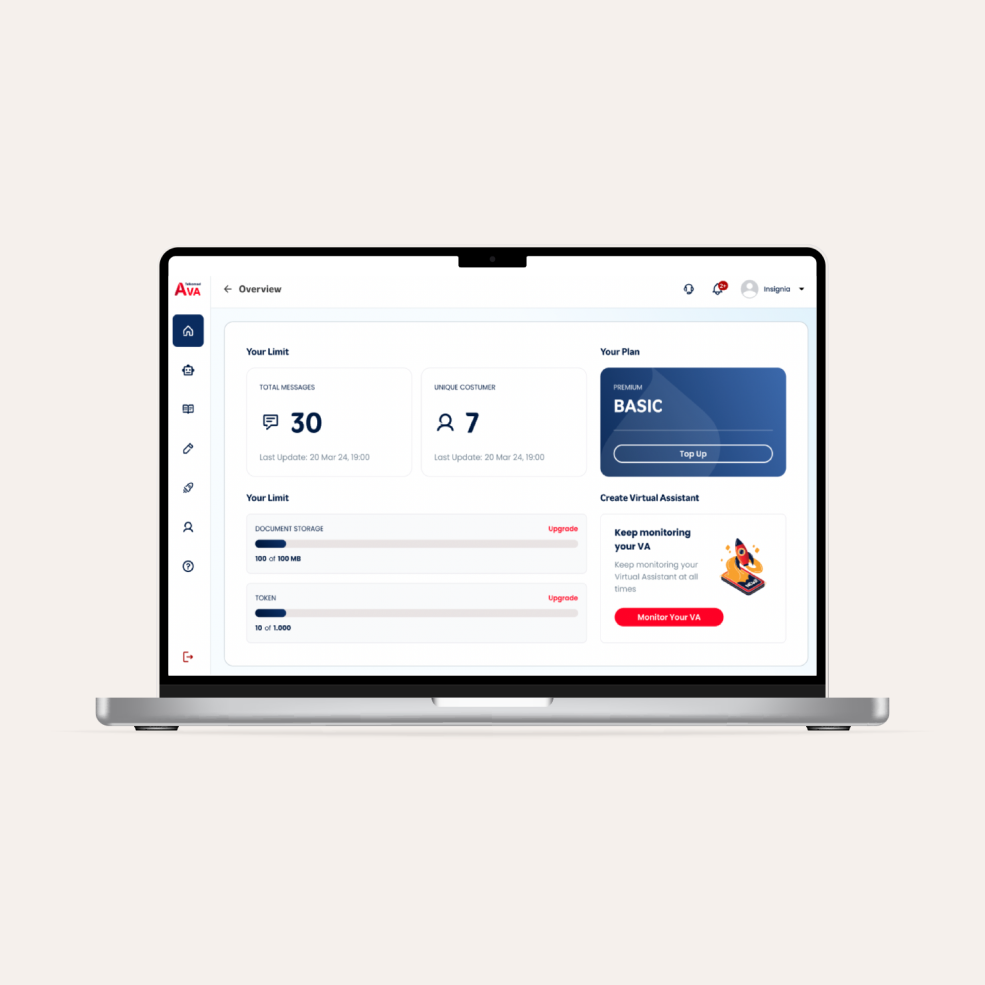
Real-time monitoring of call activity and system health
-
Automated reports to track team efficiency
-
Decision-making tools backed by accurate communication data
3. Virtual Collaboration for Remote Teams
In the era of working from anywhere, collaboration is crucial. Virtual PABX offers:
-
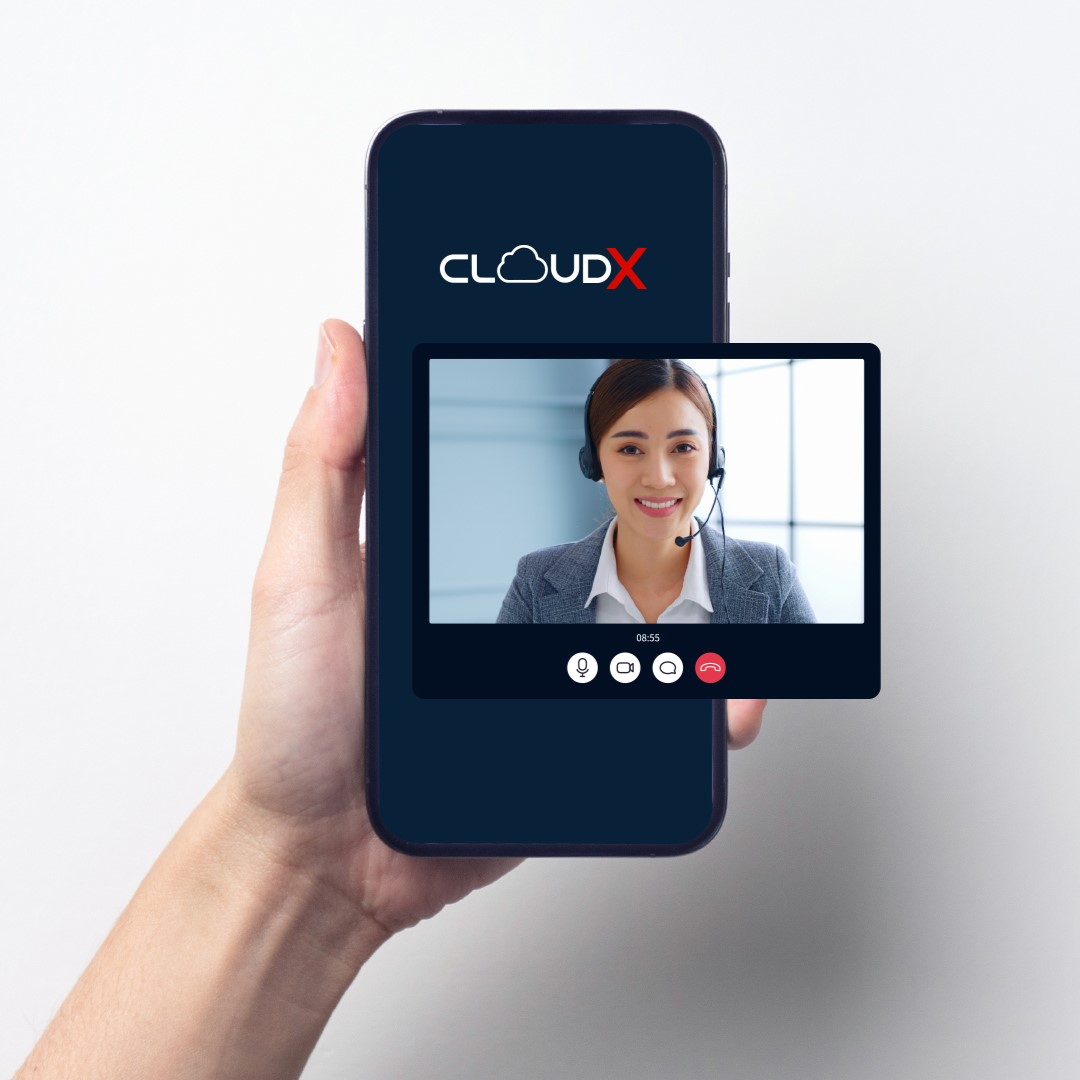
High-quality video conferencing facilities.
-
Screen sharing options for presentations and discussions.
-
Integration with other collaboration applications facilitates collaborative work without geographical barriers.
4. Automation & Business App Integration
Virtual PABX systems bring automation to everyday tasks:
-
Route incoming calls to the right team automatically
-
Sync with CRMs and task management tools
-
Keep business processes flowing without communication breakdowns

How to Implement Virtual PABX: A Step-by-Step Guide
Adopting virtual PABX doesn’t have to be disruptive. With the right approach, the transition can be smooth, efficient, and highly rewarding. Follow these steps:
1. Evaluate Your Communication Needs
Before deciding on a specific service or product provider, companies should:
-
Identify their daily communication volume.
-
Determine specific features needed (e.g., video conferencing, CRM integration, etc.).
-
Estimate the company's growth over the next few years to ensure the selected solution is scalable.
2. Choose a Trusted Virtual PABX Provider
Service providers play a crucial role in ensuring the quality of the virtual PABX they implement. It's important to:
-
Read reviews and testimonials from other customers.
-
Evaluate customer support and after-sales service.
-
Compare prices and features offered.
One standout option? Telkomsel Enterprise offers CloudX Communication solutions that can meet your business's virtual PABX needs!
3. Integrate with Existing Systems
Integrating a virtual PBX with an existing system may require technical assistance. Ensure:
-
Your service provider has documentation and support for the integration process.
-
Your company's IT team is involved in this process to ensure a smooth transition.
4. Train and Empower Employees
Once the system is integrated, employees need to be trained to:
-
Use the new features available.
-
Understand the benefits and efficiencies gained from a virtual PABX.
-
Adjust to the new setup and adapt quickly.
With careful preparation and proper implementation, a virtual PABX can be an effective tool for improving the efficiency and productivity of corporate communications.
Conclusion
Corporate communication is evolving and so should your tools. Virtual PABX is more than just a phone system, but it’s a strategic enabler of agility, efficiency, and customer-centricity.
By leveraging cloud technology, businesses can break free from the limitations of traditional PABX, reduce operational costs, and empower teams to work smarter, whether from the office, home, or on the go.
At the forefront of this transformation is Telkomsel Enterprise’s CloudX Communication, a powerful, user-friendly virtual PABX solution built for the modern enterprise. With features like easy smartphone access, rapid deployment, intuitive dashboard, seamless integration
CloudX ensures your business stays connected, responsive, and competitive in today’s fast-paced digital economy.
Don’t let outdated communication systems hold you back. Take the leap into the future, consult with Telkomsel Enterprise today and experience the power of integrated, intelligent, and efficient corporate communication with CloudX.