




IoT monitoring has become an important part of how businesses take advantage of Internet of Things (IoT) technology. This technology is changing the way companies manage assets, monitor infrastructure, improve operational processes, and optimize resource usage.
However, collecting data from millions of connected devices is only the first step. What matters just as much is how that IoT monitoring ecosystem is managed so it can operate effectively and efficiently while delivering real business value and supporting long-term business sustainability.
What Is IoT Monitoring?
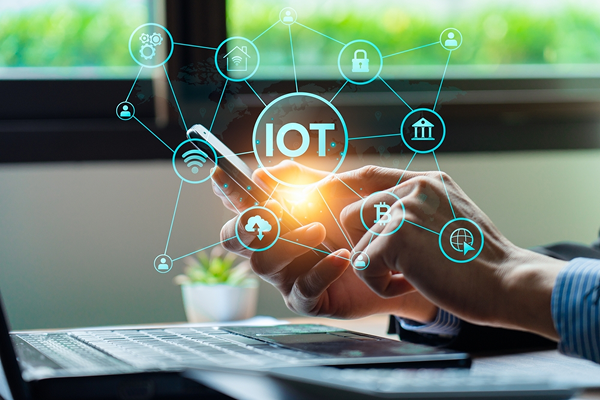
IoT monitoring is the process of monitoring connected devices, assets, environments, or operational activities through Internet of Things (IoT) technology. An IoT-based monitoring system allows businesses to collect data automatically from multiple connected devices and access that information through a centralized monitoring platform.
Unlike conventional monitoring, which often relies on manual inspections and periodic checks, IoT monitoring continuously collects data from connected sensors and devices.
For example, instead of conducting regular manual inspections that take time and are vulnerable to human error, an automated monitoring system can immediately send an alert when an operational parameter moves outside its normal range. This changes the way businesses manage their operations, from a reactive approach to a more proactive one.
IoT monitoring is therefore more than a tool for simply checking device conditions. It can become an important part of a company's strategy to improve efficiency, reduce operational risks, minimize potential disruptions, and make better use of valuable assets.
How Does an IoT-Based Monitoring System Work?
An IoT-based monitoring system works through a connected flow of data, starting with data collection at the device level and ending with useful business insights at the management level. The process generally includes the following stages:
1. Data Collection Through Sensors
The journey begins when physical sensors record specific variables like temperature, pressure, vibration, or GPS location. Analog data captured by these sensors is then converted into digital signals.
2. Data Transmission Through a Network
Once digital data has been collected, it is transmitted through communication channels such as cellular networks, including 4G and 5G, LoRaWAN, Wi-Fi, or satellite connections.
The data can be sent to a gateway or directly to the central server or monitoring platform, depending on the architecture of the IoT solution.
3. Data Processing and Analysis
After reaching the central platform or cloud environment, the collected data is processed using data-processing algorithms. At this stage, the platform can filter incoming data, identify anomalies, compare different parameters, and analyze device conditions.
4. Data Visualization and Automated Actions
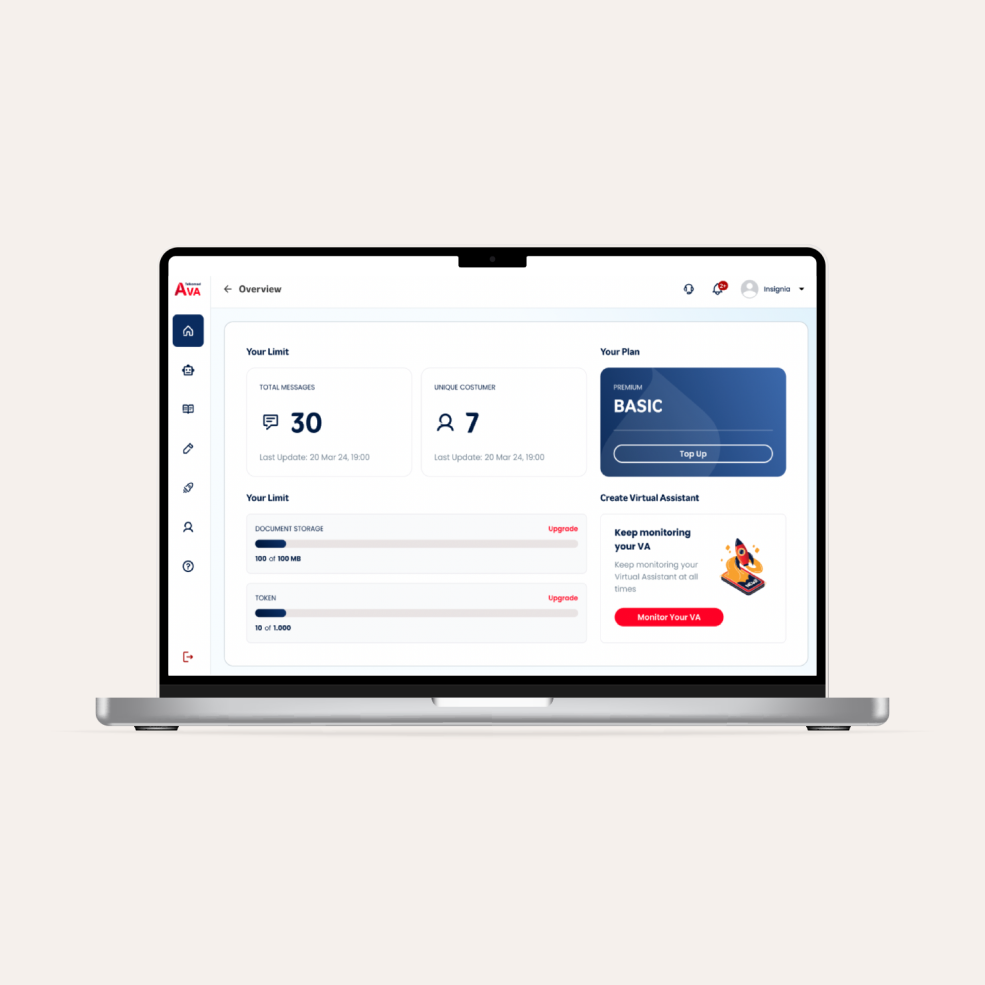
Processed data is presented through an interactive dashboard that allows users to understand operational conditions more easily.
When the platform detects an abnormal condition or a potential problem, the system can automatically send notifications to technical teams. Depending on the solution and its integration, it can also trigger automated corrective actions in the relevant system.
Key Components of an IoT Monitoring System
Untuk membangun ekosistem IoT monitoring yang tangguh, terdapat empat komponen utama yang harus saling terintegrasi dengan sempurna. Di antaranya:
1. IoT Sensors
Sensors act like the senses of an IoT ecosystem. They detect physical changes in the surrounding environment and convert those changes into data that can be analyzed.
The types of sensors used can vary significantly depending on industry needs. Businesses may use temperature sensors, humidity sensors, electrical current sensors, water pressure sensors, accelerometers, and many other types of sensors.
Sensor quality and accuracy are critical because inaccurate measurements can affect the validity of the data received by the entire monitoring system.
2. Connected Devices or Edge Devices
Connected devices serve as a place to collect sensor data while also functioning as an initial processing unit through edge computing.
In many IoT deployments, these devices are equipped with IoT SIM cards, also known as M2M SIMs, as well as communication modules. These components help package the collected data and transmit it securely to an external network.
3. Connectivity Network
Connectivity acts as the communication pipeline connecting field hardware to the data-processing platform. Choosing the right network is critical and should take into account coverage area, power consumption, device mobility, environmental conditions, and the volume of data being transmitted.
Cellular networks such as 4G and 5G are generally more suitable for highly mobile devices and applications that require larger data transmission capacity. Meanwhile, Low-Power Wide-Area Network (LPWAN) technologies are suitable for isolated sensors that need very low power consumption and long-range connectivity.
4. Monitoring and Data Management Platform
The monitoring platform serves as the brain of the IoT ecosystem. It is where data from thousands of connected devices can be collected, stored, analyzed, and presented.
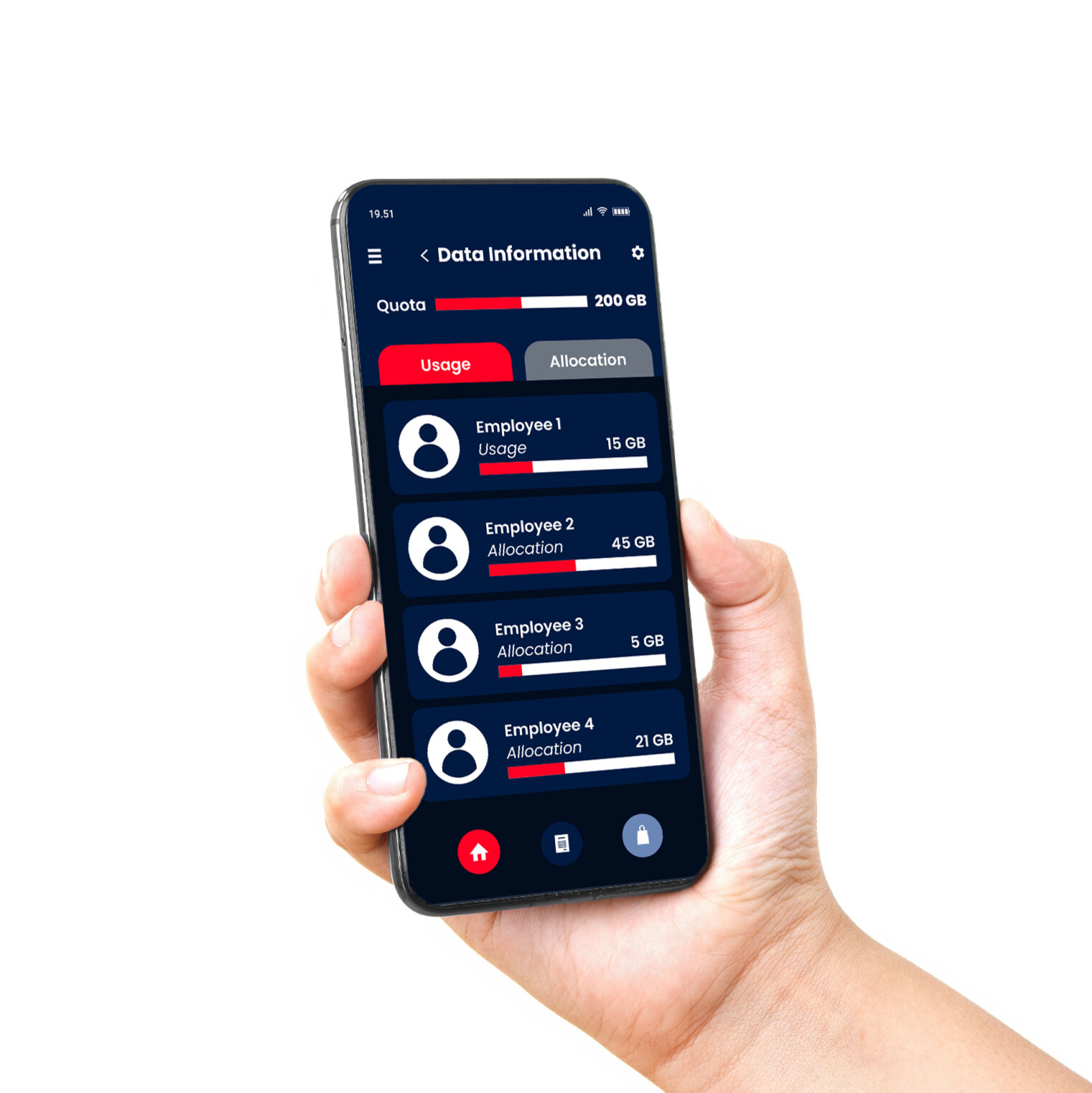
A modern platform does more than display real-time charts and dashboards. It can also provide device management capabilities, remote software updates through over-the-air (OTA) updates, connectivity management, and workflow automation.
Benefits of IoT Monitoring for Business
Implementing IoT monitoring can provide significant benefits for businesses, particularly when it is used to manage large-scale assets and operational processes.
1. Reduce Energy Consumption
Detailed energy monitoring allows businesses to understand how much electricity or fuel is being consumed by individual machines, facilities, or operational processes. This visibility makes it easier to identify unnecessary energy usage and pinpoint areas where resources are being wasted.
2. Operational Efficiency
Automated data collection eliminates the need for repetitive manual inspections and recording processes.
Instead of spending time collecting basic operational information, employees can focus on more strategic tasks that create greater business value. Meanwhile, monitoring processes can continue automatically around the clock, providing continuous visibility into operational conditions.
3. Early Detection of Damage (Predictive Maintenance)
One of the most valuable benefits of IoT monitoring is its ability to detect early signs of potential equipment problems before they develop into major failures. This supports predictive maintenance and helps reduce the risk of unexpected or unplanned downtime.
4. Support More Sustainable Operations
Reducing carbon emissions and improving resource efficiency have become important priorities for businesses across industries.
IoT monitoring can help companies optimize fuel consumption in vehicles, manage energy use in facilities, and improve the efficiency of industrial processes. These improvements can contribute to sustainability targets while helping businesses respond to increasingly strict environmental and emissions requirements.
Implementation of IoT-Based Monitoring Systems in Various Industries
The versatility of an IoT-based monitoring system means it can be applied across countless sectors:
Vehicle and Heavy Equipment Monitoring (Fleet Management)
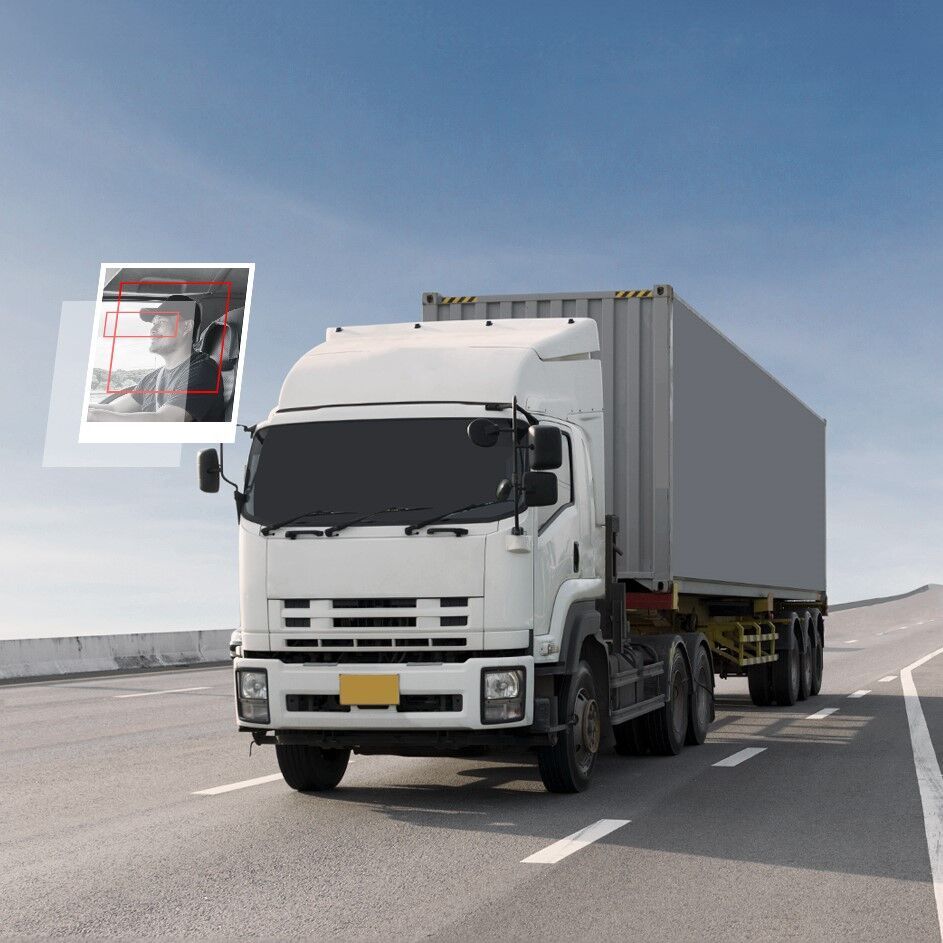
Logistics and mining companies can use IoT monitoring to track the geographic position of vehicles and heavy equipment accurately. The system can also monitor driving behavior, measure fuel consumption, and track the health and performance of heavy machinery operating in remote locations in real time.
Business Asset Monitoring
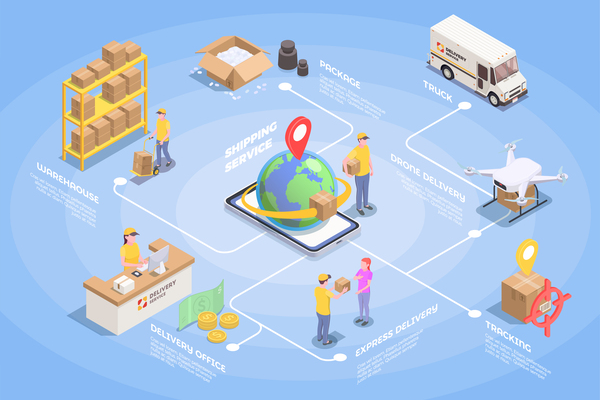
Retail companies and warehouses can use IoT monitoring to track the location, status, and movement of important assets. Smart sensors can provide visibility into the location and physical condition of high-value goods. This helps businesses reduce the risk of loss, theft, damage, or incorrect placement while making asset management more efficient.
Temperature and Humidity Monitoring (Cold Chain Monitoring)
Temperature and humidity control are critical in industries such as pharmaceuticals, food supply chains, and laboratories.
IoT sensors can continuously monitor cold storage facilities and refrigerated trucks to ensure that vaccines, medicines, food products, and other temperature-sensitive materials remain within the required conditions throughout the supply chain.
Environmental Monitoring
Forestry, agriculture, and government organizations can use IoT monitoring to observe environmental conditions. Sensors can be deployed to monitor air quality, water pollution, rainfall, soil conditions, and other environmental parameters. IoT systems can also help identify early signs of risks such as flooding or forest fires.
Industrial Machinery and Equipment Monitoring (Smart Manufacturing)
Manufacturing facilities can install IoT sensors across production lines to monitor parameters such as production output, hydraulic pressure, machine rotation speed, temperature, and other operational indicators.
Continuous monitoring helps ensure that manufacturing processes remain within required standards and can help identify technical problems before they suddenly interrupt production.
Challenges of Implementing IoT Monitoring
Although IoT monitoring offers many advantages, businesses also need to prepare for several challenges before implementing it at scale.
1. Initial Investment Costs
Building an IoT ecosystem requires investment in hardware and supporting infrastructure. Businesses may need to purchase sensors, gateways, connectivity services, and other equipment. Existing machines may also require retrofitting so they can connect to an IoT ecosystem.
For this reason, businesses should calculate their expected return on investment (ROI) and identify use cases that can provide measurable value.
2. Data and Device Security
Every connected sensor and device can represent a potential new attack surface for cyber threats. Risks may include unauthorized access to sensitive data, device identity theft, and Distributed Denial of Service (DDoS) attacks. These risks make strong encryption, strict authentication, access controls, and regular security updates essential.
The larger the number of connected devices, the more important IoT security becomes. Access management, data protection, device updates, and network activity monitoring should all be included as part of a comprehensive IoT security strategy.
3. Network Connectivity
Maintaining stable connectivity can be challenging, particularly when IoT devices operate in remote locations, areas with difficult geographic conditions, or industrial environments with strong electromagnetic interference.
As thousands of additional devices are connected, managing data traffic and maintaining an efficient network infrastructure can also become increasingly complex.
IoT Control Center: Optimize IoT Management with an Integrated Platform from Telkomsel Enterprise
IoT monitoring can give businesses better visibility into their assets, devices, and operational processes. However, the larger the number of connected devices becomes, the more complicated device and connectivity management can be.
That is why businesses need an approach that goes beyond data collection. Effective IoT management should also cover connected devices, connectivity, SIM cards, and operational information through a centralized system. With the right management approach, IoT data can be transformed into actionable information that helps businesses improve efficiency and respond more quickly to potential disruptions.
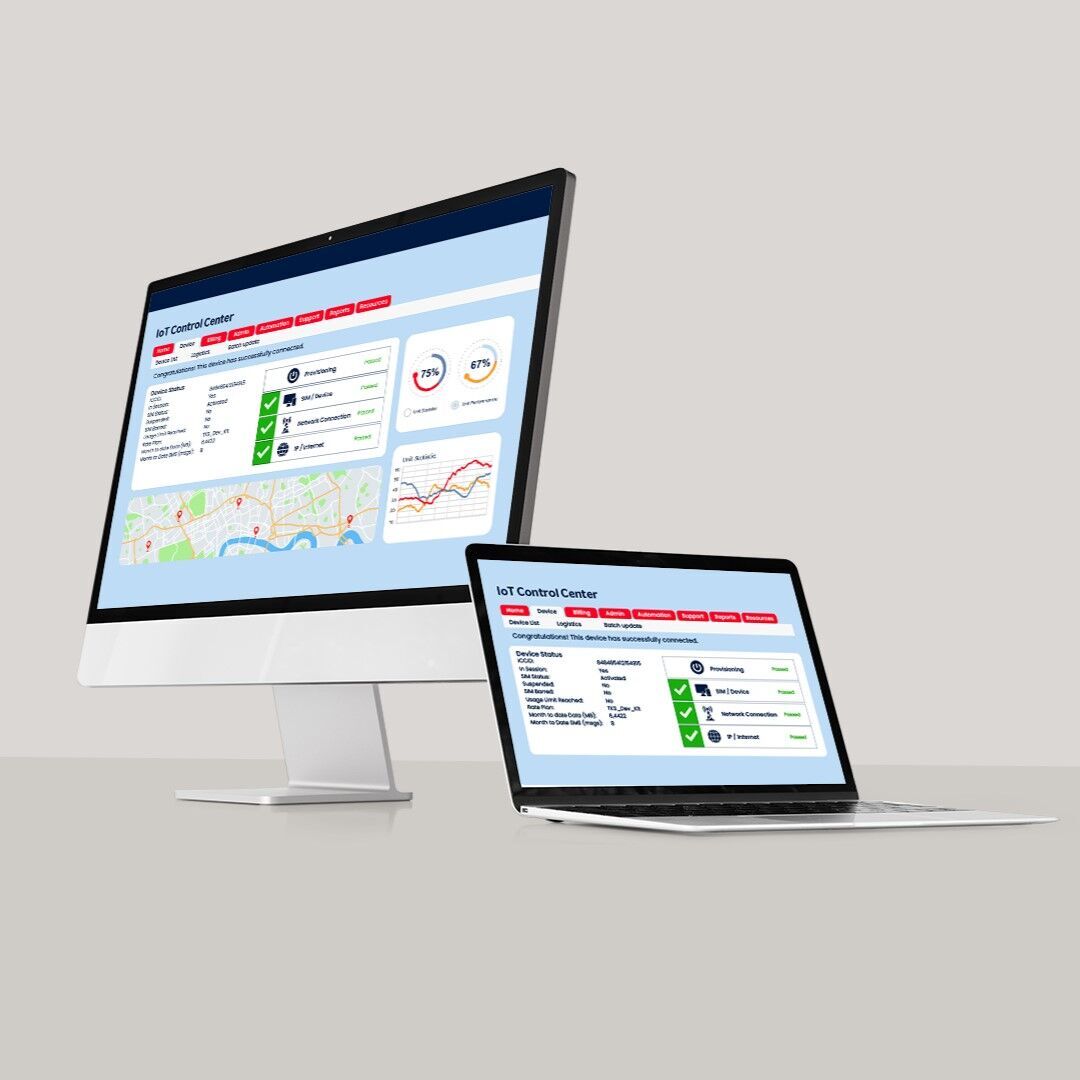
IoT Control Center from Telkomsel Enterprise helps businesses manage their entire IoT ecosystem through a single integrated platform. The solution provides real-time visibility into device status and connectivity, supports IoT SIM management across different locations, and provides greater insight into the performance of connected devices.
With centralized visibility and management capabilities, the solution can help businesses optimize IoT implementation, improve the efficiency of IoT device monitoring, and accelerate responses to potential connectivity or device-related issues.
IoT monitoring enables businesses to track asset conditions and operational processes in real time through a combination of sensors, connected devices, connectivity networks, and data management platforms. This technology can support energy savings, improve operational efficiency, identify potential equipment failures earlier, and help companies build more sustainable operations.
Optimize your operational efficiency and protect your valuable business assets today. Visit Telkomsel Enterprise and discuss your digital transformation requirements with our experts to find an IoT solution designed specifically around the scale and needs of your industry.
FAQ:
What is IoT monitoring?
IoT monitoring is the process of monitoring the condition of devices, assets, environments, or operational activities in real time using IoT devices connected to a network. Data collected by sensors can be monitored and analyzed through an integrated platform, giving businesses continuous visibility into the conditions of their assets and operations.
How Does an IoT-Based Monitoring System Work?
Sensors capture environmental or device data and transmit it via networks to a cloud platform for processing and visualization. The system also triggers instant alerts for abnormal conditions.
What Are the Differences Between IoT Monitoring and Conventional Monitoring Systems?
Digital tracking automates data collection for real-time, proactive analysis, whereas conventional methods rely on manual, reactive, and periodic physical inspections.