




The landscape of customer service is undergoing a profound transformation. One of the most frequently debated topics among decision-makers today is whether to deploy an On-Premise Contact Center or switch to a Cloud Contact Center powered by modern cloud technology
A recent report from Tigera as cited by VentureBeat, revealed that 75% of global enterprises now focus on cloud-based applications. Even more impressively, Gartner projects that by 2025, over 95% of new digital workloads will be deployed on cloud platforms, an astonishing rise from just 30% in 2021.
These numbers underscore how significantly cloud technology is shaping the modern business environment. However, the rise of cloud platforms brings its own set of considerations, particularly around data security and privacy, prompting some organizations to tread carefully.
On the other end of the spectrum, established industries or enterprises with highly customized operational needs often continue to favor On-Premise solutions. In fact, a Forrester study highlight, maintaining an On-Premise infrastructure remains a vital part of many companies' future hybrid cloud strategies.
Which path should your business take? This article provides a comprehensive breakdown of both On-Premise and Cloud Contact Centers, highlighting their unique benefits, limitations, and ideal use cases, so that your brand can confidently choose the solution that aligns best with your business goals.
Understanding On-Premise Contact Centers
Many companies still invest in their own infrastructure to support customer service. These setups are known as On-Premise Contact Centers, where everything from software to servers is managed internally.
1. What Is On-Premise Contact Center and Key Characteristics
An On-Premise Contact Center is a customer service solution where all infrastructure, including servers, routers, PBX systems, and databases is installed and maintained on-site. Unlike cloud-based systems, there’s no reliance on external data centers or third-party hosting. Everything runs under the company’s roof, under its direct supervision.
This means the business has complete authority over every component, from data storage and network configuration to software updates and security protocols.
-
Total Control: Companies retain full control over infrastructure and data. This autonomy allows for immediate updates and modifications without relying on third-party providers.
-
Enhanced Security: By overseeing the infrastructure directly, organizations can implement stricter, more tailored security measures, especially beneficial in highly regulated industries.
-
Reliable Performance: Without relying on external internet connections, system performance can be more stable and tailored to internal needs.
2. Advantages of Choosing On-Premise Contact Center
Before deciding whether On-Premise is the right solution, here are the core advantages of choosing this model:
-
Internal Data Ownership: All customer data stays within the company’s internal network. No risk of third-party access or data leakage.
-
Deep Customization: From user interfaces to backend workflows, the system can be tailored precisely to your business needs.
-
Compliance-Driven Security: With the ability to customize security protocols, On-Premise systems can be adapted to meet strict local or industry regulations.
3. Disadvantages of Choosing On-Premise Contact Center
However, there are also challenges that may be faced when choosing an On-Premise solution:
-
High Initial Investment: Purchasing servers, software licenses, networking equipment, and hiring IT specialists requires a significant capital outlay.
-
Ongoing Maintenance: Regular updates and system maintenance must be managed internally, adding operational workload.
-
Scalability Constraints: Scaling up can be time-consuming and costly, often requiring additional hardware and configuration.

Understanding Cloud Contact Center
When it comes to agility, flexibility, and rapid innovation, Cloud Contact Centers offer a clear edge. Backed by cloud technology, this model has become the go-to solution for businesses seeking efficient and scalable customer service platforms.
1. What Is Cloud Contact Center and Key Characteristics
Cloud Contact Centers are customer service platforms hosted virtually, enabling seamless access and real-time updates from virtually anywhere. These systems are no longer bound by physical servers, making them perfect for the remote work era.
Following are some of its main characteristics:
-
Anywhere Access: : Agents can log in from home, remote offices, or while traveling, as long as they have a stable internet connection.
-
Auto-Updates: Cloud providers manage updates and patches, ensuring the system remains secure and up-to-date without extra workload.
-
Effortless Scalability: Need to expand your capacity? With cloud solutions, it's often as simple as a few clicks.
2. Advantages of Choosing Cloud Contact Center
The benefits of cloud-based contact centers go beyond just accessibility:
-
Flexible Scaling: Businesses can scale up or down without massive infrastructure changes.
-
Lower Operational Costs: Subscription models reduce the need for large capital investments.
-
Reduced IT Burden: IT teams no longer need to manage hardware or complex upgrades, freeing them for higher-value tasks.
3. Disadvantages of Choosing Cloud Contact Center
While there are many advantages, there are also some considerations to think about:
-
Dependence on Internet Connectivity: Service interruptions can occur during network downtime.
-
Third-Party Data Handling: Sensitive information is stored off-site, which may raise concerns for organizations with stringent data regulations.

Key Factors in Choosing Between Cloud and On-Premise Contact Centers
The choice between On-Premise and Cloud Contact Center isn’t one-size-fits-all. The right decision depends on your business size, goals, industry, and technical maturity. Here’s a breakdown of the most important factors to consider:
1. Business Size and Complexity
-
Small to Mid-Sized Companies: Cloud solutions are generally more suitable due to affordability, flexibility, and ease of use.
-
Large Enterprises: For businesses requiring detailed integration and total control, On-Premise remains a viable and often necessary option.
2. Customization Needs
-
High Customization: On-Premise allows deep system personalization, making it ideal for businesses with unique workflows or regulatory needs.
-
Standard Requirements: Cloud platforms offer a broad range of pre-built features and integrations, which are often sufficient for standard operations.
3. Budget Considerations
-
Upfront Investment Available: On-Premise makes sense if you're ready to invest in long-term infrastructure.
-
Subscription Preference: Cloud platforms follow a pay-as-you-go model, aligning well with predictable monthly budgeting.
4. Data Security & Compliance
-
Strict Compliance Requirements: On-Premise allows for maximum control over data handling and security protocols.
-
Trusted Cloud Security: Many cloud providers are compliant with top-tier security certifications and offer encryption to protect your data.
5. Integration Complexity
-
Internal System Integration: On-Premise offers better compatibility with complex or legacy internal systems.
-
Standard App Integration: Cloud solutions typically provide plug-and-play integration with popular platforms like Salesforce, Microsoft Teams, and others.
Conclusion
There is no one-size-fits-all answer when choosing between On-Premise and Cloud Contact Centers. Each option has distinct advantages and challenges that should be weighed against your business goals, industry requirements, and internal capabilities.
Choose On-Premise Contact Centers, offer control, security, and deep customization nnd ideal for large enterprises with complex needs and compliance obligations.
Meanwhile Cloud Contact Centers, driven by the power of cloud technology, provide agility, cost-efficiency, and fast deployment, perfect for businesses prioritizing flexibility and innovation.
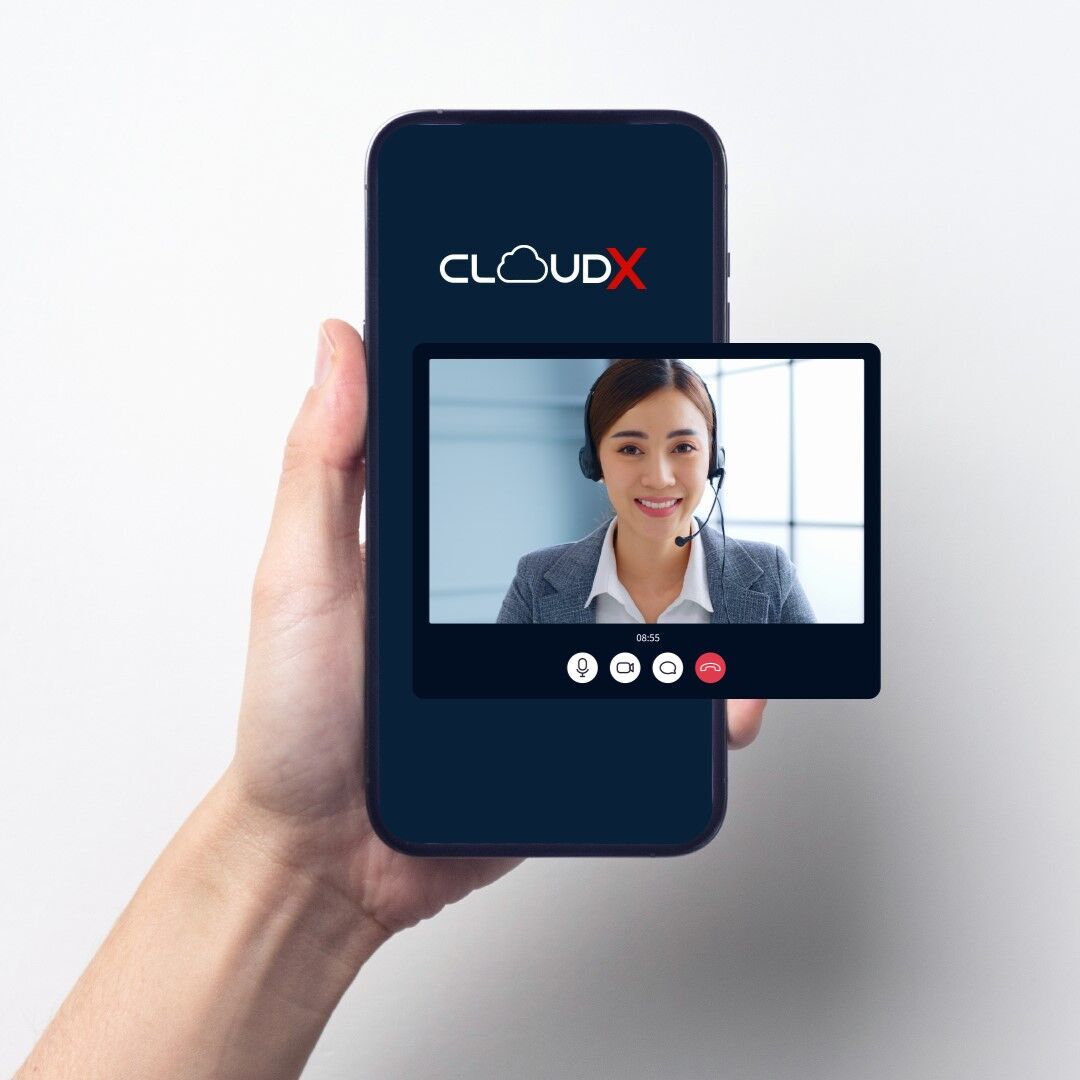
If you're aiming to modernize your customer service operations without the hassle of heavy infrastructure, consider adopting CloudX Hub from Telkomsel Enterprise.
CloudX Hub is a cloud-based communication platform that enables your team to manage customer interactions effectively, without investing in additional hardware.
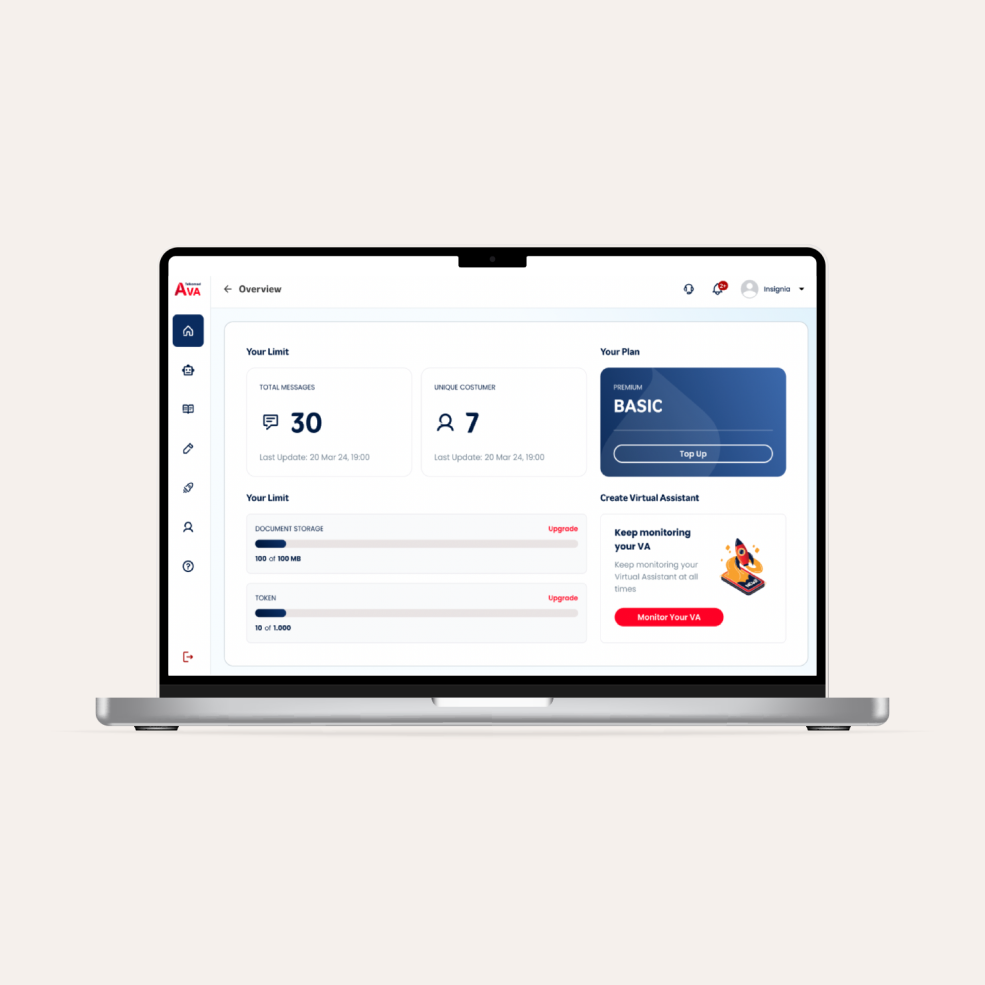
With features like remote access, business hotline support, and a user-friendly dashboard, CloudX Hub empowers your customer service teams to stay connected and responsive anytime, anywhere.
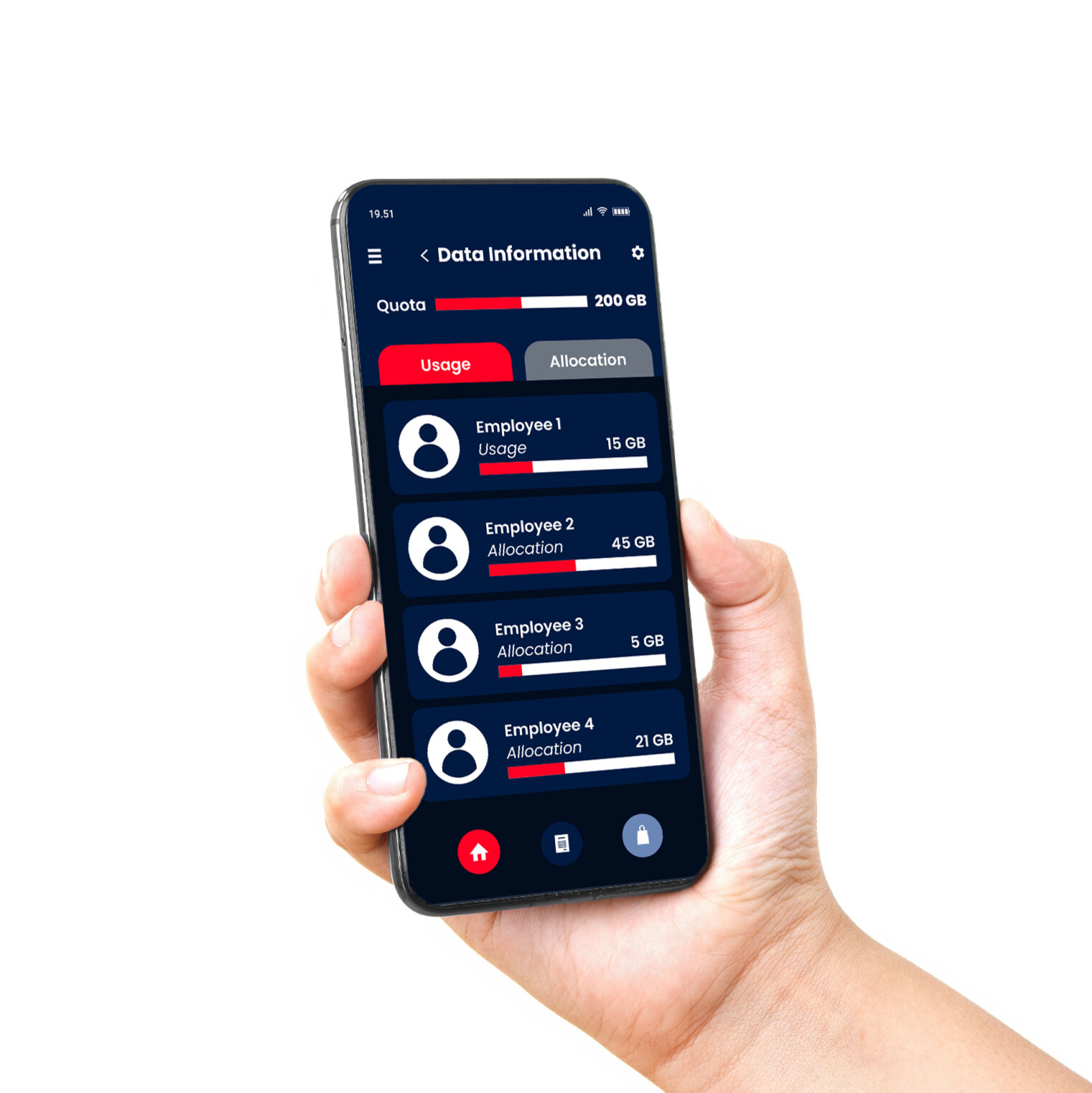
Designed for modern businesses, CloudX Hub offers seamless cloud deployment, secure communication channels, scalable contact center capabilities, and mobile-ready solutions via smartphone
Ready to future-proof your customer service with cloud technology? Schedule a consultation today and experience how CloudX Hub can transform your operations into a smarter, more agile contact center.