





An inventory system plays an essential role in managing stock, especially for companies that handle large quantities of products, raw materials, or assets that need to be stored in a warehouse. That is why businesses need an effective warehouse inventory system to improve storage efficiency while minimizing common risks, such as excess inventory, stock discrepancies, misplaced goods, and delays in distribution.
What Is a Warehouse Inventory System?
A warehouse inventory system is a method or system used to record, manage, monitor, and control inventory stored inside a warehouse. It covers every activity related to stock movement, from receiving goods and storing them to transferring, picking, and releasing items for production or distribution.
An inventory system is more than simply keeping track of how many items are available. It can also contain important information such as product types, item codes, storage locations, stock quantities, receiving dates, item status, and the complete history of inventory coming in and going out.
Why Is an Inventory System Important for Business?
Here are several reasons why an inventory system is important for business operations:
1. Provides More Accurate Information
Stock information is used to determine when a business needs to purchase additional goods, how much inventory should be prepared, and which products have high demand. This makes inventory data an important foundation for business decision-making.
2. Separates Older and Newer Stock
The system tracks receipt dates, allowing warehouse teams to apply methods like First-In, First-Out (FIFO). This is absolutely vital for perishable goods or items prone to quality degradation over time.
3. Helps Forecast Inventory Requirements
Historical inventory and transaction data can be used to estimate future inventory requirements. By understanding demand patterns, businesses can determine more accurately how much stock needs to be available during a particular period. Better forecasting helps companies avoid two equally costly situations, overstock and stockout.
4. Helps Organize Warehouse Layout
An inventory system can provide information about where products are stored, making it easier for warehouse employees to locate and retrieve goods. Information about product movement frequency can also be used to evaluate warehouse layouts.
5. Makes Inventory Checking Easier
Inventory data needs to be compared regularly with the actual physical stock in the warehouse to identify discrepancies.
Routine inventory checks allow businesses to detect problems earlier, whether they are caused by recording errors, misplaced products, damaged goods, or other operational issues. Finding these problems early can prevent them from affecting production and distribution processes.
Key Components of a Warehouse Inventory System
To function optimally, a warehouse inventory system relies on several core components working together seamlessly:
-
Product data: includes basic information such as product codes, item names, categories, units, stock quantities, and other product characteristics.
-
Storage location data: records where items are stored based on racks, aisles, areas, zones, or other designated warehouse locations.
-
Inbound and outbound inventory records: the foundation for regularly updating stock levels in real-time.
-
Inventory control system: defines rules for minimum and maximum stock levels, inventory issuing methods, storage priorities, and procedures for handling damaged, defective, or non-conforming goods.
-
Supporting technology: helps automate data collection and updates through technologies such as barcodes, RFID, IoT sensors, mobile applications, Warehouse Management Systems (WMS), and other digital solutions.
-
Human Resources: the skilled workforce needed to execute and optimize warehouse management procedures.
How to Build an Effective Warehouse Inventory System
Setelah memahami pentingnya sistem inventory, Anda perlu memastikan penerapannya dilakukan melalui strategi berikut ini:
1. Prepare Inventory Data and Forecast Stock Requirements
Make sure your company has complete and accurate inventory data. This data should include current stock levels, sales history, inventory movement speed, procurement lead times, and demand patterns. Once the data is available, use it to create an inventory forecast.
More accurate forecasting helps determine how much inventory should be maintained while also preparing the business for periods of higher demand. As a result, the required stock can be prepared before a sudden increase in demand occurs.
2. Recheck and Verify Inventory Data
Before using inventory data as a basis for business decisions, conduct a thorough check to ensure that the information matches the actual physical conditions in the warehouse. Verify product codes, quantities, storage locations, and item status.
If any discrepancies are found, investigate them immediately to identify the underlying cause. This step is essential because even an advanced inventory system can provide inaccurate information when the initial data entered into the system is incorrect.
3. Separate New and Old Inventory
Separate and clearly label older and newer stock so warehouse teams can determine which items should be released first.
For certain types of products, applying the First In, First Out (FIFO) method can reduce the risk of inventory remaining in storage for too long. Meanwhile, for products with expiration dates, businesses should consider using the First Expired, First Out (FEFO) method.
4. Create a Clear Warehouse Workflow
Every warehouse activity should follow a clear and structured workflow, starting from receiving goods, inspection, and storage to inventory movement, picking, packing, and shipping.
Clearly defined procedures help every team member understand their individual tasks and responsibilities. At the same time, standardized workflows can minimize potential errors, prevent confusion, and speed up day-to-day warehouse operations.
5. Conduct Regular Stock Counts
The frequency of physical stock counts should be adjusted to the characteristics of each business. Companies with high inventory turnover may need to conduct stock checks more frequently than businesses with relatively low transaction volumes.
The results of these stock counts can also be used to identify recurring patterns in inventory discrepancies and evaluate the effectiveness of existing inventory control procedures.
6. Latih Tim Gudang Secara Berkala
Regular training ensures that employees continue to understand warehouse procedures, especially when there are changes to the inventory system, technology, or operational workflows.
Warehouse teams should understand how to use the inventory system, follow standard operating procedures (SOPs), record inventory accurately, and handle different situations that may occur during daily warehouse operations.
7. Use an Integrated Inventory Management System
Avoid relying on multiple data sources that are not connected to each other. For example, some inventory information may be stored in spreadsheets, other data may be recorded in separate applications, while some records may still be maintained manually.
An integrated warehouse inventory system, on the other hand, brings inventory data together on a single platform. Information about stock levels, inbound and outbound goods, and inventory movements can be managed in a more centralized and connected way. With connected data, relevant teams can access more consistent and up-to-date inventory information while monitoring warehouse conditions more easily.
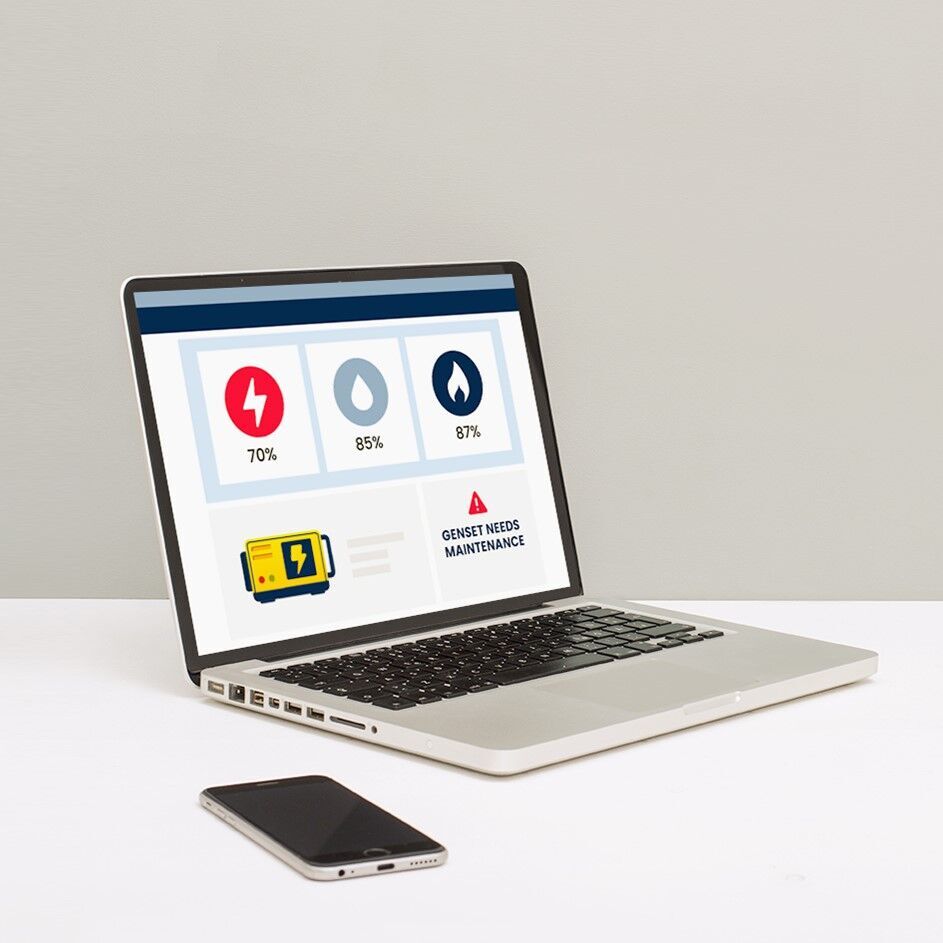
To support these requirements, Smart Manufacturing Smart Warehouse from Telkomsel Enterprise helps businesses digitize their warehouse inventory systems through IoT technology and real-time monitoring. The solution can help automatically track inventory movement, improve inventory visibility, maintain stock data accuracy, and optimize storage and distribution processes.
With an integrated system, warehouse operations no longer need to depend heavily on manual records or inventory data spread across multiple platforms. Businesses can gain more connected and reliable information to improve efficiency, accelerate decision-making, and optimize overall warehouse performance.
Now is the time to take inventory management to the next level with a more integrated and data-driven warehouse system. Consult your business requirements with Telkomsel Enterprise and discover the right Smart Manufacturing Smart Warehouse solution to support more efficient and connected warehouse operations.
FAQ:
What is an inventory system?
An inventory system is a system used to record, manage, and monitor inventory, including stock quantities and the movement of goods entering and leaving a warehouse.
What is the main function of a warehouse inventory system?
The main function of a warehouse inventory system is to help businesses accurately monitor inventory availability and stock movement. With better inventory visibility, warehouse management and business decision-making can be carried out more efficiently.
How do you create a warehouse inventory system?
To create a warehouse inventory system, businesses can start by identifying their inventory recording requirements, creating a product database, establishing clear inbound and outbound inventory workflows, and selecting inventory software that can integrate with other operational systems.
What components should an inventory system have?
An inventory system generally includes product data, stock records, inbound and outbound inventory records, storage location information, inventory movement tracking, as well as inventory reports and monitoring.