




Cyber threats continue to evolve, and among the most cunning and dangerous is the Man-in-the-Middle attack (MitM). Unlike brute-force hacks or obvious malware, MitM attacks are stealthy, often going unnoticed until the damage is already done. This type of attack doesn’t just target individuals, but it poses a serious threat to enterprise data security and even cloud security infrastructures.
What makes Man-in-the-Middle attacks so dangerous is their ability to silently hijack communication channels between users, intercepting or altering data during its transmission. Attackers strategically place themselves between two communicating parties, whether through unsecured networks, compromised software, or phishing traps, making it possible to steal sensitive information or even manipulate content in real time.
According to Kaspersky’s 2024 cyber threat forecast, the digital world will face a significant surge in security threats, especially those targeting mobile devices, wearables, and persistent threat campaigns (APTs). These evolving attack surfaces, combined with everyday reliance on public Wi-Fi and outdated communication protocols, give MitM attackers a wider playground than ever before.
In this article, we’ll explore everything you need to know about Man-in-the-Middle attacks, from how they work and the types you need to watch for, to the prevention strategies your business must adopt. With strong cybersecurity awareness and proactive defense, organizations can secure their data and minimize risks from these deceptive attacks.
What Is a Man-in-the-Middle Attack (MitM)?
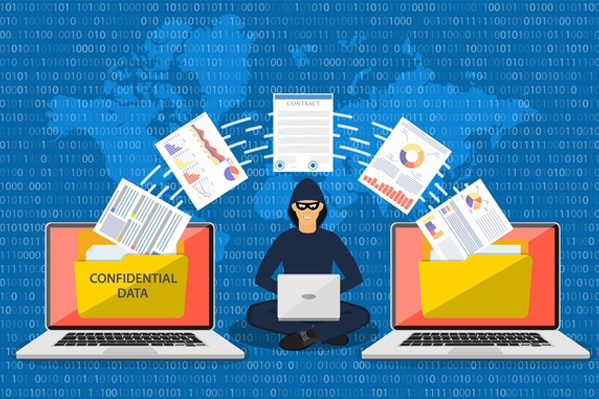
A Man-in-the-Middle (MitM) attack is a form of cyber assault where an unauthorized third party secretly intercepts and possibly alters communication between two parties without their knowledge.
Imagine you're sending a confidential email or completing a financial transaction. You believe the communication is private, but behind the scenes, a hidden attacker is eavesdropping, copying your data, or modifying it before it reaches the intended recipient.
The basic concept involves three entities: the sender, the recipient, and the attacker, who strategically places themselves between the two. This attack vector can infiltrate any form of online communication, from simple emails to login sessions and encrypted financial data, especially when devices are connected through unsecure networks.
What enables MitM attacks to succeed is often a combination of poor network security, unsecured cloud systems, outdated software, or deceptive tactics like phishing.
The consequences? Identity theft, financial fraud, data breaches, and long-term damage to brand reputation. For enterprises, the fallout can include regulatory fines, customer distrust, and operational downtime, especially if cloud security systems are compromised.
How a Man-in-the-Middle Attack Works
To truly defend against a man-in-the-middle attack, you need to understand the step-by-step process cybercriminals use to infiltrate digital communications. The attack typically unfolds in three distinct phases, surveillance, interception, and injection.
1. Surveillance, The Silent Reconnaissance
The attacker begins by identifying their target, an individual, a device, or an entire network. They actively search for vulnerabilities such as unsecured Wi-Fi networks, unpatched systems, or exploitable software.
2. Interception, Breaking into the Conversation
Once a weakness is found, the attacker infiltrates the communication channel. This might involve eavesdropping on data traffic, setting up rogue access points, or exploiting a weak authentication protocol.
3. Injection, Manipulating the Data Stream
After intercepting the communication, the attacker manipulates the data being transmitted. This can include altering the content of emails or chat messages, injecting malware, or stealing authentication credentials. In some advanced cases, malicious code is inserted to give the attacker persistent access to the system.
What makes these attacks even more dangerous is how stealthy they are. Victims often remain unaware until their data is misused, or their accounts compromised.
Common Types of Man-in-the-Middle Attacks
There are several ways attackers can execute a MitM attack, each with distinct techniques and objectives. Understanding these variations is key to building a robust defense.
1. ARP Spoofing
The attacker sends fake Address Resolution Protocol (ARP) messages to a local network, associating their MAC address with the IP address of a legitimate user. This allows them to reroute traffic through their device, silently capturing data.
2. DNS Spoofing
The Domain Name System (DNS) translates human-readable URLs into IP addresses. In a DNS spoofing attack, hackers corrupt the DNS cache to redirect users to counterfeit websites that look identical to the real ones.
Victims enter their login details, believing they’re on a secure platform, only to hand their credentials directly to the attacker. These fake sites are often used for phishing, credential harvesting, or spreading malware.
3. SSL Hijacking
Secure Sockets Layer (SSL) and its successor, TLS, are designed to encrypt data between users and websites. However, in SSL hijacking, attackers exploit weaknesses in the handshake process or use fake certificates to impersonate a trusted site.
When successful, the user sees a padlock icon and believes the connection is secure, when in reality, the attacker is decrypting, reading, and re-encrypting all traffic. This is known as a 'downgrade attack'.
4. Session Hijacking
Even after a user log in securely, their session remains vulnerable. In session hijacking, attackers steal session tokens, small pieces of data that maintain login status. These tokens can be captured via packet sniffing, cross-site scripting (XSS), or by exploiting unsecured cookies.
Once the attacker has the token, they can impersonate the user, access private accounts, and perform actions as if they were the legitimate owner, without needing a password.
Each of these methods requires its own prevention strategy, but they all share one thing in common: they exploit weaknesses in communication channels and trust protocols.
The Real-World Impact of Man-in-the-Middle Attacks
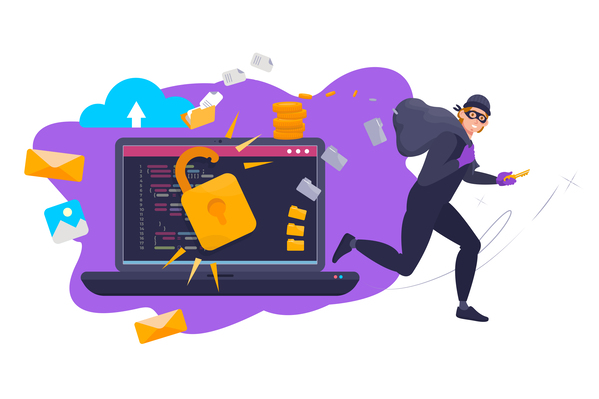
The consequences of MitM attacks go far beyond stolen passwords. The damage can be financial, reputational, operational, and even legal. Here are some of the most significant risks:
1. Privacy Violations and Data Theft
Attackers can harvest a wide range of private data, from credit card numbers and login credentials to personal identity information. These breaches not only harm individuals but also violate data protection regulations.
2. Identity Theft and Financial Fraud
With access to private information, attackers can impersonate victims, make unauthorized transactions, or engage in other forms of fraud that can destroy a person's or company’s financial standing.
3. Enterprise Risks & Reputational Damage
For businesses, MitM attacks can expose trade secrets, client information, and intellectual property. Such breaches lead to a loss of customer trust, damage brand reputation, and often require costly recovery efforts.
Especially in cases where cloud security is compromised, a MitM attack can threaten the integrity, availability, and confidentiality of data hosted on cloud services, disrupting workflows and causing long-term business damage.
How to Prevent Man-in-the-Middle Attacks
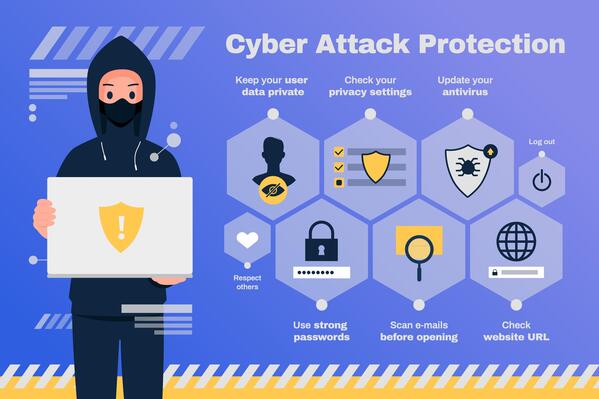
Prevention is your strongest weapon against MitM threats. Here's how businesses and individuals can stay protected from this form of cybersecurity attack:
1. Cybersecurity Training & Awareness
Human error remains one of the biggest vulnerabilities. Regular cybersecurity training helps employees recognize red flags, such as suspicious login pages, unexpected certificate warnings, or unusual network behavior. Awareness is the first line of defense.
2. Enforce HTTPS Protocols
Always ensure websites and applications use HTTPS with valid SSL/TLS certificates. The padlock icon in the browser bar is not just a symbol, but it’s a sign of encrypted communication. Organizations should implement HTTP Strict Transport Security (HSTS) to prevent downgrade attacks.
3. Implement Multi-Factor Authentication (MFA)
Even if login credentials are stolen, multi-factor authentication adds a critical extra layer of protection. Solutions like Telco Verify from Telkomsel Enterprise use network-based authentication to verify user identity beyond passwords. This makes it exponentially harder for attackers to hijack sessions or impersonate legitimate use
4. Use VPNs on Public Networks
A VPN (Virtual Private Network) is useful for hiding and encrypting internet traffic. Using a VPN is highly recommended, especially when connecting to public Wi-Fi networks, to prevent snooping and data interception.
5. Regular Software Updates & Security Patches
Regular updates and patching close known security gaps in operating systems, browsers, and applications. Cybercriminals often exploit outdated software, so staying current is a simple yet powerful defense.
6. Avoid Unsecured Wi-Fi Networks
Whenever possible, avoid connecting to public Wi-Fi without protective tools like VPNs. Unsecured networks are a favorite hunting ground for cybercriminals deploying MitM attacks.
When these steps are combined and maintained consistently, organizations can significantly reduce their exposure to Man-in-the-Middle threats and other advanced cybersecurity threats.
Conclusion
Staying secure in today's digital landscape requires constant vigilance. Man-in-the-Middle attacks might be stealthy, but they are preventable with the right approach. Businesses must prioritize cybersecurity, not just for compliance, but to protect their customers, reputation, and operations.
From HTTPS, multi-factor authentication to cloud security fortification, taking proactive steps is essential. Solutions like Telkomsel Enterprise’s Telco Verify, part of Telkomsel Enterprise’s Authentication Protection (TAP) initiative, are leading the way in secure digital identity verification. By leveraging carrier-grade network authentication, these solutions provide a stronger, more reliable alternative to traditional password-based logins.
Built with robust network-level authentication technology, Telco Verify provides enhanced protection for businesses aiming to stay ahead of increasingly sophisticated cyber threats. By implementing such layered security solutions, companies can confidently guard their digital infrastructure.
Interested in deploying Telco Verify at your enterprise? Reach out to us today and discover how we can help you secure your data and protect your business from evolving cyber threats.