





Logistics management plays a vital role in keeping business operations running smoothly across industries such as manufacturing, retail, distribution, e-commerce, and healthcare. Without an effective logistics strategy, companies can face delayed deliveries, rising operational costs, inventory inaccuracies, and declining customer satisfaction.
As supply chains become more complex, businesses need a logistics management system that is connected, efficient, and powered by digital technology. One of the most effective innovations supporting this transformation is a smart warehouse. By automating warehouse operations and improving inventory visibility, smart warehouse solutions help businesses optimize storage, inventory management, and product distribution while increasing overall operational efficiency
What Is Logistics Management?
Before exploring how a smart warehouse improves operational performance, it's important to understand what is logistics management.
Logistics management is the process of planning, organizing, executing, and controlling the movement of goods, information, and resources from raw material procurement to the final delivery of products to customers. It covers every stage of the supply chain, including warehousing, inventory management, transportation, distribution, and even product returns when necessary.
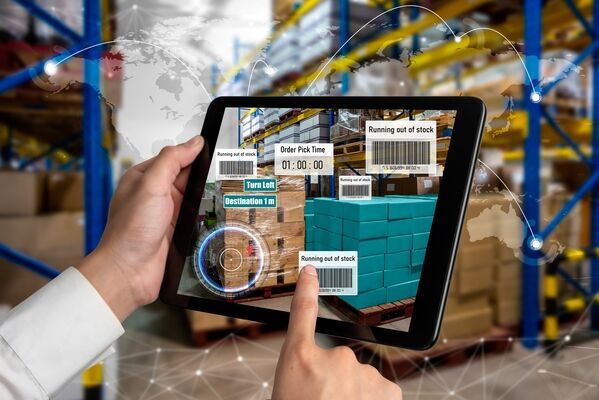
Today's logistics management goes far beyond manual record-keeping and traditional warehouse operations. Companies increasingly rely on digital technologies such as the Internet of Things (IoT), Radio Frequency Identification (RFID), Artificial Intelligence (AI), cloud computing, and Warehouse Management Systems (WMS) to improve data accuracy, automate workflows, and streamline operations.
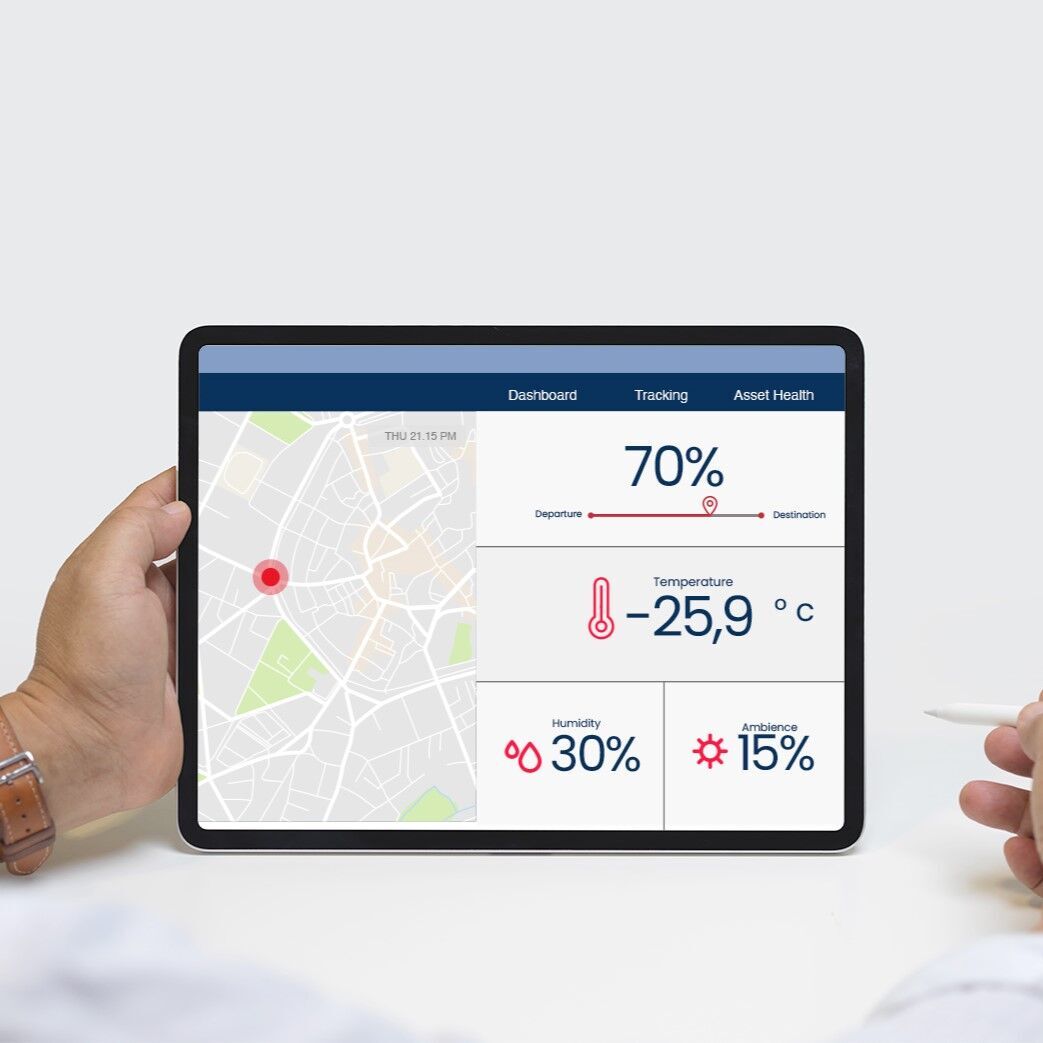
Digital transformation also provides real-time visibility across the entire supply chain. With accurate, up-to-date information, businesses can make faster decisions, respond quickly to operational challenges, and continuously improve logistics performance.
Goals of Logistics Management in Business
The primary objectives of implementing a robust system include:
Reduce Operational Costs
Efficient inventory management minimizes storage expenses while well-planned distribution strategies reduce transportation and fuel costs. Proper logistics management also prevents unnecessary spending caused by excess inventory (overstock) or insufficient stock (stockout), both of which can disrupt business operations.
Prevent Delays and Operational Errors
Inventory recording mistakes, incorrect order picking, and shipping errors often result in delayed deliveries and dissatisfied customers. An integrated logistics management system enables businesses to monitor every operational stage with greater accuracy, reducing costly mistakes throughout the supply chain.
Improve Customer Satisfaction
When you fulfill orders efficiently and on schedule, customers notice. Reliable delivery and pristine product quality build long-term loyalty and trust in your brand.
Increase Operational Efficiency
Logistics management creates better coordination between procurement, manufacturing, warehousing, and distribution teams. When every department works within a connected system, workflows become more efficient, productivity increases, and resources are utilized more effectively.
Key Components of Logistics Management
Successful logistics management depends on several interconnected components that work together to keep the supply chain running efficiently.
1. Inventory Planning
Inventory planning maintains the right balance between market demand and available stock. Proper planning reduces storage costs while ensuring products remain available whenever customers need them. It also minimizes inventory shortages and prevents unnecessary overstocking.
2. Inbound Logistics
Inbound logistics includes every activity involved in moving raw materials or goods from suppliers to manufacturing facilities or warehouses. This process covers supplier selection, delivery scheduling, quality inspections, receiving goods, and initial storage.
An efficient inbound logistics system ensures production receives the necessary materials on time while maintaining consistent product quality.
3. Outbound Logistics
Outbound logistics focuses on delivering finished products to customers, retailers, or distribution partners. Activities include packaging, temporary storage, route planning, shipping coordination, and final product distribution.
When managed effectively, outbound logistics help businesses meet delivery deadlines, reduce transportation costs, and improve customer service quality.
4. Demand Analysis
Demand analysis enables companies to understand customer purchasing behavior by analyzing historical sales data, market trends, and seasonal fluctuations. These insights support more accurate production planning, inventory forecasting, and distribution strategies, allowing businesses to respond quickly to changing market conditions.
5. Fleet Management
Fleet management oversees the vehicles used for product distribution. Key activities include scheduling deliveries, tracking vehicle locations, monitoring fuel consumption, planning maintenance, and improving route efficiency.
Well-managed fleets contribute to lower transportation costs while ensuring products arrive safely and on schedule.
Why Logistics Management is Important for Companies?
Many businesses ask why logistics management is important, especially as supply chains continue to evolve. Effective logistics management helps companies:
-
Reduce waste throughout storage, transportation, and distribution processes.
-
Shorten delivery times while lowering fuel consumption.
-
Improve overall business profitability through better operational efficiency.
-
Free up valuable resources that can be invested in business expansion and innovation.
-
Maintain product quality during storage and transportation.
-
Reduce the risk of product damage before goods reach customers.
-
Create a better customer experience through reliable order fulfillment.
-
Strengthen supply chain resilience by improving coordination among suppliers, warehouses, and distribution partners.
-
Respond more effectively to operational disruptions and changing market demand.
-
Monitor logistics activities in real time through integrated digital systems.
-
Make faster, data-driven decisions that continuously improve logistics performance.
Challenges in Logistics Management
One of the biggest challenges is the increasing complexity of supply chains. As companies expand into new markets and collaborate with more suppliers, distributors, and logistics partners, coordination becomes significantly more demanding. Efficient communication and seamless information sharing become critical for maintaining smooth operations.
Limited visibility into inventory and business assets is another common issue. Without an integrated monitoring system, inventory records can become inaccurate, leading to production delays, fulfillment errors, and unnecessary operational costs.
Businesses must also deal with rising transportation expenses, changing regulations, and growing customer expectations for faster deliveries. These pressures require companies to continuously improve efficiency while adopting digital technologies that support smarter logistics operations.
Strategies to Optimize Logistics Management
To overcome these challenges, you need strategies that boost efficiency and provide total visibility. The secret lies in digitizing warehouse operations and monitoring assets in real time.
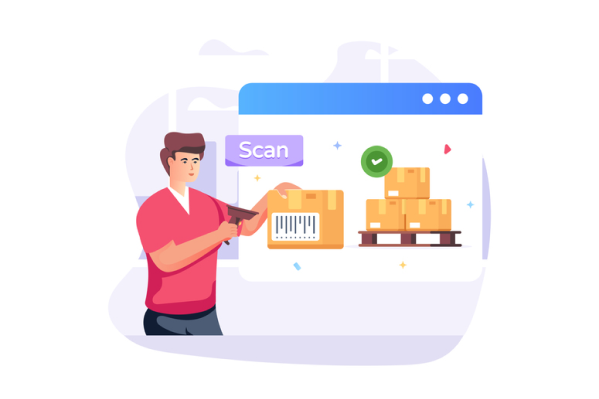
Warehouse digitalization accelerates receiving, storage, inventory picking, packing, and distribution processes. It also improves inventory accuracy while reducing dependence on manual tasks that are more susceptible to human error.
To support this digital transformation, Telkomsel Enterprise offers the Smart Manufacturing Smart Warehouse solution. This platform helps companies handle their supply chains with modern, highly efficient methods. It enables real-time tracking of asset and inventory movements, giving you complete oversight of warehouse activities.
Upgrade your business operations with the Smart Manufacturing Smart Warehouse from Telkomsel Enterprise! Unlock a more efficient, fully integrated, and data-driven warehousing system to fuel your sustainable business growth.