


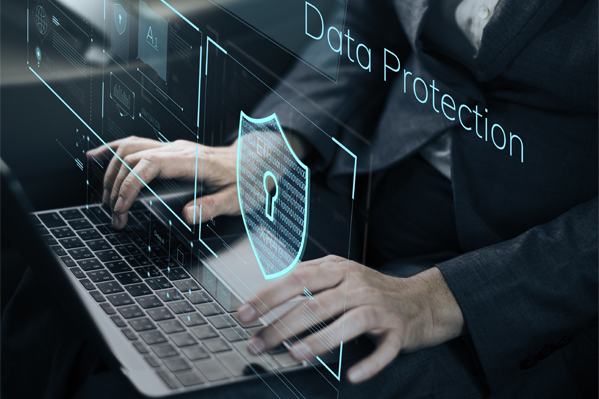


As the internet becomes increasingly interconnected, protecting the integrity and security of digital information stands as a critical priority.
Often regarded as the frontline defense in the digital realm, cybersecurity plays an essential role in shielding data and information from unforeseen threats.
What Is Digital Security and Its Importance for Internet Users
Cybersecurity is the foundation of safe digital interaction. It involves technologies, processes, and best practices designed to protect systems, networks, and sensitive data from cyberattacks or unauthorized access.
For businesses, digital security safeguards the confidentiality, integrity, and availability of critical information. But it’s not just large corporations that are targets. Anyone with a digital footprint, from social media users to online banking customers and e-commerce shoppers is at risk.
To understand how urgent the digital security conversation has become, consider recent data and incidents in Indonesia:
-
Spike in Attacks: According to the Badan Siber dan Sandi Negara, cyberattacks in Indonesia have increased year after year. In 2023, threats like ransomware, phishing, and massive data breaches continued to dominate the cybersecurity landscape.
-
Massive Data Breach: In early 2020, a major Indonesian e-commerce platform suffered a breach that compromised millions of user accounts, including names, emails, and phone numbers.
These examples highlight a growing trend: cybersecurity is no longer just an IT issue, but it’s everyone’s responsibility. Thankfully, technologies like OTP, 2FA, and advanced identity verification solutions are here to help.

What Is OTP (One-Time Password)?
To boost security when accessing various digital platforms, many services now use additional authentication methods. One popular and widely accepted standard is the OTP, or One-Time Password, which plays a crucial role in protecting user identities.
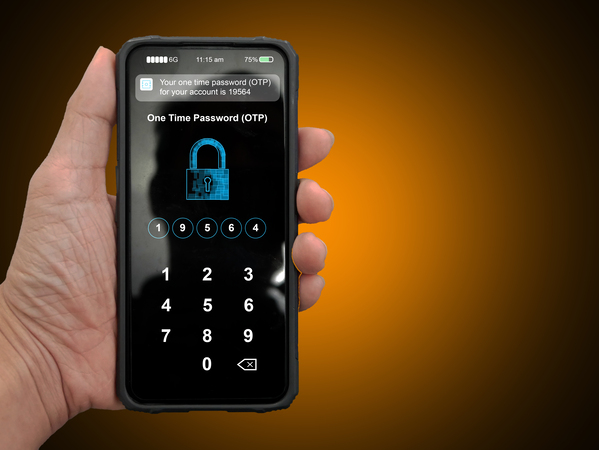
An OTP is a unique numeric or alphanumeric code that’s only valid for a single transaction or login session.
Unlike traditional passwords that remain the same, an OTP changes every time it’s used. This dynamic nature ensures that even if someone else gets hold of the code, it can’t be reused for the same purpose.
How OTP Works and Common Use Cases
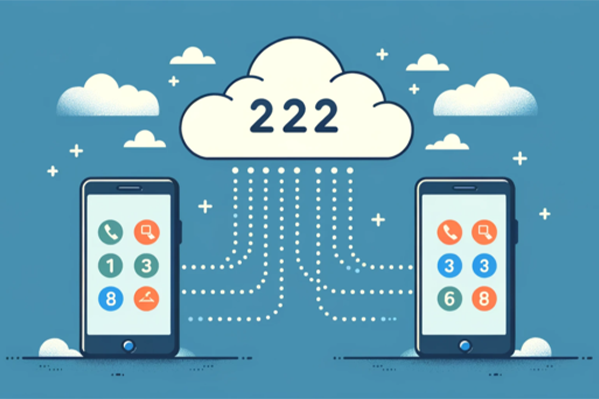
Whenever a user attempts to log into a platform or perform a transaction, the system automatically sends an OTP to a pre-registered device like a smartphone or email.
The user then must enter this code within a specific time frame to proceed.
For instance, when making an online banking transaction, the bank will send an OTP to the registered phone number. Only after entering this code can the transaction move forward. The same applies when updating account details on a platform, such as changing an email address or phone number.
What Are the Advantages and Disadvantages of OTP?
Advantages
-
Extra Security: Because the code changes constantly, OTP adds a strong layer of protection that’s tough for attackers to bypass.
-
Prevents Unauthorized Access: Even if someone steals your main password, they can’t get into your account without the OTP.
-
User-Friendly: Users simply enter the received code without needing to remember additional passwords.
Disadvantages
-
Device Dependency: If your phone is lost, has poor signal, or runs out of battery, receiving the OTP can become difficult.
-
Delivery Delays: Sometimes the OTP may arrive late, causing frustration or delays in completing transactions.
Overall, OTP provides a practical and effective way to enhance digital security, especially when combined with other protective measures.
What Is 2FA (Two-Factor Authentication)?
As digital threats continue to grow, stronger authentication methods have become essential to protect users’ data and sensitive information. One of the most widely adopted solutions across platforms today is 2FA, or Two-Factor Authentication.
2FA is a security process that requires users to provide two different forms of verification before gaining access to an account or service.
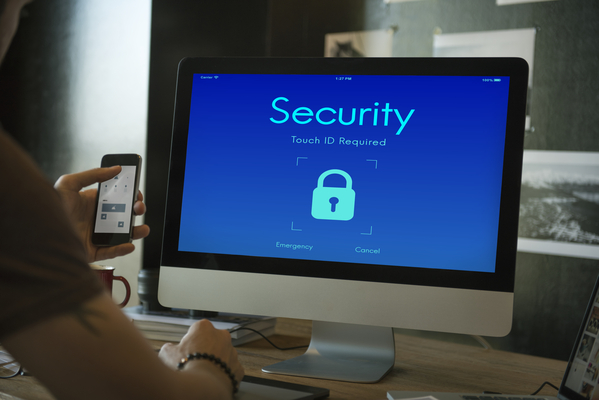
Simply put, it’s not enough to just enter a password anymore, you also need to prove your identity with a second factor. This could be an OTP (One-Time Password), a fingerprint scan, facial recognition, or even voice verification. There are plenty of options to choose from.
The Difference Between Single-Factor and Two-Factor Authentication
Single-factor authentication usually asks for just one form of verification, typically a password. But with 2FA, an extra layer of security is added.
For example, after entering your password, the system may prompt you to input a code sent via SMS, WhatsApp OTP, or generated through an authenticator app.
How 2FA Works and Real-Life Examples
In practice, once you type in your password, the system requests a second form of verification. This can be:
-
An OTP sent through SMS, WhatsApp OTP, or apps like Google Authenticator.
-
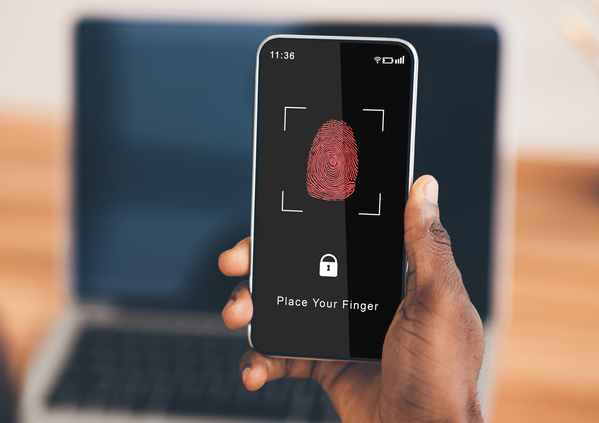
A fingerprint scan, if your device supports biometric technology.
-
Facial recognition or voice authentication.
For instance, when logging into your online banking, after you enter your password, the bank often asks you to verify your identity with a fingerprint or a one-time code to complete the login process.
The following are the advantages and disadvantages of using 2FA
Advantages
-
Maximum Security: With two layers of verification, it’s much harder for unauthorized users to access your account.
-
Data Protection: 2FA adds a strong shield for personal data and important information.
-
Fraud Prevention: Requiring extra verification reduces risks from phishing and other scams.
Disadvantages
-
Possible Delays: Sometimes, there can be a lag in receiving the OTP or other verification codes.
-
Trouble When Losing Devices: Losing your phone or authentication device can make accessing 2FA-protected services difficult.
Overall, 2FA significantly boosts security, providing peace of mind against many common cyber threats while still offering flexible ways to verify identity.
Latest Technologies and Solutions in Cybersecurity
In response to rising cyber threats, cutting-edge cybersecurity solutions are evolving rapidly. From biometric verification to behavior-based authentication, here are some technologies setting new standards in digital security:
1. Telkomsel Authentication Protection (TAP): Telco Verify
As one of Indonesia’s largest telecommunications providers, Telkomsel Enterprise has introduced a cutting-edge security solution called Telco Verify.
This service is designed to add an extra layer of protection by verifying users’ identities through cellular networks. By ensuring only authorized users can access specific services, Telco Verify boosts trust and security in digital transactions.
2. Biometric Authentication: Face, Fingerprint & Retina Scans
Biometrics uses unique biological traits to verify identity. These include:
-
Facial Recognition: This technology identifies individuals by analyzing their facial features. Many smartphones and devices now come equipped with facial recognition to enhance security.
-
Fingerprint Scanning: Since every person’s fingerprint is unique, this method uses fingerprint patterns for identity verification.
-
Retina Scanning: This advanced technique scans the unique blood vessel patterns in the retina, providing a highly secure form of authentication.
3. Physical Tokens & Smart Cards
A smart card is a plastic card with an integrated, programmable chip. These cards are often used in security applications to store encryption keys or digital credentials.
Meanwhile, a physical security token is a small device that generates a security code used to access a network or service.
4. Dynamic Passwords via Cloud-Based Authentication
Thanks to cloud technology, authentication solutions now offer dynamic passwords that change with every use. This approach significantly enhances security by ensuring that stolen or intercepted codes cannot be reused.
5. Behavioral Biometrics & Adaptive Risk Analysis
This technology continuously monitors user behavior to spot suspicious activity. If it detects anything unusual like a login attempt from an unfamiliar location, it can prompt extra verification steps or even block access entirely. One well-known example of this is the adaptive login system used by Google services.
Together, these innovations represent the future of digital security, combining convenience with robust protection against ever-evolving cyber threats.
Easy Ways to Improve Your Personal Digital Security
Technology helps, but user behavior remains a critical line of defense. Here are a few best practices:
1. Use Unique, Strong Passwords for Every Account
One common mistake many people make is using the same password across multiple platforms. If just one service gets hacked, all your other accounts with that same password become vulnerable too.
Make sure to create strong passwords by combining letters, numbers, and symbols to enhance security.
2. Keep Software and Systems Updated
Software and OS updates often include important security patches that fix known vulnerabilities. Keeping your devices up to date reduces the risk of exploitation by cybercriminals.
3. Avoid Suspicious Links or Files
Phishing attacks trick victims into revealing personal information by pretending to be trusted entities. Always double-check URLs and verify that you’re on a legitimate website before entering any sensitive data.
4. Use a VPN on Public Wi-Fi
A VPN, or Virtual Private Network, creates a secure connection to another network over the internet. When using public Wi-Fi like in cafes or airports, a VPN protects your data from being intercepted by others.
By adopting these practical security habits, you actively contribute to defending yourself against constant cyber threats and keeping your digital life safer.

Conclusion
From OTP and 2FA to biometric verification and behavior-based security, the tools to protect your digital life are more powerful than ever. But tools alone are not enough. The key lies in combining technology, education, and personal awareness.
As cyber threats evolve, businesses and individuals must adopt a proactive approach to digital security. Telkomsel Enterprise’s Telco Verify is one such solution that offers robust, network-level authentication, ideal for companies looking to prevent data breaches and strengthen transactional integrity.
Ready to take your business’s digital security to the next level? Contact us to learn more about how Telco Verify can protect your business.