





Over the past decade, IoT technology has surged to the forefront of digital transformation. As infrastructure improves and the demand for smarter systems grows, the adoption of IoT applications has become a game-changer across many industries.
From optimizing resource use in farming to enabling remote patient monitoring in medicine, IoT is redefining how businesses operate and deliver value. According to Fortune Business Insights, the global Internet of Medical Things (IoMT) market is projected to grow from USD 60.03 billion in 2024 to an impressive USD 814.28 billion by 2032, highlighting the immense potential of IoT across verticals.
In Indonesia, the integration of IoT technology is playing a crucial role in advancing digital transformation and sustainable economic development. With improving infrastructure and growing government support, IoT adoption is set to expand further, delivering tangible benefits to society and enterprises alike.
Let’s dive into some of the most impactful and widely adopted IoT applications across industries today!
Top IoT Technology Applications Across Industries
Here are nine of the most impactful and widely adopted IoT technology applications across various sectors:
1. Smart Agriculture
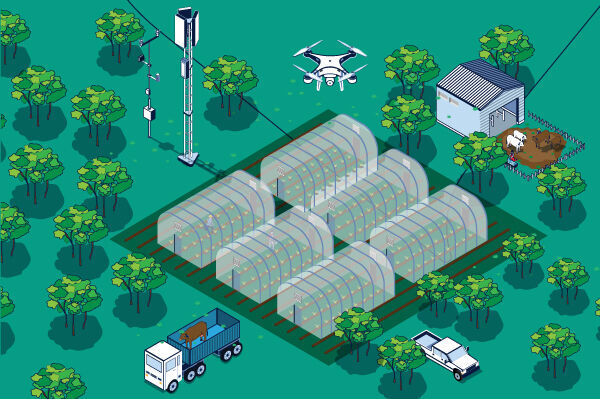
In agriculture, IoT technology enables farmers to manage their fields more efficiently. With IoT-based soil sensors and automated irrigation systems, farmers can monitor soil moisture, temperature, and nutrient levels in real-time, allowing them to optimize water usage and reduce waste.
This precision-driven approach not only increases crop yields but also conserves valuable resources. Additionally, drones equipped with cameras and IoT sensors help monitor plant health and detect pests or diseases early.
Popular IoT applications in agriculture include:
-
Soil sensors: Measure moisture, temperature, and nutrient levels.
-
Automated irrigation systems: Regulate watering based on sensor data.
-
Monitoring drones: Provide aerial imaging and data analysis for crop health.
2. Healthcare and Medical Sector
IoT applications are reshaping the healthcare industry. Connected medical devices enable doctors to monitor patients remotely, which is particularly beneficial during health crises like the COVID-19 pandemic. Real-time health data ensures timely interventions and better care outcomes.
Hospitals are also utilizing IoT technology for operational efficiency, like tracking medical inventory and managing critical equipment to reduce human error. Key IoT use cases in healthcare include:
-
Wearable health monitors: Like smartwatches that track vital signs in real time.
-
Telemedicine platforms: Integrated IoT devices for virtual consultations and diagnostics.
-
Medical equipment trackers: Streamline inventory management in hospitals, reducing errors and delays.
3. Manufacturing Industry
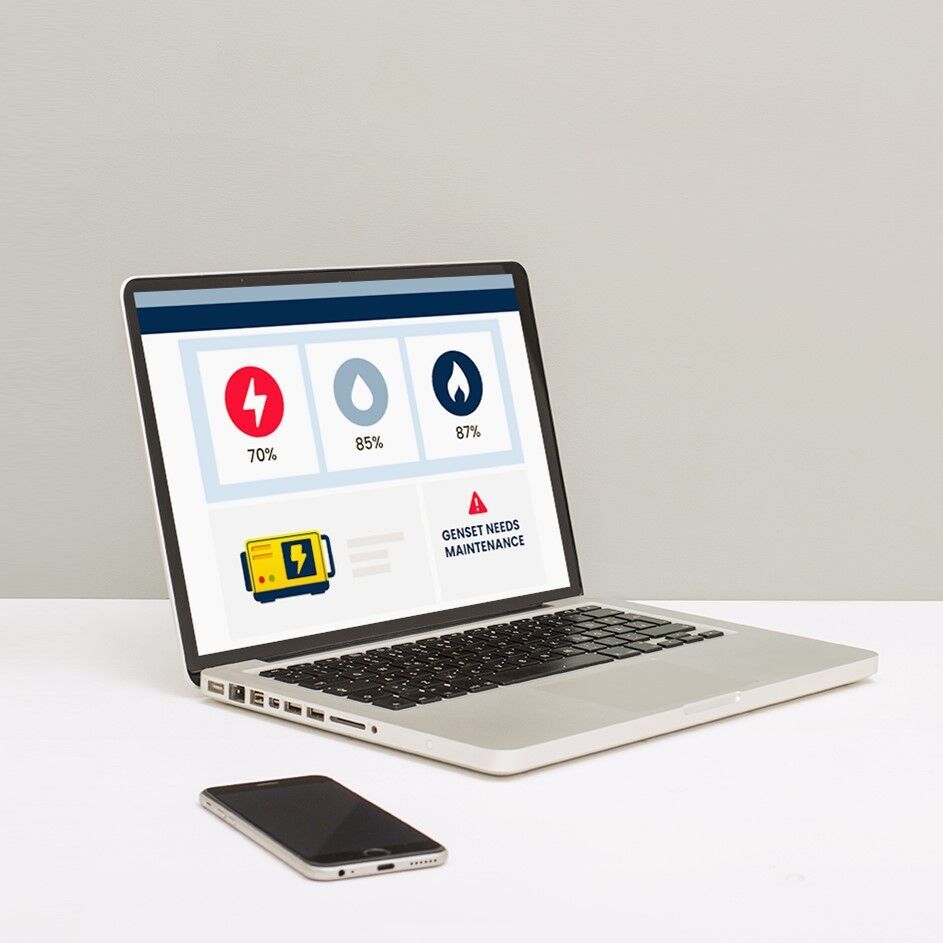
In manufacturing, IoT technology enhances production efficiency and minimizes downtime. Machines equipped with IoT sensors can track performance, detect potential issues early, and schedule predictive maintenance before failures occur.
Beyond machinery, IoT applications streamline supply chain operations by providing real-time tracking of raw materials and finished goods. This visibility helps manufacturers improve accuracy, reduce waste, and cut costs.
Examples of IoT in manufacturing:
-
Predictive maintenance system: Uses sensor data to prevent machine breakdowns.
-
Supply chain tracking: Enables end-to-end visibility of raw materials and finished products.
-
Production automation: Employs interconnected machines and robots for higher efficiency.
4. Smart Homes
Smart homes are among the most well-known IoT applications. Devices such as automated lighting, voice-controlled systems, and smart security solutions allow homeowners to monitor and control their living spaces remotely via smartphones.
Not only do these systems add convenience, but they also boost home security and reduce energy consumption by adapting usage to the resident’s behavior. Common smart home IoT devices include:
-
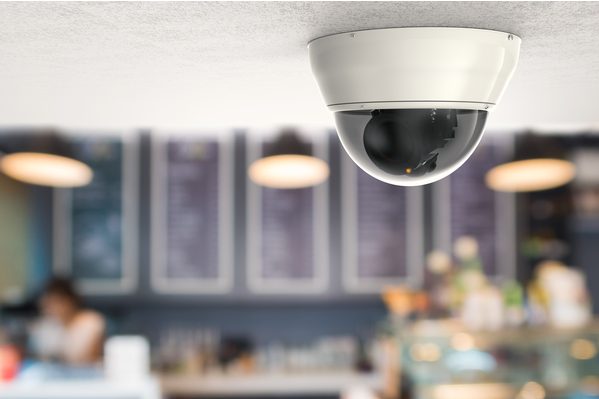
Security systems: Cameras and alarms with remote access.
-
Automated lighting: Lights that turn on/off based on room occupancy.
5. Transportation and Logistics
The transportation and logistics sectors are benefiting significantly from IoT technology. Fleet management systems use sensors to monitor vehicle conditions, fuel efficiency, and route tracking in real-time.
These IoT applications help logistics companies optimize delivery routes, reduce operational costs, and improve delivery punctuality. Connected cargo systems also ensure the condition and safety of shipments during transit.
Typical IoT uses in logistics:
-
Fleet management systems: Monitor vehicle health and optimize delivery routes.
-
Cargo condition monitoring: Ensure the safety and integrity of shipments.
-
Smart traffic systems: Analyze congestion patterns and adjust signals accordingly to reduce delays.
6. Energy and Utilities
In the energy sector, IoT applications have led to smarter and more responsive infrastructure. Smart meters allow providers and consumers to track energy usage in real time, while smart grids improve distribution efficiency and respond quickly to outages.
IoT technology also plays a key role in integrating renewable energy sources such as solar panels into the grid, reducing reliance on traditional energy systems. Notable IoT energy solutions:
-
Smart meters: Provide real-time insights into energy usage.
-
Smart grids: Capable of detecting faults and rerouting power automatically.
7. Retail Industry
Retailers are embracing IoT technology to improve customer experiences and streamline store operations. For example, beacon devices can send personalized promotions based on a shopper’s in-store location, enhancing engagement.
IoT also supports automated inventory systems, which track product availability in real-time to prevent stockouts or overstocking. Moreover, analyzing customer movement patterns helps retailers design better store layouts.
Retail IoT applications include:
-
Beacon technology: Sends personalized promotions to customers based on location.
-
Real-time inventory tracking systems: Prevent stockouts and shrinkage.
-
Customer analytics tools: Analyze movement patterns to optimize store design and product placement.
8. Banking and Financial Services
The finance industry is utilizing IoT technology to increase transaction security and detect suspicious activities using behavioral data from connected devices. With real-time analytics, banks can respond faster to threats and tailor services more precisely.
Smart ATMs, IoT-powered surveillance, and personalized financial recommendations are just a few IoT applications transforming the sector.
Examples of IoT in finance:
-
Smart ATMs: Self-monitor performance and alert technicians before breakdowns occur.
-
Fraud detection systems: Analyze device-generated data for suspicious activity.
-
Personalized banking apps: Tailor financial advice based on spending habits and behavioral patterns.
9. Smart Cities
IoT technology is vital in building smart cities. Sensors distributed across urban areas monitor air quality, traffic flow, and resource usage, helping governments make informed decisions in real time.
IoT also supports waste management by improving route efficiency and automating schedules. These innovations contribute to better urban living and sustainability. Smart city IoT features:
-
Air quality sensors: Track pollution and environmental data.
-
Traffic management systems: Reduce congestion via real-time control.
-
Resource optimization: Improve water and energy use efficiency.
Conclusion
As demonstrated, IoT technology is no longer a futuristic concept, but it’s a present-day reality shaping industries across the board. From optimizing farm yields to managing entire cities, IoT is driving smarter decisions, greater efficiencies, and deeper insights.
Telkomsel Enterprise delivers comprehensive IoT applications tailored for diverse industries, including manufacturing, mining, and logistics. Our advanced solutions like IoT Control Center and FleetSight offer real-time visibility and control, significantly boosting operational efficiency and security.
With IoT Managed Services, businesses gain seamless integration customized to their unique needs. Whether it’s IoT Managed EDC for secure transactions or IoT Managed CCTV for smarter surveillance, our platform ensures reliable, scalable, and secure connectivity.
Our IoT solutions empower enterprises with real-time data for faster, smarter decision-making, reducing operational costs, and increasing overall productivity.
Ready to elevate your business with cutting-edge IoT technology? Contact Telkomsel Enterprise today and start your journey toward a smarter, more connected future.