


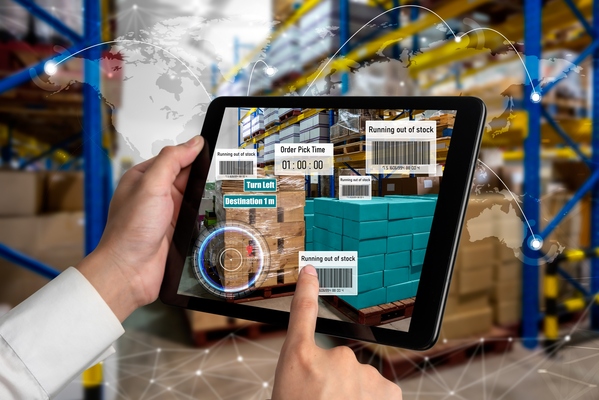


The application of IoT (Internet of Things) technology has revolutionized modern warehouse management, bringing a new era of visibility, accuracy, and operational efficiency.
As customer expectations continue to rise, the demand for faster and more precise logistics management is reshaping how modern warehouses operate. To stay competitive, today’s warehouse facilities need more than just storage, but they need smart, connected solutions that deliver real-time visibility, pinpoint accuracy, and seamless efficiency.
Enter IoT technology, a game-changing innovation that equips warehouses with intelligent tools for real-time inventory tracking, end-to-end system integration, and powerful data analytics. Even more, the automation of core warehouse processes is now a cornerstone of smart manufacturing and modern supply chain strategies.
In this article, we’ll uncover the most impactful IoT technologies transforming warehouse management systems today. From sensor-driven insights to automated workflows, you’ll discover how these solutions unlock operational excellence and deliver measurable value to businesses navigating today’s fast-paced logistics landscape.
What is Warehouse Management?
Warehouse management isn’t just about stacking goods on shelves, but it’s a complex orchestration of processes involving inventory control, order fulfillment, stock monitoring, and resource allocation. In traditional setups, these tasks often rely heavily on human input, increasing the risk of errors, delays, and inefficiencies.
However, with the rise of smart manufacturing, warehouse operations have evolved into data-centric, automated systems designed for speed, precision, and scalability. A modern warehouse management system (WMS) now integrates advanced technologies to streamline every stage, from receiving raw materials to shipping finished products.
Under the umbrella of smart manufacturing, warehouse systems now integrate cutting-edge technologies that boost productivity, enhance accuracy, and respond dynamically to supply chain needs. From automated picking systems to sensor-based inventory tracking, smart warehouses represent the next generation of supply chain innovation.
How IoT Technology is Reshaping Warehouse Operations
The evolution from traditional warehouses to data-driven smart warehouses has been largely powered by IoT technology. Through connected sensors, intelligent software, and automated devices, warehouses now operate with unprecedented efficiency and insight.
With IoT, warehouse managers gain real-time visibility into inventory, automate routine tasks, and optimize resource utilization. The result? Smoother operations, shorter lead times, fewer errors, and higher customer satisfaction.

5 Best IoT Technologies for Smart Warehouse
Let’s take a deep dive into the five most impactful IoT technologies transforming the future of warehouse and logistics management.
1. Smart Sensors for Real-Time Inventory Tracking
One of the biggest pain points in warehouse operations is inaccurate inventory tracking. Misplaced items, overstocking, understocking, and these issues cost businesses millions annually. Enter smart sensors, the frontline warriors in the battle for inventory accuracy.
Leveraging technologies like RFID (Radio-Frequency Identification), NFC (Near Field Communication), and IoT-enabled beacons, smart sensors provide granular visibility into every product’s location, movement, and status across the warehouse floor.
These intelligent devices continuously collect and transmit data to a centralized platform, ensuring your warehouse management system always reflects the true state of inventory, down to the last unit.
Why Smart Sensors Matter in Warehouse Management
-
Reducing tracking errors: Smart sensors reduce human error in inventory recording and tracking.
-
Real-time inventory updates: Sensors keep inventory data up to date, enabling more efficient stock management.
Integration with Warehouse Management Systems (WMS)
When smart sensors are integrated with a comprehensive warehouse management system, the benefits multiply. The system can instantly process sensor data to provide clear insights into inventory movement, automate replenishment, and support predictive analytics.
Such integration enables smarter decisions, reduces labor-intensive tasks, and streamlines warehouse workflows from end to end.
2. Automated Warehouse Management Systems
While traditional WMS platforms offer basic functionality, the next generation, Automated Warehouse Management Systems (AWMS), takes control to a whole new level. Integrated with IoT technology, AWMS turns passive databases into active command centers.
From goods receipt and put-away to picking, packing, and dispatch, every step is orchestrated automatically. No more guesswork. No more bottlenecks. Just smooth, synchronized workflows guided by real-time data.
Powered by machine learning algorithms and connected devices, AWMS adapts dynamically to changing demands, optimizing labor allocation, storage layouts, and delivery schedules.
Key Benefits of AWMS in Smart Manufacturing
-
Lower Operational Costs: Automate repetitive tasks to reduce dependency on manual labor, cutting down payroll and training expenses.
-
Boosted Productivity: Free up staff from mundane duties so they can focus on strategic initiatives like process improvement and customer service.
As part of a larger smart manufacturing ecosystem, automated WMS solutions empower organizations to meet the growing demands of global logistics while staying agile and cost-effective.
3. IoT-Enabled Data Analytics Platforms
Data is the lifeblood of any modern warehouse, but only if you know how to use it. That’s where IoT-based data analytics platforms come in, turning raw sensor inputs into powerful business intelligence.
These platforms aggregate information from multiple sources: temperature sensors, motion detectors, conveyor systems, robotic arms, and even employee wearables. Advanced analytics then uncover patterns, detect anomalies, and generate predictive insights.
For example, historical data might reveal that certain SKUs sell faster during specific seasons, allowing you to pre-position stock accordingly. Or anomaly detection could identify inefficient pick paths, prompting layout adjustments that save thousands of worker hours per year.
Actionable Insights You Can Expect
-
Predictive Demand Forecasting: Use past trends to anticipate future needs and avoid stockouts or excess inventory.
-
Proactive Maintenance Alerts: Detect early signs of equipment wear, preventing costly breakdowns.
With real-time dashboards and customizable reports, warehouse managers gain full situational awareness, making logistics management more agile than ever.
4. Automated Picking and Packing Systems
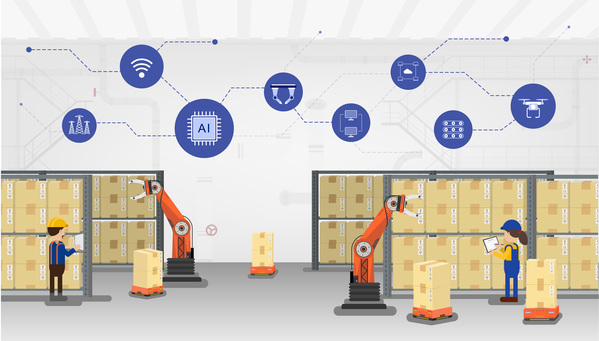
Speed and accuracy in order fulfillment directly impact customer satisfaction. Delays or incorrect shipments damage trust and recovery is expensive. That’s why leading warehouses are adopting automated picking and packing systems powered by IoT and AI.
Robotic arms, autonomous mobile robots (AMRs), and smart conveyors work in harmony to retrieve items, verify selections, and package orders, all with minimal human intervention.
Using computer vision and machine learning, these systems learn optimal routes, adapt to inventory changes, and ensure near-perfect order accuracy. Some advanced setups even integrate voice-guided picking or augmented reality interfaces for hybrid human-robot collaboration.
Why Automation Wins in Order Fulfillment
-
Faster Cycle Times: Cut picking and packing durations significantly, meeting tight delivery windows.
-
Higher Accuracy Rates: Minimize mispicks and wrong shipments, boosting first-time-right delivery rates.
-
Reduced Labor Costs: Scale operations without proportionally increasing headcount.
Integration with Inventory Systems
-
To ensure seamless operations: These systems must integrate with your warehouse management system. This allows:
-
Real-time synchronization of inventory: Up-to-date stock information ensures smooth picking and packing processes.
-
Responsive to demand: The system can adjust tasks based on demand trends and shipping priorities.
5. IoT Solutions for Temperature and Humidity Control
Not all products can withstand fluctuating environments. Pharmaceuticals, perishable foods, chemicals, and electronics require strict environmental controls to maintain quality and comply with regulations.
This is where IoT-driven climate monitoring systems have become indispensable. Strategically placed sensors continuously measure temperature, humidity, air pressure, and even light exposure within storage zones.
If conditions drift outside predefined thresholds, the system triggers instant alerts via email, SMS, or dashboard notifications, so corrective actions can be taken immediately. More advanced setups link directly to HVAC systems, enabling automatic adjustments to restore ideal conditions.
Advantages of Environmental IoT Monitoring
-
Preserve product integrity: Improper temperature and humidity conditions can damage products, especially sensitive or perishable ones.
-
Comply with regulatory requirements: Many products, especially pharmaceuticals and food, require storage under specific conditions to comply with regulations.
Conclusion
The five IoT technologies highlighted above show how deeply the logistics industry is being reshaped. Whether it’s smart sensors, automated warehouse management systems, advanced analytics, or environmental control, these innovations unlock new levels of visibility, precision, and responsiveness.
Businesses that embrace IoT technology not only improve their warehouse operations but also future proof themselves against growing logistical complexities.
To support this digital transformation, Telkomsel Enterprise offers IoT Smart Manufacturing, an end-to-end solution designed to optimize machine performance, monitor production output, and digitize warehouse operations. With tools like Smart Manufacturing OEE, CMMS, and Smart Warehouse, businesses can dramatically increase inventory accuracy, reduce human errors, and speed up fulfillment processes.
With real-time monitoring and full operational visibility, these solutions empower logistics teams to stay competitive and responsive in a rapidly evolving supply chain environment.
Ready to take your warehouse into the future with IoT Smart Manufacturing and Smart Warehouse solutions? Contact us today for more information and customized implementation.