

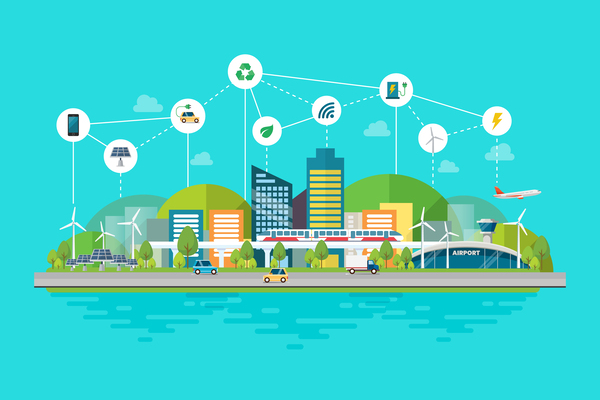


As the Internet of Things (IoT) continues to expand, businesses face increasing complexity in connecting and managing a vast array of devices spread across multiple locations.
With billions of IoT devices generating massive volumes of data, from smart sensors to wearable health monitors, often sensitive and mission-critical, the need for robust, scalable, and secure infrastructure becomes essential.
What is IoT? IoT refers to a system of interconnected devices that collect and exchange data via the internet, enabling smarter decision-making and automation. However, as IoT ecosystems grow, so do the challenges of securing data integrity and system reliability against cyber threats.
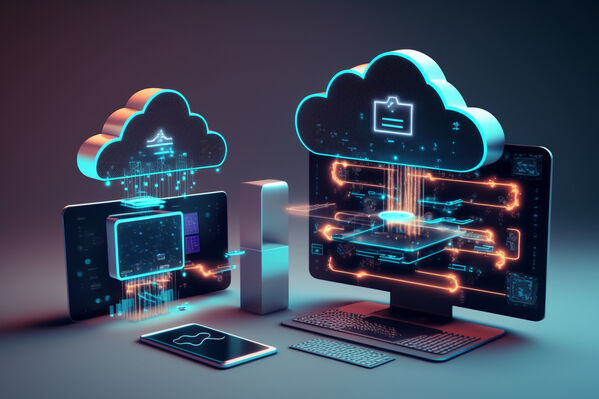
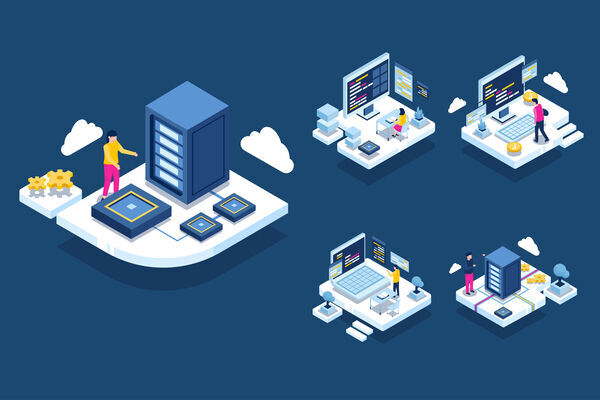
One of the most effective ways to manage this growing ecosystem is through Infrastructure as a Service (IaaS). IaaS is a cloud computing model that provides on-demand access to virtualized computing resources such as storage, networking, and servers. According to a 2023 report by MIT Technology Review, global investment in cloud infrastructure has reached 60%, highlighting the pivotal role of cloud technologies like IaaS in enabling digital transformation.
By leveraging IaaS, organizations can dynamically scale their IT infrastructure based on IoT demands without investing heavily in physical hardware. This synergy between IoT and IaaS not only ensures operational agility but also opens new doors for innovation, cost savings, and enhanced connectivity across industries.
Advantages of IoT and IaaS Collaboration
The integration of IoT and IaaS empowers businesses to efficiently manage large-scale device networks and process real-time data streams. Here are some key benefits of IoT when supported by IaaS:
-
Scalability: IaaS allows businesses to effortlessly scale their computing power up or down based on fluctuating IoT demands, eliminating costly hardware purchases.
-
Flexibility: IaaS platforms allow businesses to configure and manage virtual environments tailored to specific IoT use cases.
-
Cost Efficiency: By adopting IaaS, companies save on maintenance and hardware costs, paying only for the resources they consume.
-
Security: Leading IaaS providers implement advanced security measures like data encryption and cyberattack defenses, crucial for protecting sensitive IoT data.
Real-World IaaS and IoT Examples Across Industries
The marriage of IaaS and IoT powers smarter operations through real-time data collection and cloud-based analysis. Here are some compelling examples:
1. Smart Factories
Modern smart factories rely heavily on IoT devices to gather real-time data from various machines and production processes. This data is then transmitted to an IaaS cloud platform, where it’s processed and analyzed for actionable insights.
For instance, an automotive manufacturer can use this setup to detect and resolve production bottlenecks in real time, boosting throughput while minimizing downtime. In another example, a textile factory installs IoT sensors on spinning machines to detect abnormal vibrations or temperature spikes. This data is processed in the cloud to predict mechanical failures before they occur, enabling faster preventive maintenance and reducing repair costs.
Beyond data analysis, IaaS solutions in manufacturing also serve as a secure and scalable storage system. All sensor and machine data can be backed up automatically, ensuring data is always available and protected. This enables quick system recovery in the event of a failure, safeguarding business continuity.

2. Remote Asset Monitoring
For businesses managing assets across multiple locations, the integration of IoT and IaaS provides unmatched visibility and control. A prime example is the energy industry, where IoT sensors are deployed to monitor the condition of electrical grids or oil pipelines. The collected data is then transmitted to the cloud via IaaS infrastructure, enabling remote monitoring and early issue detection.
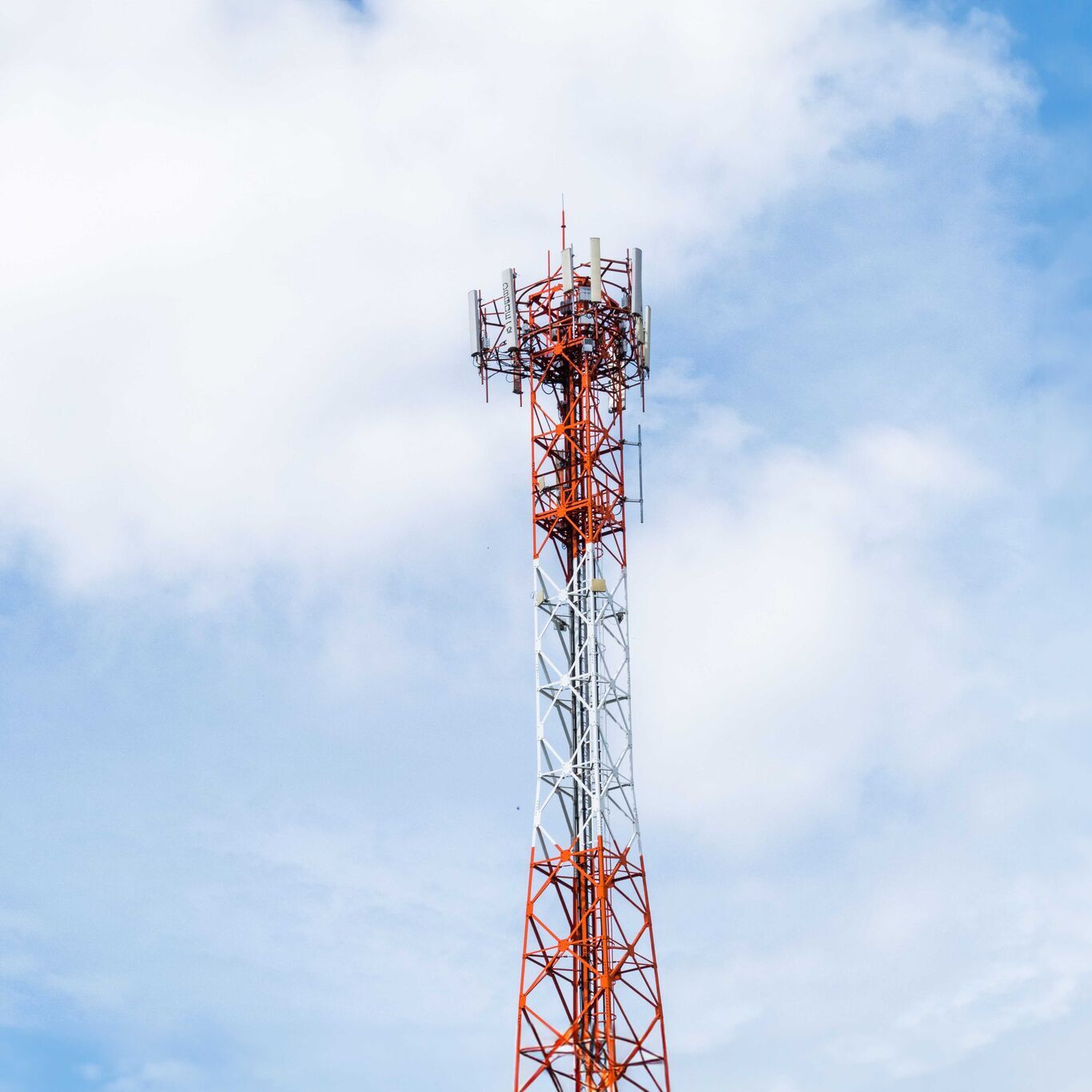
In other industries, such as telecommunications, companies use IoT sensors to monitor cell towers. This real-time data helps them ensure that operations remain optimal. Cloud-based analytics through IaaS help telecom providers identify when and where upgrades or maintenance are needed, reducing downtime and improving service reliability.
In some scenarios, data processing occurs at the edge, closer to where data is generated before it's sent to the cloud. This edge computing approach minimizes latency and allows for faster responses to critical events. IaaS plays a vital role in providing the necessary infrastructure to support this hybrid model.
Moreover, IaaS platforms enable integration between IoT data and core enterprise systems like ERP (Enterprise Resource Planning) or SCM (Supply Chain Management). This unified view of operations enhances decision-making across departments with up-to-date and accurate data.
3. Smart Agriculture
In the agriculture industry, IoT is driving a technological revolution. Farmers can now monitor soil conditions, moisture levels, and crop health using IoT sensors. These devices send data to cloud computing platforms powered by IaaS, where it's analyzed to deliver specific recommendations.
Take a fruit plantation as an example. Data from IoT sensors can help determine the optimal time for watering and fertilizing, significantly improving the quality and quantity of the harvest.
One of the main advantages of IoT in agriculture is the ability to scale. With IaaS, farmers can increase or decrease IT infrastructure capacity based on seasonal demands. This flexibility allows them to efficiently manage large volumes of IoT-generated data, regardless of the time of year.
4. Transportation and Logistics
The logistics industry also benefits greatly from the synergy between IoT and IaaS. Real-time tracking of vehicles and cargo is now possible thanks to IoT sensors. For example, a logistics provider can install temperature sensors inside refrigerated trucks transporting frozen food to ensure that the cold chain is maintained throughout the journey.
IoT sensors also collect data on vehicle performance and delivery routes. This information is processed in the cloud via IaaS, allowing companies to optimize routes, improve fuel efficiency, and reduce delivery times.
IaaS also supports the development of APIs (Application Programming Interfaces) and web services, which can integrate with third-party systems. Logistics companies can use these APIs to securely share real-time data on shipment status and cargo conditions with customers or partners, enhancing transparency and trust.
5. Connected Healthcare
In the healthcare sector, IoT devices such as wearable health monitors are revolutionizing patient care. Patients with chronic conditions, like heart disease, can wear an ECG monitor that transmits health data directly to the cloud for real-time analysis. This allows doctors to continuously monitor patient status and intervene when necessary.
Hospitals are also adopting IoT sensors to manage medical equipment usage and inventory. By sending this data to a cloud-based IaaS platform, they can analyze trends, optimize resource allocation, and schedule timely maintenance. This ensures that equipment is always in working condition and available when needed, reducing patient wait times and improving overall care.
Conclusion
IaaS serves as a critical foundation for building efficient, scalable IoT solutions. By delivering flexible, reliable infrastructure, it empowers businesses to unlock the full potential of IoT, enhancing operational efficiency, enabling real-time insights, and supporting innovative applications across sectors.
To support widespread IoT adoption, Telkomsel Enterprise delivers comprehensive Internet of Things (IoT) solutions tailored for industries ranging from manufacturing to mining. Advanced tools such as the IoT Control Center and FleetSight provide real-time visibility and management to streamline operations and enhance security.
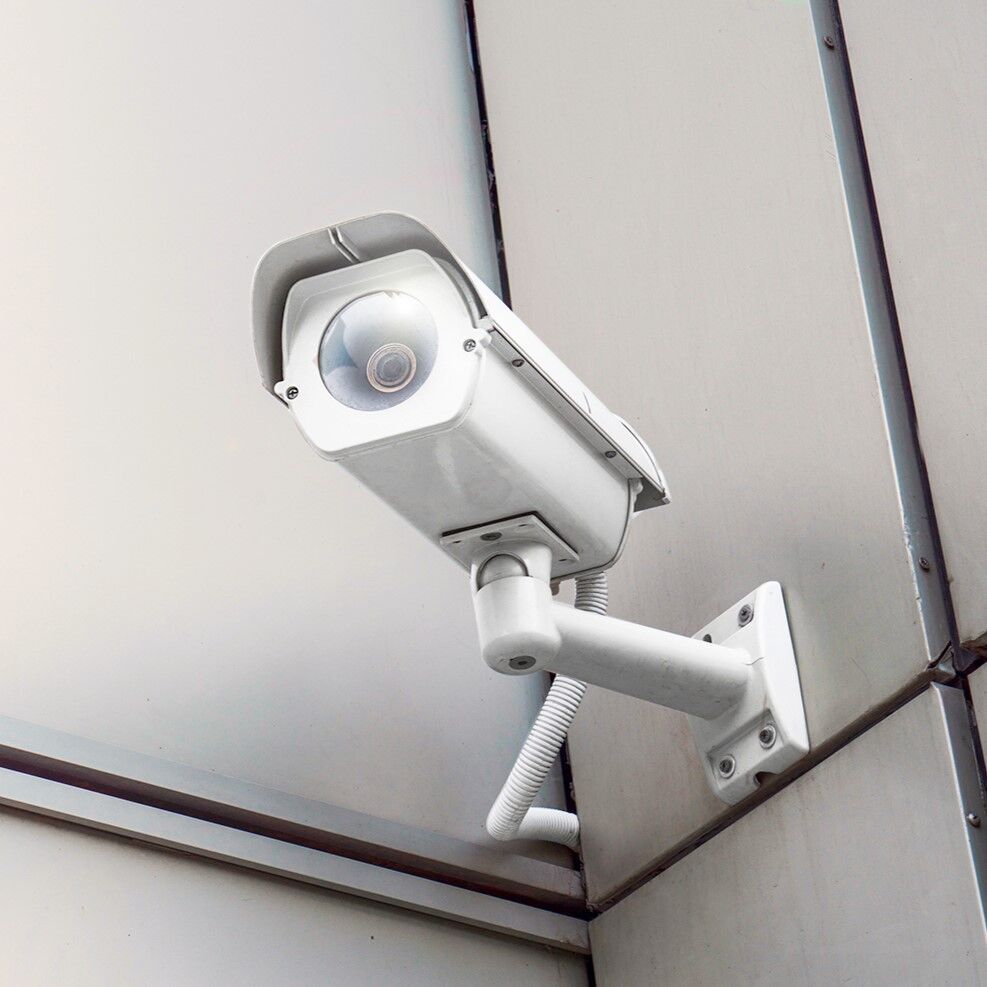
With managed IoT services, including transaction management (IoT Managed EDC) and surveillance (IoT Managed CCTV), businesses gain seamless integration and customized solutions to meet their unique needs.
The standout advantage? Real-time data access drives faster, smarter decision-making, backed by secure, reliable connectivity designed to lower costs and boost productivity.
Embrace the future of business connectivity with cutting-edge IoT and IaaS technology. Contact Telkomsel Enterprise today to learn more.