




Digital transformation has accelerated the adoption of Internet of Things (IoT) technology across various industrial sectors. However, as the number of connected devices grows, so does the need for robust systems capable of managing data communication effectively. This is where the crucial role of an IoT gateway comes into play, serving as the vital bridge between sensors, IoT devices, communication networks, and cloud platforms.
The performance of this system can be further optimized with the support of 5G technology, which offers high speeds, low latency, and more stable connectivity. Undeniably, combining both elements perfectly addresses the increasingly complex demands of modern industries.
What Is an IoT Gateway?
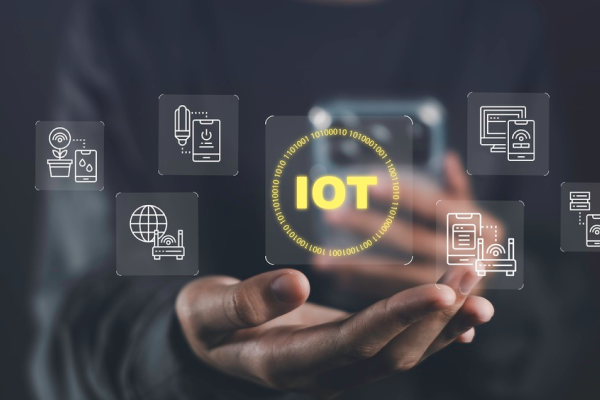
If you're wondering what is an IoT gateway, an iot gateway is a device or system that acts as a bridge between Internet of Things (IoT) devices and the networks or platforms used to manage data. In other words, this technology enables various devices with different communication protocols to connect and exchange information efficiently.
Beyond just acting as a connector, the system can also perform data processing locally at the device level (edge computing). This means not all data needs to be sent directly to the cloud, which helps reduce network load and significantly improves system response times.
Why Is an IoT Gateway Important in the Internet of Things Ecosystem?
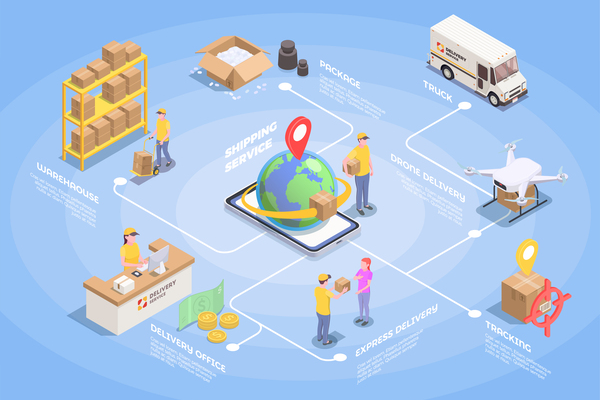
Within the IoT ecosystem, field sensors and devices typically generate massive amounts of data. This data must be collected, processed, and transmitted to a server or cloud for deeper analysis.
The system is tasked with ensuring that this entire process runs smoothly and securely. Additionally, it serves as an extra security layer that helps protect the network from unauthorized access.
The presence of this technology allows companies to manage data more effectively, enhance operational visibility, and ensure that the gathered information can be leveraged to support smart business decision-making.
How an IoT Gateway Works
To perform these tasks efficiently, an IoT gateway operates through several important stages.
1. Data Collection
The first stage involves gathering data from various connected sensors and IoT devices. The collected data includes temperature, humidity, location, machine conditions, energy consumption, and various other parameters.
2. Protocol Translation
IoT devices often use different communication protocols, such as MQTT, Modbus, Zigbee, Bluetooth, LoRaWAN, or OPC-UA.
The gateway translates these various protocols so the data can be understood and processed by the company's system. This process enables interoperability between devices that previously could not communicate directly.
3. Data Preprocessing
Before data is sent to the cloud or data center, the system can filter, aggregate, validate, or perform simple analysis on the received data. This process helps reduce the amount of data that needs to be transmitted over the network while increasing bandwidth efficiency.
4. Data Transmission
Once processed, the data is transmitted to cloud platforms, enterprise servers, or business applications through available communication networks.
When powered by IoT Gateway 5G, data transmission becomes significantly faster, more reliable, and capable of handling much larger data volumes compared to previous network technologies.
What Is the Main Function of an IoT Gateway?
The system boasts various functions that make it an essential component in IoT infrastructure. These include:
IoT Network Security
An IoT gateway acts as an extra security layer to protect devices and networks from cyber threats. Through authentication features, data encryption, and access control, it prevents unauthorized access to the company's IoT system.
Protocol Translation
This function allows devices with different communication standards to exchange data effectively without requiring changes to the existing hardware.
Connecting IoT Devices to Cloud Services
IoT gateways links data from field devices to cloud platforms for centralized storage, analysis, and monitoring.
Edge Data Processing
With edge computing capabilities, it processes data near its source, reduces latency, and speeds up decision-making.
Device Monitoring and Remote Management
Gateway enables companies to monitor device status in real-time while remotely sending instructions or configuration updates.
Local Data Storage
When the internet connection experiences disruptions, the system stores data temporarily on-site. Once the connection is restored, the data is automatically sent to the central system.
Benefits of Using an IoT Gateway for Businesses
Implementing an IoT gateway delivers significant advantages that improve business efficiency, operational reliability, and long-term scalability. Some of the key benefits include:
-
Reducing the risk of cyber attacks by providing an additional layer of protection between IoT devices and the corporate network.
-
Processing data at the gateway level allows for faster decision-making without waiting for data to be sent to the cloud first.
-
Minimizing the risk of data loss thanks to local storage capabilities, ensuring business operations continue running smoothly.
-
Helping reduce device energy consumption and network bandwidth usage.
-
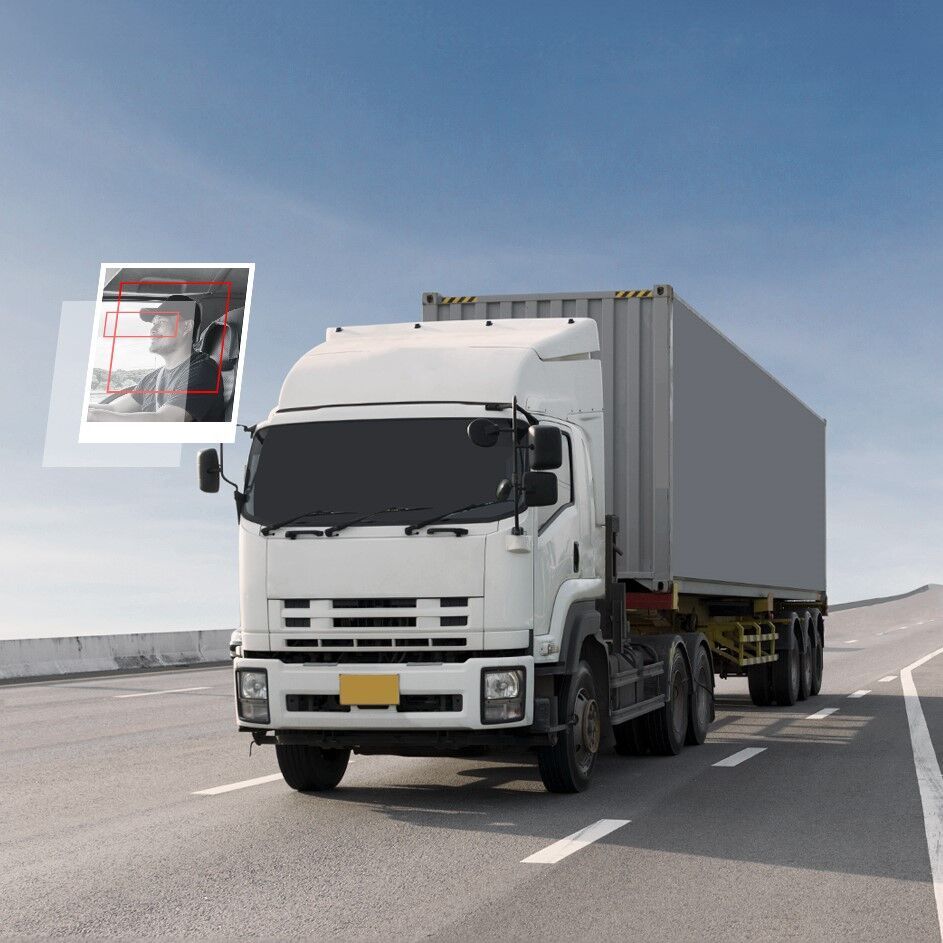
Remaining reliable in extreme environmental conditions, making it ideal for manufacturing, mining, energy, and logistics sectors.
Challenges in IoT Gateway Implementation
Implementing an IoT gateway comes with several challenges, especially when integrating devices and systems from different vendors that use different communication standards. To ensure everything works together seamlessly, businesses need careful planning and a well-designed implementation strategy.
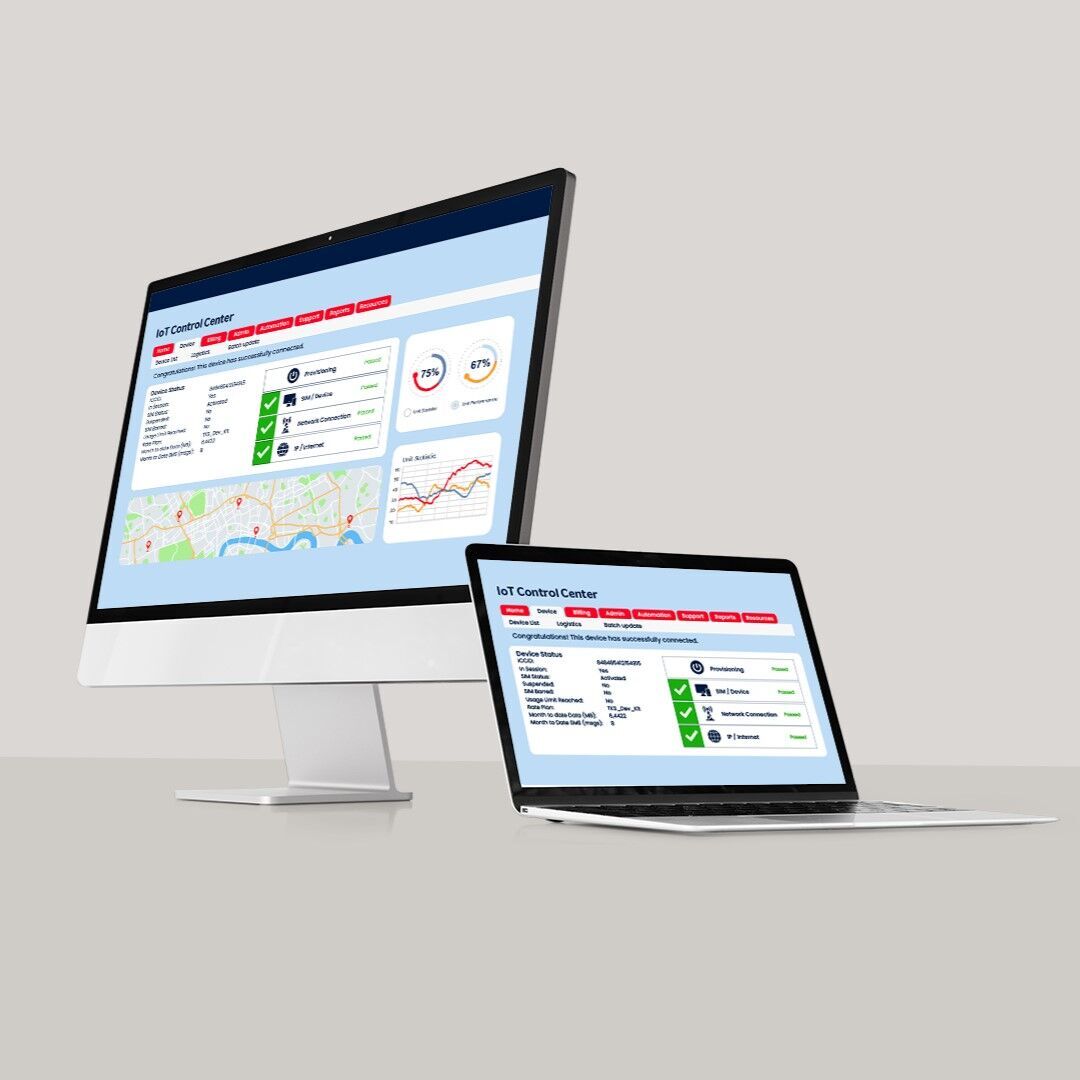
As the number of connected devices continues to grow, companies also need a centralized platform to monitor and manage their entire IoT ecosystem more efficiently. To address this need, Telkomsel Enterprise offers IoT Control Center, an integrated solution that simplifies IoT connectivity management.
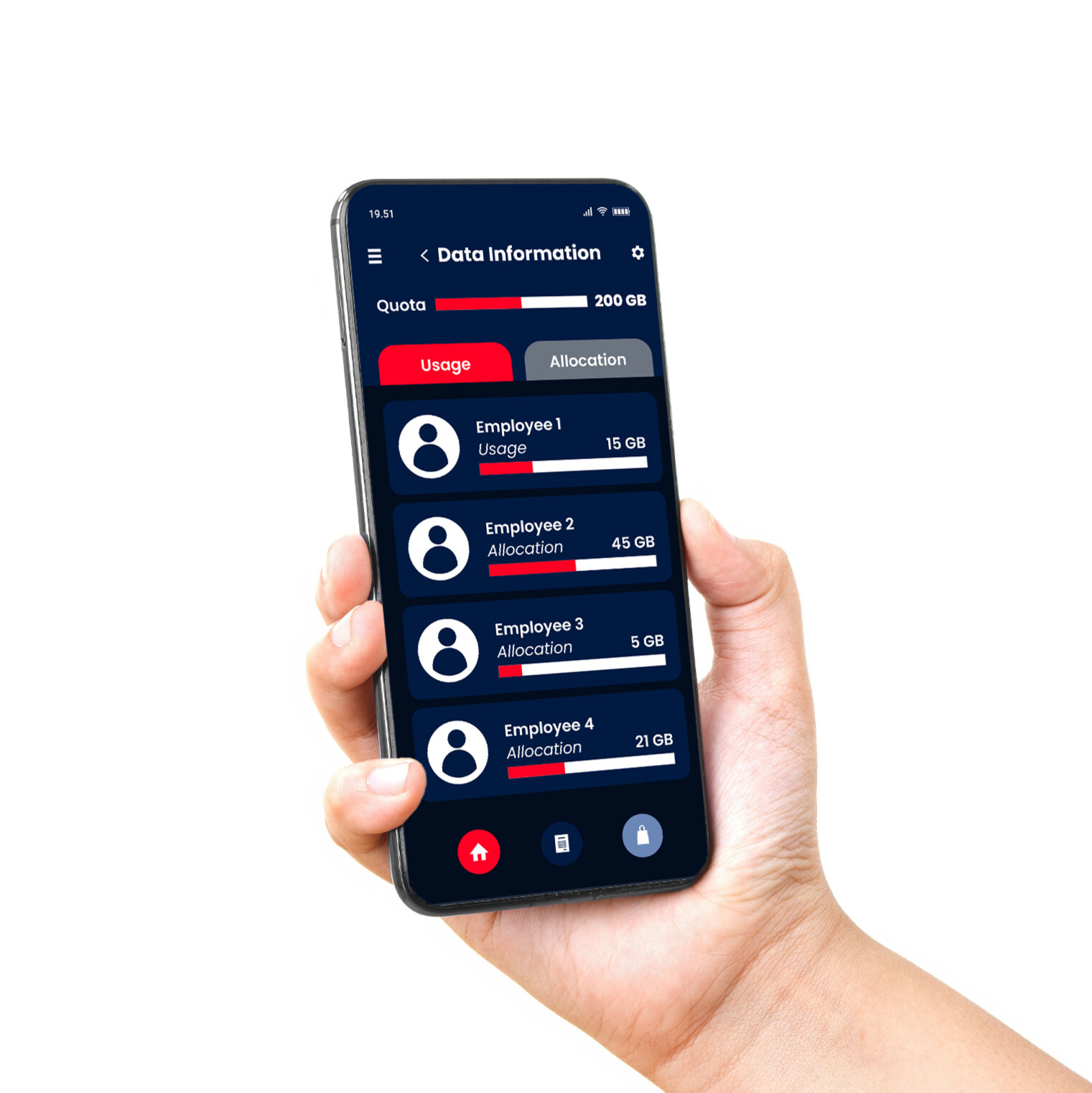
Through a real-time dashboard, businesses can monitor device status, manage IoT SIM cards, and gain valuable insights into data usage to improve operational efficiency. This centralized approach makes IoT gateway management simpler, more secure, and easier to scale as business needs grow.
Take your IoT operations to the next level with smarter, centralized management. With IoT Control Center from Telkomsel Enterprise, your business can monitor, control, and optimize all connected IoT devices in real time, creating a more secure, efficient, and scalable IoT ecosystem.
FAQ
What is the difference between a regular router and an IoT gateway?
A router simply connects devices to the internet, whereas an IoT gateway not only connects devices but also translates protocols, processes data, and manages communication between IoT devices.
Why is 5G connectivity highly recommended for modern IoT gateway devices?
5G offers high speeds, low latency, and massive connection capacity, supporting real-time and more reliable IoT data communication.
Can a 5G IoT gateway still operate in areas without 5G coverage?
Yes. Most 5G IoT gateways support previous generation networks like 4G LTE, so they can still operate even if 5G coverage is not yet available.
How does Telkomsel Enterprise help businesses implement IoT solutions?
Telkomsel Enterprise provides end-to-end solutions, ranging from connectivity and device management platforms to implementation support tailored to business needs. This way, companies can adopt IoT technology more easily, securely, and measurably.