

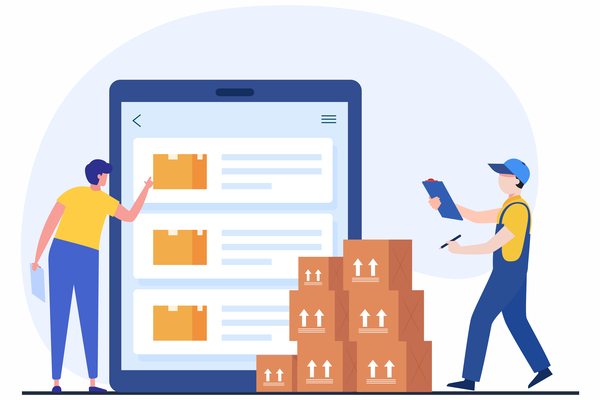


Inventory control is one of the most crucial aspects of inventory management that often determines the success or failure of a retail business.
Retail success isn’t just about offering great products, but it’s about making sure those products are available exactly when your customers need them. That’s where inventory control management steps in as a critical driver of business efficiency and growth.
More than simply counting stock, inventory control management helps businesses predict demand, streamline operations, and avoid costly mistakes like overstocking or stockouts. It’s the backbone of retail logistics, ensuring that operations run smoothly from warehouse to storefront.
A report from Bank Indonesia highlight the vital role the retail sector plays in supporting national economic growth. However, only businesses with strong inventory systems can keep pace with shifting customer demands and supply chain challenges. Those without may struggle to meet expectations, lose sales, or watch operational costs spiral out of control.
Whether you're running a growing ecommerce brand, managing a chain of retail stores, or overseeing warehouse logistics, mastering inventory control can be your competitive edge.
Let's break down what inventory control management really means, why it matters for your business, and how to apply proven methods to increase profit, reduce waste, and delight customers.
What Is Inventory Control Management?
Inventory control management refers to the systems and strategies used to monitor, regulate, and optimize a company's stock levels. The goal is to ensure that inventory matches market demand, avoiding stockouts (understocking) and overstocks (excess inventory).
For retail businesses, this balance is crucial. Effective inventory control helps prevent unnecessary storage costs, reduces product waste, and ensures the right products are available when customers need them.
Functions of Inventory Control Management
Implementing strong inventory control systems isn’t just operational, but strategic. Here are the core functions:
1. Ensuring Product Availability
One of the primary goals of inventory control is to ensure that products are always available when customers need them. This requires understanding customer demand patterns, seasonal trends, and local consumption preferences.
By leveraging data analytics and forecasting tools, retailers can anticipate demand fluctuations and adjust stock levels accordingly. This not only prevents lost sales but also enhances customer satisfaction.
2. Reducing Storage and Ordering Costs
Inventory comes with costs such as storage, insurance, labor, and even depreciation. Effective inventory control helps minimize these expenses by determining the most cost-efficient order quantities and restocking schedules.
Methods like Economic Order Quantity (EOQ) help calculate the ideal order size that minimizes total inventory costs, including both ordering and carrying expenses.
3. Preventing Stockouts and Overstocking
Stockouts lead to missed sales opportunities and potential brand damage, while overstocking ties up cash and increases waste risk. Inventory control systems prevent both extremes by maintaining optimal stock levels based on real-time data and demand forecasts.
4. Enhancing Operational Efficiency
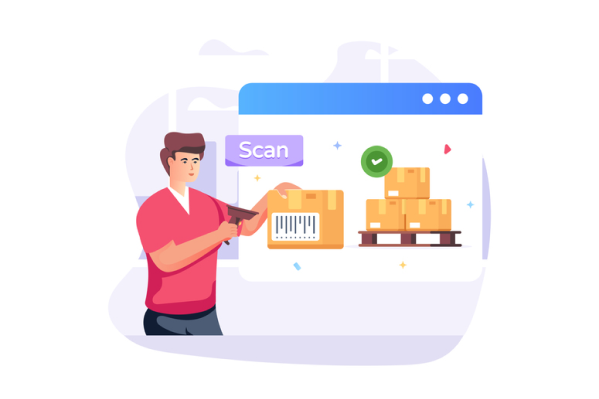
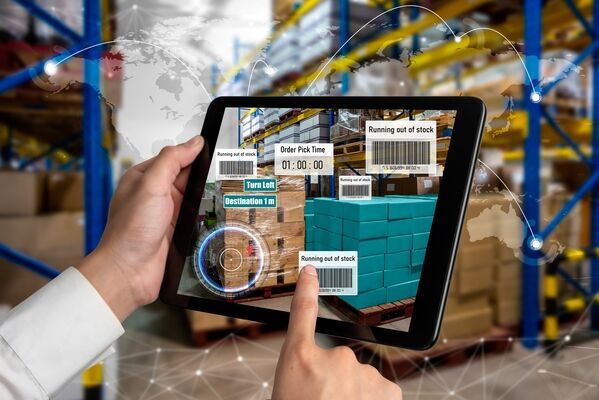
Modern inventory control solutions use technologies like barcode scanning, RFID tags, and cloud-based software to streamline inventory tracking. These tools reduce human errors, speed up operations, and provide real-time visibility into stock levels across multiple locations.
5. Enabling Better Decision-Making
Inventory control generates valuable insights into product performance, reorder frequencies, and supplier reliability. These data points empower managers to make informed decisions around purchasing, pricing, promotions, and product lifecycle management.
Effective Inventory Control Methods for Retail
There are several proven methods businesses can adopt to improve inventory control. Each method has unique advantages depending on the nature of the business and the type of products being managed.
1. Economic Order Quantity (EOQ)
EOQ is a mathematical model that calculates the optimal order quantity to minimize total inventory costs. It considers factors such as annual demand, ordering costs, and holding costs.
This method works best for products with stable and predictable demand, allowing businesses to maintain consistent inventory cycles.
2. Two-Bin System
The Two-Bin System is a simple yet effective visual inventory control method. Products are stored in two bins. When one bin is empty, it signals the need to reorder while the second bin continues to supply stock.
Ideal for small businesses or items with steady usage, this system avoids stockouts without requiring complex technology.
3. ABC Analysis
ABC Analysis categorizes inventory into three groups based on value and importance:
-
Category A: High-value items requiring strict monitoring.
-
Category B: Medium-value items needing moderate attention.
-
Category C: Low-value items that require minimal oversight.
This approach allows businesses to allocate resources more effectively, focusing on the items that contribute most to revenue.
4. Just-In-Time (JIT)
JIT is a lean inventory strategy where goods are ordered and received only when needed in the production or sales process. This reduces storage costs and minimizes the risk of overstocking.
However, JIT requires strong supplier relationships and robust logistics planning to avoid disruptions.
5. Perpetual Inventory System
This system tracks inventory in real time using automated tools like barcodes and RFID scanners. Every transaction, whether incoming or outgoing, is recorded instantly, providing continuous visibility into stock levels.
While implementation may require initial investment in technology and training, the benefits include improved accuracy, faster audits, and better decision-making.
5 Key Benefits of Inventory Control Management
Implementing a solid inventory control management strategy can unlock major advantages for retail businesses, ranging from cost savings to stronger customer loyalty. Below are five crucial benefits, explained in greater detail:
1. Boosts Profitability by Reducing Unnecessary Costs
One of the most impactful benefits of effective inventory control management is improved profitability. When your stock levels are optimized, you're not overspending storage, overordering inventory, or tying up cash in unsold goods. By minimizing holding and ordering costs, you can allocate resources more efficiently across your business.
Inventory control systems also help reduce losses due to spoilage, theft, or stock obsolescence, especially for perishable or seasonal items. With smarter stock forecasting and replenishment planning, you can maintain lean inventory without missing sales opportunities.
2. Stronger Market Competitiveness
Retail is a dynamic industry where customer preferences and market trends shift rapidly. Businesses that excel in inventory control management are better equipped to respond to these changes. Whether it's a spike in demand during holiday seasons or a sudden drop in interest in certain products, a well-managed inventory allows for faster adaptation.
This flexibility gives retailers a competitive edge. Instead of losing sales to out-of-stock issues or being stuck with excess inventory, you stay aligned with demand. Agile inventory control means staying ahead of competitors who are slower to react to changes in the market.
3. Improves Customer Satisfaction and Brand Loyalty
Nothing frustrates a customer more than finding their desired product out of stock. With accurate inventory tracking and real-time visibility into product availability, you can ensure customers consistently find what they need, both online and in-store.
Reliable stock availability builds trust and improves the overall customer experience. Satisfied customers are more likely to return, leave positive reviews, and recommend your store to others. Inventory control management helps you meet expectations, reduce wait times, and deliver on your promises.
4. Minimizes Risk of Stock Loss, Damage, or Expiry
Every piece of unsold, damaged, or expired inventory represents a potential loss for your business. Without proper control systems in place, it becomes difficult to track inventory aging, monitor conditions, or prevent shrinkage due to theft or misplacement.
By using methods like ABC analysis or perpetual inventory systems, retailers can focus on high-value or time-sensitive stock with greater care. Inventory control management allows for better quality assurance, more frequent cycle counts, and timely restocking, minimizing risk and protecting your bottom line.
5. Simplified Auditing and Reporting
Accurate inventory records are essential not only for operational decisions but also for compliance and reporting. Inventory control systems help automate data collection and centralize stock information, making audits faster, easier, and more reliable.
Whether you're conducting an internal audit, preparing tax reports, or assessing stock value for financial statements, a well-maintained inventory management system ensures transparency. It also offers better cash flow planning, as you have clearer insights into purchasing needs and existing stock value.
Conclusion
Many successful retailers combine multiple inventory control methods to achieve the best results. For example, EOQ might be used for high-demand staples, ABC Analysis for categorization, and JIT for perishable or expensive items.
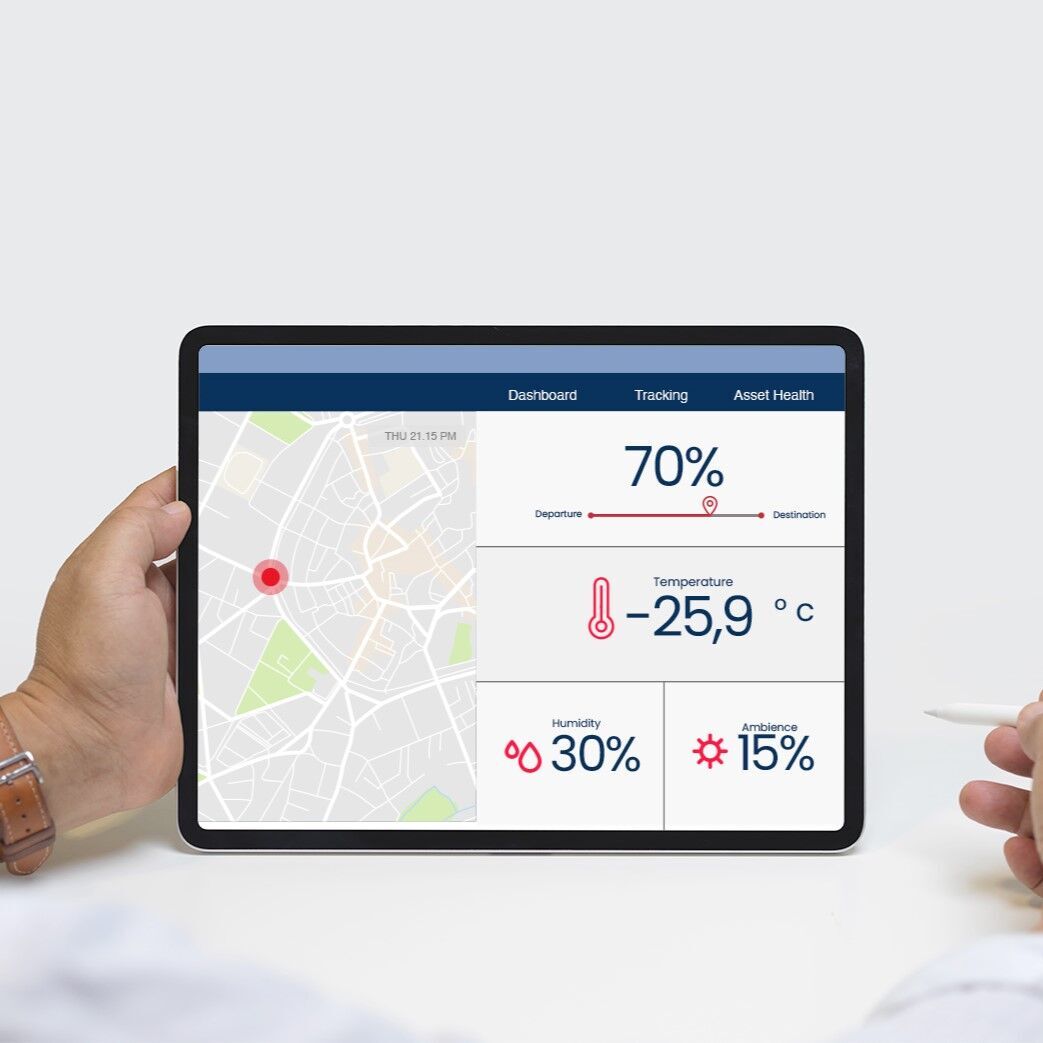
Technology plays a vital role in modern inventory control. Tools like smart warehouse systems, IoT-enabled sensors, and cloud-based inventory platforms offer real-time insights and automation, enabling more accurate forecasting and efficient operations.
If you're looking to digitalize your warehouse and optimize inventory management, consider innovative solutions like Telkomsel Enterprise’s IoT Smart Manufacturing. It offers features such as Smart Warehouse, CMMS, and OEE Monitoring to enhance productivity, reduce errors, and support real-time inventory tracking.
Ready to upgrade your inventory control system? Contact us today to learn how we can help transform your warehouse operations.