




Technology is no longer just a support tool, but it’s the driving force behind how modern businesses compete, grow, and deliver value. From automating routine tasks to enabling real-time communication across teams, information and communication technology (ICT) has redefined what is possible in the business world.
Whether you're leading a startup or managing an established company, embracing ICT helps streamline operations, enhance customer experience, and unlock new growth opportunities. It’s more than a trend. ICT is a strategic asset that empowers businesses to stay agile, data-driven, and ahead of competition.
But what exactly is communication technology? How does it impact business performance? And what are the key features and benefits that make ICT indispensable in modern enterprise?
Let’s explore everything you need to know about information and communication technology in business, including its advantages, disadvantages, and essential features.
What Is Information and Communication Technology?
Information and communication technology (ICT) combines hardware, software, and digital systems used to collect, process, store, and exchange information. It includes tools like computers, mobile devices, networks, and the internet.
In the business context, ICT is used to automate tasks, improve data management, and facilitate more effective communication. It empowers businesses to streamline operations, connect with clients and teams, and make data-driven decisions.
Why ICT Matters: Key Advantages for Businesses
When implemented effectively, ICT transforms traditional business models into agile, data-driven organizations. Here are some of the most impactful benefits:
1. Boost Operational Efficiency
ICT automates repetitive tasks such as invoice processing, inventory tracking, payroll management, and project scheduling. Tools like ERP (Enterprise Resource Planning) systems unify these functions under one platform, reducing manual work and minimizing errors.
For example, an e-commerce company can use automated order management systems to streamline fulfillment processes, track shipments in real-time, and provide customers with instant updates.
2. Simplifying Marketing and Promotion
Digital marketing powered by ICT has revolutionized how brands reach their audiences. With tools like Google Ads, social media platforms, email automation, and SEO analytics, businesses can target specific demographics, measure campaign performance, and optimize strategies in real time.
A local retail store, for instance, can use Facebook and Instagram ads to promote new products to nearby customers, increasing foot traffic and online sales without breaking the budget.
3. Improving Evaluation and Decision-Making
Modern businesses generate vast amounts of data daily. ICT provides access to advanced analytics tools like Tableau, Google Analytics, and AI-powered dashboards that help extract meaningful insights from this data.
These insights enable leaders to forecast trends, understand customer behavior, identify inefficiencies, and make strategic decisions backed by facts rather than intuition.
4. Increasing Business Quality and Responsiveness
ICT empowers businesses to engage with customers through multiple channels, like live chat, voice calls, video conferencing, email, and mobile apps. Chatbots and AI assistants offer 24/7 support, answering common queries instantly and escalating complex issues to human agents.
This not only improves response times but also enhances overall customer satisfaction and brand loyalty.
5. Reducing Operational and Production Costs
ICT solutions like automated inventory systems and cloud storage can significantly lower labor and infrastructure costs. Digital communication methods also reduce expenses associated with printing and physical document distribution.
6. Making Market Research Easier
With access to big data and sentiment analysis tools, companies can monitor consumer feedback, track competitor activity, and predict future demand. This allows them to stay ahead of the curve, adapt quickly to changing market conditions, and innovate proactively.
Key Features of Information and Communication Technology
Let’s face it, most of us can’t live without the internet anymore. For businesses, it has become a critical foundation for day-to-day operations.
Here are some standout features of ICT that are revolutionizing business:
1. E-Commerce
Thanks to the internet, businesses can sell products and services online to customers worldwide. ICT powers the entire e-commerce ecosystem, from product listings and shopping carts to payment gateways and delivery tracking.
These platforms allow businesses to build scalable online stores that reach international markets. E-commerce also facilitates personalized experiences using cookies, recommendation engines, and behavioral analytics, enhancing user experience and conversion rates.
2. Social Media
Social media platforms have become powerful marketing and customer service tools. Companies use them to run targeted ad campaigns, manage brand reputation, and interact directly with consumers.
Moreover, social listening tools help businesses monitor conversations about their brand, competitors, and industry trends, offering valuable insights for strategy development.
3. Cloud Computing
Cloud solutions allow businesses to store and access data remotely, reducing the need for physical infrastructure. They also support seamless collaboration across teams and locations.
4. Data Analytics Tools
Big data and predictive analytics tools analyze large volumes of structured and unstructured data to uncover hidden patterns, correlations, and trends. These insights help businesses make smarter decisions, improve forecasting accuracy, and personalize marketing efforts.
Machine learning algorithms further enhance decision-making by continuously learning from new data inputs.
As ICT continues to evolve, businesses must adopt flexible communication solutions to stay competitive. That’s why Telkomsel Enterprise offers Team Plan, a customizable communication package tailored to your business needs.
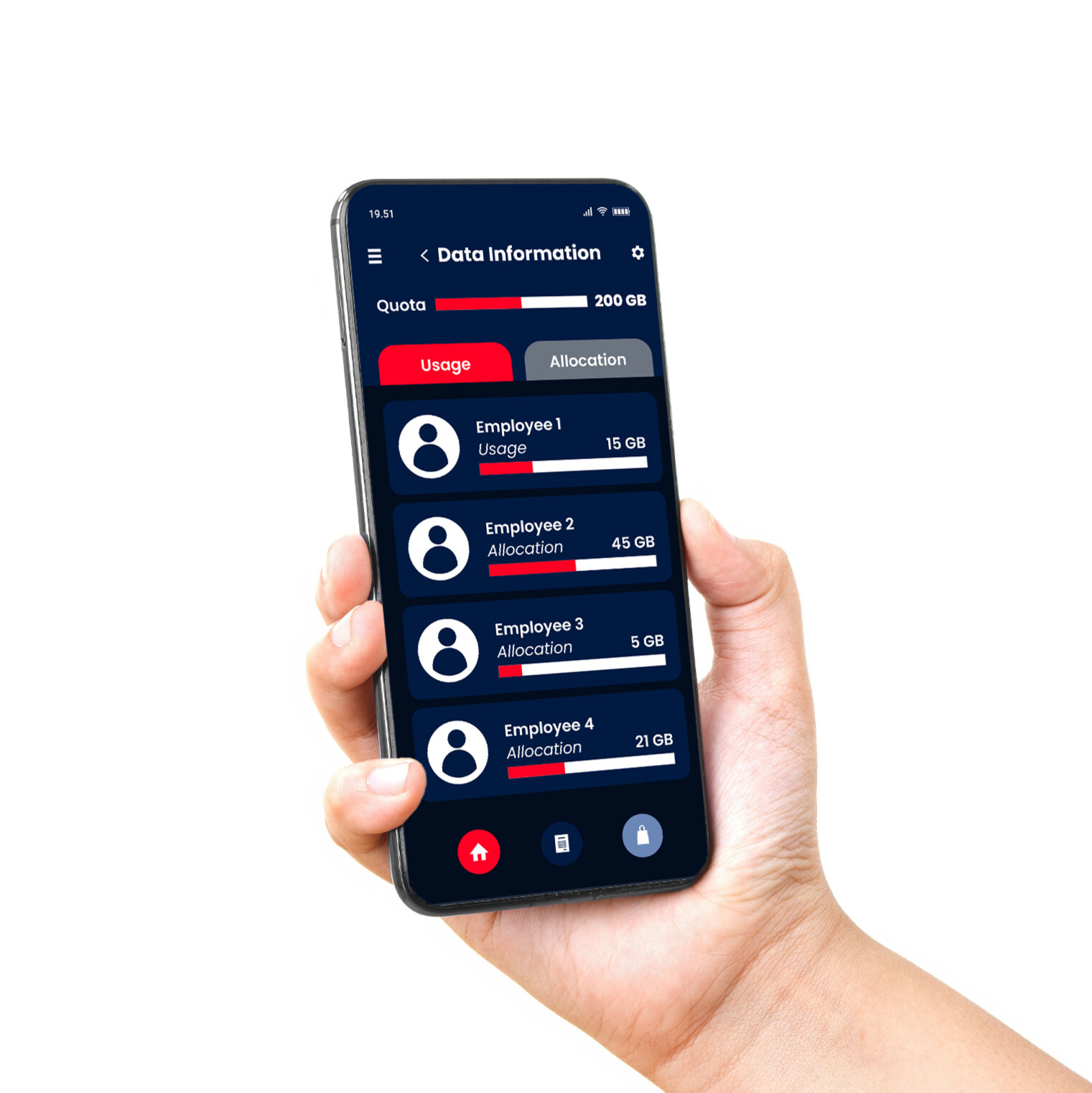
This service includes shared data quotas and free calls between team members, fostering better collaboration and enhancing productivity, key ingredients for success in the digital era.
Looking for a communication solution tailored to your team? Contact us now to learn more about how we can empower your business communication strategy.