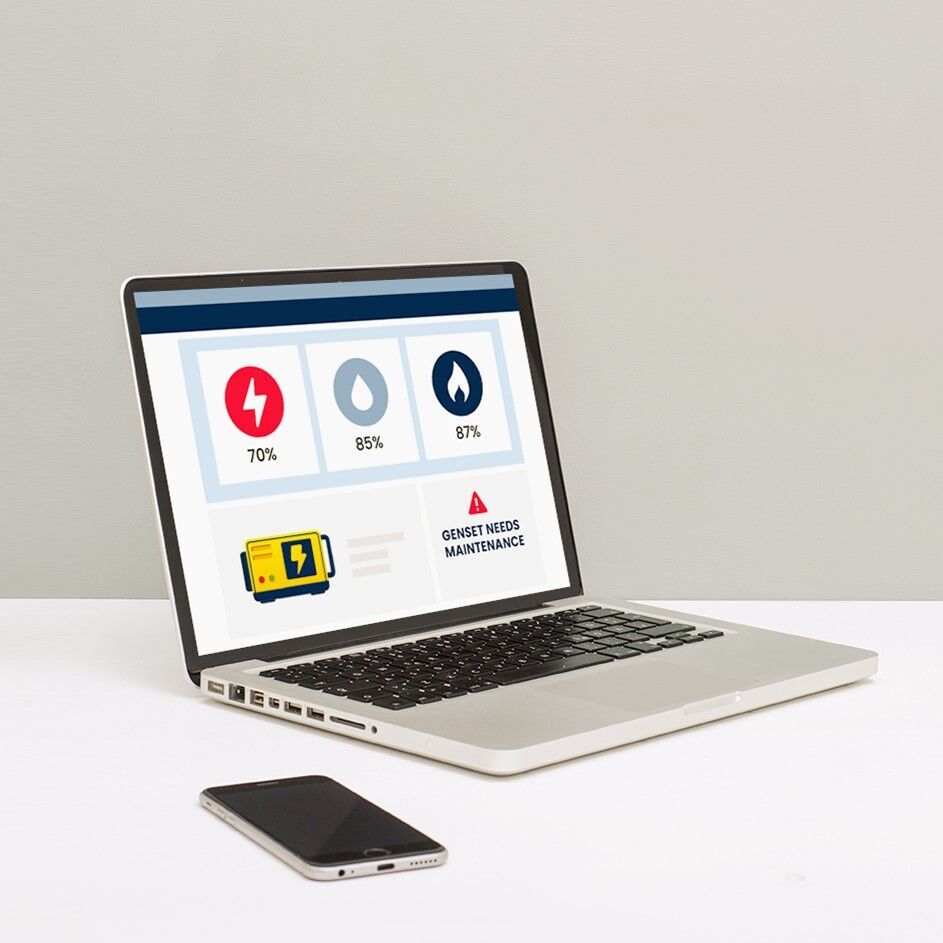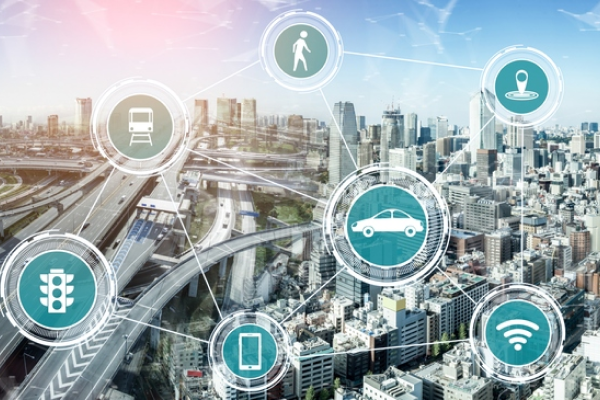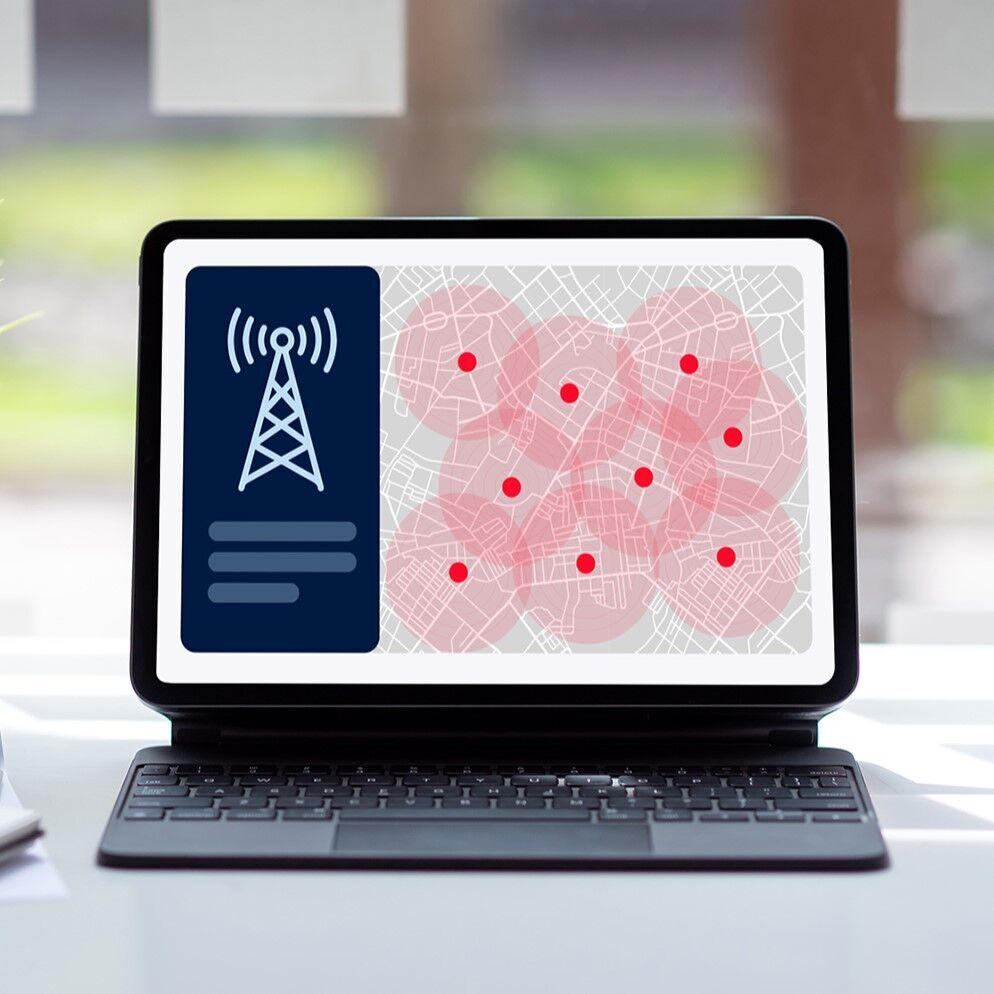



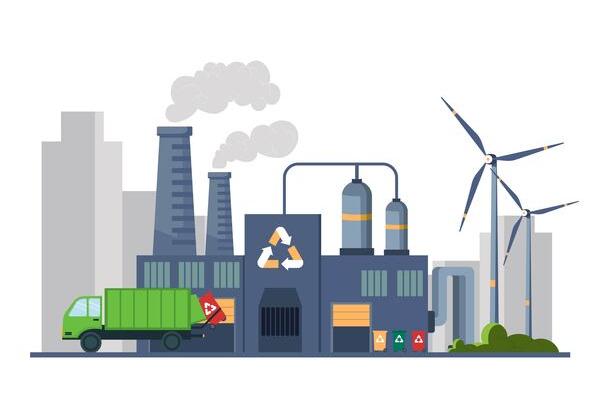


By integrating IoT technology into industrial processes, businesses can achieve better energy efficiency and support sustainability efforts.
The digital transformation sweeping across global industries has made Industry 4.0 not just a trend, but a necessity. At the heart of this revolution lies Industrial IoT (IIoT), a powerful technology reshaping how manufacturers monitor, analyze, and optimize their operations.
According to the International Energy Agency (IEA), the industrial sector accounts for approximately 37% of global energy consumption. This makes it one of the largest contributors to energy use and a prime target for optimization through IoT technology. By integrating smart sensors, cloud analytics, and automated controls, companies can unlock substantial savings while contributing to environmental sustainability.
Beyond operational efficiency, Industrial IoT also plays a crucial role in improving product quality, reducing downtime, and enhancing workplace safety. In short, IoT is more than just a technological upgrade, but it’s a strategic enabler of long-term growth and environmental responsibility.
5+ Game-Changing Benefits of Industrial IoT
Let’s explore five key benefits of implementing Industrial IoT, with real-life examples of IoT in industry, and how it aligns perfectly with the principles of Industry 4.0.
1. Real-Time Energy Monitoring for Better Efficiency
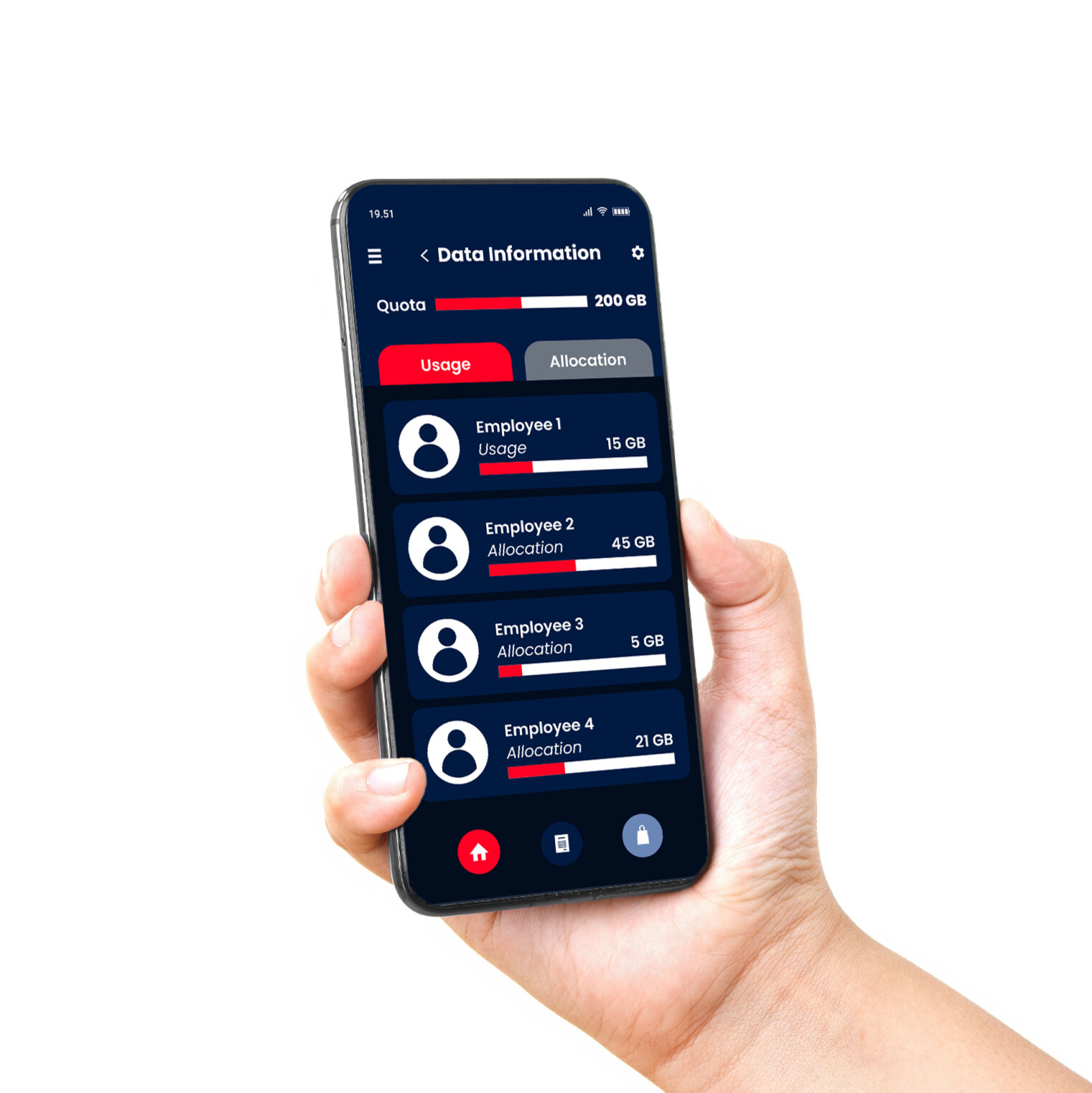
One of the most impactful examples of IoT in industry is real-time energy monitoring. With connected sensors embedded into industrial machinery, companies can track energy usage in real time and gain insights into consumption patterns.
This level of visibility allows businesses to optimize operations, whether by upgrading inefficient machines, reducing peak load energy waste, or redesigning production schedules.
Imagine reducing energy consumption by 20% simply through data-informed decisions. That’s not just a cost-saving strategy, but it’s a statement of environmental responsibility.
2. Reduced Greenhouse Gas Emissions and Environmental Impact
IoT technology enables real-time monitoring of greenhouse gas emissions from manufacturing plants. When emission levels exceed set thresholds, alerts are triggered, allowing immediate corrective action.
This capability not only ensures compliance with environmental regulations but also supports global climate goals. As consumers and partners increasingly favor eco-conscious brands, adopting industrial IoT solutions positions companies as responsible players in the green economy.
By actively managing emissions, businesses can enhance brand reputation and open doors to new markets driven by sustainability-focused demand.
3. Increased Productivity and Less Downtime
Unplanned downtime is one of the costliest challenges in manufacturing. Industrial IoT addresses this with predictive maintenance powered by real-time data.
Sensors continuously monitor equipment health, detecting early warning signs such as unusual vibrations or overheating. With this insight, technicians can intervene before a breakdown occurs, keeping operations running smoothly and avoiding lost revenue.
This proactive approach ensures minimal disruption and optimal productivity across your entire production line.
4. Enhanced Product Quality and Smarter Quality Control
In manufacturing, maintaining consistent product quality is essential. IoT-enabled systems provide real-time visibility into every stage of production.
From raw material intake to final assembly, sensors track variables such as humidity, temperature, and material composition. Any deviations from standard parameters trigger instant alerts. This level of precision helps reduce defects, minimize rework, and improve customer satisfaction.
For example, a food processing facility might use IoT sensors to ensure optimal storage conditions, preventing spoilage, and ensuring food safety standards are consistently met.
5. Smarter Resource Use and Waste Reduction
Resource efficiency is a cornerstone of sustainability. Industrial IoT allows companies to closely monitor the use of raw materials, water, and energy.
With detailed analytics, organizations can identify areas where waste is generated and implement corrective measures.
IoT platforms help track inventory levels, detect overuse, and suggest adjustments to streamline operations. This not only cuts costs but also supports circular economy practices by promoting smarter resource management.
6. Better Worker Safety and On-Site Security
Worker safety is a non-negotiable priority. With the help of IoT technology, organizations can monitor environmental conditions and equipment behavior to detect hazards before they pose a threat.
For example, connected sensors can alert teams to gas leaks or dangerous temperature fluctuations, while IoT wearables track worker location and health indicators in real time.
This safety-first approach ensures compliance with regulations and builds trust with the workforce.
Conclusion
From improving energy efficiency to enhancing workplace safety, industrial IoT is reshaping the way industries operate in the era of Industry 4.0. Whether your goal is to lower costs, reduce emissions, or meet sustainability targets, IoT technology offers the tools and insights needed to transform your operations.
If you're ready to transform your business with smart, sustainable solutions, consider IoT Envion by Telkomsel Enterprise, a comprehensive platform designed to boost energy efficiency, reduce carbon emissions by up to 20%, and lower energy costs by as much as 25%.
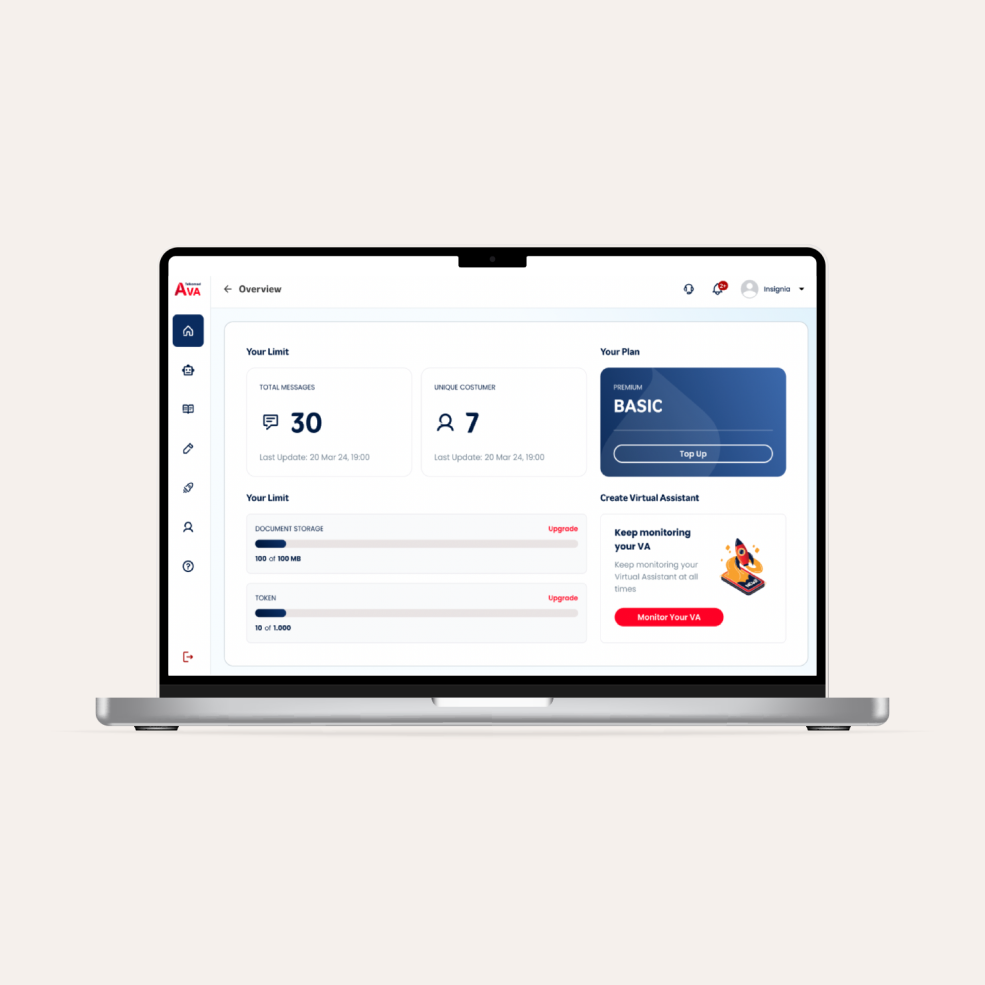
IoT Envion offers a real-time energy usage dashboards, remote monitoring and alert systems, and actionable reports for better decision-making
Ready to make your operations smarter and greener? Implement IoT Envion today and start saving on energy costs while driving toward a more sustainable future.
Contact us now to learn more and get started!