

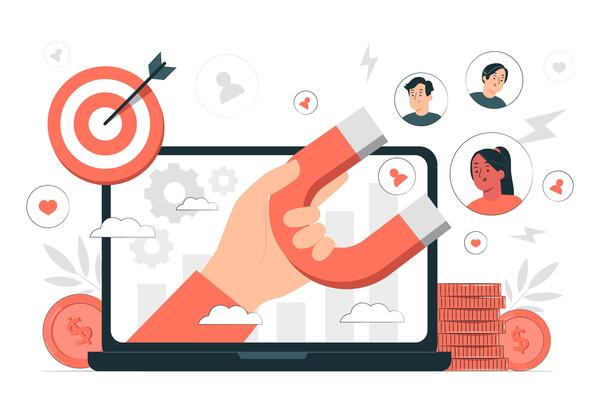


Inbound marketing attracts customers with valuable content, organic interactions, and a commitment to their needs.
Picture this: You’ve poured your heart and soul into your business, developing a service or product that you truly believe can make a difference. You’ve done everything by the book, but your sales still aren’t taking off. Visitors come and go, but conversions remain flat. What’s missing?
This is a common challenge for modern businesses. Traditional marketing tactics, like interruptive ads and cold calls are losing their impact. Consumers today are more informed, more selective, and less tolerant of pushy sales messages.
That’s where inbound marketing comes in. It’s a smarter, customer-focused approach that doesn’t chase customers, but it attracts them with relevant, useful, and genuinely engaging content.
In fact, data shows that 71% of B2B buyers begin their purchasing process with a general search online. This proves how critical it is to establish a strong and informative digital presence for businesses operating in the B2B space.
Even more compelling, a study by Demand Metric reveals that content marketing, one of the pillars of inbound marketing generates three times more leads at a 62% lower cost compared to traditional outbound methods.
Let’s dive into what makes inbound marketing such a game-changer for modern businesses.
What is Inbound Marketing?
Inbound marketing is a customer-centric marketing approach focused on attracting and engaging audiences through relevant, valuable content, without interrupting their experience.
Unlike outbound marketing, which relies on direct ads, cold calls, and aggressive pitches, inbound methods aim to pull potential customers in by offering helpful information tailored to their needs and interests.
Content is the beating heart of inbound marketing. But it’s not just any content, but it must be educational, engaging, and genuinely useful. When done right, this strategy builds long-term trust and meaningful relationships with your audience.
In today’s digital-first environment, inbound marketing has become more crucial than ever. Consumers now prefer to do their own research online before making purchasing decisions. They rely on search engines, blogs, reviews, and social media, not salespeople.
That’s why your brand needs to be discoverable and trustworthy. By offering content that addresses your audience’s needs, your business can rise as a credible resource, enhance visibility, and stay competitive.
Two key drivers behind inbound marketing success are Search Engine Optimization (SEO), ensures your content ranks high in search results. Meanwhile social media, builds authentic, two-way communication with your audience.
Together, these tools form a dynamic strategy that attracts, engages, and delights customers at every stage.
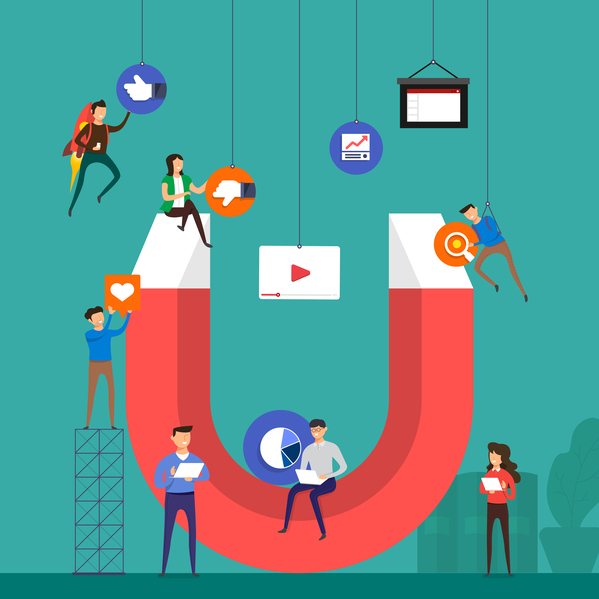
The 4 Stages of the Inbound Marketing Strategy
The inbound methodology is built on four key stages such as Attract, Convert, Close, and Delight. Each stage plays a vital role in turning strangers into loyal customers.
1. Attract
The first step in inbound marketing is attracting an audience. This is where SEO (Search Engine Optimization) and quality content play a vital role.
Search engine-optimized content ensures your website appears in search results when prospects search for related information. This is the first step in building relationships with potential customers.
Social media is also an important platform for attracting customers. These platforms allow brands to interact directly with their audiences, understand their needs, and introduce relevant content.
Social media also provides an opportunity for brands to showcase their personality and values, building a more personal relationship with followers.
A consistent and focused content strategy will increase the credibility and trust of your audience in your brand.
2. Convert
After capturing a visitor's attention, the next step is converting them into leads.
Well-designed landing pages and clear calls-to-action help direct visitors to take the next step, such as signing up for a newsletter, completing a contact page, or downloading an e-book.
Online forms are effective for collecting contact information from interested visitors. Meanwhile, lead magnets, such as e-books, webinars, or free trials, provide added value to visitors in exchange for their contact information.
Email marketing is a powerful tool for nurturing leads. Through segmented and personalized emails, you can continuously communicate with leads and provide content tailored to their stage in the buying journey.
3. Close
Not all leads are ready to buy. That’s where lead scoring comes in, helping you prioritize who’s most likely to convert into paying customers.
Effective lead management ensures that high-quality prospects are followed up appropriately and efficiently.
Using a CRM (Customer Relationship Management) is crucial at this stage. A CRM helps organize lead information and makes it easier for the sales team to continue the sales process effectively.
4. Delight
After a customer purchases, it's crucial to continue providing excellent service and support. This not only increases customer satisfaction but also encourages positive word-of-mouth.
Post-sales content, such as product usage tips, related articles, or invitations to exclusive webinars, can help keep customers engaged.
Building a community also creates opportunities for customers to interact with each other and with the brand. This helps build loyalty and increases the chance of repeat purchases.
The inbound marketing steps mentioned above, if executed well, not only attract new customers but also foster long-term relationships with them.

Inbound Marketing Tools and Tactics
To build a successful inbound marketing strategy, you need a mix of tools and tactics that work together seamlessly.
Search Engine Optimization (SEO)
In the context of inbound marketing, SEO is a key component.
Implementing an effective SEO strategy ensures that your content is easily found by search engines. Activities include keyword research, content optimization, and ensuring your website is user-friendly and easily accessible by search engines.
Keyword research and content optimization enable your content to appear in top search results, which increases visibility and drives organic traffic to your website.
Content Marketing
Building quality backlinks is also crucial in SEO. Backlinks from trusted sites increase your domain authority, which contributes to better search rankings.
Furthermore, a strong content strategy, including consistent, relevant content creation and distribution, is the foundation of successful inbound marketing.
Audio Visual Marketing
Video marketing and podcasts are two increasingly popular and effective forms of content in inbound marketing.
Videos can be highly engaging and effective for conveying messages quickly and easily. Podcasts, on the other hand, offer a convenient way for audiences to absorb information while commuting or engaging in other activities.
Social Media Marketing
Social media marketing allows brands to connect directly with their audiences. It's important to choose the right platform based on where your target audience spends their time.
Engagement on social media isn't just about posting content; it's also about interacting with followers, listening to feedback, and building a community.
Choosing the right social media platform is crucial. Each platform has different characteristics and audiences. Focus on the platforms where your target audience is most active.
Email Marketing
Email marketing remains a highly effective tool in inbound marketing. Building a strong email list and engaging subscribers with segmented and personalized content can lead to significant conversions.
Email marketing allows you to communicate directly with your audience and maintain relationships with them.
Personalization in email marketing is crucial. Personalized emails increase the likelihood of recipients opening and responding to them. This creates a more personalized experience for each subscriber.
Conclusion
Inbound marketing is no longer just a trend, but it’s a must-have business strategy. It shifts the focus from selling to serving, from pushing to pulling, and from interrupting to engaging.
By investing in valuable content, SEO, social media, and personalized engagement, you create a marketing strategy that builds trust, drives conversions, and nurtures long-term customer relationships.
If your goal is to remain relevant, build trust, and scale efficiently, inbound marketing is the path forward. Start by evaluating your current marketing efforts and gradually integrate the key principles of this powerful strategy.
When you’re ready to elevate customer interactions, tools like the Customer Engagement Platform (CEP) from Telkomsel Enterprise can help you go further.
With features like comprehensive customer profiles, cloud-based SaaS infrastructure, and targeted campaigns based on user behavior, CEP allows you to personalize customer experiences, improve retention, and stay competitive in any industry.
Ready to transform your customer experience? Let CEP be your next step toward smarter engagement. Reach out to us to learn more!