




Communication lies at the heart of every successful team. In any workplace environment, effective communication ensures that all members are aligned with the team’s objectives, understand their individual responsibilities, and can collaborate efficiently. Poor communication, on the other hand, often leads to confusion, conflict, and reduced productivity.
This article explores the importance of team communication, common challenges teams face, essential components of effective communication, and practical strategies to enhance how team members interact and work together.
Why is Team Communication Important?
Team communication is more than just exchanging information. It's about building understanding, trust, and collaboration among individuals working toward a shared goal. When communication within a team is strong, it fosters a positive work culture where everyone feels valued and informed.
Clear communication helps team members know what is expected of them, which roles they play in a project, and how their contributions impact the overall outcome. Moreover, good communication encourages transparency and accountability, allowing issues to be addressed early before they escalate.
It also opens the door for creative problem-solving, as team members feel empowered to share ideas and feedback. Without proper communication channels in place, even well-structured teams may struggle to function cohesively.
In short, effective team communication is not just beneficial, it's essential for maintaining harmony, efficiency, and motivation within any organization.
Team Communication Challenges in the Workplace
Despite its importance, many teams encounter obstacles that hinder effective communication. These challenges can arise from various sources and can significantly affect team dynamics and performance. Some of the most frequently encountered issues include:
Lack of Clarity: Ambiguous or unclear messages can lead to confusion.
Different Communication Styles: Team members may have varying communication approaches, which can cause misunderstandings.
Insufficient Feedback: Without regular feedback, messages may be misinterpreted or ignored.
Information Overload: Too much information can overwhelm team members, leading to poor decision-making.
Lack of Openness: If team members feel uncomfortable sharing their opinions, collaboration suffers.
Effective Team Communication: Key Elements to Focus On
To build strong and productive communication within a team, certain fundamental elements must be present and actively nurtured. These components lay the groundwork for meaningful interactions and ensure that messages are delivered and received clearly and respectfully.
Clarity: Ensure messages are simple and easy to understand.
Openness: Encourage all team members to share ideas and opinions freely.
Empathy: Acknowledge the perspectives of others and respond thoughtfully.
Active Listening: Pay attention without interrupting and demonstrate understanding.
Consistency: Maintain regular communication that aligns with team goals and messaging.
Tips to Achieve Effective Team Communication
Effective communication is not only about talking, but also about ensuring that everyone is on the same page and that ideas are conveyed clearly. Here are a few strategies to improve communication within a team.
1. Active Listening
Active listening is crucial for effective team communication. It involves fully concentrating on the speaker, understanding their message, and responding thoughtfully.
Use body language such as eye contact and nodding to show engagement. Provide relevant feedback to show that you’ve understood the message.
2. Use Clear and Simple Language
When communicating with your team, choose words that are easily understood by everyone. Avoid jargon or overly complex terms unless necessary. Clear language ensures your message is understood and prevents confusion.
3. Be Mindful of Body Language
Communication is not just about words. Non-verbal cues like facial expressions, gestures, and posture play a significant role in how your message is received. Ensure your body language aligns with your spoken words to avoid misunderstandings.
4. Tailor Your Communication to Your Audience
Everyone has a unique communication style, so it’s important to adjust your approach based on your audience. For formal settings, use professional language, while for more casual discussions, adapt your tone and style to the situation.
5. Encourage Two-Way Communication
Effective communication is a two-way street. Give your team members the opportunity to voice their thoughts, ask questions, and provide feedback. This ensures that everyone has a chance to contribute and helps create a more collaborative environment.
6. Manage Emotions and Prevent Conflict
During team discussions, it’s essential to keep emotions in check. Avoid raising your voice or becoming defensive. If disagreements arise, stay calm, listen to others, and work together to find constructive solutions.
7. Leverage Technology Wisely
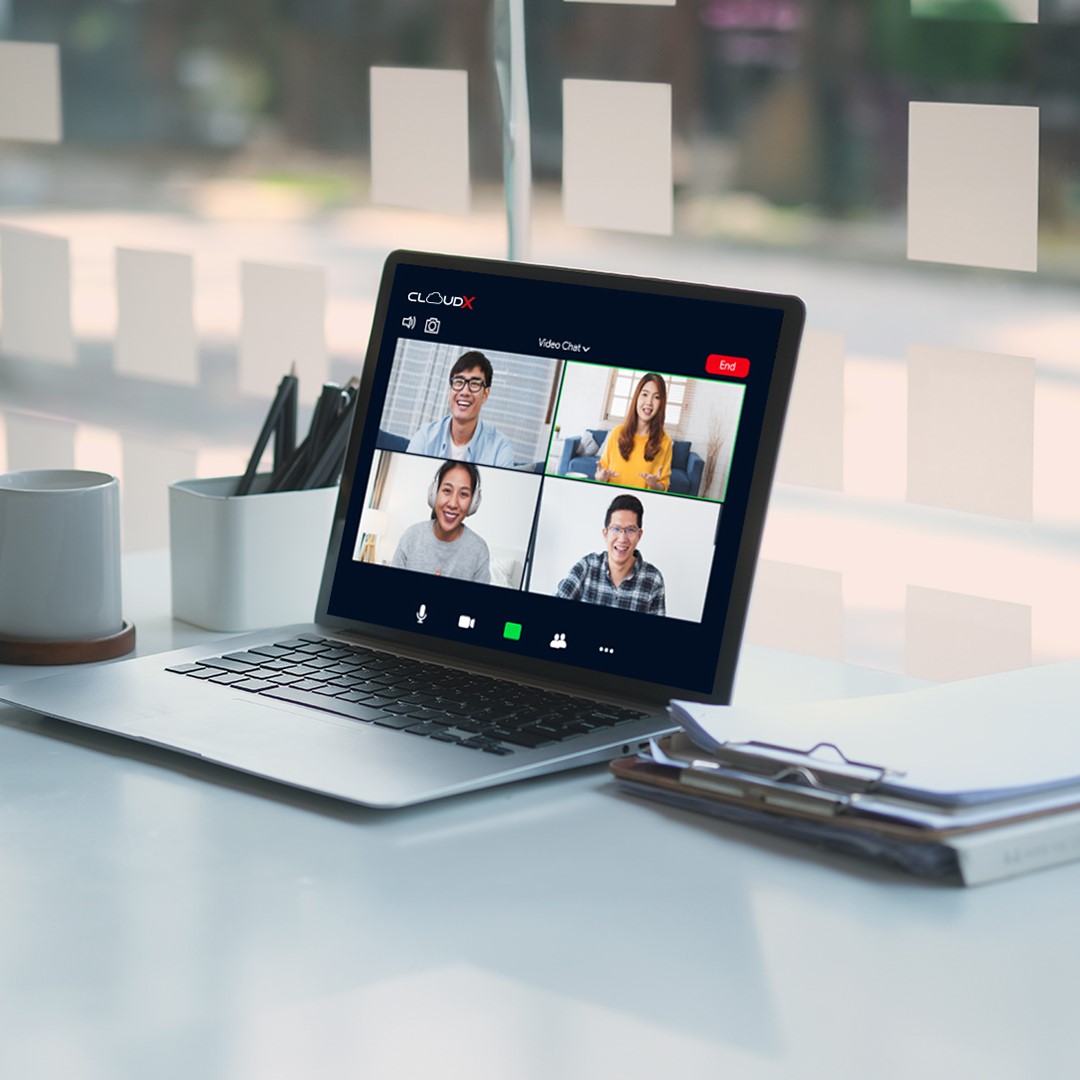
In today’s digital age, effective communication is not limited to face-to-face interactions. Utilize tools such as email, instant messaging, and video calls to facilitate communication, especially when teams are working remotely.
However, ensure that these tools are used appropriately and that all members understand how to use them effectively.
8. Practice and Evaluate Regularly
To improve communication skills, practice is key. Encourage regular feedback from your team and assess your communication style. This continuous evaluation helps identify areas for improvement and keeps everyone aligned.
9. Build Trust
Trust is the foundation of effective communication. Be honest, consistent, and transparent in your interactions to foster a culture of trust within the team. When team members trust each other, communication flows more smoothly.
How to Improve Communication Within a Team
Without effective communication, miscommunication and misunderstandings can hinder progress toward shared objectives. Here are some practical ways to enhance communication within your team.
1. Use Technology Effectively
Modern tools such as email, instant messaging apps, video conferencing platforms, and project management software have transformed how teams communicate. These technologies enable seamless interaction, especially for remote or hybrid teams.
However, it’s important to set clear guidelines around their use to avoid distractions and ensure that communication remains meaningful.
2. Hold Regular Team Meetings
Scheduled meetings provide structure and consistency in communication. Daily stand-ups, weekly check-ins, or monthly reviews can serve as platforms to update progress, discuss challenges, and align on upcoming tasks. These meetings should be purposeful and time-bound to maintain focus and efficiency.
3. Create an Open Environment
Encourage an environment where team members feel comfortable sharing ideas, concerns, and feedback without fear of judgment. An open environment fosters trust and makes communication more effective.
4. Promote Team Building Activities
Organize team-building exercises or social events outside of work. Strengthening interpersonal relationships helps improve collaboration and ensures that communication flows freely in both formal and informal settings.
The Role of Technology in Team Communication
Technology plays a pivotal role in enhancing team communication, especially in today’s increasingly digital world. Here are some ways technology can support effective communication.
Collaboration Tools: Platforms like Slack, Microsoft Teams, and Zoom make it easier for teams to communicate, whether they are in the office or working remotely.
Information Sharing: Tools such as email and project management software help store and share critical team communications.
Remote Communication: Video calls, chats, and other digital tools allow remote teams to stay connected, ensuring that distance doesn’t disrupt communication.
Boosting Productivity: With technology, information is delivered faster, enabling quicker decision-making and project execution.
Strong communication is a foundational element of any high-performing team. It goes beyond simply talking, it involves understanding, listening, and connecting in ways that promote unity and productivity. While challenges will inevitably arise, recognizing and addressing them with deliberate strategies can make a significant difference.
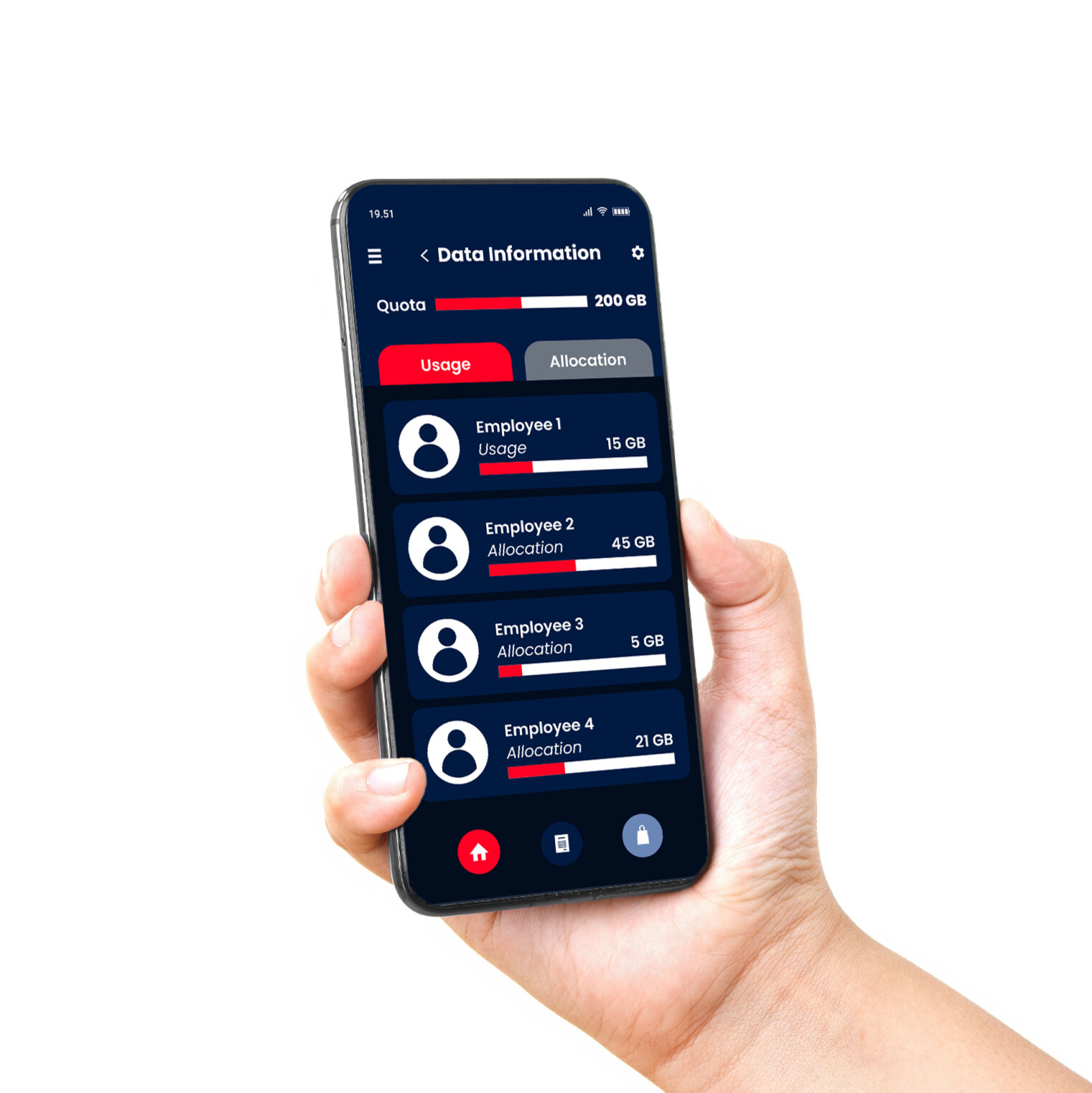
To further enhance your team’s communication, explore solutions like the Team Plan from Telkomsel Enterprise. With flexible communication tools tailored to business needs, you can ensure your team has the resources needed to communicate effectively and drive success.
Contact us today for more information.