




Preventive maintenance is a vital strategy for preventing disruptions that could severely impact the entire production chain, especially in industries like manufacturing.
The success of operations is often determined by the reliability of machines and production equipment. Even a minor malfunction in a single machine can result in delays, increased costs, and a decline in product quality.
This is why preventive maintenance is an approach that is far more effective than waiting for a failure to occur before taking action. But how can your company leverage this proactive strategy?
What Is Preventive Maintenance?
Preventive maintenance refers to a planned and scheduled maintenance strategy that aims to prevent equipment breakdowns before they occur. It involves performing maintenance tasks based on specific schedules, usage conditions, or the results of machine performance monitoring.
Unlike corrective maintenance, which is reactive and occurs after a failure, preventive maintenance is proactive. Its goal is not just to repair failures but to anticipate potential issues that could disrupt operations. Preventive maintenance activities include routine inspections, cleaning, lubrication, component replacement, and functional testing of machinery.
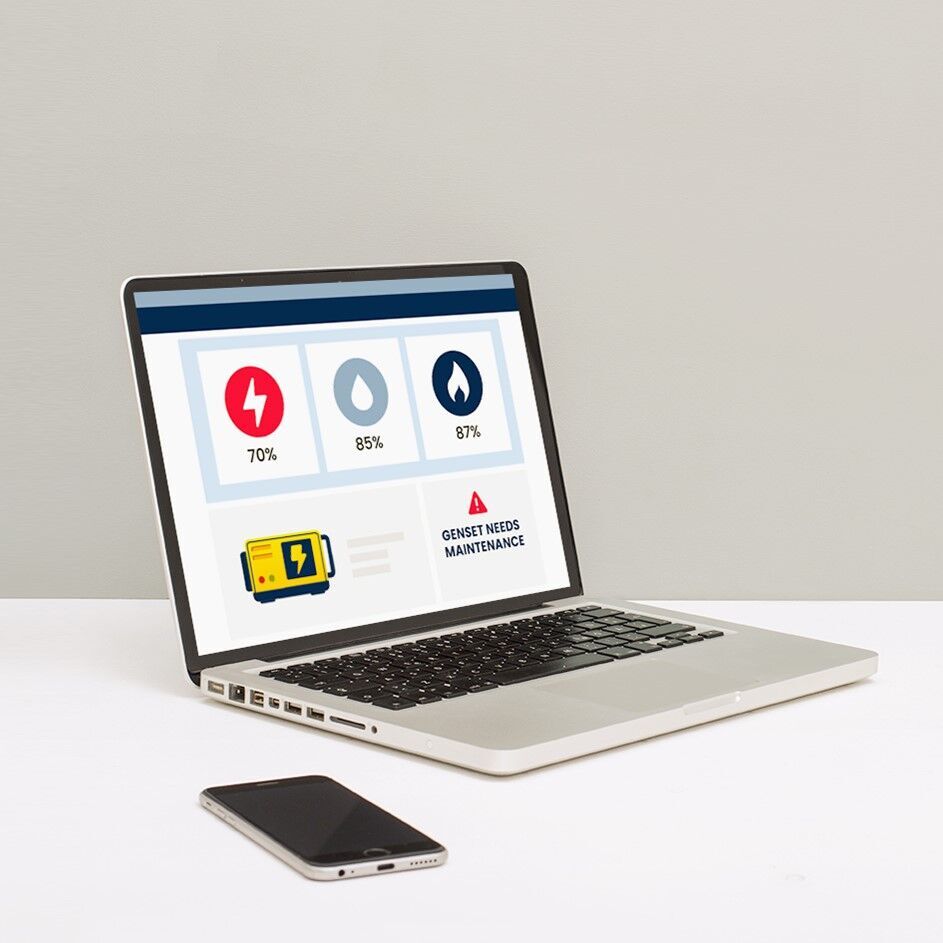
In the context of modern industries, preventive maintenance is no longer carried out manually. Many companies have integrated it with digital technology to improve accuracy, efficiency, and decision-making speed in the maintenance process.
Objectives of Preventive Maintenance
The application of preventive maintenance has various strategic goals that directly impact the continuity and efficiency of business operations. These goals include:
-
Preventing Unexpected Downtime
Sudden downtime can halt production processes and result in substantial losses. Preventive maintenance aims to identify potential failures early on so that corrective actions can be taken before the equipment completely stops functioning.
-
Extending Equipment Lifespan
Machines and equipment that receive regular maintenance tend to have a longer operational life. With proper care, components wear out more slowly, thereby maximizing the company's investment in its assets.
-
Boosting Operational Efficiency
Equipment that operates in optimal conditions works more efficiently, consumes less energy, and produces more consistent outputs. Preventive maintenance ensures that machines continue to perform at their best, enhancing operational productivity.
-
Reducing Repair Costs
Major repairs are typically much more expensive than regular maintenance. Preventive maintenance helps your company avoid costly emergency repairs, keeping overall maintenance expenses lower.
-
Ensuring Regulatory Compliance
Many industries are governed by safety and quality standards. Preventive maintenance helps businesses meet these regulations by ensuring that machines and equipment remain in good working order.
-
Enhancing Workplace Safety
Poorly maintained machinery poses safety risks. By implementing preventive maintenance, you can minimize potential hazards, creating a safer work environment for employees.
Types of Preventive Maintenance
Preventive maintenance can be implemented in various ways, depending on the characteristics of the machinery and operational needs. Here are the main types of preventive maintenance:
-
Time-Based Maintenance
Time-based maintenance involves performing maintenance at scheduled intervals, such as daily, weekly, monthly, or annually. This approach doesn't take machine usage into account, as long as the scheduled maintenance time has been reached. This method is ideal for equipment with stable usage patterns and predictable failure risks.
-
Usage-Based Maintenance
This type of maintenance is based on the actual usage of the machine, such as operational hours, production cycles, or distance traveled. Maintenance is performed once the equipment reaches a certain usage threshold. It offers greater flexibility compared to time-based maintenance since it considers actual usage.
-
Condition-Based Maintenance
Maintenance is only performed when indicators show a decline in performance or potential damage. This approach requires routine inspections or sensor monitoring to detect issues early. It’s more efficient since unnecessary maintenance is avoided.
-
Predictive Maintenance
Predictive maintenance is an advanced form of condition-based maintenance. This approach uses historical data, sensors, and analytics to predict when a component is likely to fail.
Maintenance can then be scheduled ahead of time, preventing unexpected breakdowns. Predictive maintenance is especially effective in industries with critical, high-value machinery.
Benefits of Preventive Maintenance
When implemented as part of an asset management strategy, preventive maintenance offers a range of benefits that go beyond just technical upkeep. It contributes directly to business efficiency, production stability, and long-term cost control.
Here are the primary benefits your company can gain by consistently applying preventive maintenance:
-
Reduced Downtime
Preventive maintenance helps businesses identify potential issues early, before they develop into major breakdowns that halt production.
Regular inspections and scheduled maintenance ensure that repairs can be planned at the least disruptive times, minimizing production downtime. This is especially critical in industries with continuous production processes where downtime can lead to significant financial losses and delays in product delivery.
-
Increased Productivity
reventive maintenance keeps machinery operating at peak performance, ensuring that production processes run smoothly without unexpected interruptions. This leads to better production outcomes and prevents a drop in output caused by sudden equipment failures.
Moreover, increased productivity benefits the workforce by reducing recurring technical disruptions, allowing operators to focus on core production activities.
-
Consistent Product Quality
The quality of your product is heavily dependent on the condition of the machines used in the production process. Unmaintained equipment often results in inconsistent outputs, product defects, or deviations from quality standards.
Preventive maintenance ensures that machines perform according to their technical specifications, thereby maintaining product quality and minimizing defects. Regular maintenance also helps reduce the chances of production errors, improving customer satisfaction, and protecting your company's reputation.
-
Optimal Resource Utilization
Preventive maintenance allows your company to use resources like labor, time, and materials more efficiently. With planned maintenance schedules, you can allocate technicians, spare parts, and work hours in a structured manner.
This approach avoids emergency repairs, which often incur higher costs and leads to inefficient resource usage. Preventive maintenance integrates smoothly into operational workflows, preventing disruptions that can hinder overall performance.
-
Improved Operational Reliability
Preventive maintenance is the foundation of building operational reliability. It ensures that every piece of machinery and equipment is ready for use when needed. With fewer disruptions, the production system operates smoothly and predictably.
High operational reliability helps businesses maintain customer trust and business partnerships. A company that consistently meets production deadlines and delivery schedules will gain a competitive edge in its industry.
Steps to Implement Preventive Maintenance
To fully reap the benefits of preventive maintenance, businesses need to implement it systematically. As preventive maintenance is an ongoing process, it requires thorough planning, execution, and consistent evaluation.
Here are five key steps to effectively implement preventive maintenance:
-
Plan Maintenance Schedules
The first step is to create a clear and realistic maintenance schedule. This should be based on the type of equipment, usage levels, operational environment, and manufacturer recommendations.
A good maintenance schedule should be documented and easily accessible by all relevant stakeholders. Proper planning ensures that each machine is maintained on time without conflicting with the main production schedule.
-
Conduct Regular Inspections
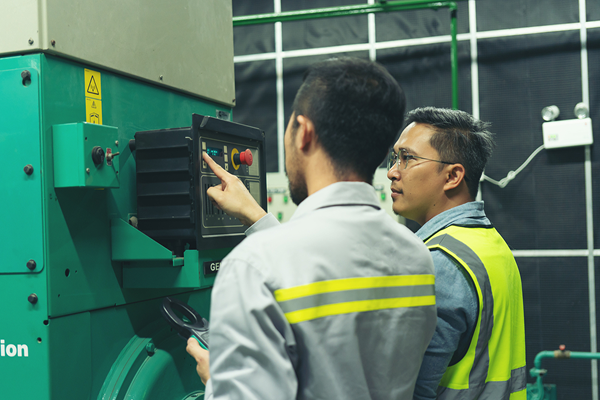
Routine inspections are the core of preventive maintenance. These inspections help identify early signs of wear and tear, such as unusual sounds, excessive vibration, temperature changes, or abnormal energy consumption.
The accuracy of these inspections is crucial for determining whether further action, such as adjustments, minor repairs, or component replacements, is necessary.
-
Replace Spare Parts on Time
Every machine component has a certain lifespan. Preventive maintenance involves replacing parts that are nearing the end of their life before they fail.
This approach helps prevent major damage and reduces the risk of sudden breakdowns. Effective spare parts management ensures that components are available when needed, reducing delays in the maintenance process.
-
Clean and Lubricate Regularly
Cleaning and lubrication are basic yet essential steps in preventive maintenance. Dust, dirt, and production residues can accelerate component wear and reduce machine efficiency. Regular cleaning helps keep equipment in good condition.
Proper lubrication reduces friction between moving parts, lowers operating temperatures, and extends the life of the machinery.
-
Monitor Machine Performance
Continuous monitoring of machine performance is becoming increasingly important in modern preventive maintenance. By tracking parameters like temperature, vibration, pressure, and energy consumption, you can get real-time insights into the condition of your equipment.
The data gathered through monitoring is also valuable for implementing condition-based and predictive maintenance, leading to more precise and efficient maintenance decisions.
Enhance Preventive Maintenance with IoT Smart Manufacturing from Telkomsel Enterprise
In today's digital era, preventive maintenance cannot be separated from technology. By utilizing accurate and integrated data, companies can make more informed, data-driven maintenance decisions. To support this, Telkomsel Enterprise offers IoT Smart Manufacturing, a solution that enables real-time machine performance monitoring.
With machine monitoring features, your company can optimize asset usage, improve maintenance schedules, and significantly reduce downtime that negatively impacts operations.
Moreover, IoT Smart Manufacturing offers a one-stop solution for smart manufacturing, meaning your business doesn’t need to connect multiple complex systems for efficient monitoring.
To achieve smarter machine monitoring, more efficient operations, and reliable production in this digital age, it’s time to optimize your company’s preventive maintenance strategy with IoT Smart Manufacturing from Telkomsel Enterprise!