


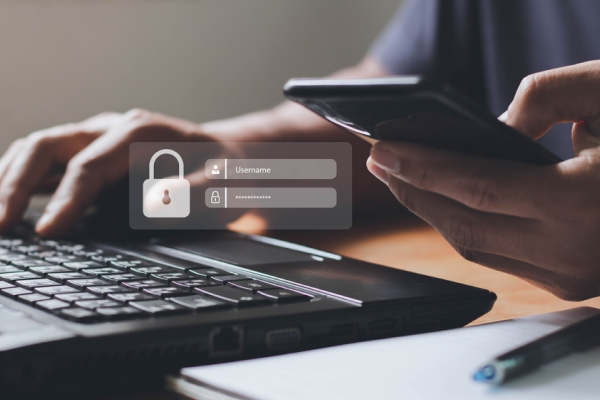


Convenience and security often sit on opposite sides of the spectrum. When it comes to data verification in business, finding the right balance between user-friendly processes and airtight security becomes a strategic challenge.
On one hand, companies need fast and seamless verification systems that don't disrupt user experience. On the other, protecting sensitive data is non-negotiable to prevent misuse and build customer trust.
What is Data Verification?
Data verification is the process of confirming that the information provided by users is accurate and authentic. This involves matching user-input data with records already stored in the company’s database.
The goal is simple, to ensure the individual accessing an account or making a transaction is who they claim to be, not an unauthorized party. For instance, in a finance app, data verification ensures that the person requesting access is indeed the account holder.
But it's not limited to financial services, it’s also critical in public services, tax systems, and other administrative sectors.
Why is Data Verification Important?
While the primary objective of data verification is to ensure accuracy, its value goes far beyond that. Here's why it's a must for modern businesses:
1. Protecting Customer Data
One of the core functions of data verification is safeguarding users against identity theft and unauthorized access. Without proper verification, inaccurate or outdated data can easily be exploited.
For example, online platforms use data verification to ensure only the rightful account owner can log in. If verification fails, bad actors could manipulate sensitive data, leading to serious consequences for both users and businesses.
2. Reducing Fraud and Account Breaches
Verification processes can flag discrepancies in real-time. If user-entered data doesn’t match known records, access is blocked before any damage is done.
In banking or e-commerce, this means protecting not just identities, but also financial transactions, keeping fraud at bay and trust intact.
3. Maintaining Data Accuracy
Every entry into your system must be verified to ensure its integrity. That means checking names, ID numbers, and official documentation against verified records.
This improves overall data quality and ensures your business decisions are based on accurate, real-world information.
Types of Data Verification Methods
Several methods of data verification are widely used across industries, serving a unique purpose depending on the required level of security too. Here are some of the most common:
1. Phone Number Verification
Phone number verification is one of the most widely adopted methods of data verification. It typically involves sending a One-Time Password (OTP) via SMS or WhatsApp to confirm ownership of the phone number provided.
This method adds a simple but effective layer of security during user registration or login processes.
2. Identity Verification
Also known as ID verification, this method uses official documents like national IDs or passports to authenticate a person’s identity.
Two common approaches include:
-
OCR for ID Cards: Scanning and extracting text from identification documents using optical character recognition.
-
ID Check: Comparing uploaded ID images against official databases to verify authenticity.
These examples of data verification are particularly important in sectors like banking, telecom, and insurance.
3. Biometric Verification
Biometric verification is among the most secure types of data verification available today. It relies on unique biological traits such as facial features or fingerprints.
Common techniques include:
-
Face Recognition: Matching a live photo with a stored image.
-
Liveness Detection: Confirming that the biometric data comes from a real person, not a photo or video.
These methods offer high levels of security and are increasingly used in mobile banking and digital onboarding.
Telco Verify: Simplifying Data Verification for Your Business
Managing multiple data verification methods can become complex, especially when dealing with different data formats and regulatory requirements. That’s where Telco Verify comes in.
Developed by Telkomsel Enterprise, Telco Verify offers a streamlined, network-based authentication solution that makes the entire data verification process faster, safer, and more efficient. From OTP delivery to identity and biometric checks, Telco Verify enhances trust and security across all digital interactions.
It’s not just about verification, but it’s about building trust at every step of the customer’s journey. Ready to simplify your verification workflows and boost customer confidence?
Contact us today to learn more about how Telco Verify can transform your business operations.