





Production downtime is a condition where a machine or production line stops operating outside its scheduled operating time. In the manufacturing industry, keeping production processes running smoothly is essential for meeting production targets and maintaining customer satisfaction. When downtime occurs, companies face the risk of production delays, disrupted schedules, and rising operational costs.
That is why understanding production downtime is an important step toward identifying the source of disruptions and developing the right prevention strategies.
What Is Production Downtime?
Production downtime is the period when a production process stops or cannot operate normally because of a particular disruption. Downtime can affect a single machine, an entire production line, or even a whole production facility, depending on the type and scale of the problem.
Production downtime is generally divided into two main categories:
Planned downtime: a scheduled production stoppage that has been prepared in advance. Examples include preventive maintenance, machine inspections, component replacement, or other routine maintenance activities.
Unplanned downtime: occurs unexpectedly due to machine breakdowns, operator errors, system failures, power outages, natural disasters, or cybersecurity threats. This type of downtime requires greater attention because it can disrupt production schedules, delay deliveries, and create unexpected financial losses.
Most Common Causes of Production Downtime
Production downtime can be caused by many factors, some of the most common causes include the following:
1. Human Error
Human error can occur when operators run machinery, adjust operating parameters, perform maintenance procedures, or respond to abnormal conditions during production. A lack of training and insufficient understanding of Standard Operating Procedures (SOPs) can increase the risk of operational mistakes.
2. Hardware Failure
Production machines consist of many components that can experience wear, deterioration, or failure over time. Motors, sensors, conveyors, electrical systems, mechanical components, and other equipment can all become sources of downtime. When a critical component fails, the machine may have to stop operating.
3. Natural Disasters
Floods, earthquakes, fires, storms, and other natural disasters can disrupt production facilities and supporting infrastructure.
The impact is not limited to physical damage. A disaster can also affect electricity supplies, communication networks, information technology systems, transportation, and raw material distribution.
4. Cyberattacks
Digital transformation has made machines and production systems increasingly connected to networks. This connectivity can improve efficiency and visibility, but it can also increase exposure to cybersecurity risks.
Cyberattacks such as malware, ransomware, and unauthorized access can disrupt production systems and force operations to stop.
The Impact of Downtime on Business Operations
Production downtime does more than stopping a machine from running. Its effects can spread across multiple areas of the business. Some of the most common impacts include:
-
Lower productivity because production targets cannot be achieved according to schedule.
-
Higher operating costs even though production has temporarily stopped.
-
Delayed product deliveries when downtime continues for an extended period.
-
Lower customer satisfaction when delays occur repeatedly.
-
Damage to the company's reputation if production disruptions affect customer commitments.
-
Less effective production planning because unexpected interruptions make schedules harder to manage.
-
Additional overtime costs when employees need to work longer hours to make up for lost production time.
How to Calculate Downtime in Production
Calculating production downtime allows companies to understand how often production stops and how long these interruptions last. The resulting data can be used to evaluate machine performance, identify recurring issues, and determine which equipment or processes should receive improvement priority.
The production downtime cost formula is:
TDC = (LPC +LCC + GOC) + RC
Keterangan:
-
TDC: Total Downtime Cost
-
LPC: Lost Production Cost (Revenue lost from unproduced goods)
-
LCC: Lost Labor Cost (Wages paid to workers while machines are idle)
-
GOC: General Overhead Cost (Fixed operational expenses)
-
RC: Recovery Cost, or general repair and recovery expenses
Production Downtime Calculation Example:
Suppose a manufacturing company experiences downtime on one of its production machines for 5 hours. While the machine is not operating, the company still has to bear several costs:
-
LPC: IDR5.000.000
-
LCC: IDR1.500.000
-
GOC: IDR1.000.000
-
RC: IDR2.500.000
The calculation is:
TDC = (LPC + LCC + GOC) + RC
TDC = (IDR5.000.000 + IDR1.500.000 + IDR1.000.000) + IDR2.500.000
TDC = IDR10.000.000
Therefore, the total downtime cost incurred by the company is IDR10.000.000.
How to Reduce Production Downtime
Production downtime cannot always be eliminated completely. However, companies can take several practical steps to reduce the frequency and duration of downtime.
1. Develop and Train Employees
Employees who understand the machines they operate and the procedures they need to follow are better prepared to prevent operational mistakes. Training should cover machine operation, SOPs, basic troubleshooting, workplace safety, and procedures for responding to production disruptions.
Training should not stop after the initial onboarding process. Regular evaluations and refresher training can help ensure that employee skills remain aligned with changing technologies, equipment, and production processes.
2. Schedule Regular Machine Maintenance
Companies should schedule inspections, cleaning, lubrication, calibration, and component replacement according to technical recommendations and actual machine usage. Preventive maintenance helps maintain equipment condition and reduces the possibility of sudden breakdowns.
Scheduled maintenance also allows companies to choose a more suitable time to stop production, reducing the impact of maintenance activities on production targets.
3. Prepare a Disaster Recovery Plan
A Disaster Recovery Plan (DRP) establishes the actions a company should take when a major disruption occurs, whether it is caused by a natural disaster, system failure, cybersecurity incident, or another unexpected event.
An effective DRP should include system recovery procedures, clearly defined responsibilities, recovery priorities, communication procedures, and alternative operating arrangements that can be used when the primary facility is unavailable.
4. Perform Regular Backups
Regular backups protect your business against hardware failures, system glitches, and cyber-attacks. Ensure that production data, system configurations, and critical operational records are backed up consistently. Always test your recovery process to ensure that your data is fully functional when you need it most.
5. Use Technology to Manage Production Downtime
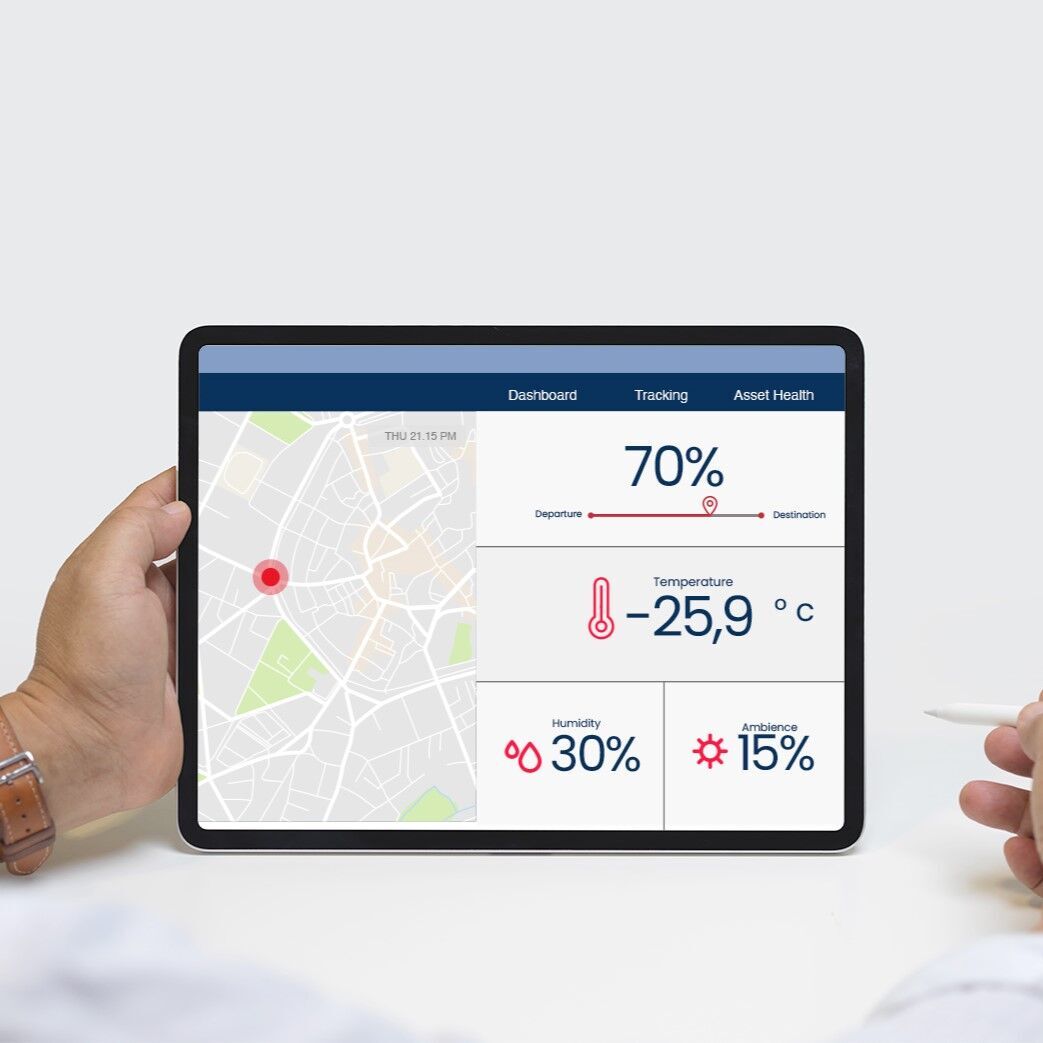
A monitoring system can collect machine and operational data over time, and alert teams when performance begins to move outside normal conditions. These insights can support predictive maintenance by helping teams identify potential problems before they become major failures.
As a result, technology can help shift maintenance from a reactive approach.
How Real-Time Machine Monitoring Helps Prevent Production Downtime
Real-time machine monitoring is becoming increasingly important as manufacturers adopt more connected technologies. Continuous monitoring gives companies better visibility into machine conditions and performance without requiring teams to manually always inspect every piece of equipment.
Machine data can reveal changes in operating parameters, identify abnormal conditions, and help determine when maintenance should be performed. In this case, Smart Manufacturing from Telkomsel Enterprise can be relied on as an IoT-based solution that helps businesses monitor machine conditions and performance in real time.
By continuously monitoring operational data, you can gain greater visibility into your production processes, detect potential disruptions earlier, and take prompt action to minimize downtime and maintain productivity. Smart Manufacturing can also support more data-driven production asset management, allowing both operational teams and management to make faster and more accurate decisions.
Improve production visibility while managing machine conditions more proactively with Smart Manufacturing from Telkomsel Enterprise. Consult your business needs today to maintain productivity and support more reliable manufacturing operations.
FAQ:
What is production downtime?
Production downtime is a condition where a production process stops or cannot operate normally due to a specific disruption, such as machine breakdowns, human error, or system failures.
What is the difference between planned downtime vs unplanned downtime?
Planned downtime is a scheduled production stoppage, usually carried out for activities such as maintenance. Meanwhile, unplanned downtime occurs unexpectedly due to equipment failures, system problems, or other unforeseen disruptions.
How to calculate downtime in production?
Production downtime can be calculated by subtracting actual production time from the total planned production time. This data can be used to determine the duration and percentage of production time lost due to downtime.
What is the production downtime formula?
To calculate downtime costs, you can use the formula TDC = (LPC + LCC + GOC) + RC, where TDC stands for Total Downtime Cost, LPC stands for Lost Production Cost, LCC stands for Lost Labor Cost, GOC stands for General Overhead Cost, and RC stands for Recovery Cost.