


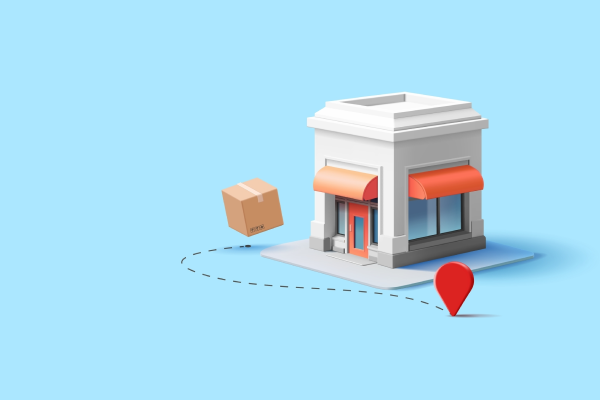


Choosing the right location for your business is about more than just accessibility, but it influences everything from brand visibility to operational efficiency and growth potential. A poor choice can lead to high operational costs, limited market reach, and stunted growth, while a strategic location can open doors to a broader customer base, better logistics, and higher profitability.
This guide dives into the key factors that affect the selection of an ideal business location and walks you through the location selection process to help ensure your business thrives.
Why Is Location Important in Business?
A business location refers to the physical space or geographical area where a business operates, whether it’s a store, office, factory, restaurant, or other commercial facility. A strategic location is a critical factor in a company’s success.
The right location increases brand visibility, makes it easier for customers to access products and services, and can attract a wider audience. On the flip side, a poorly chosen location can hinder growth, cause logistical headaches, and increase operating costs.
That’s why a deep understanding of business location and the key selection criteria is essential for any entrepreneur or business owner looking to optimize their performance and achieve sustainable growth.
6 Key Factors in Choosing a Business Location
Choosing a strategic business location isn’t a guessing game, but it’s a calculated process driven by real-world data and measurable factors. Here are the six essential business location selection criteria factors every entrepreneur should evaluate:
1. Demographics
Understanding the demographics of the surrounding area is vital. This includes factors like age, gender, income levels, education, and lifestyle choices. For example, a trendy café is better suited for a neighborhood populated by young professionals or students, while a family-focused business may do better in residential areas.
2. Accessibility
A business location must be easy to access by public transport, have adequate parking, and be in a high-traffic area. Accessibility is crucial not only for attracting customers but also for ensuring smooth logistics and supply chain operations. A location that’s convenient for customers, employees, and suppliers increases the likelihood of success.
3. Local Regulations
Every region has its own set of regulations, ranging from zoning laws and business permits to environmental guidelines and taxes. A location that doesn’t support the legal requirements for your business type can be a significant obstacle. Understanding local laws is essential to avoid costly fines or legal issues down the road.
4. Cost Considerations
The financial implications of your business location are critical. This includes rent, utilities, local taxes, and wages for workers. A prime location may come with a high price tag, but it needs to align with your business’s projected revenue. If the location's costs outweigh its potential for profit, it could strain your budget and harm the business.
5. Competition
Analyzing the level of competition is key. If the area is saturated with similar businesses, you need to ensure your business has a unique selling proposition (USP) that differentiates it. On the other hand, if there’s a lack of competitors, research shows why the market could be underdeveloped, or is there simply low demand?
6. Economic Conditions
The local economy can greatly influence your business’s success. Areas with low unemployment rates, growing economies, and thriving commercial activities provide better opportunities for businesses. Conversely, areas with economic stagnation might limit your potential customer base and growth opportunities.
Types of Business Locations
Business locations are no longer just physical spaces. Technological advancements and changing consumer behaviors have expanded the definition of a "business location." Here are the different types of business locations you should consider:
1. Physical Location
This refers to a tangible place such as a storefront, office, factory, or warehouse. Physical locations are the focal point of direct customer interactions. Factors like visibility, foot traffic, ease of transportation, and the surrounding environment play a huge role in determining the effectiveness of a physical location.
2. Online Location
In today’s digital world, online presence is a critical component of any business location strategy. This includes your website, social media profiles, and e-commerce platforms. SEO optimization, user-friendly design, and excellent customer experience are essential for ensuring your online location attracts a broad audience and converts them into loyal customers.
3. Zoning and Market Segmentation
Zoning refers to the division of areas based on their intended use, like commercial, residential, or industrial zones. Market segmentation, on the other hand, involves dividing the consumer base by characteristics such as income, lifestyle, or interests.
Aligning your business location with the correct zoning and target market segmentation increases the likelihood of successful marketing and sales.
4. Community-Based Location
These are locations within or near specific communities such as schools, residential neighborhoods, hobbyist areas, or cultural centers. Businesses located in these locations benefit from stronger social ties and can attract loyal customers.
Examples include local cafes, convenience stores, or small retail outlets that thrive in close-knit communities.
5. Activity-Based Locations
These locations are chosen based on high customer traffic driven by specific activities, such as office parks, shopping malls, transportation hubs, and tourist areas. These types of locations are ideal for businesses that depend on high volumes of short-term customer traffic, like coffee shops, quick-service restaurants, or convenience stores.
Location Selection Process: A Guide to Finding the Perfect Spot
Determining the best location for your business can feel like a daunting task, but with the right approach, it becomes more manageable. Here’s how to strategically choose a business location:
1. Conduct Thorough Market Research
Start by conducting in-depth market research. Analyze consumer demand, the characteristics of your target audience, shopping habits, and local market trends. Understanding the market in detail will help you assess whether a specific location suits your business.
2. Evaluate Accessibility
The location should be near main roads, public transport hubs, and have ample parking. This will not only attract more customers but also streamline your logistics and inventory processes. The easier it is for people to get to your business, the better.
3. Assess the Competitive Landscape
Look into existing competitors in the area. Having competitors nearby could indicate a healthy demand for your business. However, ensure your business can stand out through differentiation, such as offering better products or services.
4. Check Local Regulations
Every region has different zoning laws, taxes, and licensing requirements. Make sure your business can legally operate in the area you’re considering. Understanding the local regulatory landscape will help you avoid unnecessary legal headaches.
5. Consider Infrastructure
Key infrastructure, including utilities, internet connectivity, and transport networks, must be in place for smooth business operations. A location with subpar infrastructure can hinder productivity and increase operational costs.
6. Factor in Supply Chain and Logistics
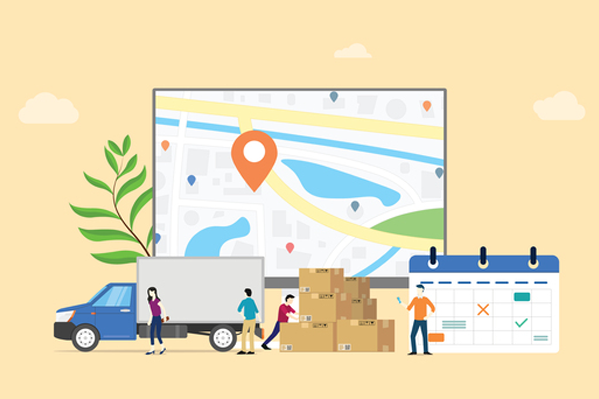
Ensure the location is well-connected to your supply chain and can facilitate efficient distribution. A strategic location should reduce delivery times and transportation costs, allowing you to maintain smooth operations.
7. Project Long-Term Growth
Look for locations with potential for future growth. Consider factors like urban development plans, population growth, or upcoming infrastructure projects. A location that shows signs of development could be a strategic choice for long-term success.
8. Consult with Experts
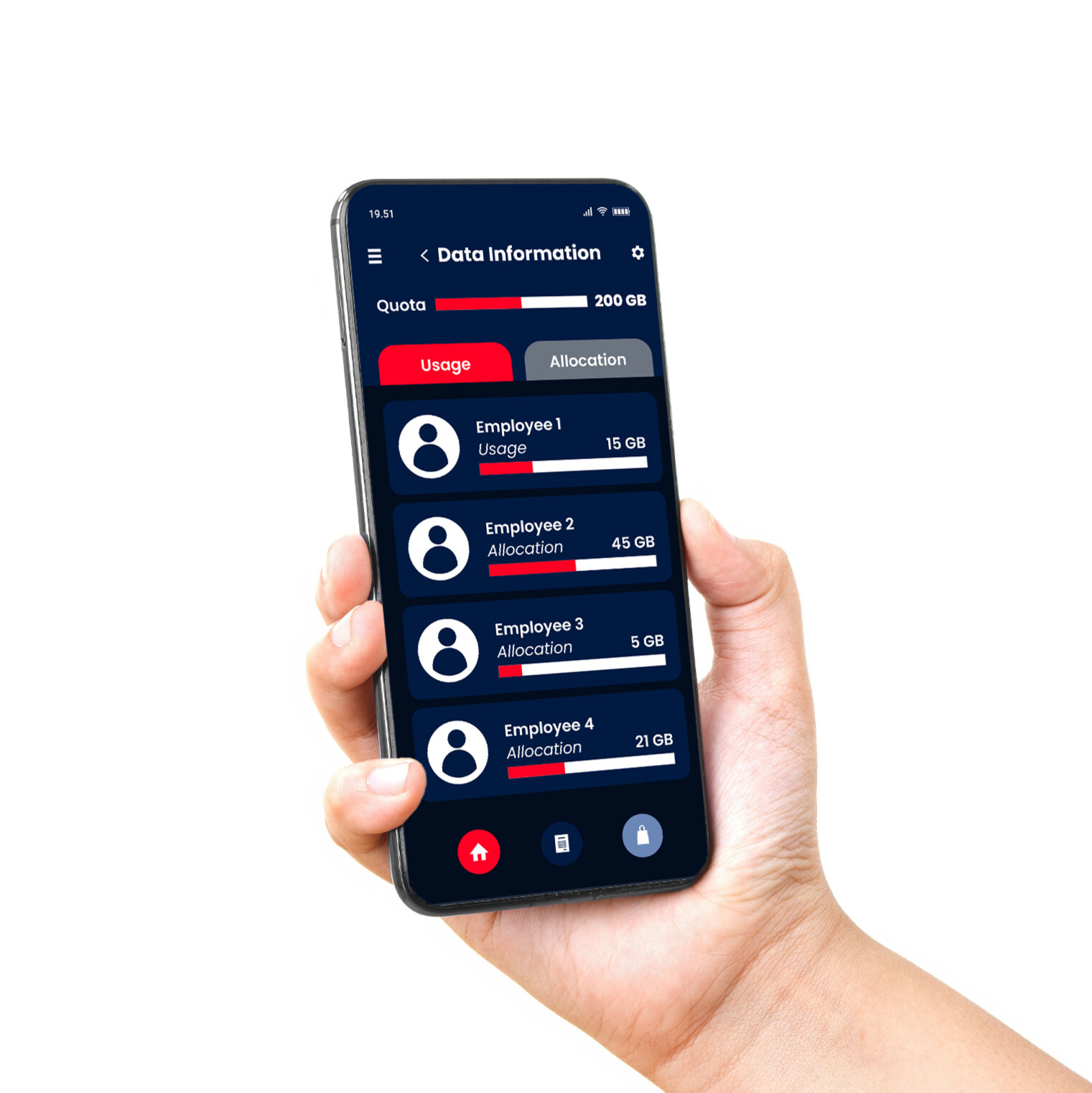
Still unsure about the best location? Seek advice from business consultants, real estate experts, or market analysts who can provide valuable insights into factors you might have missed. Digital solutions like SiteSense, powered by Telkomsel Enterprise, can provide data-driven insights to make the process easier.
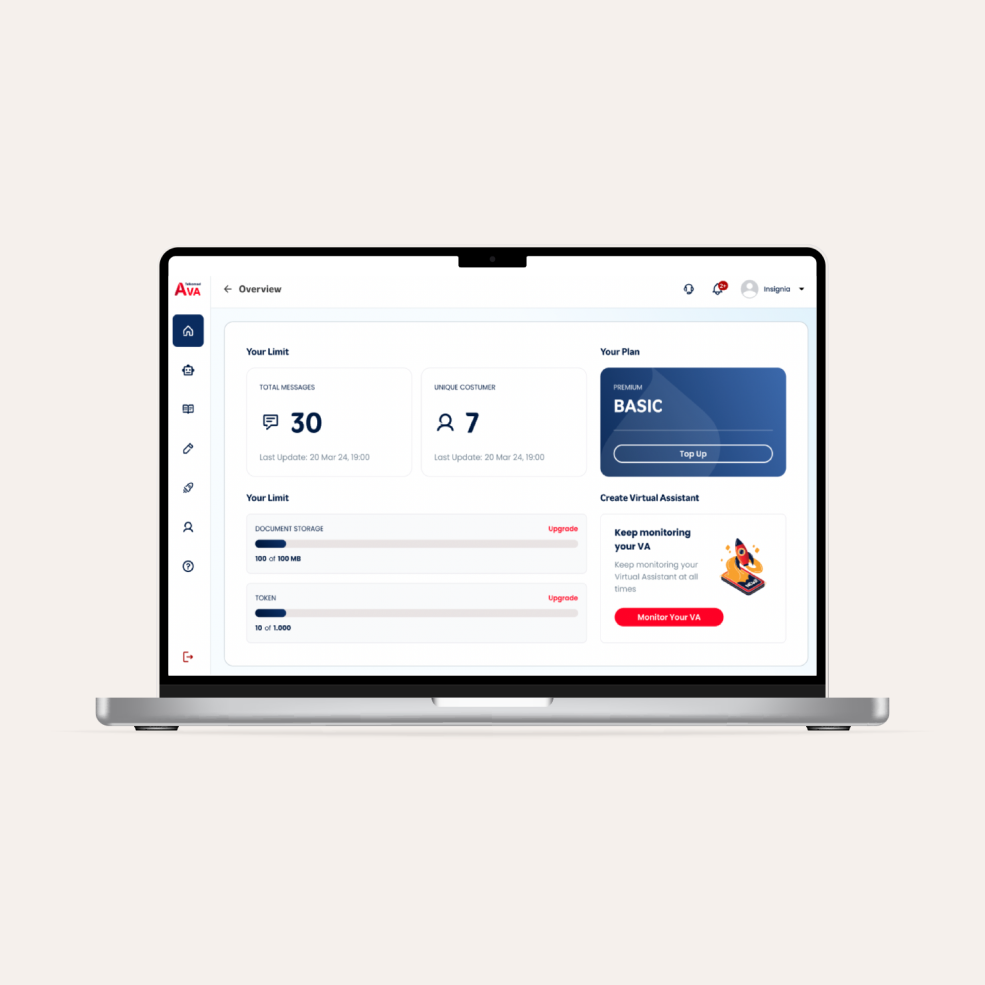
SiteSense offers a straightforward way to find the most strategic business location for your needs. With its easy-to-use dashboard, you can set the parameters important to your business and receive tailored recommendations for ideal locations.
Powered by telecommunications data covering 97% of Indonesia’s population, SiteSense uses telecommunication insights to deliver accurate, actionable data for your business’s expansion or new site selection. This platform eliminates the need for time-consuming surveys and complicated research, making it simpler than ever to make informed decisions about where to set up shop.
For more details or to start optimizing your business location selection, reach out to us today!