




Understanding how to calculate VAT and Income Tax on the purchase of goods is crucial for every business owner, especially in today’s digital economy. With more businesses transitioning to digital bookkeeping, managing tax obligations has become more efficient, transparent, and less prone to error.
In Indonesia, two major taxes affect business operations are Value-Added Tax (VAT and Income Tax (PPh). While both relate to financial transactions, they function very differently. This article breaks down what VAT and Income Tax are, why understanding tax calculations is important for your business, how tax calculations work, and common mistakes to avoid.
What Are VAT and Income Tax?
Before we dig into how to calculate VAT and Income Tax, let’s understand their definitions and differences. VAT (Value-Added Tax) is an indirect tax levied on the sale of goods and services. It's added at each stage of the production or distribution chain but ultimately paid for by the end consumer.
Income Tax (PPh), on the other hand, is a direct tax imposed on earnings whether from salaries, business profits, or other sources.
Key Differences Between VAT and Income Tax
Although both are forms of taxation, they apply to different aspects of business operations, and misunderstanding these differences can lead to incorrect financial planning and reporting.
Here’s a closer look at how they differ:
1. Type of Tax
VAT is an indirect tax. This means it’s collected by businesses at each point in the supply chain but is ultimately paid for by the end consumer. For example, if your company sells a product, you charge VAT to the customer, collect it, and then remit it to the government. You act as an intermediary.
Income Tax is a direct tax. It’s imposed directly on individuals or entities based on their earnings. Businesses and individuals must report their income and pay the appropriate tax themselves, there’s no middleman.
2. Taxable Object
VAT is charged on goods and services. Almost all transactions involving the sale or exchange of taxable goods or services are subject to VAT, except for those that are specifically exempt (like basic food items or health services, depending on local laws).
Income Tax applies to revenue or income. This includes profits from business operations, salaries, dividends, interest, rent, and other earnings. In short, it taxes the money your business or you personally make.
3. Who Bears the Tax
VAT is paid by the consumer but collected and managed by businesses. You include VAT in the selling price and remit it to the tax authority. Even though it affects your pricing, the actual cost is passed on to the buyer.
Income Tax is borne by the income earner, whether it's a business or individual. You can’t pass this on to someone else; it comes out of your actual profits or wages.
4. Tax Rates
VAT typically has a flat rate. In Indonesia, the current standard VAT rate is 10%, with a plan to increase to 12% in 2025. Some goods and services might be zero-rated or exempt depending on government policy.
Income Tax rates vary, for individuals, the progressive rates starting at 5% up to 30%, depending on annual income. For companies, the standard 22% of net profit is currently applied to most corporations.
Benefits of VAT for Businesses
Value-Added Tax (VAT) isn’t just a legal obligation, it also plays a significant role in improving the business environment and supporting national development. Here are some of the key benefits of VAT that every business owner should understand:
1. A Major Source of Government Revenue
VAT is one of the primary contributors to state revenue. Since it is applied to a wide range of goods and services, VAT ensures a steady stream of income for the government. This revenue is crucial for funding public services, infrastructure, healthcare, education, and national development programs.
Why it matters for businesses, a strong tax system contributes to economic stability, which in turn creates a more favorable environment for business growth.
2. Promotes Tax Compliance Across the Supply Chain
Because VAT is imposed at every stage of the supply chain, from manufacturers to wholesalers to retailers. It naturally encourages compliance among all players involved. Each business entity must document transactions properly to claim input VAT and avoid penalties.
Why it matters for businesses, it reduces the likelihood of tax evasion across the supply chain and ensures fair competition.
3. Encourages Financial Transparency
When businesses are required to record VAT on every sale and purchase, it creates a transparent and traceable system. With the help of digital bookkeeping, businesses can automatically track taxable transactions, calculate VAT liabilities, and generate accurate tax reports.
Why it matters for businesses, transparency builds trust with stakeholders, simplifies audits, and helps avoid costly tax errors or penalties.
4. Streamlines Business Processes with Digital Integration
Modern VAT systems are increasingly integrated with digital accounting platforms, especially in countries like Indonesia. This allows businesses to automate calculations, submit returns online, and maintain real-time compliance with evolving tax laws.
Why it matters for businesses, embracing digital VAT systems saves time, reduces human error, and ensures timely reporting, freeing up resources to focus on growth.
How Does VAT and Income Tax Calculation Work for Businesses?
One of the most important financial skills for business owners is understanding how to calculate VAT and Income Tax accurately. Whether you're selling products or running a service-based business, knowing the correct tax formulas can help you stay compliant and avoid costly mistakes.
Let’s break down how each tax is calculated.
How to Calculate VAT Tax (Value-Added Tax)
VAT is calculated based on the selling price of taxable goods or services. The applicable rate in Indonesia is currently 10%, though this is expected to rise to 12% in early 2025.
Formula:
VAT = Selling Price × VAT Rate
Example:
If you sell a product for IDR 1,000,000, and the VAT rate is 10%, the VAT would be:
VAT = IDR 1,000,000 × 10% = IDR 100,000
So, the total amount you charge your customer would be IDR 1,100,000, including VAT.
How to Calculate Income Tax (PPh)
Income Tax (PPh) is generally more complex than VAT, as it depends on your type of income, taxpayer status, and total annual income. For businesses, this tax is based on the net profit after expenses.
For Corporations (PPh Badan)
Formula:
Income Tax = Taxable Profit × Corporate Tax Rate
Example:
If your company has a net profit of IDR 1,000,000,000 and the corporate tax rate is 22%, the calculation is:
Income Tax = IDR 1,000,000,000 × 22% = IDR 220,000,000
For Individuals (PPh Orang Pribadi)
Individual Income Tax uses a progressive rate, ranging from 5% to 30%, depending on income brackets. The calculation is based on annual taxable income, after deducting non-taxable income (PTKP) and other eligible deductions.
Progressive Example (simplified):
Income up to IDR 60 million: 5%
IDR 60–250 million: 15%
IDR 250–500 million: 25%
Over IDR 500 million: 30%
Understanding how to calculate VAT and income tax is vital for smooth business operations. Whether you're handling tax on purchase of goods or preparing annual returns, digital tools simplify everything from invoicing to reporting.
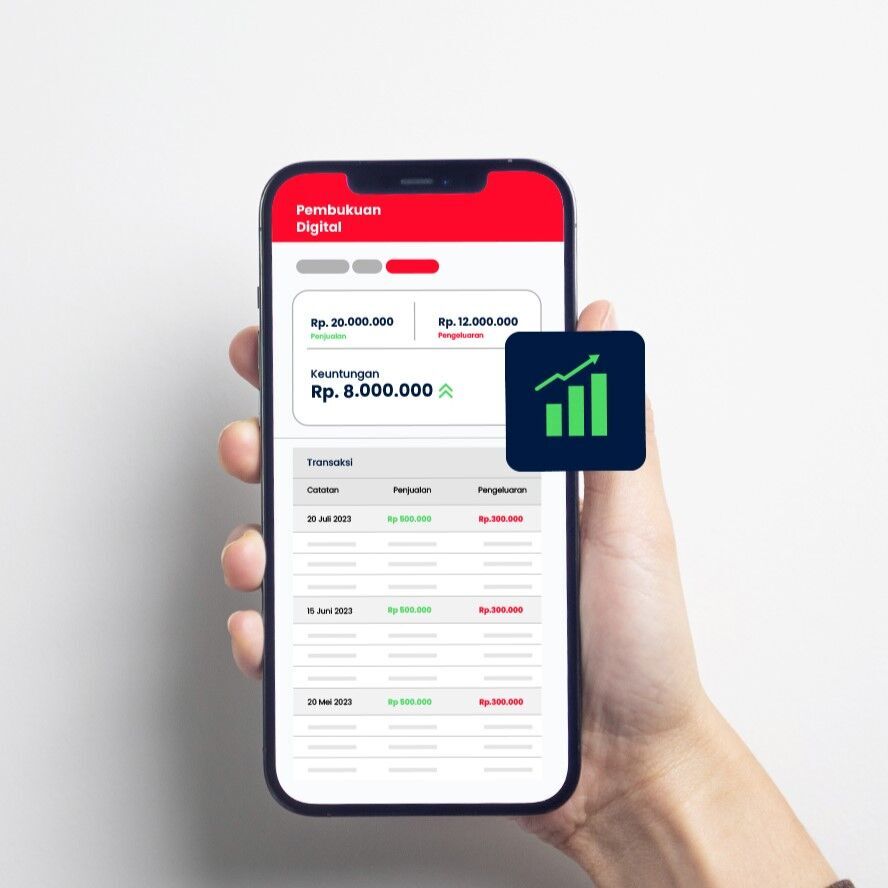
At Telkomsel Enterprise, we offer Pembukuan Digital that streamline your financial processes, reduce human error, and ensure compliance with Indonesian tax regulations.
Want to simplify your tax process? Contact us today to learn how our Pembukuan Digital system can transform the way you manage taxes.