





Climate change challenges, limited natural resources, and growing environmental pressure have pushed industries worldwide to rethink how they operate. Today, businesses are no longer judged solely by profit margins but also by how responsibly they manage social and environmental impacts.
In this context, the concept of green industry has become increasingly relevant. Supported by modern technology, green industry enables companies to improve production efficiency while significantly reducing waste, emissions, and environmental damage. This transformation is no longer optional, it is a strategic necessity for long-term competitiveness.
What Is Green Industry?
Green industry refers to an industrial development approach that prioritizes the efficient and sustainable use of resources throughout the entire production lifecycle. Its core objective is to balance economic growth, environmental preservation, and social well-being.
This concept covers every stage of industrial activity, from raw material selection and manufacturing processes to distribution and waste management. Rather than focusing solely on output volume, green industry emphasizes smarter, cleaner, and more responsible production systems.
In practice, green industry integrates eco-friendly principles into business strategies. These include reducing carbon emissions, optimizing energy consumption, adopting clean technologies, and continuously improving operational efficiency. As a result, green industry is not just an environmental initiative but a long-term business strategy that strengthens resilience and competitiveness.
How to Implement Green Industry
Implementing green industry requires a structured and strategic approach. Below are key methods companies can adopt.
-
Through Sustainable Raw Materials
Companies can begin by selecting renewable raw materials, low-carbon inputs, or resources sourced from responsibly managed suppliers. Using recycled materials also helps reduce dependence on virgin natural resources.
Equally important is improving material efficiency. By adopting precise and digitally controlled production processes, businesses can minimize material waste. This not only lowers environmental impact but also significantly reduces production costs, demonstrating how sustainability and profitability can go hand in hand.
-
Effective Waste Management
Industrial waste such as solid, liquid, or gaseous, must be managed using the reduce, reuse, and recycle approach. Today, advanced technologies enable companies to monitor waste volume and composition in real time, allowing for more efficient and targeted treatment.
Many green industry examples include the waste-to-resource concept, where waste is transformed into new raw materials or alternative energy sources. This approach reduces pollution while generating additional economic value from previously unused waste streams.
-
Energy Efficiency and Technology
Energy efficiency and technological adoption are key success factors in green industry implementation. Industries can shift toward renewable energy sources such as solar power or biomass to reduce reliance on fossil fuels.
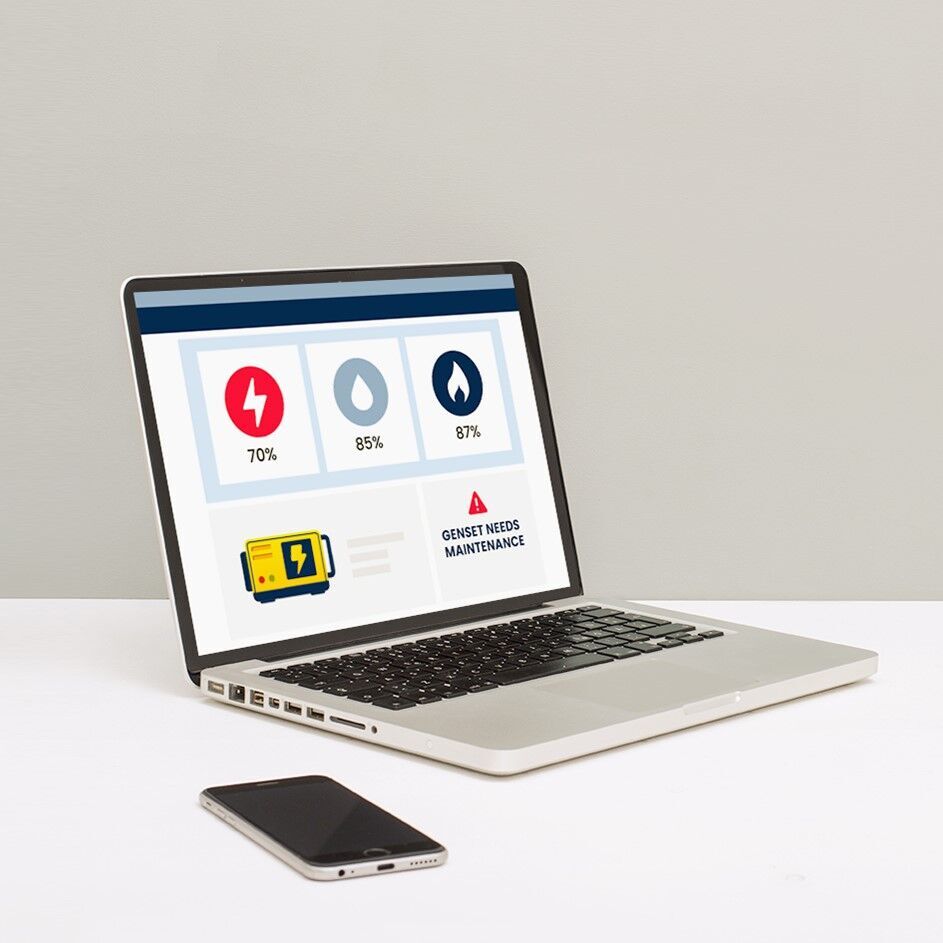
At the same time, automation and digitalization help optimize production processes and lower energy consumption. Technologies such as the Internet of Things (IoT), data analytics, and artificial intelligence enable real-time monitoring of machine performance, energy usage, and maintenance needs.
With data-driven insights, companies can make smarter operational decisions, prevent inefficiencies, and reduce environmental impact, making technology a critical enabler of green industry transformation.
Benefits of Implementing Green Industry for Business
Adopting green industry practices delivers substantial benefits for both the economy and the environment.
From an economic perspective, green industry improves operational efficiency and lowers production costs through energy and material savings. Research published on ScienceDirect titled “Does ESG Performance Affect the Financial Performance of Environmentally Sensitive Industries?” shows that companies with strong environmental practices tend to achieve more stable long-term financial performance by reducing operational and regulatory risks.
From an environmental standpoint, green industry contributes to lower greenhouse gas emissions, reduced pollution, and better conservation of natural resources. Beyond that, it also creates positive social impact. Cleaner and safer working environments enhance employee well-being, while a strong sustainability reputation increases trust among consumers and investors.
Together, these benefits position green industry as a cornerstone of inclusive and sustainable economic growth.
Supporting Green Industry with IoT Smart Manufacturing from Telkomsel Enterprise
The journey toward green industry is not an instant transformation, it requires long-term commitment, continuous innovation, and the right technological support. By adopting integrated digital solutions, companies can boost productivity while minimizing waste and environmental impact.
As a digital transformation partner, Telkomsel Enterprise offers IoT Smart Manufacturing to help industries increase production efficiency with greater control and sustainability. This solution enables real-time monitoring of manufacturing processes, optimized use of raw materials and energy, and waste reduction through connected and integrated systems.
IoT Smart Manufacturing is designed to link complex industrial systems into a single, efficient ecosystem, driving higher productivity while supporting environmental responsibility. Now is the time to build a greener, more sustainable, and highly competitive industry with IoT Smart Manufacturing from Telkomsel Enterprise.