


In the logistics and transportation industry, managing fleet fuel consumption has a significant impact on operational costs and environmental sustainability. As awareness of sustainability grows, many companies face the challenge of reducing fleet fuel consumption and minimizing carbon emissions. Every liter of fuel used not only increases costs but also contributes to the carbon footprint in the transportation sector.
High fuel consumption is often caused by factors such as poor vehicle maintenance, inefficient driving habits, and poorly managed routes. Therefore, it's essential for businesses to have a system in place that helps manage and optimize fleet fuel usage. In doing so, companies can reduce operational costs while also minimizing their environmental impact.
In this article, let's discuss how companies can better manage their fleet fuel consumption and how smart fleet management technology can provide solutions to these challenges.
Why Monitoring Fleet Fuel Consumption is Important
Fleet fuel consumption refers to the amount of fuel used by a company's fleet of vehicles to carry out daily operations. This metric is critical in the logistics and transportation industries because it directly affects a company’s profitability and environmental impact.
High fleet fuel consumption means higher operational costs, which reduces profit margins. Additionally, excessive fuel use increases carbon emissions, contributing to pollution and climate change. That’s why monitoring and reducing fuel consumption is essential for businesses aiming to improve operational efficiency and reduce their environmental footprint.
Understanding fleet fuel consumption helps businesses identify areas for improvement to optimize efficiency, save costs, and achieve sustainability goals. By tracking fuel usage, your company can detect inefficiencies, manage resources better, and take steps to minimize waste.
Factors That Affect Fleet Fuel Consumption
Several factors contribute to fleet fuel consumption, and understanding them is crucial to effectively manage fuel use. Here are the main factors that influence fleet fuel consumption.
Road Conditions and Routes
The type of roads and routes that vehicles travel on greatly impacts fuel efficiency. Hilly terrain, rough road surfaces, and traffic congestion can all increase fuel consumption. Optimizing routes can help reduce these challenges.
Vehicle Condition
Vehicle maintenance plays a crucial role in fuel efficiency. Poorly maintained vehicles, such as those with worn-out tires, dirty air filters, or low engine efficiency, will consume more fuel. Regular maintenance is essential to keep vehicles running optimally.
Driver Behavior
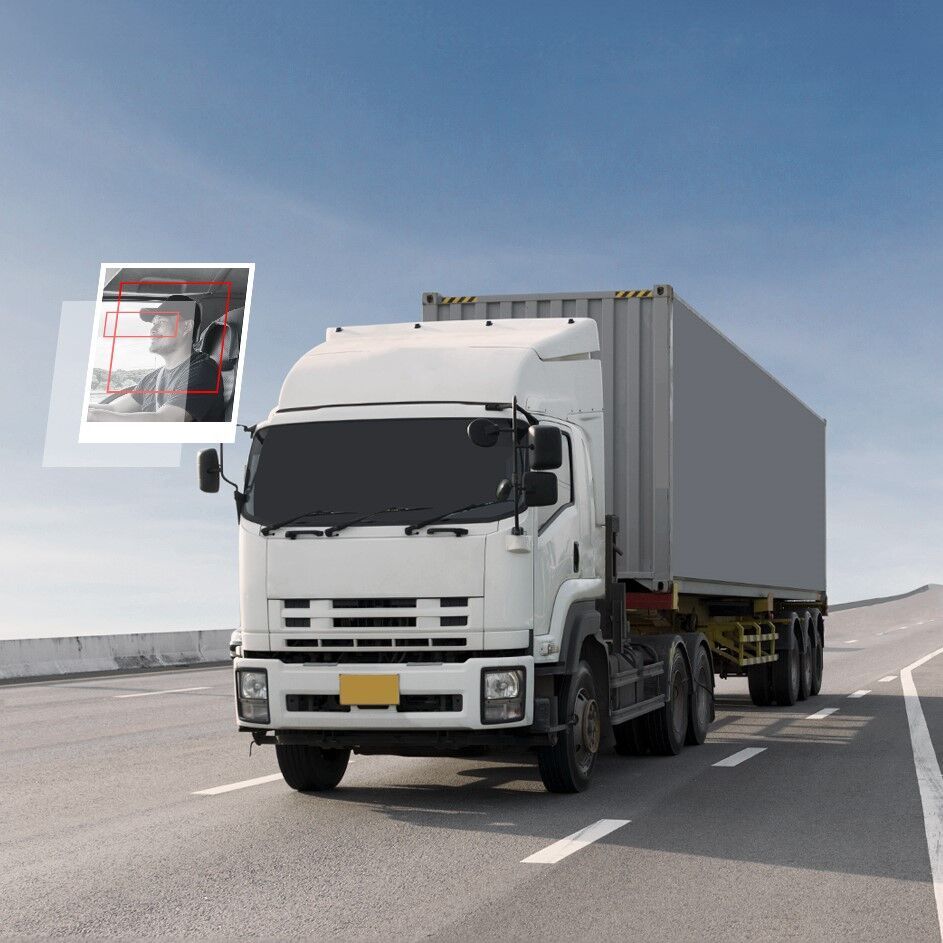
How a driver operates a vehicle directly impacts fuel usage. Aggressive driving, such as rapid acceleration, sudden braking, and speeding, can increase fuel consumption. On the other hand, adopting smooth and safe driving habits can significantly reduce fuel wastage.
Fleet Size and Vehicle Capacity
The number and types of vehicles in a fleet, as well as how fully the vehicles are loaded, affect fuel efficiency. Underutilized or oversized vehicles can lead to unnecessary fuel consumption.
Weather Conditions
Extreme temperatures, both hot and cold, affect fuel efficiency. Cold weather makes engines work harder to reach optimal temperatures, while hot weather increases air conditioning usage. Both factors contribute to higher fuel consumption.
By addressing these factors, companies can optimize fuel usage, reduce waste, and make their fleet operations more sustainable.
How to Calculate Fleet Fuel Consumption
Calculating fleet fuel consumption is essential for understanding fuel efficiency and identifying areas for improvement. Here are some basic steps and methods businesses can use to calculate fuel consumption:
-
Data Analysis: By collecting and analyzing fuel data from each vehicle, businesses can gain a clearer picture of how much fuel is being consumed and where inefficiencies are occurring. This can be done manually or by using telematics systems that provide real-time data.
-
Key Metrics: Some key metrics to focus on include:
-
Kilometers per Liter (KPL) or Miles per Gallon (MPG): Measures how far a vehicle can travel with one unit of fuel.
-
Fuel Cost per Kilometer (or Mile): A calculation that helps businesses understand the financial impact of fuel consumption on their operations.
By regularly tracking these metrics, your company can identify vehicles or drivers who are consuming fuel excessively and take steps to improve efficiency.
Strategies to Optimize Fleet Fuel Consumption with FleetSight
After understanding the factors that affect fleet fuel consumption and how to calculate it, it’s time to discuss strategies to optimize fuel use. FleetSight from Telkomsel Enterprise offers a smart and effective solution to manage and reduce fleet fuel consumption.
FleetSight helps businesses save fuel by monitoring the location, speed, and fuel usage of vehicles in real-time. This allows fleet managers to quickly identify and address inefficiencies, such as poor routes or unnecessary idle time. FleetSight also recommends the best routes to reduce fuel consumption and improve delivery timeliness.
By monitoring driver behavior, such as speeding and rapid acceleration, and reminding drivers to perform routine vehicle maintenance, FleetSight ensures that fleets are more fuel-efficient and operate smoothly. The IoT technology used provides data that helps businesses make more informed decisions for long-term fuel savings and sustainability.
In short, FleetSight offers a comprehensive solution for your business to optimize fuel consumption, cut operational costs, and contribute to more environmentally friendly operations.
Contact us for more information.