




Field force management is no longer just a logistical necessity, but it has become a critical strategic component for modern retail businesses aiming to stay competitive in today’s fast-evolving marketplace.
As economies in the Asia-Pacific region continue to grow rapidly. This management approach is seeing unprecedented adoption rates, driven by accelerated digital transformation and the modernization of retail strategies.
This evolution isn’t just about technological trends. It’s a direct response to the rising demand for more agile, data-driven operations that can adapt to shifting consumer expectations and fluctuating market conditions. Automated tools now allow retail employees to focus less on repetitive tasks and more on delivering real value, both to the business and to its customers.
What makes this shift even more impactful is the widespread use of mobile technology. Smartphones and tablets empower retail field staff to access inventory data, customer history, and promotional campaigns from virtually anywhere. This level of mobility ensures greater flexibility, control, and responsiveness in real time.
But what exactly is field force management, and why has it become a game-changer for retail? Let’s dive deep into its significance, explore real-world applications, and uncover nine compelling reasons why every forward-thinking retail brand should prioritize it.
What Is Field Force Management?
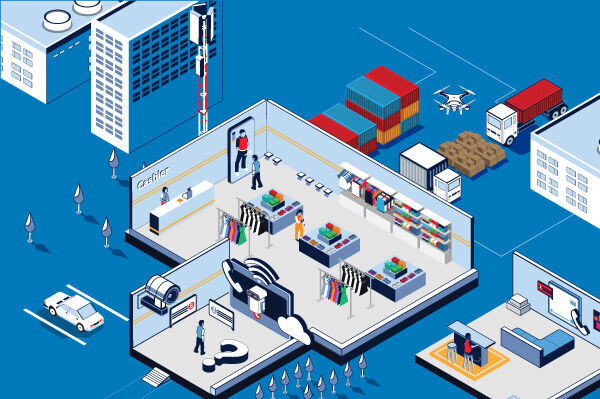
Field force management refers to the process of organizing, monitoring, and optimizing the work of employees who operate outside a company’s central office, most commonly in customer-facing or on-site roles. In retail, this includes managing store visits, monitoring inventory, addressing customer needs, and ensuring product displays are aligned with promotional strategies.
Its primary goal is to maximize the effectiveness of each retail employee, resulting in better customer satisfaction and increased sales performance.
Originally centered around traditional face-to-face sales methods, field force management has transformed into a data-driven strategy. Challenges such as limited real-time data, ineffective performance tracking, and low team motivation are used to hinder field operations. Today, digital tools help overcome these obstacles by offering features like real-time analytics, smart scheduling, and mobile reporting.
Field force management has evolved into a multi-dimensional practice encompassing consumer behavior analysis, sales data collection, in-field operational reporting, and technology integration for real-time oversight
The Strategic Role of Field Force in Retail
Field forces aren’t just executors; they’re vital connectors between brands and consumers. They bring strategy to life at the point of sale, turning marketing plans into tangible customer experiences.
-
Arrange and manage product displays at the point of sale, ensuring they are attractive and easily accessible to customers.
-
Ensure product availability by conducting regular and efficient stock checks.
-
Provide competent and informative product information and customer service.
-
Record and analyze sales data, which is useful for evaluating sales strategies and adjusting marketing plans.
-
Respond quickly and effectively to market dynamics and customer needs.
The direct interaction of field staff with customers has a significant impact on customer experience and satisfaction. Focusing on the following aspects can improve their effectiveness:
-
Personalized and empathetic customer service, creating a pleasant shopping experience and building loyalty.
-
Collecting customer feedback to improve product and service quality.
-
Professional and prompt complaint handling increases customer trust in the brand.
-
Product education for customers helps them make better purchasing decisions.
The role of field staff must be aligned with sales objectives. This requires effective training and direction, ensuring that each team member understands the targets and the best ways to achieve them. Good cooperation and communication between field teams and central management are also crucial to ensure the consistency and effectiveness of sales strategies.

Common Challenges in Managing a Retail Field Force
Despite its importance, field force management in retail comes with a unique set of challenges that businesses must proactively address.
Operational Hurdles
-
Market Volatility: Consumer preferences change rapidly. Keeping field teams aligned with current trends demands constant updates and flexibility.
-
Resource Constraints: Limited manpower, tight budgets, and packed schedules often stretch field forces thin, impacting coverage and quality.
-
Performance Tracking Gaps: Manual reporting makes it difficult to assess individual or team effectiveness. Missed visits, incomplete tasks, and inaccurate data undermine accountability.
-
Talent Retention & Training: High turnover rates plague many retail sectors. Ensuring consistent training and motivation is crucial but challenging without structured support systems.
Cost and Efficiency Pressures
-
Rising Operational Costs: Travel, logistics, and administrative overheads eat into margins. Businesses must find ways to reduce expenses without sacrificing field presence.
-
Maximizing Output with Limited Resources: How do you get more done with fewer people? Efficient routing, task prioritization, and technology integration are key.
-
Technology Adoption Barriers: While digital tools offer solutions, resistance to change, lack of technical skills, or poor system design can hinder adoption.
To address these issues, businesses must remain agile, keeping an eye on emerging retail trends, leveraging technology, and consistently upskilling their retail employees.
How Technology Transforms Field Force Management
Digital innovation is revolutionizing how retail companies manage their field forces. From automation to artificial intelligence, tech-powered solutions are making field operations faster, smarter, and more transparent.
Key Tools and Solutions for Retail Field Force
Modern field force management relies on integrated software platforms designed specifically for retail environments. These tools streamline workflows, enhance communication, and provide deep visibility into daily activities.
-
CRM Systems: Centralized platforms that enhance customer relationship management and sales analysis.
-
Sales Automation Tools: Streamline processes like order tracking, inventory updates, and reporting.
-
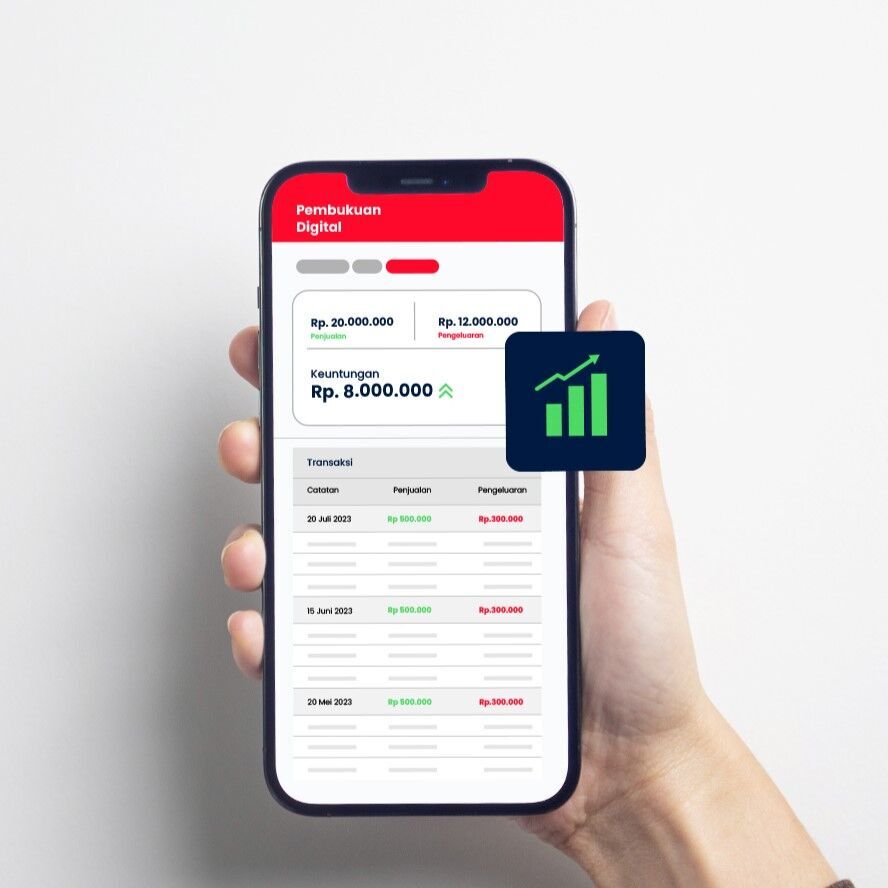
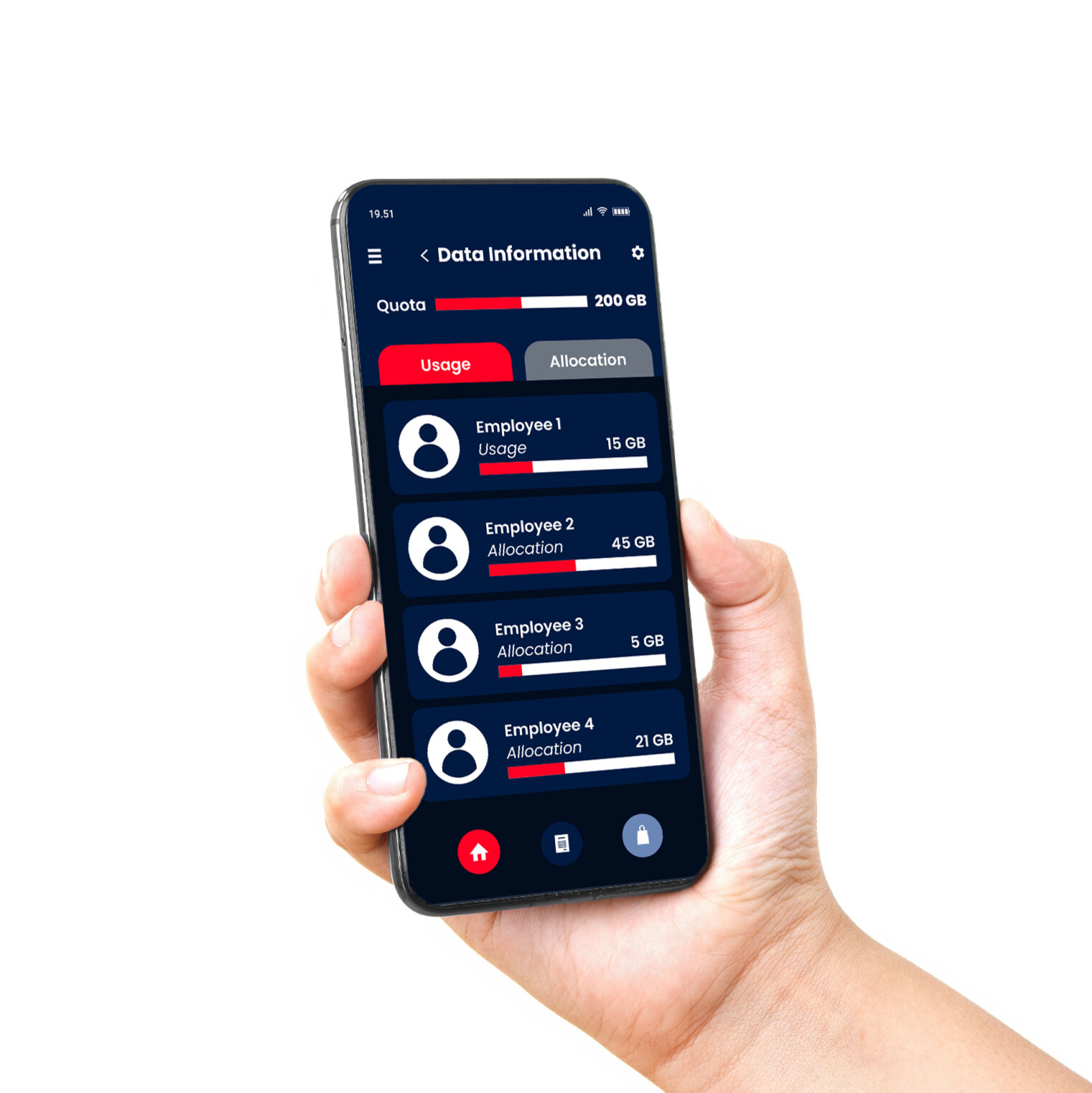
Mobile Applications: Enable field workers to access real-time product info, log tasks, and stay connected.
-
Data Analytics: Extract actionable insights from field activity to fine-tune strategies and predict future trends.
How Technology Enhances Productivity
Technology not only simplifies daily operations but also significantly improves field force performance. Some of its key roles include:
-
Automated workflows: Minimize repetitive tasks, allowing staff to focus on customer engagement.
-
Real-time tracking: Monitor team performance instantly to optimize routes, tasks, and time management.
-
Data-driven decision making: Use insights from field data to make better, faster strategic choices.
-
Improved communication: Keep field employees and central teams seamlessly connected.
Why Telkomsel Enterprise’s Field Force Management Solution Stands Out
Telkomsel Enterprise has introduced a purpose-built Field Force Management application tailored for the unique demands of the retail sector. This solution empowers retail businesses to digitize their field operations, enhance productivity, and maintain a competitive edge.
Key Features and Benefits
-
Digital Activity Logging: Sales activities like promotions, orders, and customer interactions can be tracked in real-time, enhancing workforce productivity by up to 100%.
-
Structured Reporting Tools: Leveraging GPS, geo-location, and time stamps for accurate, real-world reporting.
-
Stock Delivery Monitoring: Real-time stock tracking that reduces missed sales opportunities and enhances stock rotation efficiency.
Why Choose Field Force Management from Telkomsel Enterprise?
-
Time optimization: Less travel time, better task visibility, and improved efficiency.
-
Higher customer satisfaction: Accurate scheduling and faster service lead to a better customer experience.
-
Efficient internal communication: Enhanced coordination among employees.
-
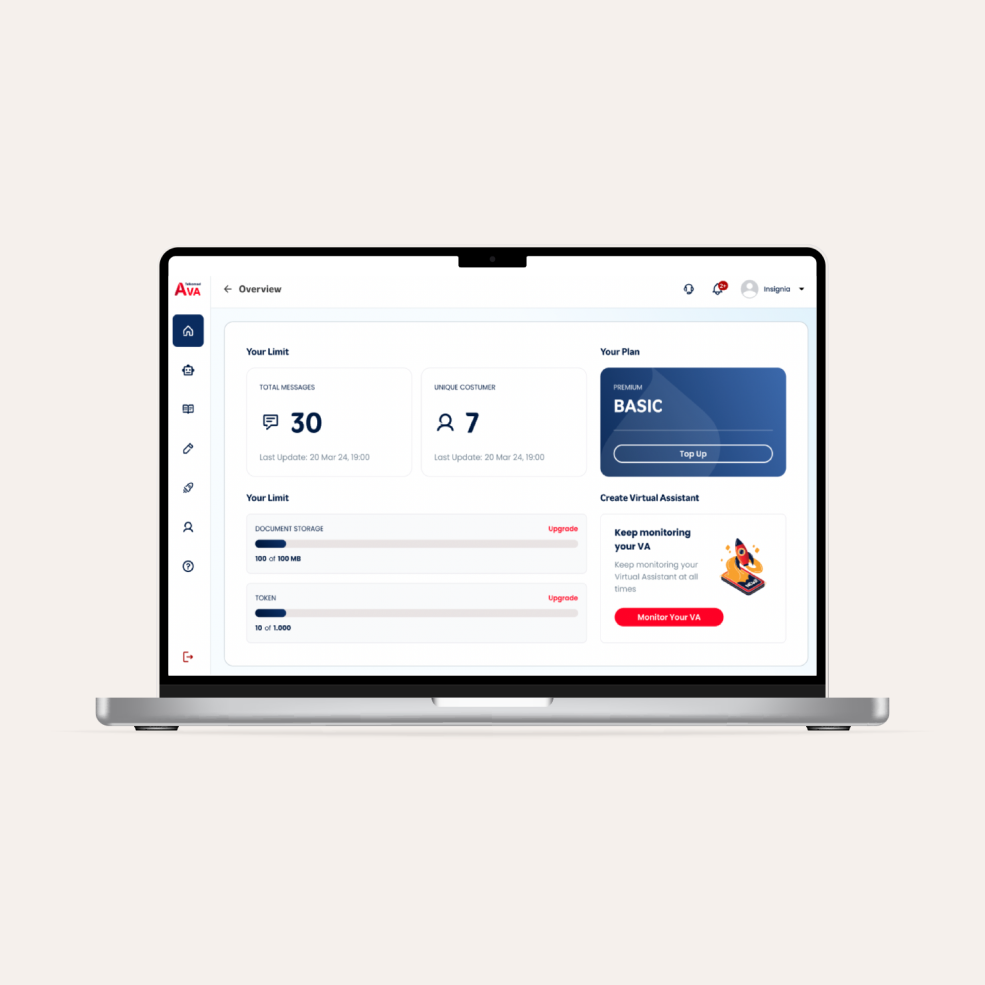
Real-time productivity insights: Detailed dashboards to monitor field performance and adjust strategies accordingly.
Telkomsel Enterprise's Field Force Management application is a concrete example of how technology can strengthen field force management in the retail sector, bringing about significant changes in the way companies operate and interact with customers.
Conclusion
Retail businesses operate in an environment where speed, accuracy, and personalization define success. That’s why effective field force management is not optional, but it’s essential.
By adopting modern technologies, investing in employee training, and aligning field operations with strategic goals, retailers can deliver a consistent and satisfying customer experience, improve internal efficiency, reduce operational costs, boost overall sales performance
Looking to upgrade how your field force operates? Telkomsel Enterprise’s Field Force Management solution offers the tools your business needs to thrive in a fast-changing retail world.
Take the next step in optimizing your retail field force, contact us today and explore how Telkomsel Enterprise can elevate your business performance.