




The rapid growth of digital technology and the evolution of workplace culture have pushed companies to adopt more flexible and adaptive work systems. One of the most popular approaches today is mobile working, a modern work model that allows employees to stay productive beyond the traditional office environment.
While mobile working offers flexibility and efficiency, it also introduces new challenges, especially in communication and team coordination. Without the right strategy and tools, collaboration can quickly become fragmented. That’s why it’s essential for businesses to fully understand what is mobile working and prepare the right communication solutions to keep productivity, collaboration, and performance at their best.
What Is Mobile Working?
So, what is mobile working exactly?
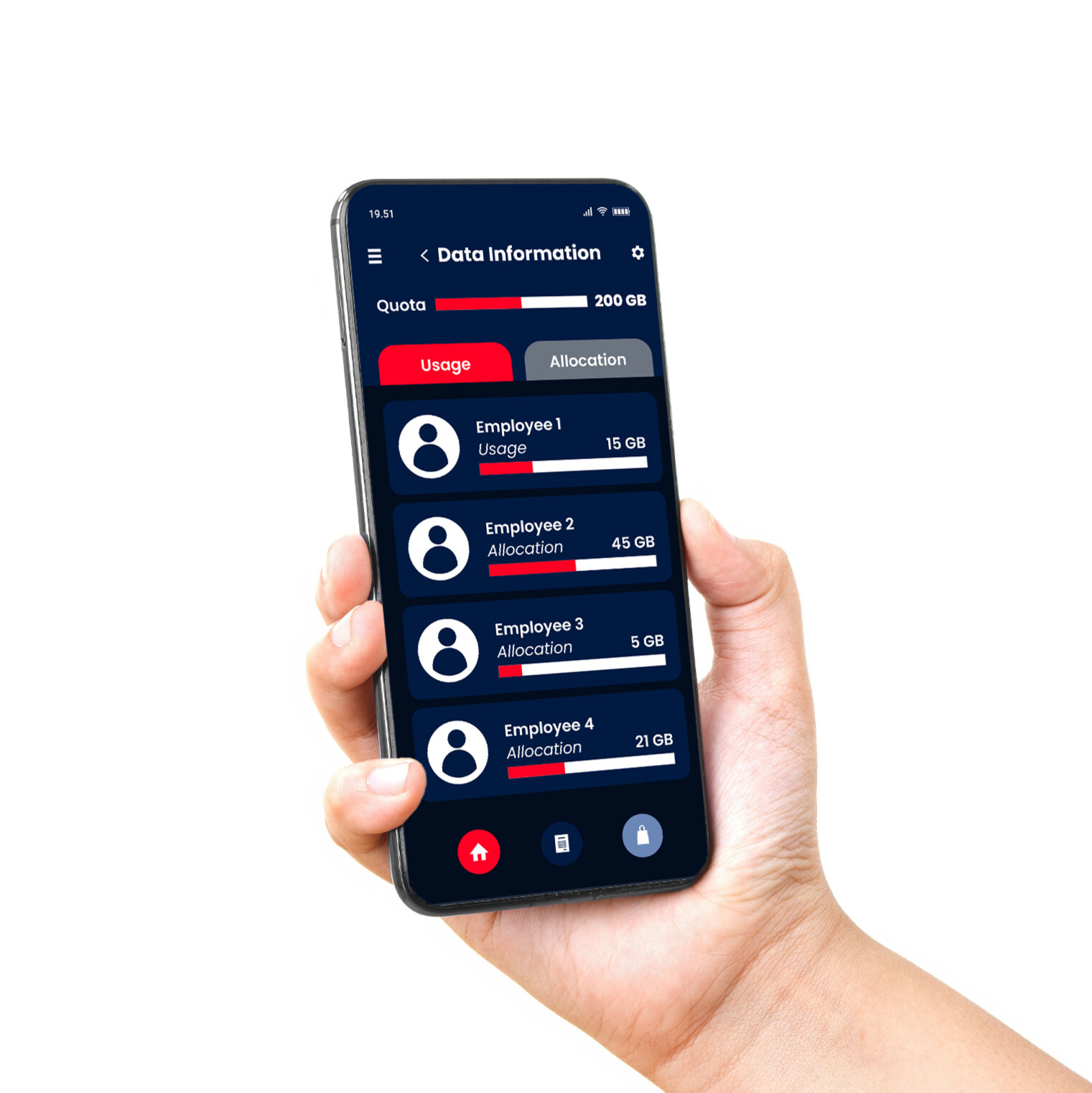
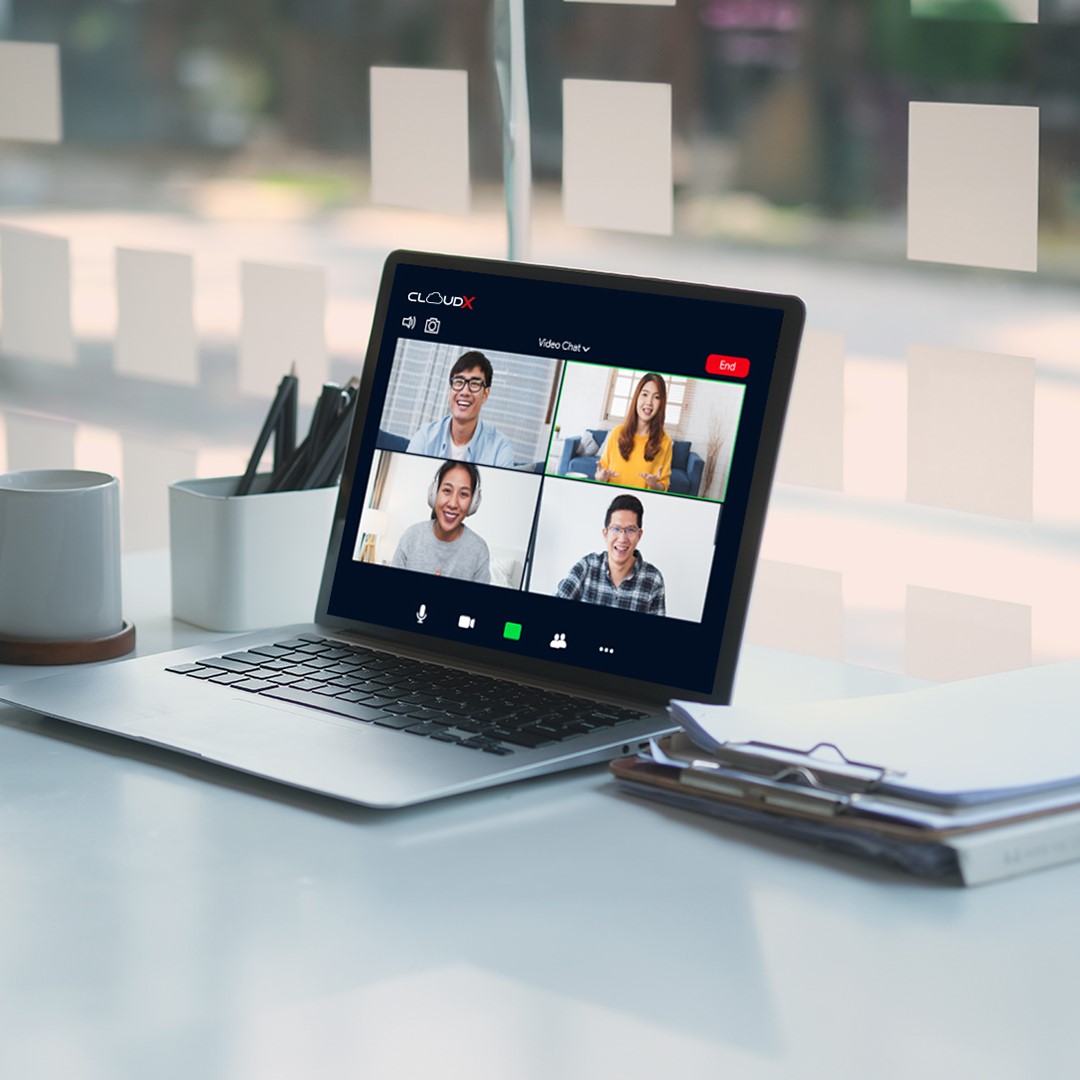
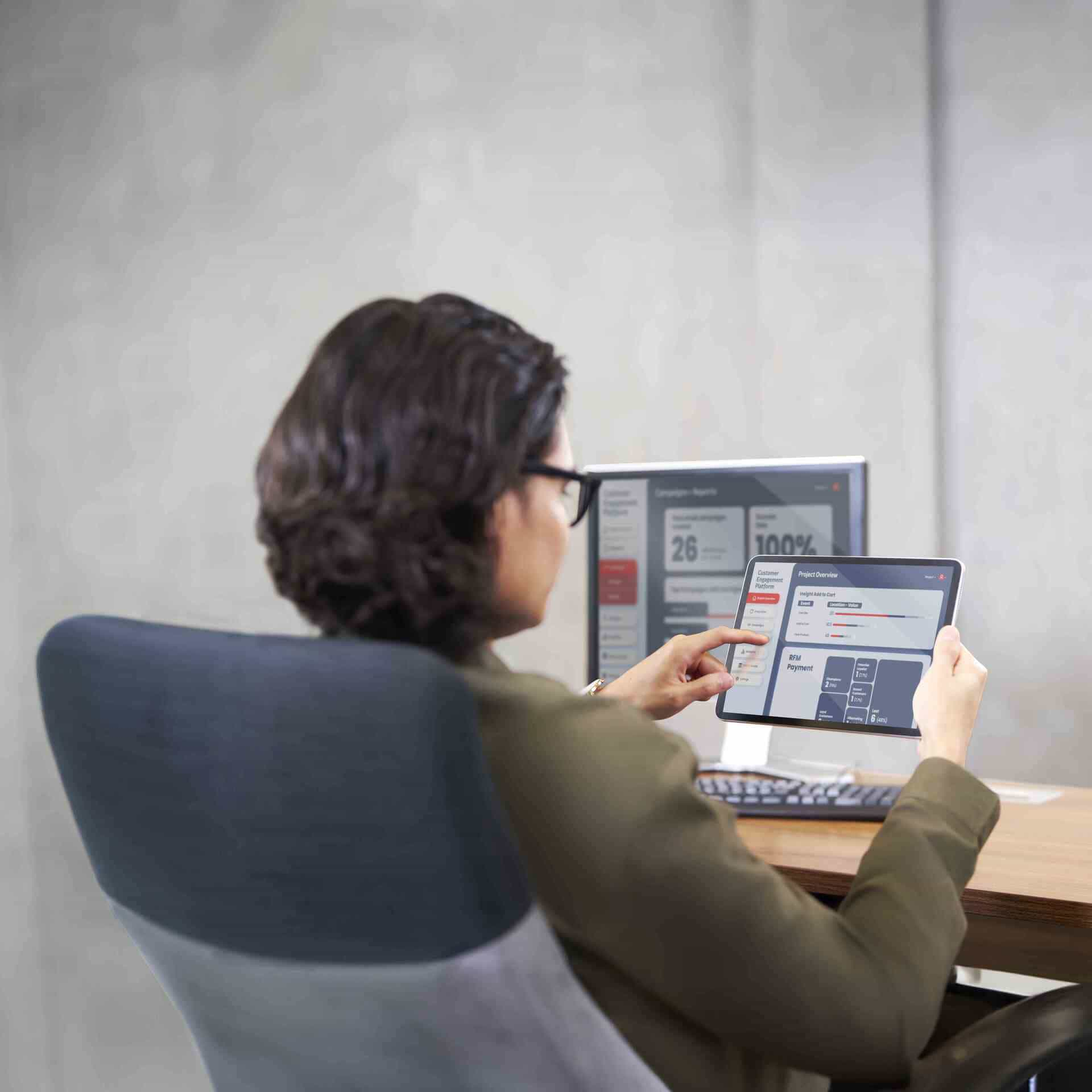
Mobile working is a flexible work system that allows employees to perform their tasks from various locations outside the office. This could include working while traveling, at client sites, in coworking spaces, or any alternative work environment. Employees rely on mobile devices such as smartphones, tablets, and laptops that are connected to secure communication networks and company digital platforms.
Unlike traditional work models that require employees to be physically present in the office, mobile working emphasizes mobility, connectivity, and accessibility. As long as employees can securely access company data and communication channels, work can continue seamlessly.
This model is increasingly relevant in today’s business landscape, especially for companies with field operations, sales teams, consultants, project managers, and executives who require high flexibility and real-time access to information.
Benefits of Mobile Working for Employees and Companies
Implementing mobile working delivers strategic advantages for both organizations and their workforce. Below are some of the most impactful benefits:
-
Higher Employee Engagement
Mobile working builds trust by giving employees greater autonomy over how and where they work. This sense of flexibility increases motivation and engagement, as employees feel empowered while remaining accountable for their responsibilities.
-
Reduced Operational Costs
By minimizing the need for large office spaces, utilities, and daily operational expenses, companies can significantly cut costs. Employees also benefit by saving on transportation, meals, and commuting-related expenses.
-
Time and Energy Efficiency
Mobile working eliminates long commutes, allowing employees to redirect that time toward productive tasks or personal development. This efficiency leads to better energy management and improved work performance.
-
Improved Productivity
When employees work in environments that suit their personal work styles, productivity often increases. With proper communication tools in place, mobile working can deliver performance levels equal to or even higher than traditional office-based work.
-
Flexible Working Hours
Mobile working allows for adaptable working hours as long as goals and deadlines are met. This flexibility helps employees manage workloads more effectively while maintaining a healthier work-life balance.
-
Stronger Talent Attraction
Companies that embrace mobile working are more appealing to top talent, especially younger professionals who value flexibility and digital work environments. This approach also expands recruitment opportunities beyond geographic boundaries.
-
More Quality Time with Family
Reduced commuting time and flexible schedules give employees more opportunities to spend time with their families, improving mental well-being, and emotional health.
Mobile Working vs. Work From Home (WFH): Know the Difference
Although often used interchangeably, mobile working and Work From Home (WFH) are not the same.
WFH refers specifically to working remotely from home as the primary work location. In contrast, mobile working allows employees to work from any location, as long as they have access to communication tools and secure data.
In short, WFH is a subset of mobile working. Mobile working has a broader scope and requires more adaptable, reliable, and secure communication infrastructure because employees’ locations can change frequently.
Tools for Mobile Working
To ensure mobile working runs smoothly and communication challenges are minimized, companies must invest in the right tools and infrastructure. Below are three essential components:
-
Collaboration Platforms and Cloud Storage
Digital collaboration platforms allow teams to share files, manage projects, and collaborate in real time from different locations. Cloud-based storage ensures company data remains centralized, secure, and accessible anytime without relying on physical devices.
-
Device and Data Security
Security is a critical aspect of mobile working, as employees use devices across multiple networks and locations. Companies should implement data encryption, device management systems, multi-factor authentication, and clear security policies to prevent data breaches and unauthorized access.
-
Reliable Communication Platforms
Stable communication tools for voice calls, instant messaging, video meetings, and group discussions are essential. Without reliable communication platforms, mobile working can lead to misunderstandings, delayed decisions, and reduced collaboration.
Mobile working is a modern solution that delivers flexibility, efficiency, and improved employee well-being. However, its success heavily depends on communication quality and coordination across teams. Without strong communication infrastructure, the full benefits of mobile working cannot be achieved.
To maximize results, businesses need reliable and integrated communication solutions such as Team Plan from Telkomsel Enterprise. Team Plan offers cost-effective group communication packages, extensive network coverage, and stable service quality, ensuring teams stay connected anytime and anywhere.
Contact Telkomsel Enterprise today to discover the right communication solution that strengthens collaboration, boosts productivity, and ensures your mobile working strategy runs efficiently and sustainably for your business.