



Integrating fleet management with an Enterprise Resource Planning (ERP) system transforms operational efficiency and drives smarter business performance.
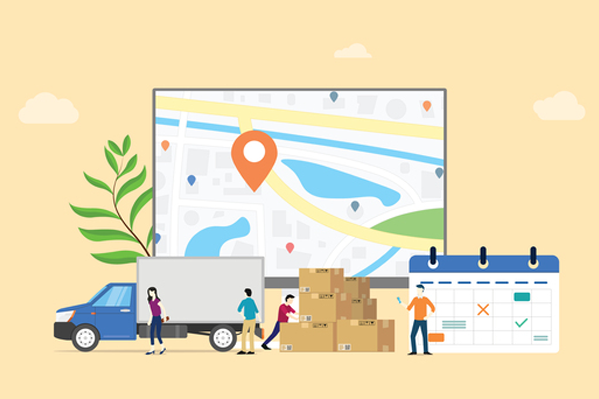
Modern fleet management extends far beyond vehicle tracking. Today, it encompasses strategic aspects such as predictive maintenance, real-time data analysis, and fuel optimization. When combined with a powerful ERP system, this integration becomes a catalyst for operational transformation.
The ERP system, or Enterprise Resource Planning, serves as the digital backbone of business operations, handling everything from accounting to procurement and project management. The seamless integration of a fleet management system into your ERP infrastructure brings a new level of visibility, control, and efficiency across your entire operation.
As retail and e-commerce industries evolve rapidly, fleet management becomes pivotal in maintaining customer satisfaction, cutting transportation costs, and staying competitive. With growing demand for faster deliveries and optimized logistics, businesses need agile, tech-driven solutions.
This article explores the benefits and strategic value of combining a fleet management system with an ERP system, helping business unlock cost savings, operational excellence, and business growth.
What Is Fleet Management?
Fleet management refers to the strategic oversight of a company’s vehicle assets. It covers everything from tracking vehicle locations to managing maintenance schedules and analyzing driver performance.
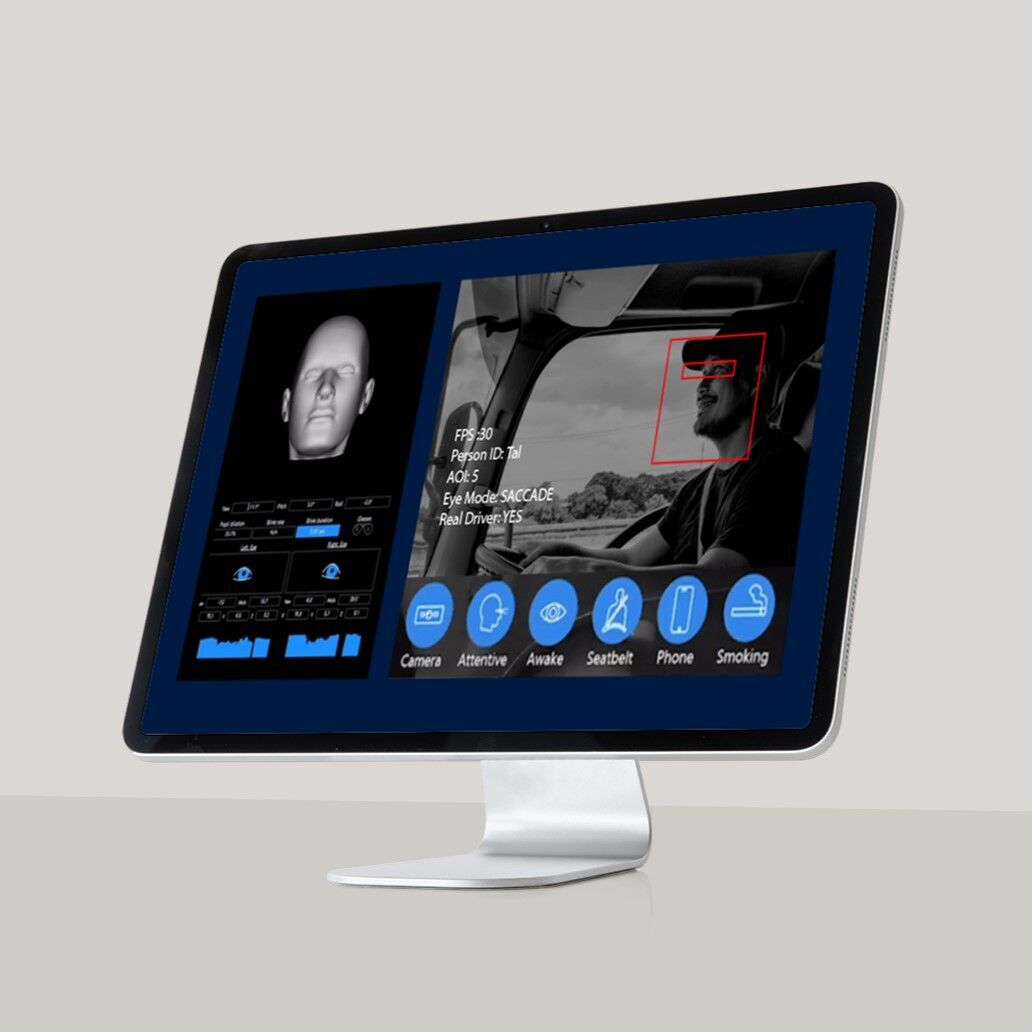
A robust fleet management system empowers businesses with real-time control over their mobile assets, critical for logistics, transportation, delivery services, and any industry reliant on efficient vehicle movement.
Core Components of a Fleet Management System
-
Vehicle Lifecycle Management: Proactive scheduling of services, predictive maintenance alerts, and timely replacements help extend vehicle lifespan and prevent costly breakdowns.
-
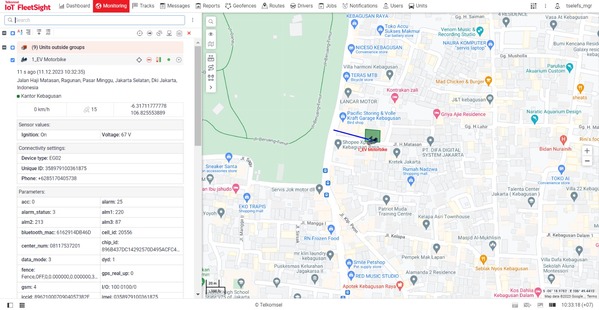
Tracking and Monitoring: Using GPS and telematics, businesses can monitor vehicle location, speed, engine status, and idle times in real time, ensuring transparency and accountability.
-
Performance Analytics: Detailed reports on fuel usage, route efficiency, driver behavior, and vehicle utilization enable continuous improvement and benchmarking.
Key Business Benefits of Fleet Management
-
Operational Efficiency: Minimize downtime with proactive maintenance and intelligent route planning.
-
Cost Reduction: Fuel usage analytics, route optimization, and timely maintenance reduce operational expenses significantly.
-
Safety and Compliance: Maintain adherence to safety regulations while reducing risks related to accidents and vehicle misuse.
Understanding ERP (Enterprise Resource Planning) Systems
An ERP system integrates core business functions into a single, centralized platform. From finance and HR to supply chain and sales, ERP connects every department through shared data, eliminating information silos and automating workflows.
Modern ERP solutions go beyond basic record-keeping, but they offer predictive analytics, automated reporting, and intelligent dashboards that provide leaders with a 360-degree view of organizational health.
Main Features and Functions of ERP
-
Centralized Data Integration: Unify data from multiple departments for a complete operational picture.
-
Process Automation: Reduce manual entry errors and accelerate task completion across procurement, invoicing, payroll, and inventory.
-
Advanced Reporting & Analytics: Generate real-time insights for strategic planning and performance evaluation.
Advantages of ERP
-
Optimized Resource Allocation: Maximize the use of human capital, equipment, and financial assets.
-
Streamlined Business Processes: Improve interdepartmental coordination and reduce redundancies.

Why ERP Integration with Fleet Management Matters
When a fleet management system is seamlessly integrated with an ERP platform, the combined capabilities create a force multiplier effect. Data from vehicles, such as fuel consumption, maintenance logs, delivery status, and driver hours, flows directly into financial and operational modules within the ERP.
Imagine this, every time a vehicle undergoes servicing, the cost is automatically recorded in the accounting module. Fuel purchases are reconciled instantly with procurement records. Delivery completion triggers invoice generation in the billing system, all without manual intervention.
This level of automation eliminates data duplication, reduces errors, and accelerates reporting cycles.
Synergy between Fleet Management and ERP
This integration creates synergy that optimizes fleet management and operations. By combining fleet management data into the ERP system, companies can monitor and manage their fleets more effectively, ensuring that every aspect of vehicle operations is running according to company plans and targets.
Fleet data, such as fuel usage, maintenance, and logistics, is integrated into the ERP system. This allows for real-time, centralized data access.
Integration also helps analyze fleet performance more accurately, aiding strategic decision-making.
Efficiency Gains and Business Effectiveness
The integration of these two systems yields significant efficiencies. Companies can reduce vehicle downtime, improve route management, and maximize fleet utilization.
With consolidated data, companies can optimize resource allocation and utilization more efficiently.
Integration will also help reduce operational costs by eliminating redundancy in data collection and processing.
Challenges of ERP and Fleet Management Integration
Despite its advantages, the integration process is not without its challenges. The main challenges often relate to technical aspects and differences in existing systems. Common challenges include:
-
System Compatibility Issues: Bridging the gap between different software architectures can require custom development or middleware solutions.
-
Change Management: Training staff and updating workflows takes time and commitment. Successful integration hinges on team readiness and stakeholder buy-in.
Strategic Solutions for Seamless Integration
To navigate the challenges, companies should adopt a structured approach:
-
Thorough Technology Assessment: Select ERP and fleet management systems that are compatible or offer open APIs for easier integration.
-
Employee Training: Equip teams with the knowledge and tools to adapt to the new integrated system through workshops and user support programs.
Business-Wide Benefits of ERP and Fleet Management Integration
The benefits of integrating fleet management and ERP systems include not only increased operational efficiency, but also broader positive impacts on the entire business.
1. Streamlined Business Processes
Effective integration between fleet management and ERP systems results in leaner and more efficient business processes. This includes:
Time and Cost Efficiency
-
Integration provides a centralized platform for fleet management, which reduces redundancy and accelerates decision-making.
-
Efficiency in fleet scheduling and maintenance also results in significant operational cost savings.
Improved Productivity
-
With integrated operational data, companies can respond more quickly to market needs and manage resources more effectively.
-
This enables more precise resource allocation, improving overall company productivity.
2. Smarter Decision-Making
Integrating fleet management data into an ERP system provides more accurate and up-to-date information, which is crucial for informed decision-making. This impacts:
Data-Driven Insights
-
Integration allows companies to access comprehensive analytical data, helping to identify operational trends and patterns.
-
The resulting reports are more accurate and informative, providing a better basis for strategic decision-making.
Risk Management
With better insights into fleet operations, companies can more effectively manage risks, including those related to compliance, security, and sustainability.
3. Long-Term Business Impact
This integration also has a significant long-term impact on overall business strategy and sustainability. These include:
Market Agility
An integrated system enables companies to be more agile in adapting to market changes and customer demands. This ability to adapt quickly is key to maintaining a competitive advantage.
Enhanced Customer Satisfaction
With more efficient operations, companies can increase customer satisfaction through more reliable and responsive services. This strengthens long-term relationships with customers, building trust and loyalty.
Conclusion
Integrating fleet management with an ERP system is more than a technical upgrade, but it’s a strategic evolution. It bridges the gap between field operations and back-office functions, creating a responsive, data-driven organization capable of thriving in dynamic markets.
From optimizing resource allocation to improving customer satisfaction, the benefits are wide-ranging and sustainable. Companies that embrace this integration position themselves not only for operational excellence but also for long-term growth and innovation.
And with FleetSight from Telkomsel Enterprise, achieving this integration has never been easier. Designed for scalability, security, and seamless connectivity, FleetSight empowers businesses to take full control of their mobile assets, today and in the future.
Ready to transform your fleet operations? Boost efficiency, enhance security, and gain real-time insights with FleetSight. Contact Telkomsel Enterprise now to learn more and start your journey toward smarter fleet management.