





Sudden spikes in operational costs are often mistakenly viewed as an inevitable consequence of business growth. However, in many situations, these increases are actually rooted in suboptimal energy management.
Proper energy management should be executed through a structured and integrated approach, ranging from monitoring to controlling consumption. Every element needs to work in harmony to deliver maximum results. The challenge lies in ensuring that the entire process is implemented consistently so that it truly brings a tangible impact to the company.
What Is Energy Management?
In a business context, energy management is an approach designed to ensure that energy usage remains controlled, measurable, and aligned with the company's operational goals.
However, it is important to note that this concept does not stop merely saving efforts. There is a process of planning, monitoring, and evaluating energy usage to ensure that the resources used truly generate maximum value without compromising production quality or service standards.
Why Energy Management Is Important
The challenges of energy usage today do not only come from the cost side. There are also challenges related to the environment and regulations.
For companies, unstructured energy management can trigger waste that directly impacts high operational costs. In many cases, energy consumption even becomes one of the largest expenditure components. Therefore, without proper management, business efficiency will be difficult to achieve.
Beyond financial aspects, energy management also plays a role in efforts to suppress carbon emissions and reduce dependence on increasingly limited fossil energy sources. Energy used excessively or uncontrollably will clearly increase the carbon footprint. Furthermore, there is a risk of unpreparedness when facing future environmental policies.
Stability and security of energy supply are also important considerations. Vulnerability to disturbances, whether due to technical factors or cyber threats, can hinder operations and create further risks for the business system.
Through planned energy management, companies have better control over their energy consumption and infrastructure. Thus, business operations can run more reliably and efficiently.
Goals and Benefits of Energy Management
The implementation of energy management is fundamentally directed at ensuring energy usage becomes more controlled. To better understand its value for the company, here are the goals and benefits of energy management:
1. Keeping Energy Consumption Optimal
Energy management is carried out to ensure that energy usage is not excessive, but on the other hand, it does not hinder operational activities. With planned management, energy can be used efficiently according to the company's needs.
2. Improving Operational Efficiency
Good energy management helps companies reduce waste that is often unnoticed. Through monitoring and evaluation carried out periodically, companies can find points that are inefficient and save on operational costs.
3. Supporting Data-Driven Decision Making
Businesses that implements energy management will definitely have accurate energy consumption data. This data can be utilized for various things, including analyzing usage patterns, planning future energy needs, to determining the most relevant technology investments for operational conditions.
4. Reducing Environmental Impact and Carbon Emissions
More efficient energy usage has a major contribution to lowering carbon emissions and avoiding excessive consumption of resources. Thus, the company not only focuses on business profits. Responsibility as part of the environment can also be fulfilled.
5. Encouraging the Use of More Efficient Technology
The implementation of energy management encourages companies to use equipment and systems that are more energy-efficient, including automatic monitoring technology. With this technology, companies can control energy consumption in real-time. Not only that, but companies can also identify potential waste much more easily.
6. Building an Energy-Conscious Workplace Culture
The benefits of energy management will not be felt realistically without behavioral changes from all parties within the company. For this reason, socialization is needed to build that awareness, namely the awareness that energy-saving practices must become a shared habit.
Main Components in Energy Management
In order for energy management to run effectively and give a real impact, companies need to understand the key components. Each component has an important role in ensuring energy usage remains controlled. Here are those components:
1. Monitoring and Measuring Energy Consumption
Good energy management requires accurate data. Through a monitoring system, companies can know how much energy and its consumption patterns periodically or in real-time. Later, this information will become the basis for understanding energy usage conditions in every line of operations.
2. Data Analysis and Evaluation
Collected data will not mean much without the proper analysis process. At this stage, the company examines historical data to identify trends, potential waste, and efficiency opportunities. The results of this analysis are then used as a foundation in designing improvement steps.
3. Energy Policy Development and Implementation
Energy management requires clear direction through policies and operational standards. This policy functions as a guideline in energy usage, while ensuring that all work units apply efficiency principles consistently.
4. Adoption of Energy-Efficient Technologies
Technology support is an important factor in modern energy management. The use of energy-efficient equipment, automation systems, to IoT-based technology helps companies control energy consumption more precisely and responsively to changes in operational needs.
5. Increasing Employee Awareness and Engagement
The success of energy management is not only determined by systems and technology. There is a human behavior role that also has a big part in it. Through training and socialization, employees are encouraged to understand their role in energy-saving practices. Thus, efficiency efforts can run collectively.
Energy Management vs. Energy Audit: Understanding the Difference
In practice, the terms of energy audit and energy management are often considered similar. In fact, both have different roles and focuses.
| Aspect | Energy Audit | Energy Management |
|---|---|---|
| Definition | A comprehensive evaluation process of energy usage to find potential inefficiencies. | A systematic approach to controlling and optimizing energy usage sustainably. |
| Goal | Identify energy waste and provide improvement recommendations. | Manage energy consumption to remain efficient, optimal, and aligned with operational goals. |
| Implementation Duration | Carried out in a certain period, either once or periodically. | Continues continuously as part of the company's daily operations. |
| Method | Measurement of energy consumption, technical inspection, and evaluation of systems and equipment. | Implementation of monitoring systems, energy policies, utilization of technology, and work culture changes. |
| Results Produced | Audit report containing findings and energy efficiency recommendations. | Implementation of long-term strategies to maintain efficiency and energy control. |
Energy audits are basically evaluative in nature. This activity is carried out to assess energy consumption conditions in a certain period with the aim of identifying potential inefficiencies. The process is usually carried out with measurements and technical evaluations. Focusing on assessment, energy audits are generally carried out periodically or in a certain period, not every day.
Meanwhile, energy management has a wider scope. The approach is carried out by emphasizing more on controlling and optimizing energy usage systematically in operational activities. In addition, energy management is not just about data. This also includes the implementation of energy policies, the use of monitoring systems, and the formation of a work culture that supports energy efficiency.
If seen from the results side, energy audits produce technical recommendations that become the basis for improvement. Conversely, energy management focuses on the implementation of these strategies so that energy efficiency is truly achieved.
From all the explanations above, this energy audit can be seen as a starting point to know the problem. On the other hand, energy management is a follow-up process that ensures solutions are implemented and gives a real impact to the company.
Effective Energy Management Implementation Strategies
Once inefficiencies are identified, the next step is translating insights into action. Below are five effective energy management implementation Strategies businesses can adopt:
1. Forming an Energy Management Team
The implementation of energy management starts from forming a special team or personnel. This team is tasked with translating the company's efficiency vision into clear energy policies. This policy will function as a guide in setting consumption reduction targets, as well as becoming a reference for standard operating procedures (SOPs) for all divisions.
2. Deploy Real-Time Energy Monitoring Systems
Energy management can no longer rely only on manual monthly records. Therefore, companies need to implement a monitoring system based on sensors and software capable of monitoring energy consumption in real-time.
With this system, companies can know energy usage in detail. Not only that, but companies can also detect unreasonable spikes and take improvement steps faster.
3. Develop Clear Energy Policies and SOPs
Energy policies function as official guidelines in energy usage across all work units. Through clear policies and operational standards, companies can ensure energy efficiency practices are implemented consistently and measurably.
4. Conduct Employee Training and Awareness Programs
The success of energy management is heavily influenced by the involvement of all parties within the company. For this reason, routine training and clear socialization will be very helpful. Efforts like this can increase employee understanding regarding the importance of energy efficiency and encourage behavioral changes that support company goals.
5. Perform Continuous Evaluation and Improvement
Energy management is not a one-time program. Companies need to conduct periodic evaluations of the effectiveness of policies, systems, and strategies that have been implemented.
Later, the results of this evaluation become the basis for adjusting and improvements so that energy management remains relevant to operational and technological developments.
Optimizing Energy Management with IoT Monitoring Systems
Strategic planning alone is insufficient without practical execution tools. The true power of energy management lies in real-time visibility and control.
Many businesses search for an example of energy management to replicate. However, one consistent requirement always stands out that it is a reliable sensor-based monitoring system.
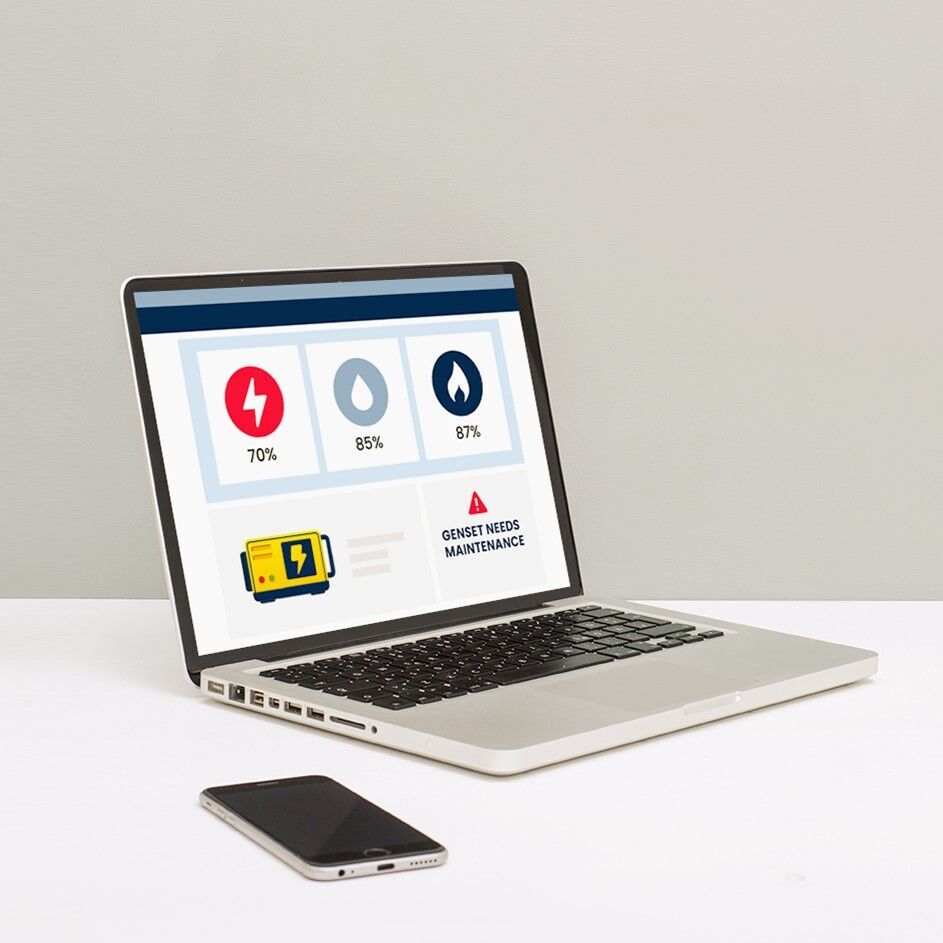
Solutions like IoT Envion from Telkomsel Enterprise transform traditional approaches into proactive systems. With advanced IoT energy management capabilities, companies can monitor consumption in real time, generate comprehensive analytics reports, and detect inefficiencies before they escalate.
These insights support strategic decision-making while remote monitoring and automated alerts enhance operational control without increasing management complexity.
By leveraging the right energy monitoring technology like IoT Envion, businesses can achieve greater efficiency, reduce operational costs, and contribute meaningfully to carbon emission reduction, strengthening both profitability and sustainability in the long term.