




Energy efficiency is not just relevant in large industries, but also in commercial, public, and even household sectors. With the rising global energy demand, managing energy effectively and sustainably is becoming more crucial to avoid putting excessive pressure on the environment and natural resources.
So, what exactly is energy efficiency, and how can it be applied effectively?
What Is Energy Efficiency?
Energy efficiency refers to the effort of using energy more optimally to produce the same or even better output or services, while consuming less energy. In simpler terms, energy efficiency focuses on enhancing the performance of systems, equipment, or processes without compromising quality or productivity.
Energy efficiency is often confused with energy conservation, but they are fundamentally different from concepts. Energy conservation focuses on reducing energy usage through behavioral changes, such as turning off equipment when not in use or reducing usage time.
In contrast, energy efficiency emphasizes using advanced technology, design, and systems that maximize energy utilization. For example, replacing conventional bulbs with LED lights is an example of energy efficiency, while turning off lights during the day is energy conservation.
Why Is Energy Efficiency Important?
Energy efficiency plays a significant role not only in protecting the environment and conserving natural resources but also in sustaining economic growth. Here's why applying energy efficiency across various sectors is crucial:
-
Excessive Energy Consumption and Its Environmental Impact
Excessive energy usage, particularly from fossil fuels, significantly contributes to increased greenhouse gas emissions. This accelerates global warming, harms air quality, and directly affects human health. Thus, implementing energy efficiency is one of the most effective ways to mitigate these negative effects without halting economic activities.
-
Depletion of Natural Resources
Most conventional energy sources, such as oil, natural gas, and coal, are non-renewable resources. Their availability is rapidly depleting, and the extraction process is costly and environmentally risky. By practicing energy efficiency, the consumption rate of these natural resources can be slowed down, ensuring long-term energy resilience.
-
Renewable Energy Utilization
Efficient systems allow renewable energy sources like solar and wind to be harnessed more effectively. Without energy efficiency, the potential of renewable energy sources often remains untapped, limiting their effectiveness in reducing dependence on fossil fuels.
-
Economic and Operational Advantages
Reducing energy consumption directly translates to lower electricity and fuel bills, increasing operational efficiency and company profitability.
Main Benefits of Energy Efficiency
-
Reducing Operational Costs
One of the most immediate and noticeable benefits of energy efficiency is the reduction in operational costs. By using less energy for daily operations, companies can allocate a smaller portion of their budget for energy and redirect those savings into business development or innovation.
-
Supporting Environmental Sustainability
Energy efficiency is integral to achieving sustainable development goals and corporate social responsibility. Lower energy consumption leads to reduced carbon emissions and environmental waste, helping businesses minimize their environmental footprint.
-
Improving Public Health
Reducing emissions from fossil fueled power plants improves air quality. As a result, cleaner air lowers the risk of respiratory diseases and enhances the overall quality of life for communities.
-
Slowing Down Climate Change
Energy efficiency contributes to the global reduction of greenhouse gas emissions. When adopted on a large scale, this can significantly slow down the rate of climate change and minimize the extreme impacts it brings.
-
Sustaining Business and Environmental Goals
Beyond environmental advantages, energy efficiency also enhances business sustainability by improving a company's reputation as a responsible entity. This adaptability to future challenges strengthens a company’s position in a competitive market.
Examples of Energy Efficiency in Various Sectors
Different sectors can implement energy efficiency strategies using simple measures or by integrating advanced technologies. Here are some examples:
-
Using LED Lights
LED lights are far more energy-efficient than incandescent or fluorescent bulbs. With a longer lifespan and lower power consumption, the switch to LED lights is a simple but effective energy efficiency step.
-
Utilizing Solar Panels
Solar panels enable the use of solar energy as an alternative power source. When combined with efficient systems, solar panels help reduce dependence on conventional electricity and cut down carbon emissions.
-
Automatic Charging Devices
Automatic chargers, which stop drawing electricity once a battery is full, help prevent energy wastage. The widespread use of this simple technology can have a significant impact in office and industrial environments.
-
Energy-Efficient Windows
Windows designed with energy efficiency in mind can reduce heat transfer between the outside and inside of buildings. This minimizes the need for air conditioning, directly saving on electricity consumption.
-
IoT-Based Energy Management Systems
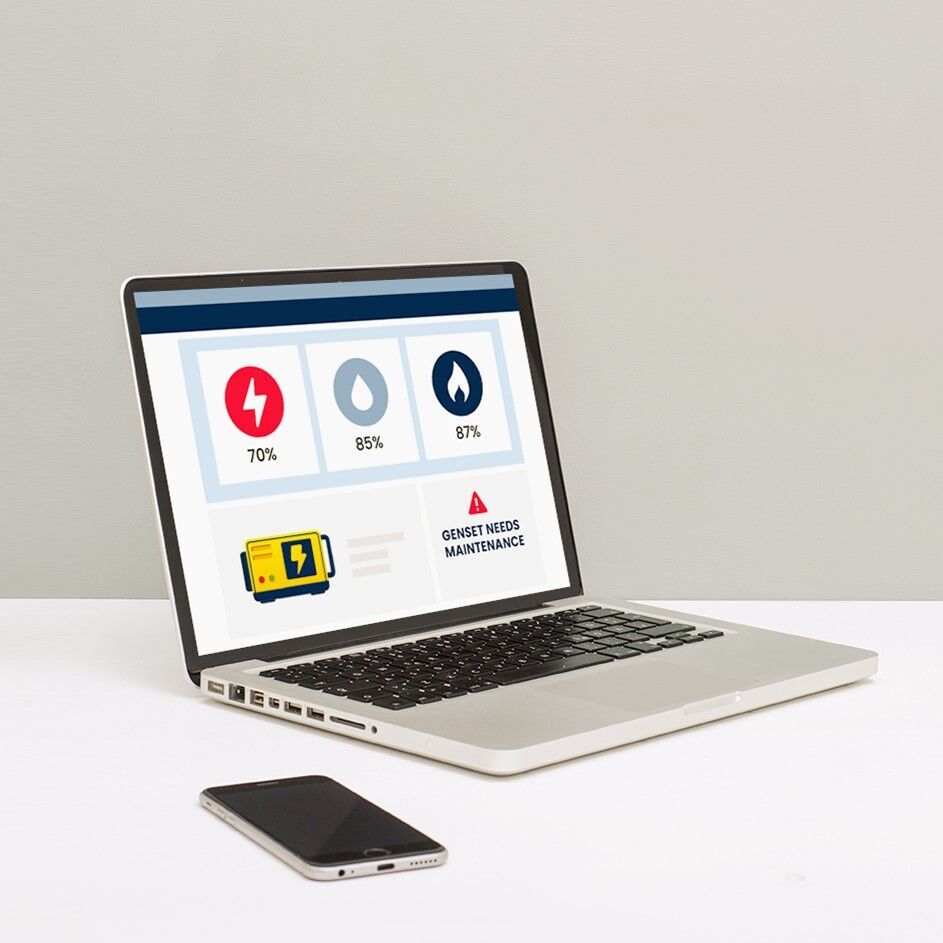
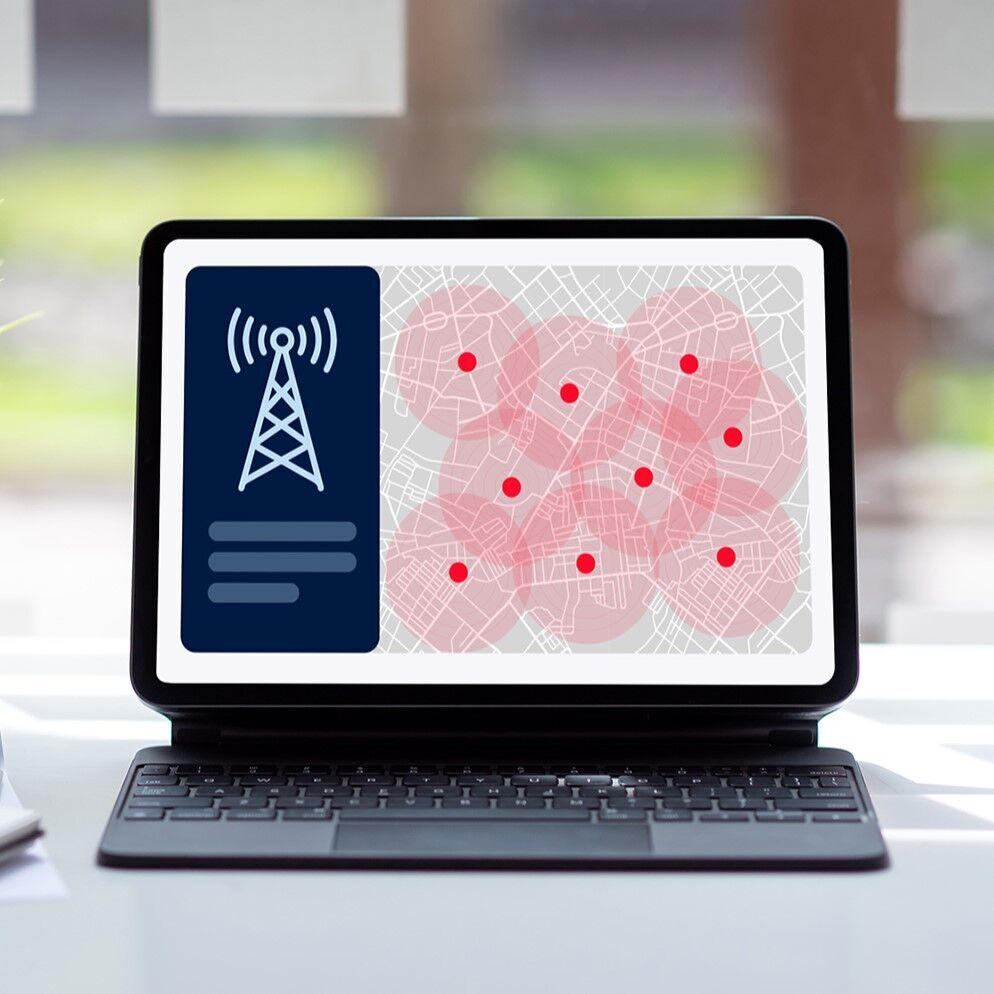
In the digital age, energy efficiency is more achievable with the help of Internet of Things (IoT) technology. IoT-based energy management systems enable companies to monitor, analyze, and optimize their energy usage in real time.
This advantage is offered by solutions like IoT Envion from Telkomsel Enterprise. This technology supports energy efficiency by providing real-time energy usage monitoring, accurate data analysis, and integrated control.
With proper implementation and the support of modern technologies such as IoT Envion, energy efficiency can become not only a short-term solution but also a long-term investment for both industrial sustainability and environmental preservation.
In conclusion, embracing energy efficiency is a smart choice for businesses and industries looking to reduce costs, improve sustainability, and contribute positively to the environment. By adopting energy-saving technologies and strategies, industries can enhance operational efficiency while reducing their environmental impact.
Contact Telkomsel Enterprise today to discover smarter, more sustainable energy management solutions for your business with IoT Envion!