




Great teams are built on more than just talent, they thrive on clear, meaningful communication. In a world where collaboration drives innovation and productivity, having strong communication strategies is essential for any team aiming for success.
Whether you're working across departments or managing remote teams, the way you exchange ideas, provide feedback, and resolve conflicts can make or break your performance. In this article, we'll explore why effective communication matters, what often gets in the way, and how your team can build better connections and achieve greater results together.
Why Is Effective Communication Important in Teams?
When teams lack clear communication, even the most skilled professionals can face misunderstandings, conflict, and reduced productivity. Here are five key reasons why communication is essential in a team environment:
-
Enhances Collaboration
Open and transparent communication ensures team members understand shared goals, freely exchange ideas, and plan tasks more efficiently. Effective collaboration minimizes silos and strengthens interdepartmental relationships.
-
Reduces Errors and Misunderstandings
Clear messaging prevents mistakes that can cost time and money. With solid communication strategies in place, teams can reduce confusion, align expectations, and execute tasks with precision.
-
Encourages Innovation
When employees feel heard and valued, they're more likely to share creative ideas. A culture of open communication supports innovation, enabling teams to brainstorm solutions and drive company growth.
-
Improves Job Satisfaction
Employees who feel informed, valued, and included tend to be more satisfied and engaged. Transparent communication about company goals, updates, and feedback fosters trust and a sense of belonging.
-
Increases Efficiency
Good communication streamlines workflows by ensuring everyone knows their roles and deadlines. It reduces redundant tasks, speeds up decision-making, and helps teams achieve more in less time.
Types of Communication in the Workplace
Understanding the various forms of communication helps teams choose the right method for each situation:
1. Verbal Communication
This involves spoken words like meetings, presentations, or casual conversations. Benefits include immediate feedback and tone modulation to convey emotion. However, it lacks documentation unless recorded.
2. Written Communication
Emails, reports, memos, and chat messages fall under this category. Written communication provides a permanent record and allows for careful crafting of messages. But it may lack emotional nuance and require more time to process.
3. Nonverbal Communication
Body language, facial expressions, gestures, and eye contact all contribute to nonverbal communication. It complements verbal messages and often conveys emotions more clearly than words alone.
Common Barriers to Effective Communication
Even well-intentioned communication can fail if these obstacles aren't addressed:
1. Physical Barriers
Noisy environments, poor internet connections, or geographical distance can disrupt message clarity. Mitigate these with proper tech tools and workspaces that support open dialogue.
2. Language Barriers
Jargon, dialects, or unclear language can confuse team members. Use plain language, define technical terms, and ensure inclusivity in communication.
3. Emotional Barriers
Stress, anxiety, or interpersonal conflicts can distort how messages are sent or received. Encouraging emotional intelligence and creating a safe space for dialogue can reduce these obstacles.
Effective Communication Strategies Between Teams
Want to know how do you improve effective communication across your organization? Apply these proven strategies:
1. Set Clear Communication Goals
Before sending any message, define its purpose: Are you informing, persuading, or seeking input? Clear objectives ensure your message stays relevant and impactful.
2. Use Consistent Body Language
Nonverbal cues should align with your words. Maintain eye contact, nod in agreement, and avoid distracting gestures to reinforce your message.
3. Practice Active Listening
Truly effective communicators don’t just speak but also, they listen. Focus on the speaker, avoid interrupting, and ask clarifying questions to ensure understanding.
4. Be Friendly and Approachable
A welcoming environment encourages openness. Greet colleagues warmly, smile, and use inclusive language to make everyone feel comfortable sharing.
5. Deliver Messages Clearly
Avoid vague or overly technical terms when clarity is essential. Use simple language, structure your message logically, and verify understanding through feedback.
6. Stay Flexible in Your Communication Style
Tailor your tone and delivery based on the audience. A team meeting might be informal, while client interactions require professionalism. Adaptability is key.
7. Resolve Conflicts Respectfully
Disagreements happen, but communication should remain calm and solution focused. Listen to all parties, avoid blame, and work toward a mutually beneficial resolution.
8. Give and Receive Constructive Feedback
Feedback drives growth. Offer specific, actionable input and receive suggestions with an open mind. Cultivating a feedback culture encourages accountability and performance improvement.
Every team member plays a role in shaping a company’s communication culture. By adopting effective communication strategies, organizations can foster better collaboration, innovation, and performance.
Want to improve communication within your organization? For businesses looking to optimize internal and external communication, consider investing in reliable tools and platforms that support seamless interaction.
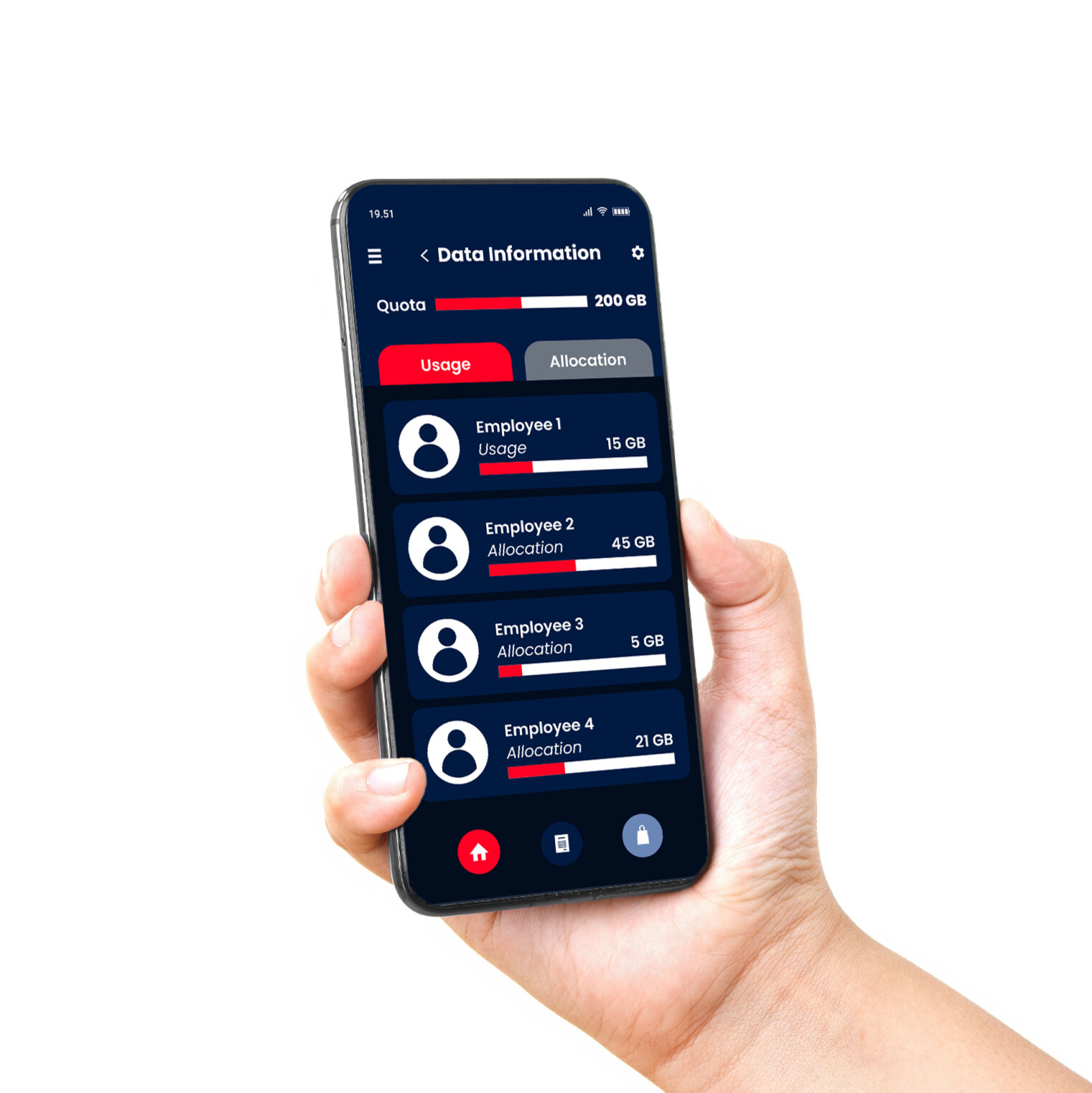
Telkomsel Enterprise’s Team Plan offers cost-effective communication solutions tailored for businesses. With CUG (Closed User Group) packages, voice call and SMS options, and flexible budgeting, your team can stay connected anytime, anywhere boosting productivity and operational efficiency.