




Integrating digital bookkeeping with an online payment system can significantly boost operational efficiency for SMEs.
Technology has redefined how businesses manage their finances, especially Micro, Small, and Medium Enterprises (MSMEs). The seamless integration between digital bookkeeping and a reliable online payment system offers more than just modernization, but it unlocks automation, reduces administrative burden, and elevates financial transparency.
For growing businesses, embracing digital tools is no longer an option, but it’s a necessity to remain competitive and efficient. By integrating bookkeeping applications with secure accounting and payment systems, business owners can experience smoother workflows, faster transactions, and more accurate financial insights.
By merging digital financial tracking with instant payment processing, SMEs can achieve operational excellence, reduce human error, and gain deeper insights into their business performance.
In this article, you’ll explore how integrating bookkeeping applications with an online payment system can help businesses simplify accounting tasks, improve efficiency, and increase transparency in all financial transactions.
What Is Digital Bookkeeping?
Digital bookkeeping is the practice of recording, organizing, and managing financial transactions using specialized software instead of traditional pen-and-paper methods. It’s more than just digitizing receipts, but it’s a complete transformation of how businesses track income, expenses, assets, and liabilities.
With a robust bookkeeping application, every transaction is logged electronically, stored securely in the cloud, and instantly accessible from any device, anywhere. This shift from analog to digital brings a wave of benefits that empower SMEs to stay agile and informed.
Compared to traditional methods, digital bookkeeping offers several advantages, including:
-
Time efficiency: Automation eliminates hours spent on manual data entry. Invoices, expenses, and payments are recorded in real time, freeing up valuable hours for strategic business growth.
-
High accuracy: Say goodbye to calculation errors and misplaced entries. Digital systems reduce human mistakes, ensuring your books are always balanced and audit ready.
-
Real-time access: Whether you're at home, in the office, or on the move, your financial data is just a click away. This accessibility is a game-changer for mobile entrepreneurs and remote teams.
-
Seamless integration: A top-tier accounting application doesn’t work in isolation. It connects effortlessly with other business tools like inventory systems, CRM platforms, and crucially, online payment systems, to create a unified operational backbone.
Some of the main features often found in modern bookkeeping applications are:
-
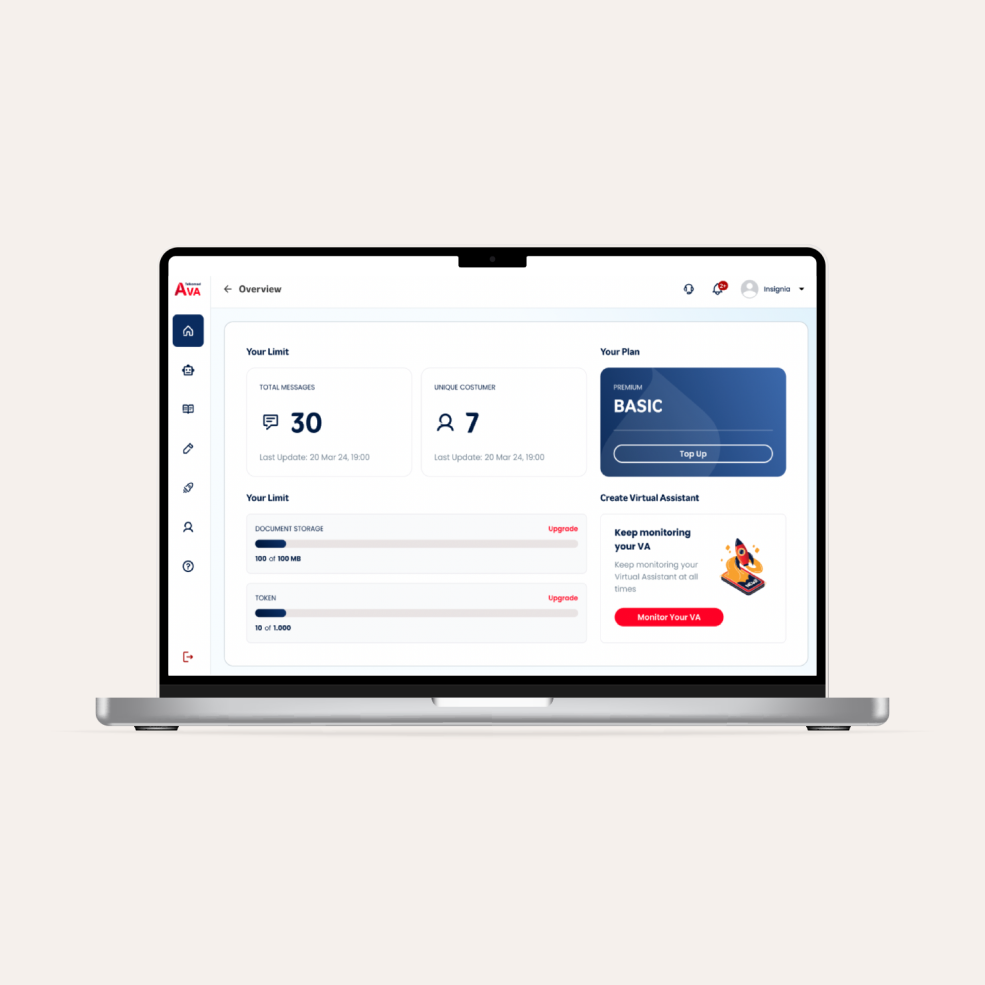
Interactive dashboards: Get a live snapshot of your cash flow, profit margins, and outstanding invoices, all in one intuitive interface.
-
Auto-generated reports: Generate balance sheets, income statements, and cash flow reports with a single click. No more spreadsheet nightmares.
-
Real-time transaction tracking: Every sale, refund, or expense updates your books instantly, keeping your financial records always current.
-
Data security: Advanced encryption and multi-factor authentication protect your sensitive financial data from unauthorized access and cyber threats.
The Role of Online Payment Systems in Modern Business
Gone are the days when cash and checks ruled the transaction world. The rise of the online payment system has redefined how businesses collect money, from e-commerce stores to local food trucks. These systems enable instant, secure, and contactless payments via credit cards, bank transfers, digital wallets, and QR codes.
Adopting an online payment system is no longer optional, but it’s essential for staying competitive in a digital-first marketplace. Here are some of the benefits that businesses gain from using online payment systems:
-
Faster, hassle-free transactions: Speed up checkout times and reduce customer wait times. Whether in-store or online, digital payments are lightning-fast.
-
Advanced security: Built-in fraud detection, tokenization, and secure gateways protect both business and customer data.
-
Automatic recording: Every payment processed is automatically logged into your system, eliminating the need for manual reconciliation.
-
Expanded market reach: Accept payments from customers across cities, countries, or continents. Geographic barriers dissolve when your business goes digital.
There are various types of online payment methods that can be integrated with a business's bookkeeping system, such as:
-
Credit and debit cards
-
Bank transfers and virtual accounts
-
Digital wallets and QRIS

Why There Is a Need for Integration
Running a digital bookkeeping system and an online payment system in isolation is like driving with one foot on the brake. Without integration, businesses face serious operational hurdles:
-
Data inconsistencies: Manual transfers between systems lead to mismatched records, duplicate entries, or missing transactions.
-
Wasted time: Hours are wasted every week just matching bank statements with internal records.
-
Inefficient analysis: When data live in separate silos, it’s nearly impossible to get a clear, holistic view of your financial health.
A fully integrated accounting application and online payment system can solve these issues by offering:
-
Automated workflows: Every payment received is instantly recorded in your account. No more exporting CSV files or manual data entry.
-
Increased data accuracy: Your financial reports reflect the latest transactions, giving you confidence in your decision-making.
-
Cost and time efficiency: Minimizes the need for manual intervention and administrative overhead.
How to Choose the Right Systems for Your Business
Choosing the ideal combination of a bookkeeping app and an online payment system requires careful evaluation. Here’s what to consider:
-
Security and reliability: Ensure that your provider uses encryption and offers reliable uptime.
-
Ease of use: Choose systems that are intuitive and require minimal training.
-
Support and training: Opt for platforms that offer responsive customer service and learning resources.
-
Integration capabilities: Make sure your tools can integrate seamlessly with one another.
Evaluating Your Option
-
Use free trials: Explore features and functionality during a trial period before committing.
-
Read user reviews: Learn from other users' experiences to gain insight into the system's reliability and effectiveness.
-
Analyze long-term costs: Look at the cost structure and consider the long-term investment.
Conclusion
For MSMEs aiming to scale up and run more efficiently, integrating digital bookkeeping with a reliable online payment system is a powerful step forward. It simplifies operations, enhances accuracy, and strengthens overall financial management.
With the rapid increase in digital transactions, businesses must move away from manual bookkeeping and outdated payment processes. Embracing integrated financial systems allows for real-time insights, smarter decisions, and improved customer experiences.
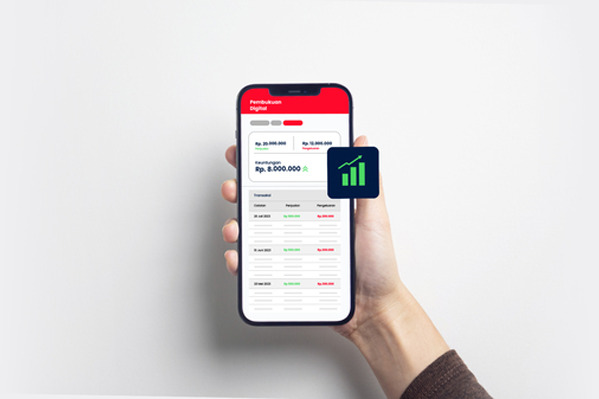
Telkomsel Enterprise answers this need with its innovative Pembukuan Digital solution, specifically designed for micro, small, and medium enterprises. This accounting application seamlessly integrates with Point of Sale (POS) systems, enabling SMEs to record sales, manage receivables and payables, and generate financial reports, all in real time, all digitally.
With features like automated reporting, cashier-friendly interfaces, and debt management tools, Pembukuan Digital by Telkomsel Enterprise removes the complexity of financial management. You don’t need to be an accountant to run your books, just a passionate entrepreneur with the right tools.
Take control of your business finances today, contact Telkomsel Enterprise to get started with an all-in-one digital solution.