





As network security threats grow increasingly complex, technology continuously evolves to offer more advanced and effective solutions. Two standout technologies in this arena are SASE (Secure Access Service Edge) and SD-WAN (Software-Defined Wide Area Network).
Both technologies take different approaches to managing and securing business networks, yet they share a common goal which is to improve network performance while safeguarding data from cyber threats.
SASE incorporates multiple security technologies such as Cloud Access Security Broker (CASB), Firewall as a Service (FWaaS), and Zero Trust Network Access (ZTNA). Through a cloud-based approach, SASE enables businesses to secure access to their applications and data anytime, anywhere.
On the other hand, SD-WAN leverages software to control WAN operations, allowing businesses to efficiently manage multiple internet connections. SD-WAN excels at enhancing application performance, reducing operational costs, and simplifying network management.
While SASE and SD-WAN each offer distinct benefits, both play vital roles in a company’s overall network security strategy. Understanding their differences and how they fit various business environments is key to choosing the right solution.
What Is SD-WAN and Its Role
SD-WAN (Software-Defined Wide Area Network) is a technology that uses software to control WAN operations with the primary goal of boosting network performance by prioritizing data traffic and optimizing bandwidth use.
SD-WAN enables businesses to manage multiple internet connections such as MPLS, LTE, and broadband more effectively.
Benefits of SD-WAN
1. Simplified Management
SD-WAN simplifies WAN management by providing centralized visibility and control. Network administrators can easily configure and monitor network performance through an intuitive dashboard.
2. Performance Optimization
By prioritizing critical traffic, SD-WAN ensures that important applications receive the necessary bandwidth. This is especially crucial for low-latency, high-bandwidth applications such as video conferencing and VoIP.
3. Cost Efficiency
SD-WAN reduces operational costs by leveraging cheaper internet connections instead of expensive MPLS. Businesses can save on network expenses without compromising performance.
4. Enhanced Security
It comes with built-in network security features like encryption and firewalls to provide adequate data protection.

What Is SASE and Its Role
SASE (Secure Access Service Edge) combines networking and security functions into a single cloud-based platform. It integrates technologies like CASB, FWaaS, and Zero Trust Network Access (ZTNA) into one service.
SASE is designed to meet the demands of modern, complex, and distributed network security.
Benefits of SASE
1. Integrated Networking & Security
SASE brings together security and networking functions into one platform, reducing management complexity. With a single solution combining multiple functions, network teams can focus more on performance and security improvements.
2. Secure Remote Access
Using ZTNA, SASE ensures that only authorized users can access the network. This is essential in minimizing the risk of unauthorized access and data breaches.
3. Scalability
As a cloud-based solution, SASE can easily scale up according to business demand. Companies can increase or reduce capacity without investing in new hardware.
4. Improved Performance
Through dynamic access path optimization, SASE ensures optimal application performance. Data traffic is dynamically optimized to reduce latency and improve responsiveness.
Difference Between SASE vs SD-WAN
While both technologies aim to simplify WAN management and enhance security, they differ significantly in architecture, implementation, and focus.
1. Architecture and Implementation
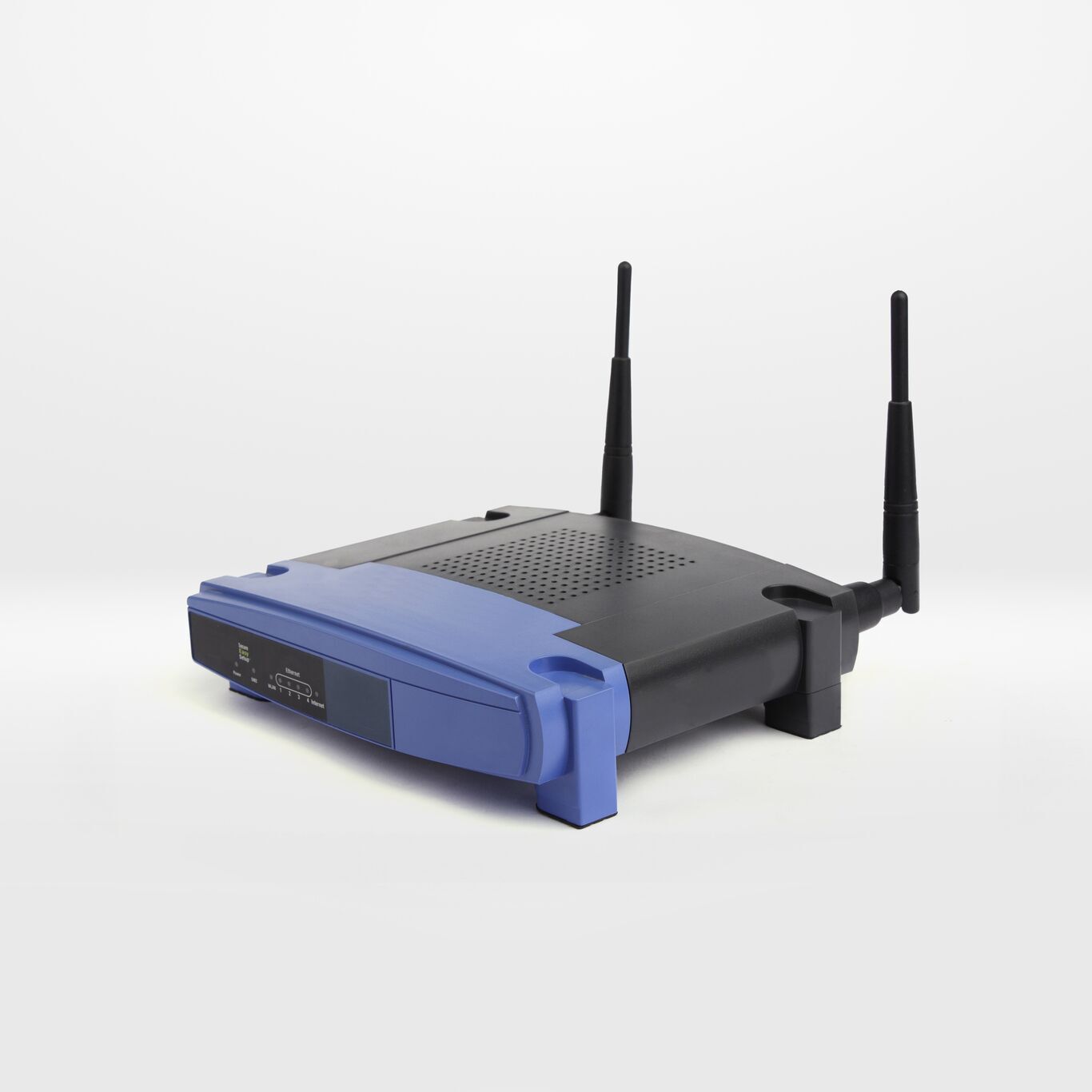
SD-WAN operates as a software layer atop existing network infrastructure, enabling seamless integration with current SD-WAN devices. It requires centralized network management but still depends on on-site hardware.
In contrast, SASE is entirely cloud-based, reducing reliance on local hardware. This cloud-first approach is ideal for organizations with high remote access needs and multiple locations. SASE allows companies to adopt technology with minimal infrastructure changes.

2. Security Features
SD-WAN provides basic network security features such as encryption and firewall protection but often requires additional security solutions for comprehensive protection. Choosing reputable SD-WAN vendors offering integrated security enhancements is critical. SD-WAN is not designed to handle more sophisticated threats like DDoS attacks or insider risks.
SASE delivers a more advanced, integrated security suite, including cyber-attack protection, traffic inspection, and multi-factor authentication. Features like ZTNA ensure that only verified users gain network access, significantly strengthening security.
3. Performance
SD-WAN boosts network performance by optimizing data routes and leveraging multiple internet connections. This is particularly beneficial for latency-sensitive, bandwidth-heavy applications. SD-WAN guarantees that critical apps get bandwidth priority, reducing bottlenecks.
SASE also improves performance by optimizing secure access paths but emphasizes security and access management. Using cloud edge technologies, SASE reduces latency and ensures consistent application performance. Data traffic is optimized in real-time for a smooth user experience.
4. Cost and Scalability
SD-WAN tends to have lower upfront and operational costs by using cheaper internet connections. However, expenses can rise if additional security layers are necessary. Businesses adopting SD-WAN may need to invest in extra security appliances to ensure full protection.
SASE may require higher initial investment but reduces long-term operational costs by consolidating multiple security functions into one platform and simplifying management.
When to Choose SASE or SD-WAN?
SD-WAN is ideal for businesses that:
-
Operate across multiple locations with complex network requirements.
-
Need a solution that boosts application performance at a lower cost.
-
Want greater control over network operations through SD-WAN devices.
It’s especially suitable for companies that prioritize application performance and want to optimize bandwidth usage. With its ability to manage multiple internet connections, SD-WAN enables businesses to cut operational costs while maintaining high performance.
SASE suits businesses that:
-
Have a distributed workforce requiring secure remote access.
-
Need simplified management by combining security and networking in one platform.
-
Demand robust, integrated security solutions with scalable cloud architecture.
SASE is particularly ideal for companies with many locations or remote employees. With strong security integration, SASE ensures that all access to company networks is secure and controlled.
Both SASE and SD-WAN simplify WAN management. SD-WAN does this by centralizing control and optimizing bandwidth, while SASE unifies security and networking to reduce the need for multiple devices and solutions.
Conclusion
Choosing between SASE security and SD-WAN security ultimately depends on your business’s specific requirements. SD-WAN provides efficient network management and cost savings, while SASE offers a stronger security framework with cloud-native scalability.
By understanding each technology’s unique advantages, you can select the best option to safeguard your network and streamline operations.
Telkomsel Enterprise delivers Managed Service Connectivity solutions that simplify WAN infrastructure across branches, enabling fast deployment and reliable connectivity. Its QoS (Quality of Service) feature enhances application performance, while automated 24/7 monitoring ensures high network availability.
This solution addresses challenges like complex network management and high maintenance costs. Telkomsel’s service is perfect for industries such as retail and financial services that require dependable multi-site connectivity.
With Managed Service SD-WAN, businesses can enjoy better operational efficiency, optimal application performance, and reduced maintenance costs. Telkomsel guarantees up to 99.5% network availability, giving customers peace of mind regarding business connectivity.
Boost your business network security and efficiency with Telkomsel Enterprise’s Managed Service SD-WAN. Contact us today to learn more!