


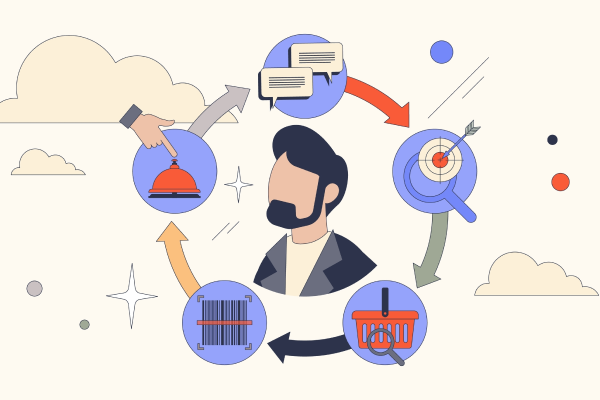


In a world where customer expectations are higher than ever, simply attracting them isn't enough, you need to keep them engaged and loyal. The secret to achieving this lies in understanding the customer lifecycle. This journey, which spans from the first touchpoint with your brand to repeat purchases, holds the key to long-term business success.
With effective customer lifecycle management, you can guide your customers through each stage of their experience, delivering value at every turn and ensuring that they remain engaged with your brand for years to come.
But what exactly is the customer lifecycle? And why should your business care?
Let’s dive into the five core stages of the customer lifecycle, explore why it matters, and uncover actionable strategies to manage each phase effectively using smart customer lifecycle marketing tactics.
What Is the Customer Lifecycle?
The customer lifecycle refers to the journey a customer takes with your brand, from first encountering your business to becoming a loyal, repeat customer. Understanding this journey is key to developing effective marketing strategies that attract, engage, and retain customers.
Managing the customer lifecycle is crucial for maintaining customer loyalty, improving retention, and increasing overall revenue. Through proper customer lifecycle management, your business can offer a more personalized experience at each stage of the customer’s journey, creating greater opportunities for long-term success.
Why is Customer Lifecycle Important for Your Business
Effective customer lifecycle marketing can significantly benefit your business. Here are the top reasons why understanding and managing the customer lifecycle is vital:
-
Increased Customer Retention & Loyalty: By delivering positive experiences at every stage, you can keep customers coming back.
-
Targeted Marketing Strategy: Understanding your customers’ needs at different lifecycle stages allows for more precise marketing efforts.
-
Repeat Purchases & Referrals: Loyal customers often make repeat purchases and recommend your brand to others.
-
Resource Allocation: Knowing when and where customers need support allows your business to allocate resources effectively, reducing churn.
5 Stages of the Customer Lifecycle
The customer lifecycle is divided into five key stages that businesses must focus on to build long-lasting customer relationships:
1. Reach: Attracting Potential Customers
The first stage of the customer lifecycle focuses on raising brand awareness and attracting potential customers. This can be done through various marketing channels such as digital ads, social media, SEO, content marketing, and email marketing. The goal is to generate interest and draw prospects into your sales funnel.
2. Acquisition: Converting Leads into Customers
Once prospects are aware of your brand, the next step is to convert them into paying customers. This could involve offering special discounts, free trials, or exclusive demos.
A well-optimized website and effective content marketing strategies can drive potential customers to take the next step and make a purchase.
3. Conversion: Turning Leads into Paying Customers
At this stage, a potential customer has taken action, whether it’s making a purchase, subscribing to a service, or completing a transaction. To boost conversions, businesses must ensure a smooth and hassle-free user experience, with easy navigation, multiple payment options, and responsive customer service.
4. Retention: Keeping Customers Coming Back
Acquiring new customers is expensive. That’s why retention is crucial. Once someone buys from you, your focus should shift to keeping them engaged and satisfied. So, customer retention is about maintaining a long-term relationship with your customers.
To keep customers engaged through proactive customer service, relevant content, loyalty programs, and personalized offers. The goal is to reduce churn and encourage repeat business.
5. Loyalty: Turning Customers into Advocates
Loyal customers are more than just repeat buyers, they become advocates for your brand. They may refer to friends and family, leave positive reviews, or engage with your business on social media.
Rewarding loyal customers with exclusive discounts, VIP treatment, or early access to new products helps deepen their connection with your brand.
How to Effectively Manage the Customer Lifecycle
Managing the customer lifecycle isn’t just about moving people from one stage to the next, it’s about creating a cohesive, personalized experience throughout their journey. Here’s how to do it right:
Identify Your Target Market
Understanding who your ideal customers are is essential for creating tailored marketing campaigns. Analyzing customer data, demographics, and purchasing behaviors allows you to develop targeted messages that resonate with potential buyers.
Offer Self-Service Resources
Customers prefer to find information independently. Provide FAQs, instructional videos, product guides, and blog content to help customers resolve their questions quickly without needing to contact customer support.
Proactive Customer Service
Don’t wait for customers to reach out when problems arise. Use chatbots, automated emails, and follow-up messages to proactively address issues and offer support. This level of attention can help improve customer satisfaction and reduce churn.
Simplify the Purchase Process
A smooth, easy purchase process is essential for conversion. Ensure that your website is user-friendly, with intuitive navigation, clear product descriptions, and multiple payment options. A frictionless checkout process can significantly boost conversion rates.
Offer Multiple Support Channels
Different customers have different preferences for receiving support. Offer live chat, email, phone support, and even social media messaging options to give customers the flexibility they need to reach out in their preferred way.
Stay Engaged Post-Purchase
Customer relationships don’t end after a sale. Sending thank-you emails, gathering feedback, and offering follow-up discounts or promotions for future purchases can help solidify your relationship with customers and encourage repeat business.
Effective customer lifecycle management leads to improved customer satisfaction, stronger long-term relationships, and increased business revenue. By understanding each stage of the customer lifecycle and implementing tailored strategies, you can build a loyal customer base that will drive your business forward.
Ready to take your customer experience to the next level?
Explore how Telkomsel Enterprise’s Customer Engagement Platform can help you build stronger relationships, drive loyalty, and deliver personalized experiences across every stage of the customer lifecycle.
Contact us today to learn more and start optimizing your customer journey now!