

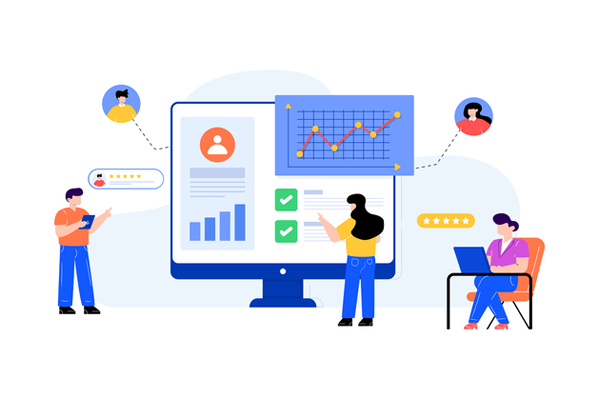


A Customer Data Platform (CDP) is able to unify and manage customer data from multiple sources, enabling brands to gain deeper insights into their customers.
Modern businesses are surrounded by a constant stream of customer data from every direction, from websites, mobile apps, CRM tools, offline interactions, and more. Without the right system in place, this data becomes fragmented, difficult to access, and nearly impossible to turn into meaningful customer insights.
Customer Data Platform (CDP) offers a transformative solution. It brings together all that scattered data into one centralized hub, empowering companies to gain a deeper understanding of their customers and deliver personalized experiences at a scale. Whether your goal is to improve marketing ROI, strengthen customer loyalty, or make smarter business decisions, the CDP is built to support those objectives with precision and clarity.
According to a study conducted by IDG and TeamDynamix, 89% of organizations currently face backlogs in integrating customer data across systems. This highlights a growing challenge in managing data efficiently and automating workflows across platforms. Whether the integration is handled internally or with the help of third-party solutions, the complexity remains high and the need for a unified solution like a CDP has never been greater.
In this article, we’ll explore what a customer data platform is, how it works, the different types available, and the tangible benefits it brings to modern businesses.
What Is a Customer Data Platform (CDP)?
A customer data platform, often abbreviated as CDP, is a type of software that creates a centralized and persistent database of customer profiles. It gathers data from various sources, including websites, mobile apps, CRM systems, social media, email platforms, and even in-store interactions and stitches them together to build a 360-degree view of each customer.
CDPs gather data from online behavior, mobile activity, email engagement, CRM systems, point-of-sale (POS) terminals, and even offline events. That information is merged into complete customer profiles, which are continuously updated in real time. These profiles enable personalized marketing, smarter segmentation, and improved service delivery.
While often compared to tools like CRM (Customer Relationship Management) and DMP (Data Management Platform), the CDP provides a broader and more detailed customer view. CRM systems focus on interactions with known customers, and DMPs are primarily used for anonymous audience targeting in advertising. CDPs, on the other hand, combine the strengths of both, bringing transactional, behavioral, demographic, and engagement data together in one actionable format.
Key Functions of CDP
A customer data platform performs several critical functions that enable businesses to harness the full potential of their customer data:
-
Data Collection: A CDP gathers data from multiple sources, both digital and offline, including website visits, app usage, email engagement, and in-store purchases.
-
Data Unification: It merges fragmented data into a single, cohesive customer profile, eliminating duplicates and inconsistencies to ensure data accuracy.
-
Identity Resolution: This process connects multiple identifiers (like email, phone number, device ID) to a single customer, allowing for a holistic view of their journey.
-
Data Analysis: CDPs analyze customer behavior to generate insights, such as preferences, buying patterns, and future intent, helping teams anticipate customer needs.
-
Data Activation: Once analyzed, the data is used to personalize marketing campaigns, improve customer service, and optimize the overall customer journey.
How Does a CDP Work?
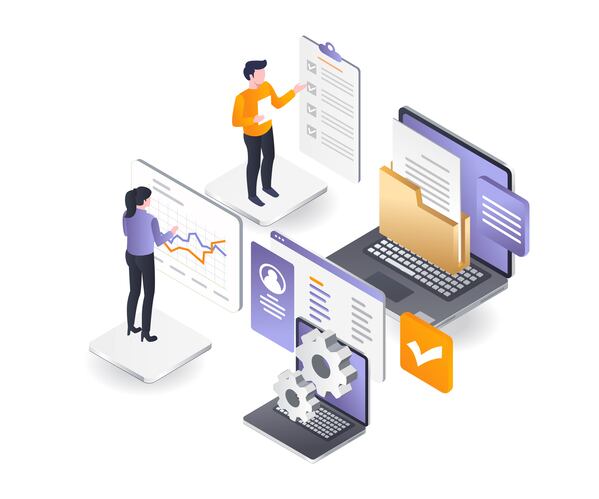
The CDP is more than just a data warehouse, but it’s a living ecosystem that constantly gathers, cleans, and activates customer data. Here's a breakdown of the typical CDP process:
1. Data Ingestion
The system pulls customer data from diverse sources such as websites, apps, call centers, CRM tools, email platforms (ESP), and even offline sources like retail transactions or call logs. This ensures a complete and detailed picture of customer behavior.
2. Data Normalization and Cleaning
Once collected, data is normalized and cleaned. This step eliminates duplicates, corrects inconsistencies, and aligns the data into a uniform format, making it easier to analyze and use.
3. Identity Resolution
The CDP uses sophisticated matching algorithms to recognize that various data points, email clicks, mobile app login, and in-store purchases, all belong to the same individual. This process builds a single, accurate, and enriched customer profile.
4. Data Analysis and Insight Generation
Using AI and machine learning, the CDP analyzes the data to uncover hidden patterns, preferences, and predictive insights. Businesses can use this intelligence to tailor strategies, anticipate customer needs, and boost engagement.
5. Data Activation
The final step is action. Insights from the CDP are used to power personalized marketing campaigns, sales initiatives, and customer service experiences. Whether it’s recommending the right product, sending a timely email, or tailoring a loyalty offer, activation is where CDP value becomes real.

Different Types of Customer Data Platforms
Choosing the right type of CDP depends on your business size, goals, and tech stack. Gartner classifies CDPs into four main categories:
1. Marketing Cloud CDPs
Integrated within broader marketing cloud environments, these CDPs are best suited for companies already using a specific ecosystem like Salesforce or Adobe. They streamline data flow within the cloud and support marketing automation.
2. Smart Hub CDPs
These platforms are built for intelligent campaign orchestration. Using AI and real-time triggers, Smart Hub CDPs allow dynamic personalization and journey mapping, perfect for businesses seeking advanced marketing automation.
3. Marketing Data and CDP Integration
Focused on aggregating marketing data across sources, this type is ideal for businesses with complex, multi-channel strategies. It emphasizes organized, accessible data rather than heavy personalization features.
4. Engines and Toolkit CDPs
Designed for maximum flexibility, these CDPs offer tools and APIs that allow businesses to build their own features on top of the platform. This approach works best for enterprises with unique requirements that standard CDPs can’t fulfill.
Business Benefits of a Customer Data Platform
The implementation of a customer data platform can drive meaningful outcomes across multiple areas of your business:
1. Understand Customers on a Deeper Level
-
Create a holistic customer visualization: CDPs enable businesses to create a holistic picture of each customer by combining demographics, behaviors, and preferences. This helps identify customer segments and tailor marketing efforts more effectively.
-
Predict customer needs and behavior: With collected and analyzed data, CDPs can help predict customer needs and behavior, enabling companies to be more proactive in their strategies.
2. Predict Customer Behavior
-
More personalized content, offers, and recommendations: Through unified and analyzed data, CDPs enable the delivery of highly personalized content, offers, and recommendations across multiple channels.
-
Customer journey and touchpoint optimization: CDPs help optimize customer journeys and touchpoints, improving customer engagement and increasing lifetime customer value.
3. Elevate Personalization Efforts
-
Eliminate data silos: CDPs break down data silos and unify customer data into a single platform, improving accessibility and cross-departmental collaboration.
-
Improved data governance and compliance: With data in a single location, compliance and data governance become simpler and more efficient.
4. Improve Data Management and Compliance
-
Optimizing marketing campaigns: CDPs help businesses target their marketing campaigns more effectively, optimizing marketing budgets.
-
Product personalization and upsell opportunities: With a better understanding of customers, companies can provide more personalized product recommendations and identify more effective upsell opportunities.
-
Improving customer retention and loyalty: With a more personalized and relevant customer experience, CDPs help improve customer retention and loyalty.
Real-World Applications of CDPs Across Industries
Customer Data Platform (CDP) implementations aren't limited to one industry or sector. Here are some examples of CDP applications in different business sectors:
1. Retail
-
Personalized product recommendations: In retail, CDPs can be used to personalize product recommendations based on a customer's previous shopping behavior, increasing conversions, and customer satisfaction.
-
Customer churn prediction and targeted loyalty programs: By analyzing purchase and interaction data, CDPs help predict customer churn and develop more effective loyalty programs to prevent it.
2. Banking
-
Relevant financial product offerings: In the banking sector, CDPs can facilitate more relevant financial product offerings, such as loans or investments, based on an analysis of customer needs and financial behavior.
-
Improved risk management: Integrated customer data helps banks improve risk management and compliance by understanding customer profiles more deeply.
3. Healthcare
-
Personalized patient communication: CDPs can be used in healthcare to personalize patient communication, optimize care plans, and improve health outcomes.
-
Treatment plan optimization: With comprehensive information about a patient's health history, CDPs help healthcare providers optimize treatment plans.
4. Media & Entertainment
-
Content recommendations: In media and entertainment, CDPs are used to provide highly personalized content recommendations, increasing engagement and encouraging subscription renewals.
-
Increased engagement and subscriptions: Audience behavior analysis helps develop more effective content and promotion strategies, improving customer retention.
Conclusion
The customer data platform is no longer a luxury, but it’s a necessity for businesses looking to thrive in a competitive, data-driven world. The ability to collect, unify, analyze, and activate customer data leads to more informed decisions, stronger marketing strategies, and exceptional customer experiences.
To take personalization even further, combining a CDP with a Customer Engagement Platform (CEP) unlocks even greater potential. Telkomsel Enterprise’s CEP is a robust marketing engagement solution that gives brands access to rich customer profiles and real-time cloud-based campaign tools. From campaign targeting to behavior analysis, this platform elevates your ability to connect with customers and drive results.
Ready to transform how your business connects with customers? Unlock the power of the customer data platform and start building a smarter, more personal customer journey. Contact us today to learn more!