

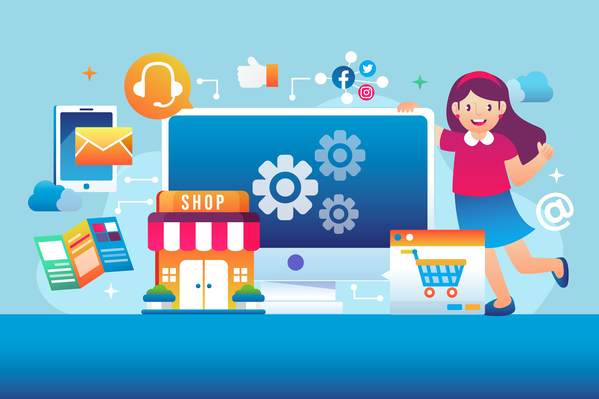


Marketing today demands more than just catchy ads or presence on a single platform, but it requires a cohesive, integrated approach. That’s why a cross-channel marketing strategy comes into play as a game-changer, helping businesses connect with customers in more meaningful ways than ever before.
In fact, cross-channel marketing goes beyond simply being present on various platforms. It’s about creating a unified, personalized experience that resonates with your audience at every touchpoint. When done right, it transforms casual interactions into lasting relationships, ultimately boosting customer engagement strategy effectiveness and fostering long-term loyalty.
Modern consumers don’t stick to just one channel, they move fluidly between social media, mobile apps, websites, and email. As a result, brands need to follow suit with a comprehensive how to increase customer engagement approach that reflects this omnichannel behavior.
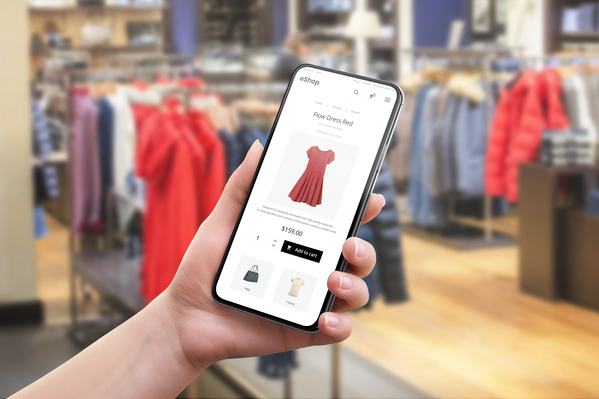
Imagine a scenario where a user browses products on a mobile app and later receives a tailored email offering a discount on the exact items they viewed. That smooth transition from one platform to another isn't just coincidence, it's strategic cross-channel marketing in action. It builds relevance, anticipation, and trust, which are all essential for deeper customer engagement.
Why Cross-Channel Marketing is Crucial for Increasing Customer Engagement
Consumer behavior has undergone a massive transformation. Customers no longer rely on a single platform to connect with brands. From scrolling through Instagram and checking emails to browsing apps and visiting websites, customers jump between channels expecting a consistent and personalized experience throughout.
This evolution makes it clear that brands must adopt a customer engagement strategy that’s broader and more inclusive, enter cross-channel marketing.
Take an e-commerce brand for example. By using email campaigns, social media ads, and retargeting banners in tandem, they can build a comprehensive campaign that resonates with different audience segments at every stage of the funnel.
The real strength of a cross-channel marketing strategy lies in its ability to meet customers where they are. It ensures that your brand remains relevant and recognizable across every digital interaction. This consistency not only boosts brand recall but also nudges customers closer to making a purchase decision.
Key Benefits of a Cross-Channel Marketing Strategy
Cross-channel marketing offers several key benefits that cannot be ignored.
1. Enhanced Brand Awareness & Engagement
When customers encounter your brand consistently across different platforms, it reinforces recognition and familiarity. Repeated exposure to aligned messaging across channels naturally boosts engagement, as users feel more connected and understood.
2. Elevates Personalization for a Better Experience
A cross-channel strategy enables brands to deliver highly targeted messages tailored to user behavior across platforms. When customers receive content that feels relevant and personal, their interaction deepens and so does their likelihood of converting.
This level of personalization helps brands move beyond generic messaging, offering real value and increasing the potential for lasting relationships.
3. Smarter, Targeted Communication
With the help of advanced cross-channel marketing tools, brands can streamline messaging to reduce noise and boost relevance. Customers are more likely to respond when content matches their needs, resulting in higher engagement and lower opt-out rates.

How to Build an Effective Cross-Channel Marketing Strategy
Developing a cross-channel strategy isn't just about showing up on every platform. It’s about creating a cohesive and personalized experience that aligns with your audience's expectations. Here's how to do it right:
1. Know Your Audience Inside-Out
Everything starts with a deep understanding of your audience. This includes customer segmentation based on demographics, preferences, and behaviors.
The more granular your understanding, the better you can tailor your messaging to different audience segments. For instance, if a portion of your audience tends to engage more on social media in the evening, you can schedule posts accordingly to maximize engagement.
This kind of data-driven personalization is critical for improving both communication effectiveness and the overall customer experience.
2. Choose the Right Channels
Not every platform is ideal for every message. Conduct a thorough analysis of where your audience spends time and what type of content performs best on each channel.
If your target demographic is active on LinkedIn, long-form articles and professional tips may resonate more than short videos. Conversely, Instagram and Snapchat thrive on visual storytelling and real-time engagement.
Align your content format with the strengths of each channel to ensure maximum relevance and impact.
3. Create a Seamless Customer Journey
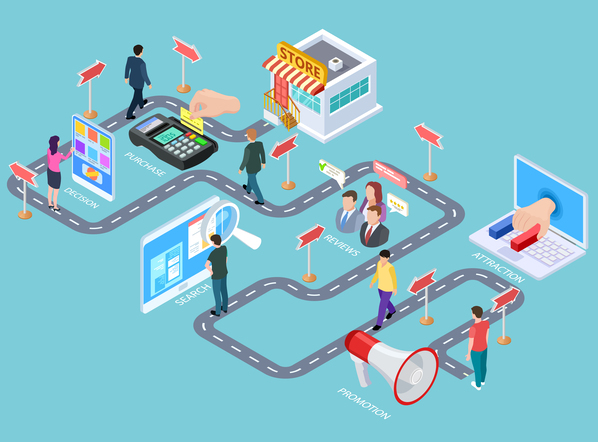
The customer journey should feel intuitive and continuous, regardless of where it starts or ends. This means ensuring that moving from one channel to another, say, from a social media ad to your website is a smooth, consistent experience.
Mapping out the customer journey helps you spot friction points where users may drop off or lose interest. It also helps identify where and how to insert key messages that drive action and reinforce your customer engagement strategy.
How to Optimize Your Cross-Channel Marketing Performance
Creating a strategy is just the beginning, optimizing it ensures you get the most from every customer interaction. Here's how to elevate your approach:
1. Maintain Consistent Brand Voice Across All Platforms
Consistency across channels is critical. Your brand’s tone, visual identity, and messaging should feel aligned across all touchpoints.
This uniformity not only builds trust but also reinforces brand recognition. Developing and adhering to clear brand guidelines will help ensure your team delivers a consistent experience, no matter the channel.
2. Leverage Real-Time Analytics
To truly master a cross-channel marketing strategy, you must continuously monitor performance and adapt accordingly. Use analytics tools to track KPIs like click-through rates, conversion rates, bounce rates, and engagement levels.
A/B testing is also invaluable. Experiment with different headlines, visuals, CTAs, and send times to see what resonates best with each segment of your audience. These insights allow for smarter decision-making and continuous improvement.
Conclusion
Success in cross-channel marketing requires more than intuition. It demands strategic planning, robust data use, and a focus on consistent customer experiences. From choosing the right channels to fine-tuning your content, every detail matters in building a smart, scalable customer engagement strategy.
To streamline the process, consider integrating advanced tools like Customer Engagement Platform (CEP) from Telkomsel Enterprise, it can be a game-changer. Designed to support businesses navigate the complexities of modern marketing, CEP empowers brands to create engaging, personalized experiences that drive loyalty and growth.
Ready to take your how to increase customer engagement efforts to the next level? Start mapping your customer journey, refining your messaging, and exploring innovative tools that support your vision. The future of marketing is integrated, and it’s happening now.
Want to learn more? Contact us today and discover how CEP can transform your customer engagement strategy!