




For small and medium-sized enterprises (SMEs) in Indonesia, embracing smart technologies is the key to long-term growth. One standout tool helping businesses transition successfully into the digital landscape is Customer Relationship Management (CRM).
Despite Indonesia having over 65 million SMEs, data from Bank Indonesia reveals that only around 26.5% have taken part in the digital ecosystem. This means more than 70% of small business owners have yet to tap into the full potential of digital entrepreneurship. To close this gap, the government launched initiatives such as the “Bangga Buatan Indonesia” national movement, pushing SMEs to go digital to enhance productivity and expand their market reach.
CRM can help achieve these goals because this tool helps you manage customer relationships and better understand their needs. Furthermore, CRM can make it easier for businesses to increase sales and reduce marketing costs.
So, what is CRM, and why is it such a game-changer for SMEs? This article uncovers everything you need to know, from what CRM really means to how it empowers small businesses to thrive in the digital age.
What is CRM?
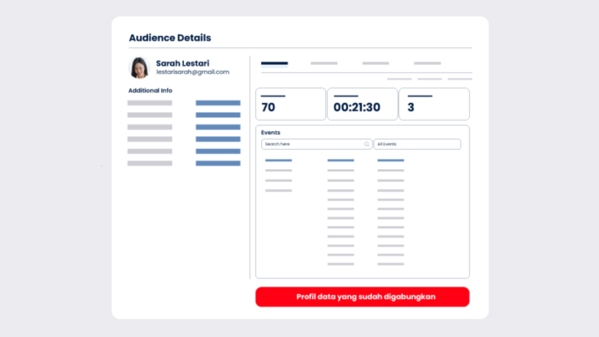
Customer Relationship Management (CRM) is a digital platform designed to help businesses, especially SMEs, manage and nurture customer relationships more effectively.
Think of CRM as a smart contact book, only far more powerful. It stores more than just names and phone numbers. It logs past purchases, customer preferences, birthdays, interaction history, and even feedback. This information helps you understand your customers on a deeper level.
Rather than guessing what your customers want, CRM equips you with real-time data and insights to personalize your service and boost satisfaction. In essence, CRM turns information into action and relationships into revenue.

Why CRM Matters for SMEs?
Adopting a CRM system can redefine how an SME operates. Let’s break down four core benefits CRM offers to digitally evolving small businesses:
1. Stronger Customer Relationships
Building a loyal customer base is the lifeblood of every SME. CRM enables that by helping you:
-
Foster loyalty through personalization: Understanding customers and their needs, and providing them with appropriate and responsive service, can increase loyalty. CRM makes it easier for you to remember small details about customers, ultimately making them feel special.
-
Better understand customer needs: CRM tracks purchase patterns and feedback, helping you spot what customers really want. You can then adjust your offerings accordingly.
-
Streamline communication: With CRM, every communication with customers becomes more meaningful. You're no longer groping in the dark, because you now have insights into what they want and need.
2. Streamlined Operations and Improved Efficiency
Running an SME means juggling countless tasks daily. From order tracking to follow-ups and feedback collection, manual processes can quickly become overwhelming and error prone.
-
Automated workflows: Imagine a system that sends a confirmation email after a sale or a thank-you message after a purchase, automatically. CRM saves time and keeps communication consistent.
-
Fewer manual errors: Entering incorrect data? Forgetting to contact a customer? CRM helps reduce small errors that can occur if everything is done manually.
-
Seamless integration: The best CRMs work well with accounting tools, social media platforms, and marketing automation systems. This interconnectedness simplifies your workflow.
3. Data-Driven Decision Making
Gone are the days of making business decisions based on gut feeling. In the era of digital entrepreneurship, data is king, and CRM is your crown jewel.
A robust CRM system provides real-time analytics and reporting features that help you:
-
Sales tracking: Easily monitor your best-selling products, busiest seasons, and conversion rates, all in one dashboard.
-
Customer trends: From existing data, you can see trends or patterns in customer behavior, allowing you to adjust your business strategy.
-
Targeted marketing: By understanding what customers are interested in, your marketing strategies can be more targeted.
4. Boosted Sales Potential
Ultimately, every business aims to grow its revenue. CRM fuels this growth by turning customer insights into sales opportunities.
Here’s how CRM supercharges your sales engine:
-
Track every lead: CRM helps you track business opportunities that may not have yet turned into sales. With proper monitoring, you can optimize these opportunities to become transactions.
-
Enhance customer retention: Happy customers come back. CRM ensures your business provides the best possible experience for customers, so they choose to remain loyal.
-
Upsell and cross-sell effectively: By understanding each customer’s history and preferences, you can recommend related or higher-value products at just the right time.
How to Choose the Right CRM for Your SME
Not all CRM systems are created equal. For SMEs, selecting the right platform means balancing functionality, ease of use, and affordability. Here’s a step-by-step guide to help you make the best choice:
1. Know What Your Business Needs
Before choosing a CRM, the first step is to understand your business needs.
-
Clarify your goals: Are you trying to increase sales, streamline operations, or retain more customers? Your goals will shape your CRM choice.
-
Understand your business model: Some SMEs need social media integration, while others prioritize mobile accessibility or reporting features.
-
List essential features: Do you need contact management, sales pipeline tracking, or automated follow-ups? Make a checklist based on your needs.
2. Prioritize User-Friendly Interfaces
There's no point in having a sophisticated CRM if your team struggles to use it. Ensure:
-
Look for intuitive design: CRM should be easy to navigate, even for non-tech-savvy users.
-
Training and support: Choose providers that offer tutorials, onboarding sessions, or customer support to ease the learning curve.
-
Team compatibility: Make sure the CRM fits your team's work style. For example, if your team works primarily in the field, a mobile-based CRM might be a better fit.
3. Evaluate Integration Capabilities
Your CRM should work with your existing tools, not against them. Check compatibility with:
-
Business tool integration: Ensure the CRM connects seamlessly with your accounting software, e-commerce platform, or customer service tools.
-
Marketing and communication sync: The ability to link with email platforms, WhatsApp, and social media channels ensures consistent messaging across all platforms.
4. Consider Pricing and ROI
While budget matters, focus on long-term value, not just upfront cost. Consider:
-
Transparent pricing: Make sure you understand the initial cost, monthly fees, and any additional costs that may arise.
-
Look at ROI: An effective CRM may cost more upfront but will likely pay for itself through improved efficiency and increased sales.
-
Scalability: As your business grows, your CRM needs may change. Make sure the CRM you choose can adapt to your business growth.
5. Don’t Compromise on Security and Support
Customer data is one of your most valuable assets. Ensure your CRM offers:
-
Security features: Ensure the CRM has adequate security features to protect your customer data.
-
Reliable customer service: Ensure you have access to technical support whenever issues arise.
-
Read reviews: Learn from other users’ experiences. Their feedback offers valuable insights into performance and reliability.
Conclusion
CRM is more than just a tool for customer management, but it’s a strategic asset for SMEs looking to succeed in today’s fast-paced digital market. It supports smarter decisions, streamlined operations, and stronger connections with your customer base.
With the rise of digital entrepreneurship in Indonesia, leveraging CRM technology is no longer optional. It’s an investment in sustainable growth and competitive advantage.
Still unsure where to start? Consider the Customer Engagement Platform (CEP) from Telkomsel Enterprise. It’s built to help businesses transform every interaction into a valuable connection.
CEP offers personalized campaign delivery via email, WhatsApp, and SMS, along with a cloud-based customer database that enables accurate targeting. Features like customer profiling and scalable capacity make it a powerful ally for SMEs navigating digital transformation.
Let your SME stand out, adopt CRM, embrace digital entrepreneurship, and build relationships that last. Contact Telkomsel Enterprise today and discover how Customer Engagement Platform can unlock your business’s full potential.