





Communication is the heartbeat of every organization. Yet, in the workplace, various obstacles often disrupt the smooth flow of information. These communication barriers don’t just affect productivity, but they can also lead to misunderstandings and conflicts that harm teamwork and morale.
In this article, we’ll explore what communication barriers are, why they occur, and how you can identify and address them effectively. Whether you're managing a remote team or working within a bustling office, understanding these challenges is key to fostering a more connected and productive workplace.
Common Causes of Communication Barriers in the Workplace
Communication challenges exist in nearly every organization. In fact, as companies grow, these challenges tend to become even more complex. Here are some key factors causing communication barriers that businesses frequently face:
1. Language and Cultural Differences
Even when speaking the same language, accents, dialects, and local expressions can cause confusion. Cultural backgrounds also influence communication styles. What’s normal in one culture may seem rude or unclear in another. Using clear, simple language helps reduce misunderstandings.
2. Physical Distance
Remote work has made physical distance a major factor in communication challenges. Poor internet connectivity, time zone differences, and lack of face-to-face interaction can all hinder effective messaging. Without intentional strategies like regular check-ins or video calls, important information can easily fall through the cracks.
3. Emotional and Psychological States
Stress, burnout, anxiety, or emotional instability can impair someone's ability to communicate clearly. A person under pressure might misinterpret feedback or struggle to articulate thoughts. Creating a psychologically safe environment where employees feel comfortable expressing concerns is crucial to overcoming this barrier.
4. Negative Attitudes and Behaviors
Unprofessional behavior, lack of respect, or dismissive attitudes can make others reluctant to engage. When people feel unheard or undervalued, they may withdraw from conversations altogether. Promoting empathy, active listening, and mutual respect can help rebuild trust and open lines of communication.
5. Prejudice and Assumptions
Preconceived notions about colleagues based on background, education, or past experiences can create invisible walls. These biases prevent open dialogue and can foster resentment or isolation. Encouraging open-mindedness and challenging assumptions is essential for breaking down these mental barriers.
Types of Communication Barriers in the Workplace
When digging deeper, communication barriers in the workplace generally fall into several categories:
1. Language Barriers
Differences in language proficiency can lead to miscommunication, especially in diverse workplaces. Industry jargon, technical terms, or unfamiliar idioms can confuse those who aren’t native speakers. Simplifying language and offering translation tools can bridge this gap.
2. Cultural Barriers
Diverse cultural backgrounds shape how people communicate. For example, direct eye contact or a loud tone might be normal in some cultures but considered aggressive in others. Awareness and respect for cultural differences are essential to minimize these barriers.
3. Physical Barriers
Noisy environments, limited access to communication tools, or office layouts that don’t encourage interaction can hinder effective communication. Additionally, remote work arrangements add geographical challenges that complicate communication further.
How Technology Impacts Communication Barriers
While technology itself can sometimes contribute to communication issues, it also offers powerful tools to overcome communication barriers in the workplace. Here’s how:
1. Faster and More Efficient Communication
Email, instant messaging apps, and collaboration platforms have revolutionized how quickly teams can exchange information. No longer constrained by geographical boundaries, modern tools allow for real-time updates and instant clarification.
2. Facilitating Remote Collaboration
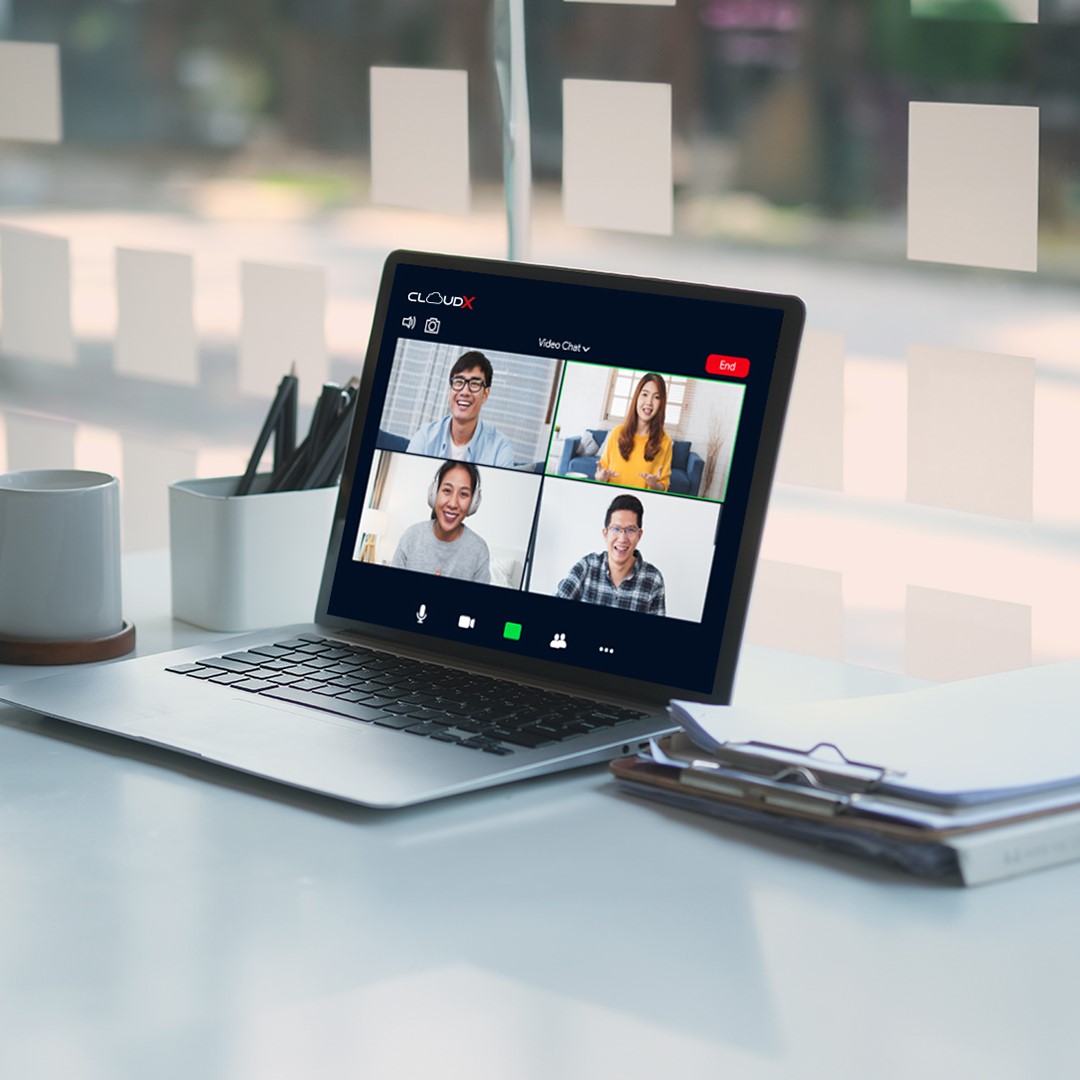
With hybrid and remote work models on the rise, virtual meeting platforms like Zoom, Microsoft Teams, and Google Meet have become indispensable. They enable seamless teamwork across locations and time zones, ensuring that no one feels left out.
3. Clear Communication Records
Digital communication leaves a traceable record. Whether it’s an email thread or a chat log, having documented conversations makes it easier to revisit decisions, clarify misunderstandings, and maintain accountability.
4. Overcoming Physical and Geographic Barriers
Cloud-based tools and mobile networks allow teams to stay connected regardless of location. This eliminates many traditional physical communication barriers, enabling global collaboration without the need for travel.
5. Expanding Access to Information
Intranet systems, knowledge bases, and shared drives give employees easy access to company policies, project details, and other critical information. This ensures everyone is on the same page and reduces dependency on verbal or written follow-ups.
Boosting Workplace Communication with Telkomsel Team Plan
Understanding communication barriers is just the first step. Implementing the right tools and strategies is where real change happens.
Team Plan by Telkomsel Enterprise is designed to empower businesses with reliable, scalable, and secure communication solutions. Whether your team works in-office, remotely, or in a hybrid setup, our plan ensures seamless connectivity and uninterrupted collaboration.
With features like Closer User Group (CUG), customizable packages, and budget-friendly plans, Team Plan offers flexible communication solutions tailored to your company’s needs. It ensures the best network access anytime, anywhere.
Contact us to learn more about how our solution can transform your workplace communication.