

When it comes to delivering exceptional customer experiences, the technology you choose isn’t just a support tool, but it’s a strategic advantage that directly impacts on your company’s success. One of the most crucial decisions businesses must face today is whether to invest in a cloud contact center or a cloud call center.
With Indonesia’s business landscape becoming increasingly tech-driven, decision-making in customer communication solutions plays a vital role in maintaining customer satisfaction and staying competitive.
A recent HubSpot survey revealed that 66% of consumers expect a customer service response within five minutes or less. This statistic clearly shows how high the demand for responsiveness has become. For businesses aiming to meet these rising expectations, selecting the right platform, between a cloud-based call center and a contact center can make all the difference.
Both cloud call center services and cloud contact center technology are designed to handle high volumes of customer interactions efficiently. However, the right choice will depend on your business needs, resources, and long-term vision.
So, what exactly is a call center? And how does it differ from a modern contact center powered by cloud technology? Let’s dive deep into the world of customer communication, explore the evolution of support systems, and uncover which solution delivers the greatest impact for your organization.
What Is a Call Center?
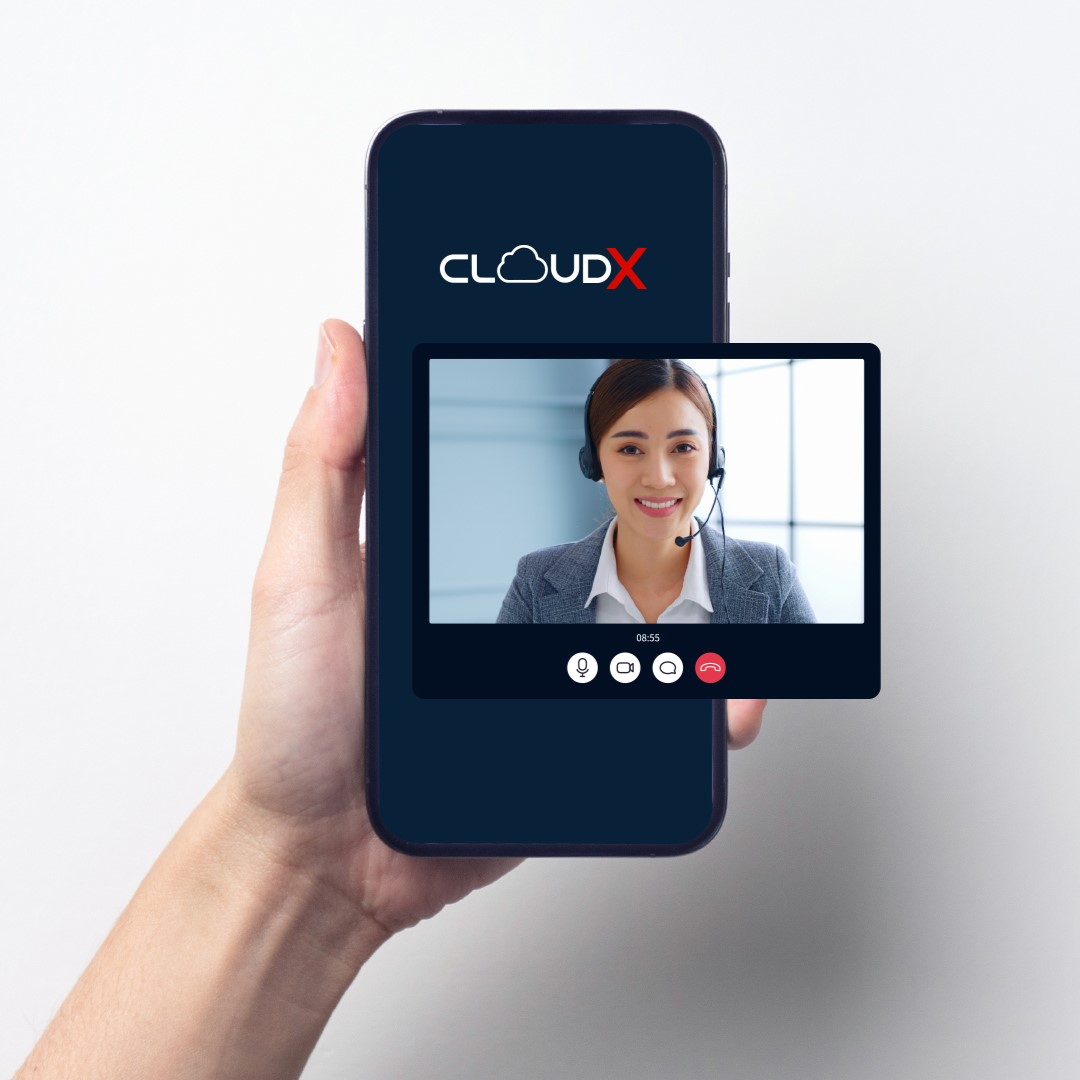
A call center is traditionally defined as a centralized office used to handle a company’s telephone-based customer interactions. These may include customer support, technical assistance, and telemarketing.
Conventional call centers focus exclusively on voice communication, whether inbound or outbound. However, these legacy systems often carry a negative reputation. Long wait times, poor call quality, and under-trained agents have left many customers frustrated with their experience.
Enter cloud call center technology, a modern, internet-based solution that eliminates the need for costly infrastructure while delivering scalable and flexible voice services. This evolution has reshaped how businesses approach telephony-based customer service.
What is a Contact Center?
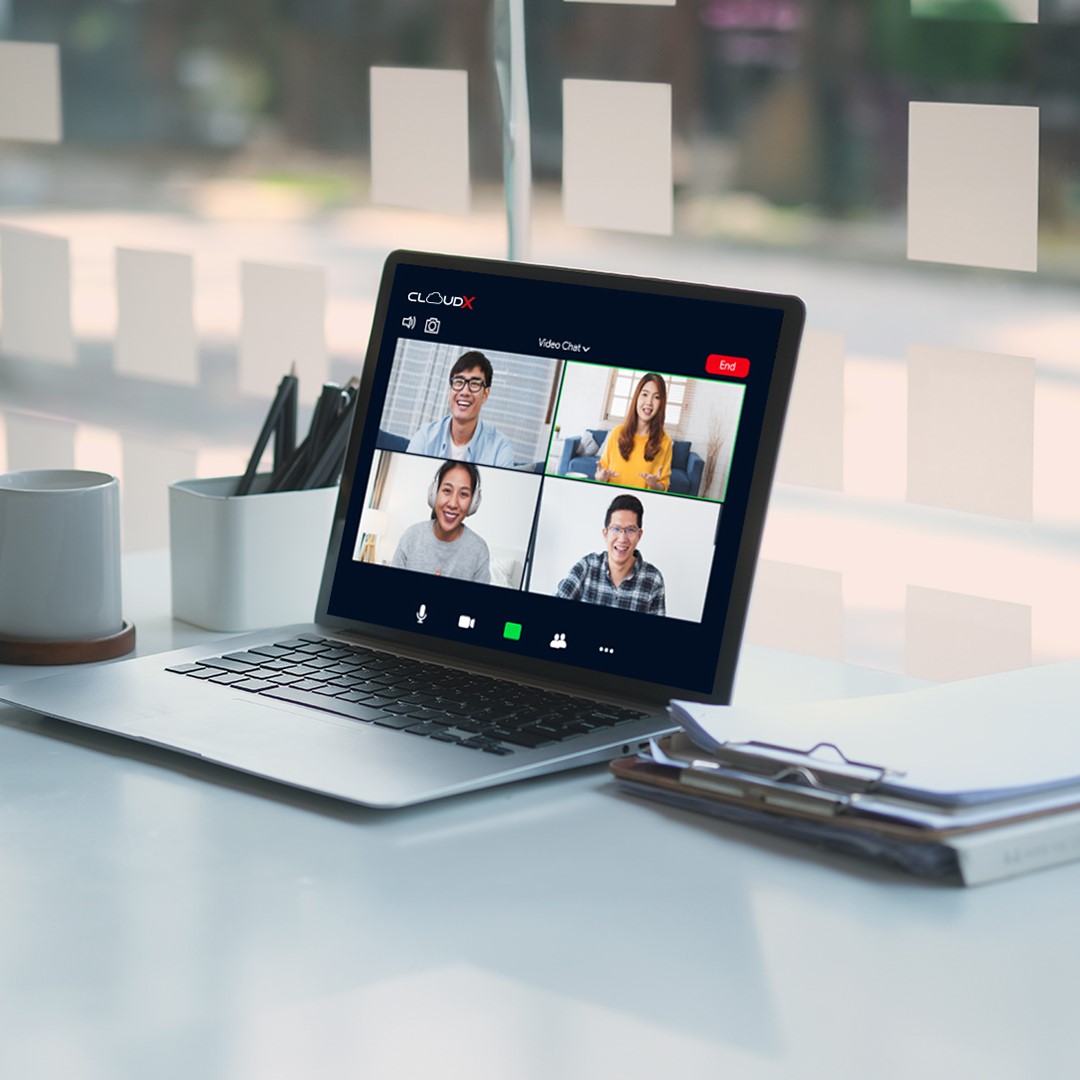
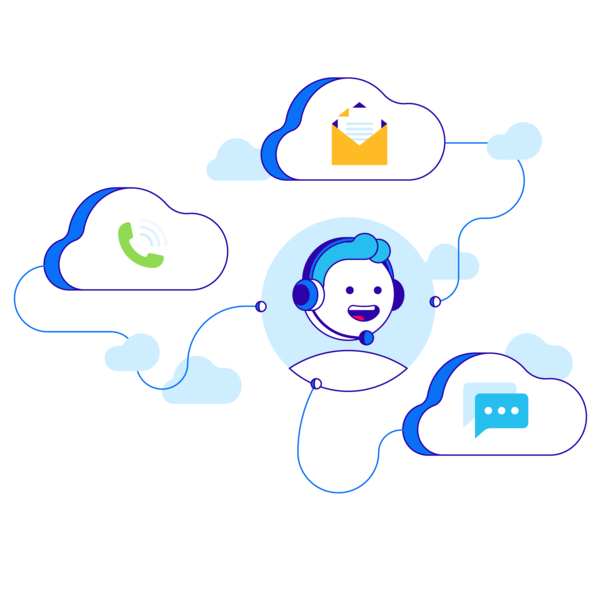
Unlike a call center, a contact center provides a multi-channel approach to customer service. It enables businesses to interact with their customers not just by phone, but also through email, live chat, social media, and even SMS.
With the rise of cloud-based contact centers, traditional challenges like outdated infrastructure, integration complexity, and high operating costs are being solved. Businesses can now offer a seamless customer experience across multiple digital touchpoints, regardless of physical office space.
Modern cloud contact centers are often integrated with omnichannel platforms, allowing agents to access real-time customer information across channels. This leads to a more personalized, responsive, and efficient service experience.
According to MarketsandMarkets, the global cloud contact center market is projected to grow from USD 17.1 billion in 2022 to USD 54.7 billion by 2027, with a CAGR of 26.1%. This rapid growth is fueled by rising demand for simplified and personalized customer interactions, especially in the post-pandemic digital-first era.
Differences Between Cloud Call Center vs Cloud Contact Center
Let’s break down the main distinctions between the two solutions:
Supported Communication Channels
Cloud Call Center, primarily focused on voice communication. While some providers may offer basic chat or email add-ons, the core functionality revolves around phone calls, both inbound and outbound.
Cloud Contact Center, fully omnichannel-ready. Supports voice, email, SMS, live chat, mobile messaging apps (like WhatsApp), social media platforms, and even AI-powered chatbots. This means customers can start a conversation on Instagram and continue it via email, without losing context.
Integration Capabilities
Cloud-based call centers may have limitations when it comes to integration with other applications or systems.
Cloud-based contact centers, on the other hand, are typically designed with extensive integration capabilities. This allows companies to connect them with omnichannel systems, social media platforms, and other communication tools.
Flexibility & Scalability
As technology advances and consumer behavior changes, the need to communicate across multiple channels becomes increasingly important. Cloud-based contact centers are more responsive to this need than cloud call centers.
Furthermore, technologies such as APIs (Application Programming Interfaces) enable companies to design and implement solutions tailored to their needs. This is particularly relevant for cloud contact centers, which offer the flexibility to integrate with various tools and platforms.
Benefits of a Cloud Contact Center
While both solutions have merit, the cloud contact center stands out as the future-forward choice for most modern enterprises. Here’s why:
Rapid Adaptation to Change
The cloud model allows companies to adapt quickly to changing customer behaviors and technologies without the need for heavy infrastructure investments.
Seamless Integration with Business Tools
As mentioned previously, one of the main advantages of a cloud-based contact center is its ability to integrate with various systems and applications. This allows companies to have a virtual call center that is fully connected to the other tools they already use.
Improved Customer Satisfaction
With all data and communications centralized in one platform, companies can deliver a more consistent and personalized experience to their customers. This ultimately leads to increased customer satisfaction.
Which Solution Is Right for Your Business?
Here’s a breakdown of different business needs and the ideal solution for each:
Businesses Focused on Customer Service Across Multiple Channels
Solution: Cloud Contact Center
If your business aims to provide customer support through various communication channels like phone, email, chat, and social media, a cloud contact center is the perfect choice. It lets you engage with customers on their preferred platforms, boosting both satisfaction and loyalty
Startups or Small Businesses Needing a Simple Solution
Solution: Cloud Call Center
For startups or small businesses with limited budgets, a cloud call center offers a straightforward and cost-effective way to manage customer service. While it may not have all the features of a full contact center, it’s still a solid option for handling voice-based customer support.
Large Enterprises with Complex Integration Needs
Solution: Cloud Contact Center
Large companies with multiple departments and systems to integrate will benefit the most from a cloud contact center. Its ability to connect seamlessly with various applications and platforms ensures that customer data is centralized and easily accessible to agents, streamlining the entire customer service process.

Conclusion
Although often confused, cloud contact centers and cloud call centers serve different purposes within customer service strategies.
A cloud call center is ideal for voice-based interactions and straightforward operations, while a cloud contact center offers a more flexible, omnichannel approach, crucial for businesses aiming to deliver consistent and seamless customer experiences.
Choosing the right solution depends on your company’s size, goals, budget, and how you plan to connect with your customers moving forward.
Still unsure which platform suits your business best? Telkomsel Enterprise provides a powerful answer through its CPaaS Cloud Communication Connector, also known as CloudX Hub and CloudX Communication.
This cloud-based communication platform integrates all your business's communication channels in real time, offering the flexibility and scalability your team needs, whether working remotely or in-office. With Virtual PABX features and robust multi-channel support, it’s the ideal solution for modern enterprises looking to elevate their customer engagement.
Ready to transform your customer service with cloud technology? Contact Telkomsel Enterprise today and explore how CloudX can take your business to the next level.