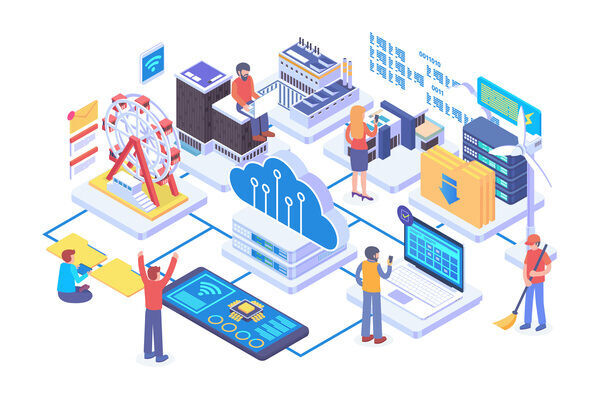





The world no longer relies on limited physical servers. Businesses and individuals alike are now empowered by cloud computing services solutions that are scalable, accessible, and remarkably cost-efficient.
Thanks to global leaders like Amazon Web Services (AWS), Microsoft Azure, and Google Cloud Platform, the rise of cloud service adoption has revolutionized how industries operate across the globe.
According to a 2023 report by MIT Technology Review, investment in cloud computing infrastructure has reached over 60% globally. This growing trend signals a shift towards cloud-powered operations, driven by the need to boost efficiency, productivity, and adaptability.
Interestingly, the report also revealed that the majority of business executives now view cloud services as a critical part of reducing operational (OPEX) and capital (CAPEX) expenditures.
Among the many cloud computing solutions, three service models standout such as IaaS (Infrastructure as a Service), PaaS (Platform as a Service), and SaaS (Software as a Service). Each comes with unique capabilities and benefits tailored to different needs.
Let’s dive into what each model offers, their benefits, and how to choose the right one for your business.
What Is Cloud Computing?
At its core, cloud computing is the delivery of computing services, including storage, servers, databases, networking, and software, over the internet. Unlike traditional on-premises infrastructure, which requires physical hardware and manual management, cloud computing enables businesses to access powerful tools and data remotely, on demand.
Its popularity stems from its core benefits, that are flexibility, scalability, and cost efficiency. By shifting from hardware investment to on-demand services, organizations gain access to cutting-edge technology while reducing their IT expenses.
But the true strength of cloud computing lies in its service models: IaaS (Infrastructure as a Service), PaaS (Platform as a Service), and SaaS (Software as a Service). These three models represent different ways in which cloud services can be used to support business and technology needs.
The Three Pillars of Cloud Service Models
Now that we understand what is cloud computing, let’s explore the three primary service models that define how businesses interact with cloud resources.
1. IaaS: Infrastructure as a Service
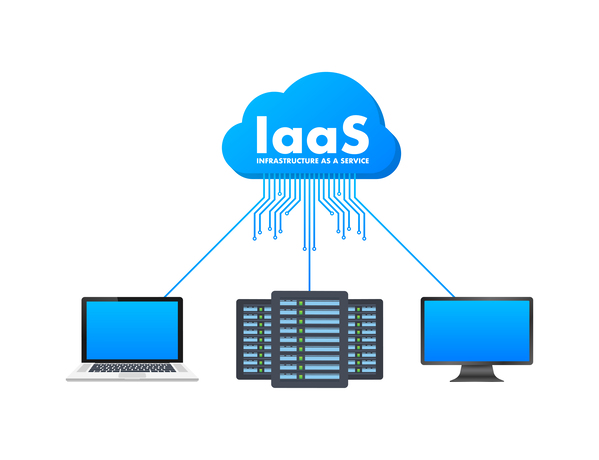
Infrastructure as a Service (IaaS) delivers core computing infrastructure virtually, such as servers, storage, and networking, on a pay-as-you-go basis. Instead of investing in costly hardware, businesses can rent IT infrastructure from cloud providers on demand.
Key Components of IaaS
-
Compute: The heart of IaaS lies in its virtual computing power, whether through virtual machines, containers, or serverless computing. It’s scalable and billed based on actual usage.
-
Storage: IaaS supports multiple storage options, object storage, block storage, and file storage, tailored to specific data needs.
-
Networking: Features like firewalls, load balancers, and virtual private networks ensure secure and efficient communication between resources.
Benefits of IaaS
-
Scalability: With IaaS, businesses can easily increase or decrease resources based on demand.
-
Flexibility: Users have the freedom to choose the operating system and software they need.
-
Cost efficiency: By eliminating the need for physical infrastructure investments, businesses can save significant costs.
-
Agility: With access to the latest IT resources, businesses can be more agile in responding to market changes and new opportunities.
IaaS Common Use Cases
-
App Development: Developers use IaaS to build scalable apps without managing underlying infrastructure.
-
Website Hosting: IaaS provides an ideal platform for hosting websites, especially those that require high scalability and performance.
-
Disaster Recovery: Ensure business continuity by backing up operations through resilient infrastructure.
-
Managing Peak Loads: Ideal for handling sudden traffic spikes during major events like online sales or product launches.
2. PaaS: Platform as a Service
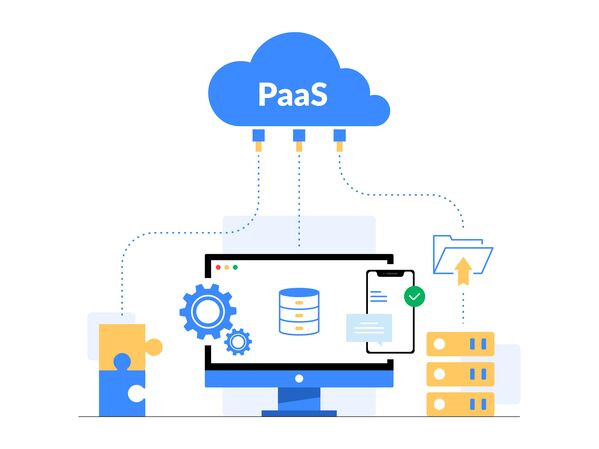
Platform as a Service (PaaS) is a complete environment for developing, testing, and deploying applications. It simplifies app development by providing everything a developer needs, from infrastructure to tools and frameworks, all managed by the cloud provider.
Key Components of PaaS
-
Programming Languages and Frameworks: PaaS supports various programming tools including Java, Python, and Ruby on Rails, offering flexibility to work in familiar environments.
-
Databases and Middleware: Includes pre-configured databases and middleware to handle data and application logic efficiently.
-
Development Tools: Integrated Development Environments (IDEs), version control, and other productivity tools to speed up the development lifecycle.
Benefits of PaaS
-
Accelerated Development: PaaS provides all the tools needed for application development, allowing teams to focus on coding rather than managing infrastructure.
-
Simplified Deployment: Automatically handles many technical aspects of app deployment.
-
Auto Scalability: Resources are automatically scaled based on app usage in real time.
-
Reduced Infrastructure Management: Eliminates the need to manage physical servers or software stacks, allowing teams to focus on the development process.
PaaS Common Use Cases
-
Web App Development: Perfect for building robust and responsive web applications.
-
Mobile App Development: Provides streamlined tools for creating and testing mobile apps.
-
API & Microservices: Facilitates efficient development of APIs and microservices, essential in modern app architecture.
3. SaaS: Software as a Service
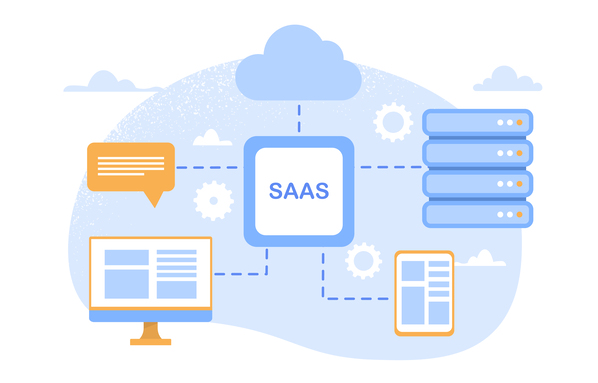
Software as a Service (SaaS) is perhaps the most widely used cloud model. With SaaS, software applications are hosted in the cloud and accessed via a web browser. No installation, maintenance, or hardware required, just sign in and start using.
Key Characteristics of SaaS
-
Subscription Model: Users typically pay based on usage tiers or the number of users.
-
Multi-Tenant Architecture: In SaaS, the same infrastructure and platform can be used by multiple users. This allows service providers to optimize resources.
-
Web Access: SaaS applications can be accessed from any device connected to the internet, providing flexibility and convenience for users.
Benefits of SaaS
-
Lower Costs: Minimal setup and upfront costs make SaaS accessible to small businesses and individuals.
-
User-Friendly: Most SaaS apps are intuitive and easy to get started with.
-
Automatic Updates: Providers manage software updates, so users always run the latest version.
-
Accessibility: Collaborate from anywhere, ideal for remote teams or mobile workflows.
SaaS Common Use Cases
-
Email & Collaboration Tools: Platforms like Microsoft 365 and Google Workspace simplify teamwork.
-
CRM Software: Manage customer relationships and sales efficiently through cloud-based CRMs.
-
Project Management: Tools like Trello or Asana help manage workflows and deadlines.
-
Creative & Productivity Apps: Apps like Adobe Creative Cloud empower creative professionals.
-
Finance & Accounting: Manage business finances securely and efficiently.
Choosing the Right Cloud Service Model for Your Business
Selecting between IaaS, PaaS, and SaaS depends on several factors:
1. Key Factors to Consider
-
Business Needs: Assess your specific operational and technical requirements.
-
Budget: Choose a model that aligns with your financial strategy.
-
Technical Expertise: Consider your team’s technical skill level. IaaS requires a deeper understanding of IT infrastructure, while PaaS and SaaS offer more simplicity and out-of-the-box capabilities.
-
Level of Control: IaaS offers the most control; SaaS the least, but with greater ease of use.
2. Comparing IaaS vs. PaaS vs. SaaS
-
IaaS: Ideal for businesses needing customizable infrastructure and control.
-
PaaS: Best suited for developers who want to build and deploy apps without managing infrastructure.
-
SaaS: Great for users who want ready-to-use apps with minimal maintenance.
3. Hybrid Cloud Approaches
Many organizations adopt a hybrid cloud strategy, combining multiple service models to meet diverse needs. For example, a company might use IaaS for hosting critical databases, PaaS for building custom applications, and SaaS for employee productivity tools.
This blended approach allows businesses to optimize cost, performance, and scalability while tailoring cloud usage to specific departments or functions.
Conclusion
From the foundation of IaaS, the agility of PaaS, to the simplicity of SaaS, cloud computing services continue to reshape how we work, develop, and innovate. Choosing the right cloud model isn’t just a tech decision, but it’s a strategic move that influences cost savings, operational agility, and business growth.
Remember, there’s no universal solution when it comes to IaaS, PaaS, or SaaS. Every organization has unique goals and challenges. What matters most is selecting the model that aligns with your business objectives and technological capabilities.
Telkomsel Enterprise offers robust Infrastructure as a Service (IaaS) solution, complete with fast-deploy network enhancements and full telecommunications coverage, even in remote areas. With Advanced QoS, corporate clients receive prioritized access for maximum uptime and performance.
Ready to take your business to the next level with cloud computing? Contact Telkomsel Enterprise today to learn how our IaaS can optimize your connectivity, efficiency, and competitiveness.