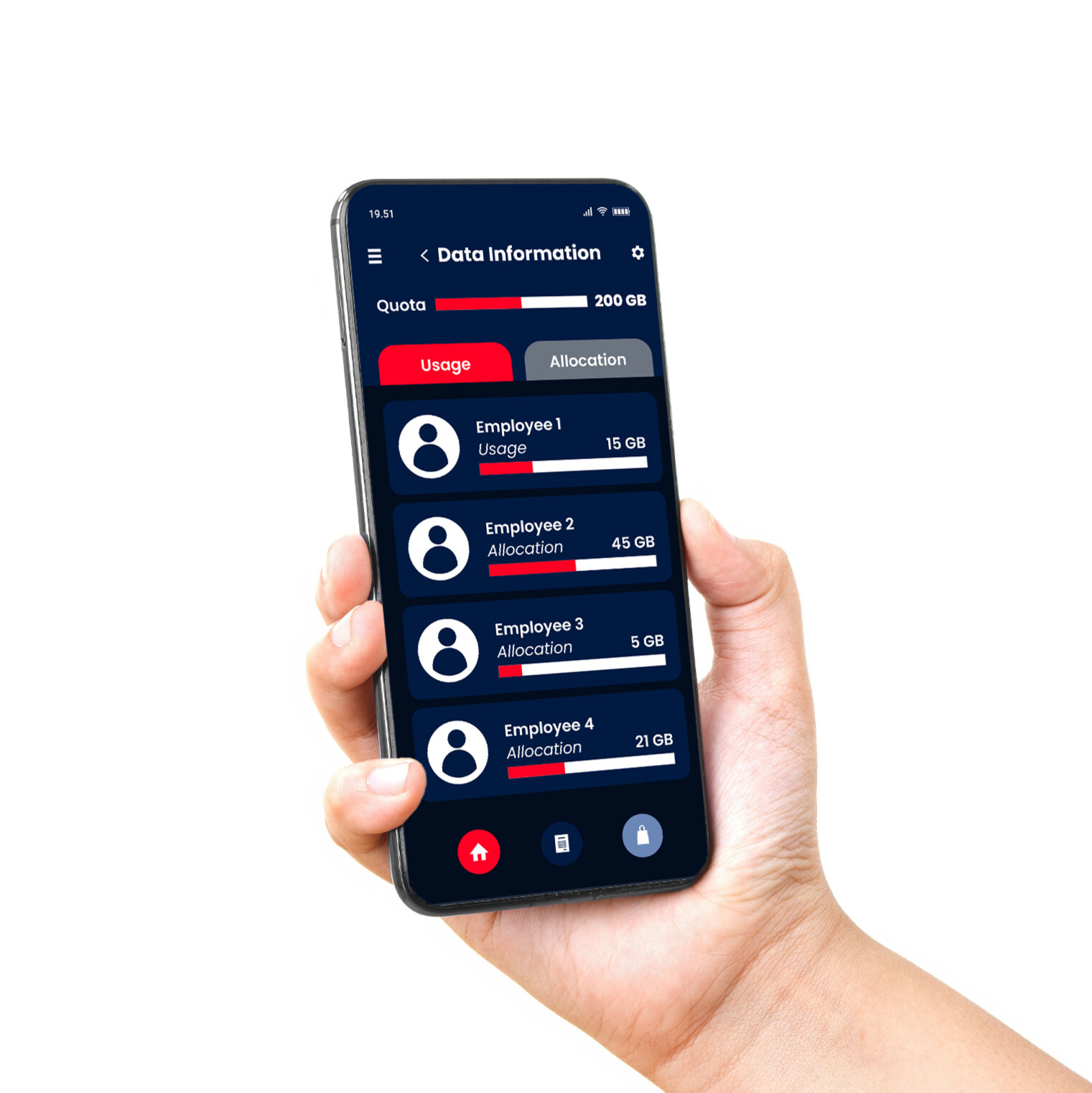





The era when bulky desktop computers dominated office desks has long passed. Now, sleek smartphones and tablets fit comfortably into the hands of employees constantly on the move. This shift is largely driven by the growing trend known as “bring your own device (BYOD)”.
The appeal of BYOD is undeniable. Employees relish the freedom to work on devices they know intimately, like smartphones, tablets, or laptops they use daily, which naturally boosts comfort and efficiency. Meanwhile, companies benefit from significant cost savings on hardware procurement and maintenance, all while cultivating a workforce that is more engaged, agile, and productive.
However, as BYOD adoption skyrockets, so do concerns around security. Issues such as data leaks, unauthorized access, and malware infections pose real threats to businesses. A report from Bitglass reveals that 82% of companies surveyed allow their employees to use personal devices for work-related activities.
Yet, many businesses still lack adequate measures to safeguard sensitive corporate data in this BYOD ecosystem. This article dives deep into what is BYOD, the inherent security risks, and actionable solutions to help businesses confidently embrace this modern working style.
What is BYOD and Its Popularity
BYOD is a workplace policy that permits employees to bring and use their own personal devices. like smartphones, tablets, and laptops for professional tasks. This approach emerged as a direct response to evolving work habits and advancing technology, offering employees the flexibility and convenience to perform their duties from familiar gadgets.
With BYOD, employees gain seamless access to company resources, applications, and data straight from their personal devices. This convenience translates into higher productivity and job satisfaction.
Yet, the ease of access introduces serious concerns about information security. BYOD acts as a double-edged sword: while it enhances operational efficiency and flexibility, it simultaneously raises critical questions about data privacy and protection. Companies must ensure that sensitive information remains secure even when accessed via devices outside the direct control of their IT departments.
Security Vulnerabilities in BYOD Environments
One of the most significant risks tied to BYOD stems from the uncontrolled use of personal applications on employee devices.
Apps downloaded by employees might not comply with corporate security standards, opening gateways for unauthorized data access and potential leaks of confidential information. This makes monitoring and managing applications on BYOD devices an essential security priority.
Data loss is another genuine threat. Whether a device is lost, stolen, or data is mistakenly sent to unintended recipients, the consequences can be severe. Protecting company information becomes exponentially complex when personal and professional use coexist on the same device, dramatically increasing the risk of accidental data exposure.
Additionally, devices taken offsite or used remotely carry heightened risks of theft or misplacement. A lost device in a BYOD setting isn’t just a lost piece of hardware, but it represents a potential breach of point for sensitive corporate data.
To mitigate these risks, companies need to enforce strong security protocols such as data encryption, Virtual Private Network (VPN) use, and strict policies governing which apps can be used on BYOD devices. Furthermore, comprehensive employee training on security awareness is vital to reduce human error and data breaches.
The Challenge of Fragmented Security Landscape
BYOD environments often feature a diverse mix of operating systems and software versions operating simultaneously within a single corporate network.
This diversity creates complexity in managing security since each OS and software version comes with its unique vulnerabilities and security requirements. Consequently, businesses must adopt flexible and adaptive security strategies.
Often, BYOD devices run outdated software or apps, increasing exposure to cyberattacks through unpatched security gaps. Ensuring all devices are regularly updated is critical to maintaining a secure environment.
Another layer of complexity arises from device configurations. Each personal device may have distinct settings that don’t align with corporate security standards, challenging IT departments to maintain consistent security policies across all endpoints.
To tackle these issues effectively, companies should leverage advanced tools like Mobile Device Management (MDM) solutions, which provide centralized oversight, configuration, and enforcement of security policies across all BYOD devices.

The Human Factor
BYOD devices often become prime targets for phishing attacks and malware infections.
Employees might struggle to distinguish legitimate communications from deceptive ones, especially when using their personal devices. This vulnerability increases the risk of cybercriminals infiltrating company networks via compromised devices.
Password security remains a major concern. Many employees tend to use weak or repeated passwords across multiple services. The absence of multi-factor authentication (MFA) further exacerbates these risks on BYOD devices.
Additionally, a significant security challenge lies in the lack of employee awareness regarding safe device usage practices. Many users are unaware of how their habits could expose corporate data to threats.
Prioritizing employee education and security training is crucial to address this gap. Clearly defined security policies and regular awareness programs empower staff to understand their role in protecting company data and complying with BYOD security standards.
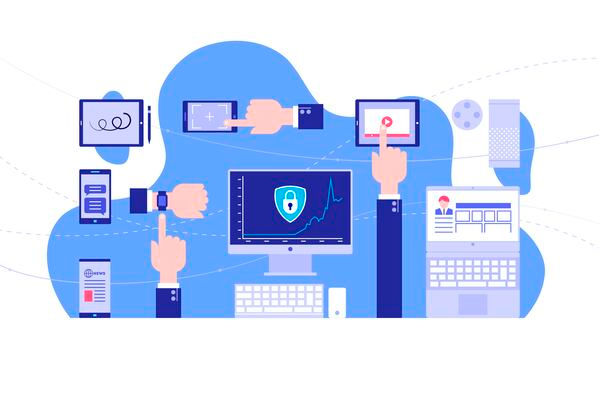
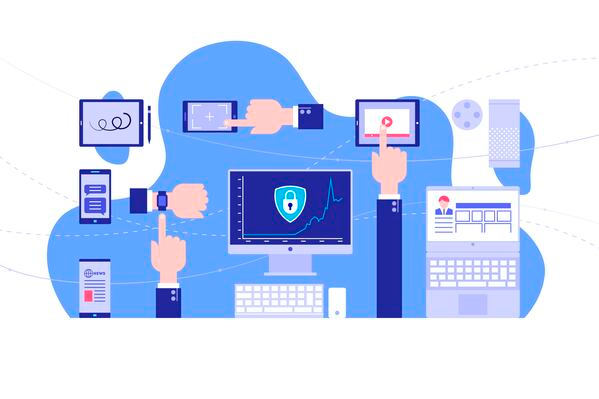
Solutions for Building a Secure BYOD Framework
To effectively secure a BYOD environment, organizations should consider the following strategic steps:
1. Develop a Comprehensive BYOD Policy
Establish clear guidelines covering device eligibility, acceptable usage, and mandatory data encryption. A thorough policy helps set expectations and responsibilities for employees using personal devices for work, ensuring compliance and accountability.
2. Leverage Mobile Device Management (MDM)
MDM tools are indispensable for monitoring, managing, and securing mobile devices within the corporate ecosystem. They enable remote wiping of data on lost or stolen devices and enforce compliance with company security protocols.
3. Implement Data Encryption and Containerization
Data encryption safeguards sensitive information, making it inaccessible even if devices fall into the wrong hands. Containerization separates corporate data and applications from personal content on devices, minimizing the risk of cross-contamination or accidental leaks.
4. Deploy Endpoint Security Solutions
Antivirus, anti-malware, and intrusion detection systems create multiple defense layers against cyber threats targeting BYOD devices. Consistent application of these solutions across all endpoints enhances the overall security posture.
Telkomsel Enterprise, for instance, offers Mobile End Protection (MEP), a cutting-edge security solution powered by machine learning to detect and neutralize threats on mobile devices, ensuring comprehensive protection against cyberattacks.
5. Conduct Regular Security Audits and Risk Assessments
Frequent evaluations help identify vulnerabilities and address emerging risks before they escalate. Audits should cover every aspect of the BYOD environment, from devices to policies and procedures.
6. Prepare Incident Response Plans and Training
Being ready to tackle potential data breaches or device compromises is critical. Training staff on incident response ensures swift, coordinated action to minimize impact and restore security promptly.
Conclusion
The BYOD (Bring Your Own Device) trend undeniably brings a host of benefits, from enhanced employee flexibility to increased productivity. Yet, these advantages come paired with serious security challenges that cannot be overlooked. From data leakage risks to software vulnerabilities, BYOD demands a carefully crafted, multi-layered risk management approach.
Successful BYOD security requires not only deploying technical safeguards like MDM and encryption but also engaging employees through education and awareness initiatives. By integrating clear policies with robust security tools, companies can strike a balance between flexibility and data protection.
Armed with the right strategies, businesses can harness the power of BYOD as an asset that drives growth and innovation, without compromising security.
Telkomsel Enterprise’s Mobile Device Management (MDM) solutions designed to secure employees’ personal devices, providing real-time protection and seamless deployment through zero-touch enrollment. With flexible payment options and integration capabilities, MDM enhances device visibility, controls access and fortifies data security across your enterprise network.
Ready to secure your BYOD ecosystem? Contact us today to learn more about how our enterprise mobility solutions can help you stay protected and productive.